Artwork
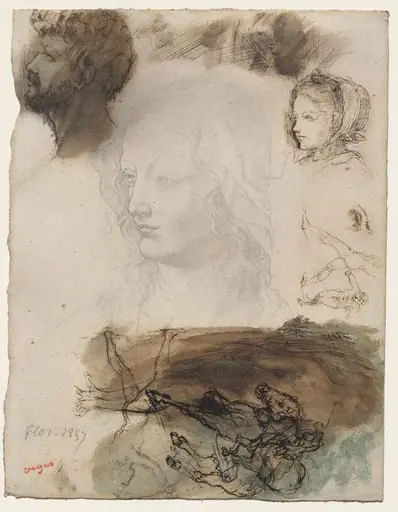
Studies with Central Female Face
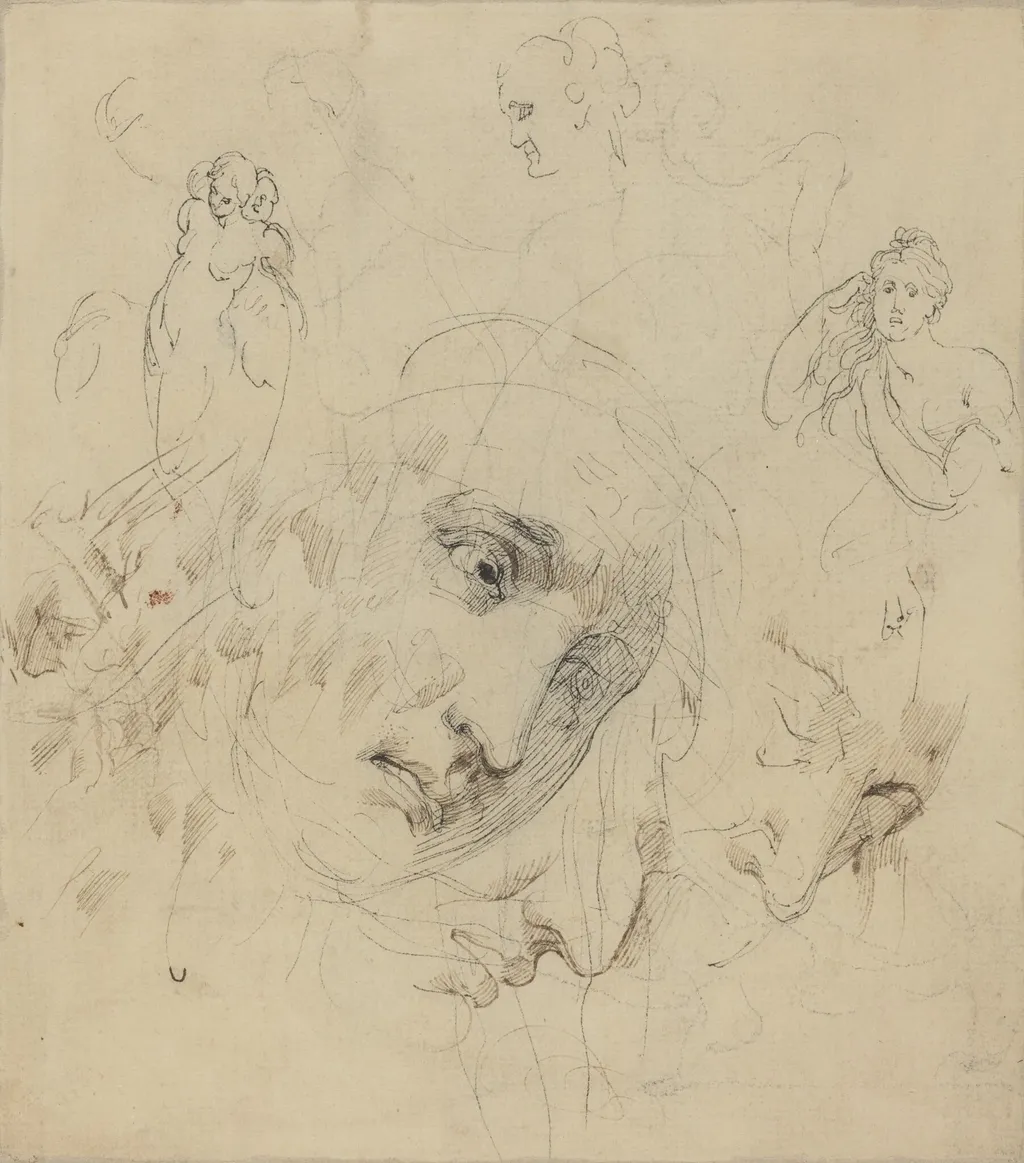
Studies with Central Female Face is a chalk drawing by the Baroque artist John Hamilton Mortimer. It dates from 1760 and is held in the collection of the National Gallery of Art.
About this work
Overview
It belongs to a phase of Mortimer’s career before his rise to prominence in London’s art institutions.
Created in 1760 by British artist John Hamilton Mortimer, this drawing is a sheet of studies executed in pen with black and brown inks over a foundation of black chalk on laid paper. It belongs to a phase of Mortimer’s career before his rise to prominence in London’s art institutions. The work functions as a preparatory exercise, capturing multiple female forms in varying poses around a central portrait, reflecting the artist’s focus on anatomical observation and compositional experimentation.
Subject & Meaning
The central figure is a seated or reclining woman, her face rendered with focused detail as she gazes downward and to the right. Surrounding her are smaller, rapidly sketched figures in diverse postures—standing, bending, reclining—suggesting an exploration of gesture and drapery. The arrangement implies a study of the human form in motion, possibly for a larger composition. The absence of narrative context emphasizes the artist’s interest in physical presence over storytelling.
Technique & Style
Mortimer employed a layered approach: black chalk established the underlying structure, while pen and ink added definition and tonal contrast. The central face is modeled with deliberate hatching and cross-contour lines, creating volume. The surrounding sketches are executed with swift, fluid strokes, conveying spontaneity and energy. The contrast between the refined center and the loose peripheral figures reveals a deliberate hierarchy of attention, typical of academic life drawing practices of the period.
History & Provenance
The drawing originates from Mortimer’s early years as a practicing artist, predating his 1774 presidency of the Society of Artists. It was likely produced during his formative period in London, where he studied and sketched from live models. No documented ownership history is widely recorded prior to its inclusion in institutional collections, suggesting it remained in the artist’s possession or passed through private hands before entering public care.
Context
This work aligns with 18th-century British artistic training, which emphasized drawing from life as a foundational skill. While Mortimer later became known for dramatic historical and Italianate scenes, this study reflects the disciplined practice common among artists preparing for larger works. The focus on the female form echoes contemporary academic traditions, though the informal grouping of figures distinguishes it from formal compositions of the time.
Legacy
Though not widely exhibited during Mortimer’s lifetime, this drawing exemplifies the importance of preparatory studies in 18th-century British art. It survives as evidence of an artist’s working method, capturing the transition from observation to finished composition. Today, it contributes to scholarly understanding of how artists like Mortimer developed their figure work before engaging in more elaborate narrative projects.
Artist & collection
Artist
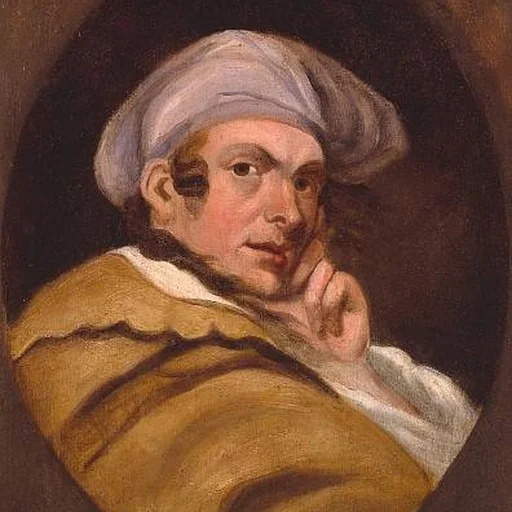
John Hamilton Mortimer (17 September 1740 – 4 February 1779) was a British figure and landscape painter and printmaker, known for romantic paintings set in Italy, works depicting conversations, and works drawn in the…

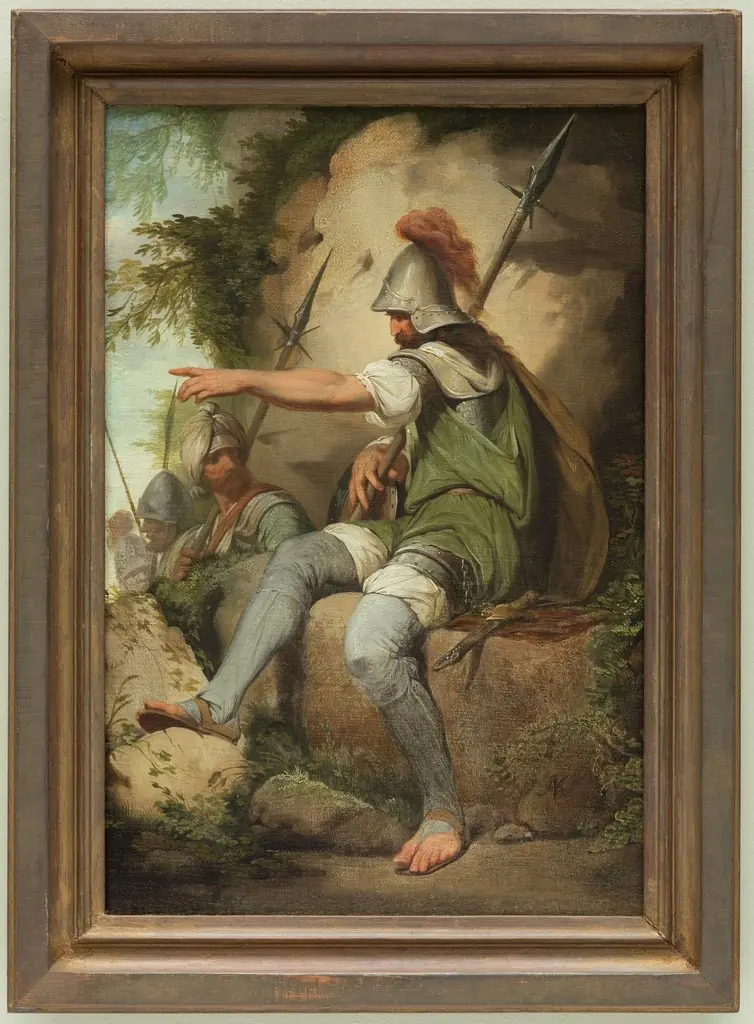
![Mucius Scaevola [recto], by John Hamilton Mortimer](https://artifactworldgallery.com/img/john-hamilton-mortimer--mucius-scaevola-recto--0de678fa443f7962-w320.webp)
 Sheet of Studies and Sketches
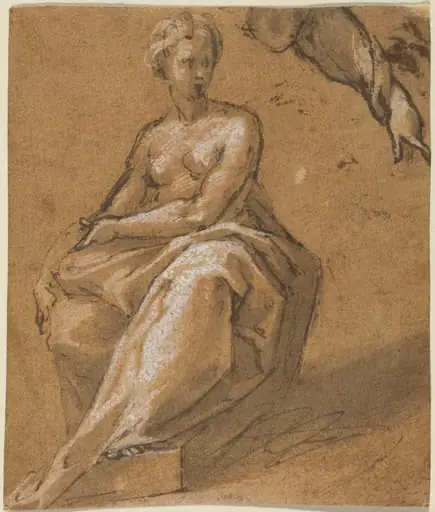 Seated Nude with Drapery
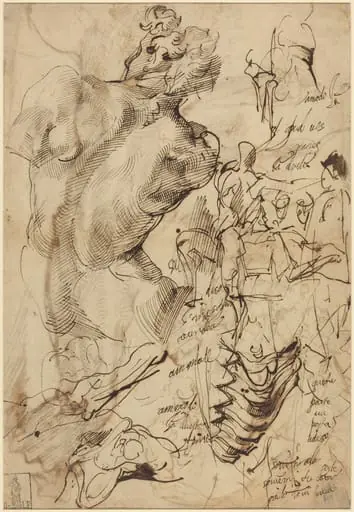 Studies of a Sculpture of a Male Nude, Vertebrae, and Gesturing Figures
![Apollo and Studies of the Artist's Own Hand [recto], by Francesco Fontebasso](https://artifactworldgallery.com/img/francesco-fontebasso--apollo-and-studies-of-the-artist-s-own-hand-recto--ee93288e84456aea-w320.webp) Apollo and Studies of the Artist's Own Hand [recto]
Apollo and Studies of the Artist's Own Hand [recto]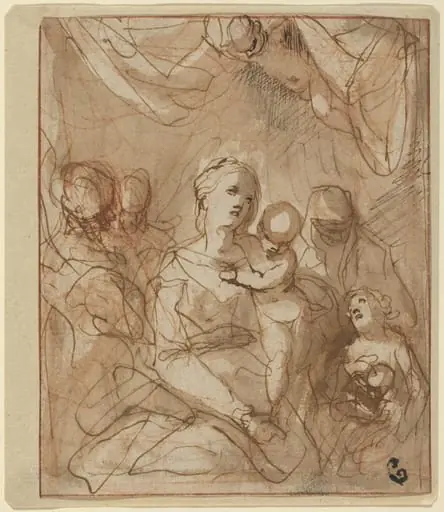 The Virgin and Infant Jesus with Saints
 Reclining Woman Leaning on Her Arm (verso)
![Seated Angel in a Landscape [recto], by Anicet Charles Gabriel Lemonnier](https://artifactworldgallery.com/img/anicet-charles-gabriel-lemonnier--seated-angel-in-a-landscape-recto--17dbd8d92a970c98-w320.webp) Seated Angel in a Landscape [recto]
Seated Angel in a Landscape [recto]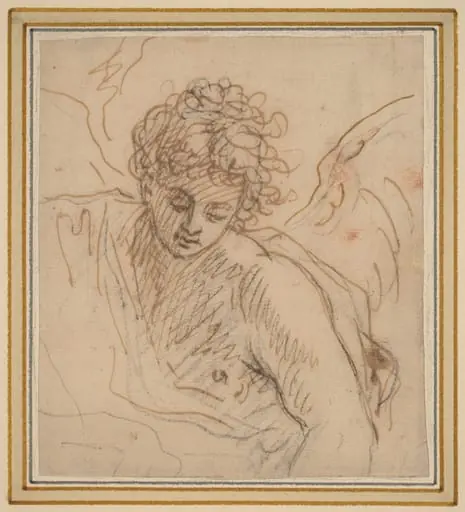 An Angel
 Untitled
![Studies of Figures [verso], by Anicet Charles Gabriel Lemonnier](https://artifactworldgallery.com/img/anicet-charles-gabriel-lemonnier--studies-of-figures-verso--2ae0ee2ea775e42c-w320.webp) Studies of Figures [verso]
Studies of Figures [verso]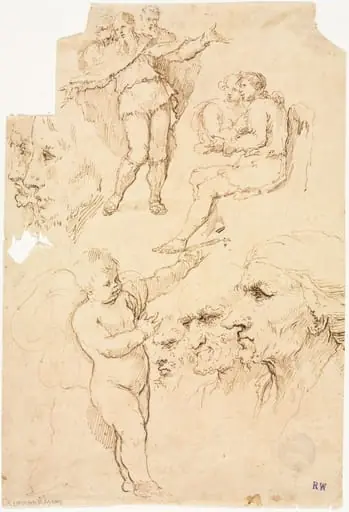 Sketches of Heads and Figures
 Studies of Female Nudes