Artwork
A House in Qabb Ilyas
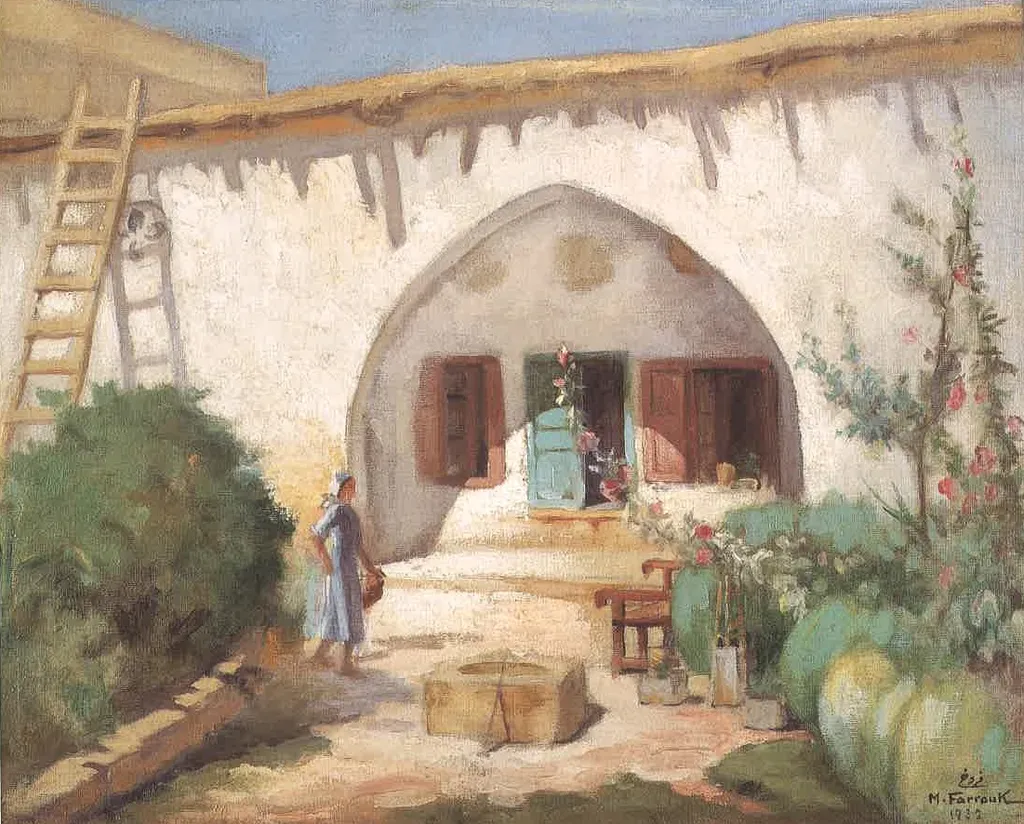
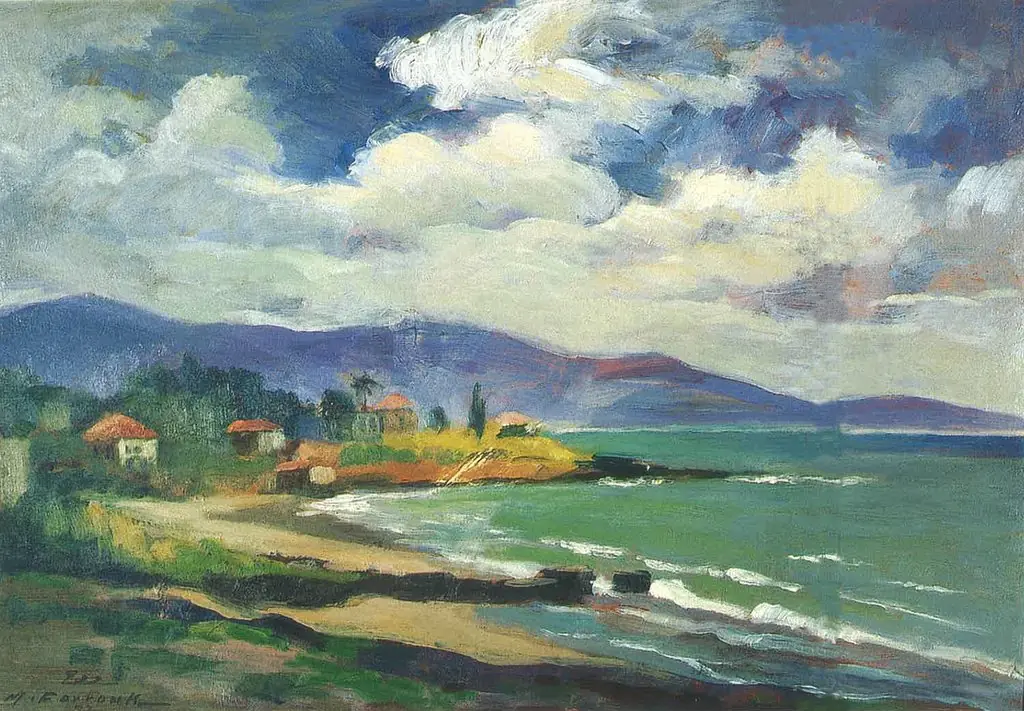
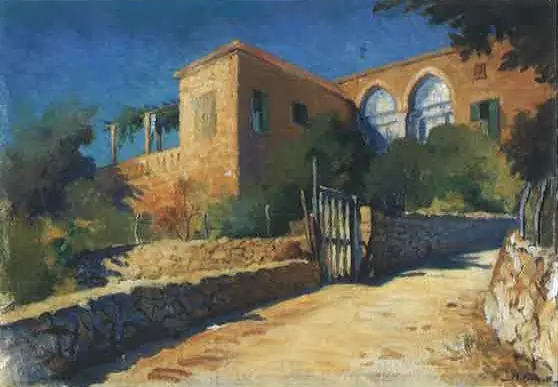
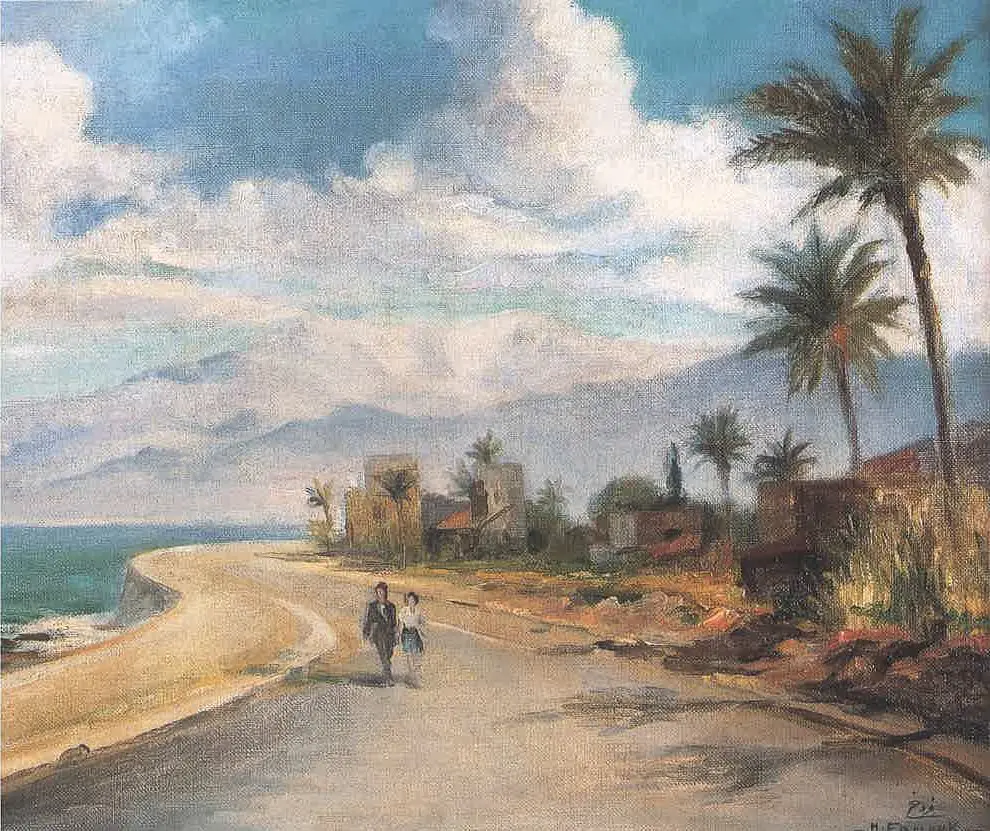
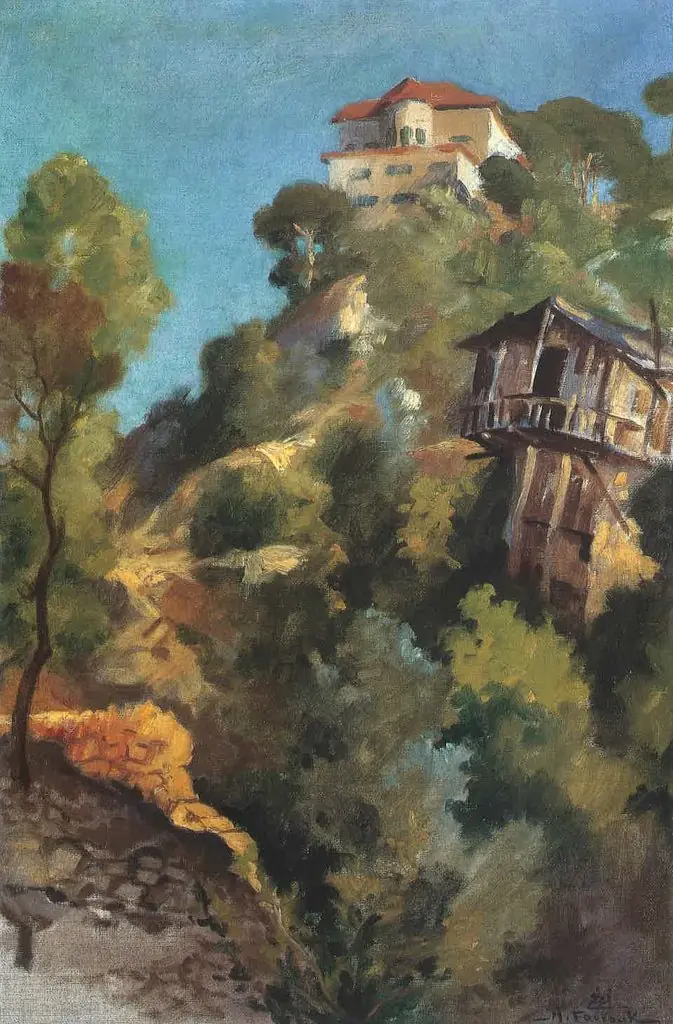
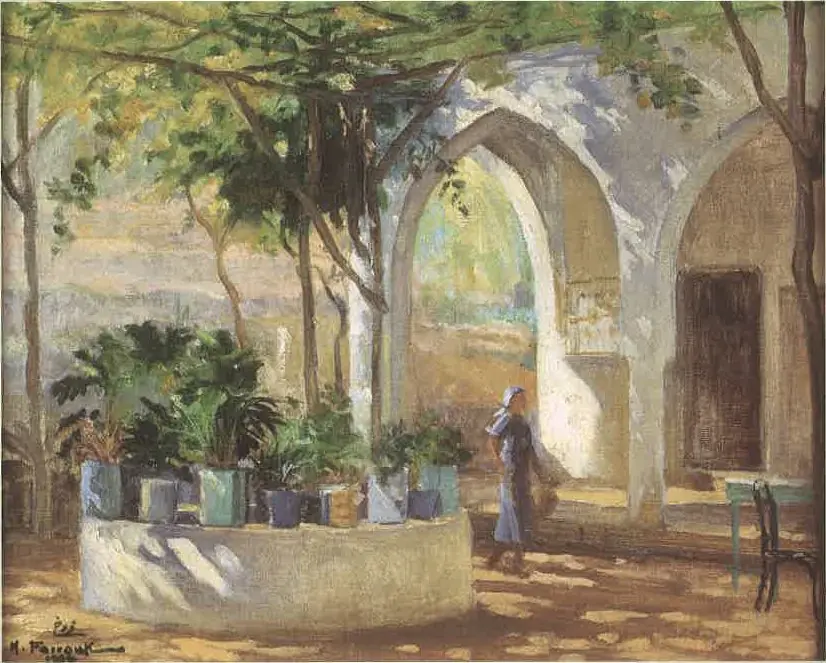
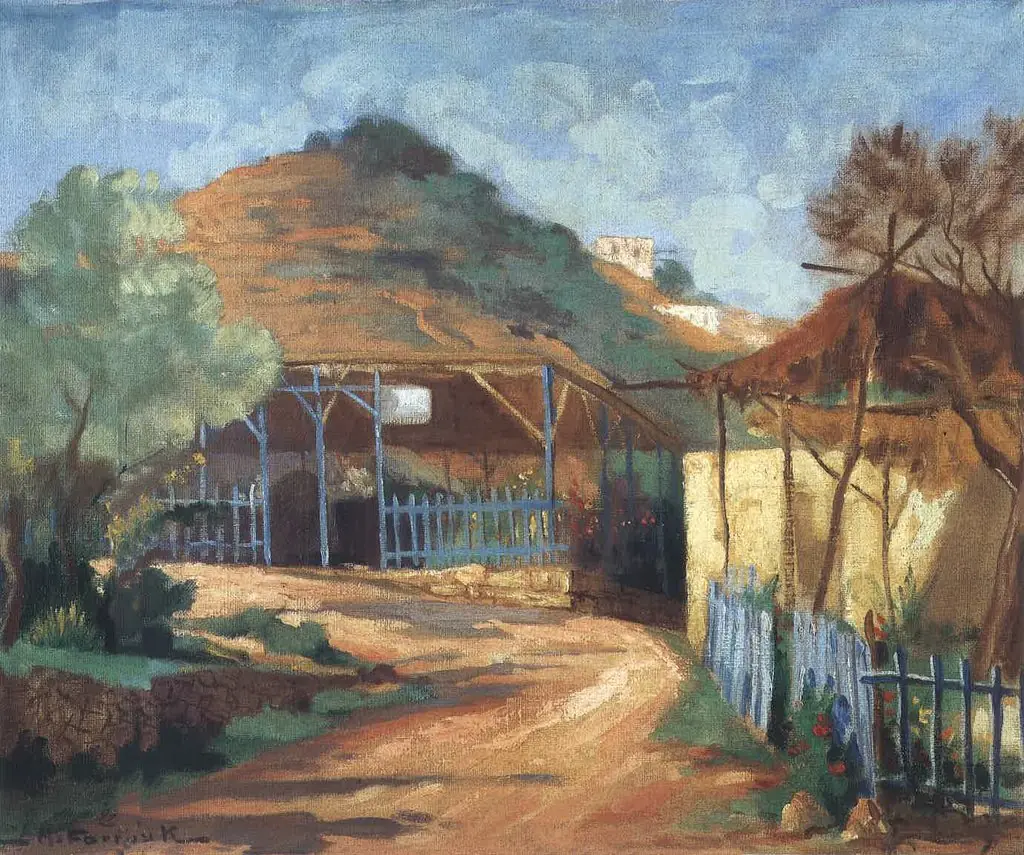
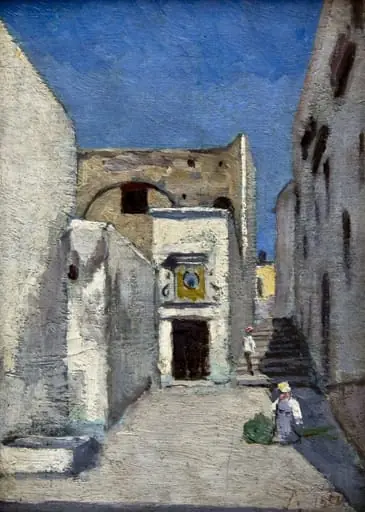
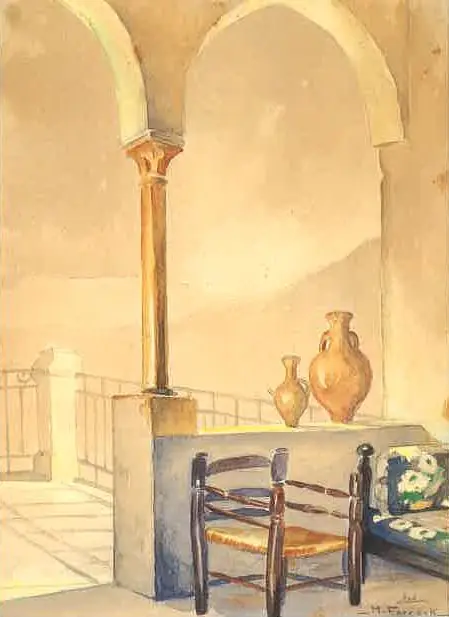
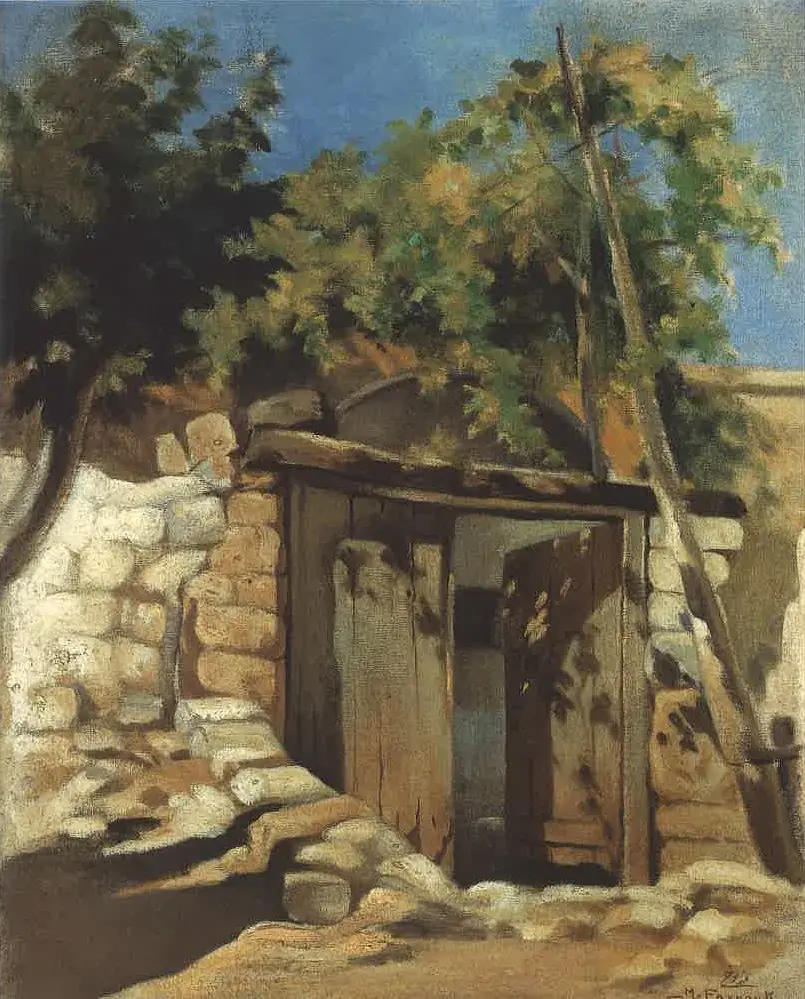
A House in Qabb Ilyas is an oil painting by Moustafa Farroukh. It dates from 1939 and is held in the collection of the Sursock Museum.
About this work
Overview
Painted around 1939 by Lebanese artist Moustafa Farroukh, *A House in Qabb Ilyas* is an oil-on-canvas landscape capturing a quiet rural scene.
Painted around 1939 by Lebanese artist Moustafa Farroukh, *A House in Qabb Ilyas* is an oil-on-canvas landscape capturing a quiet rural scene. It belongs to the Sursock Museum’s collection and reflects Farroukh’s broader engagement with Lebanese domestic life. Known for his extensive body of work—over two thousand paintings—and his literary contributions, Farroukh often turned to familiar surroundings for inspiration, grounding his art in the rhythms of everyday existence.
Subject & Meaning
The painting portrays a woman in a blue dress and headscarf standing beside a white, vaulted house, holding a basket. A ladder leans against a nearby well, suggesting daily chores and domestic routines. The scene avoids grandeur, instead emphasizing stillness and routine. The presence of the woman, the well, and the modest architecture together convey a sense of quiet resilience and continuity in rural Lebanese life, without overt symbolism or narrative.
Technique & Style
Farroukh employed oil paint to build layered, soft transitions between colors—deep greens for the foliage, warm whites for the house, and muted earth tones for the ground. Brushwork is deliberate but unobtrusive, favoring atmosphere over detail. The composition is balanced and open, with the house centered and the ladder diagonally guiding the eye. Light is diffused, enhancing the calm, timeless quality of the scene without dramatic contrast.
History & Provenance
Created in 1939, the painting entered the Sursock Museum’s collection, where it remains today. Farroukh, active during Lebanon’s formative decades as a modern state, produced this work amid a cultural shift toward documenting local identity. While no detailed record of its early ownership exists, its inclusion in a major national institution underscores its recognition as a representative example of mid-century Lebanese painting.
Context
In the late 1930s, Lebanon was under French mandate, and artists like Farroukh sought to define a visual language rooted in local life rather than European models. Rural scenes such as this one countered urban-centric narratives, offering intimate glimpses of village existence. The painting aligns with a broader regional trend of artists turning to domestic and agricultural settings as subjects worthy of serious artistic attention.
Legacy
Though not widely exhibited beyond Lebanon, *A House in Qabb Ilyas* contributes to the foundation of modern Lebanese art. Farroukh’s commitment to depicting ordinary life helped shape a national artistic identity. The painting endures as a quiet testament to the dignity of rural routines, influencing later generations who continued to explore the intersection of place, labor, and memory in Lebanese painting.
Artist & collection
Artist
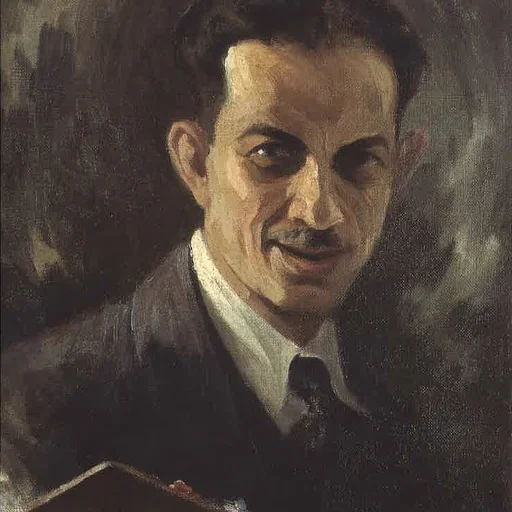
Moustafa Farroukh (Arabic: مصطفى فروخ; 1901 – 1957) was one of Lebanon's most prominent painters of the 20th century.