Artwork
Autoportrait (4)
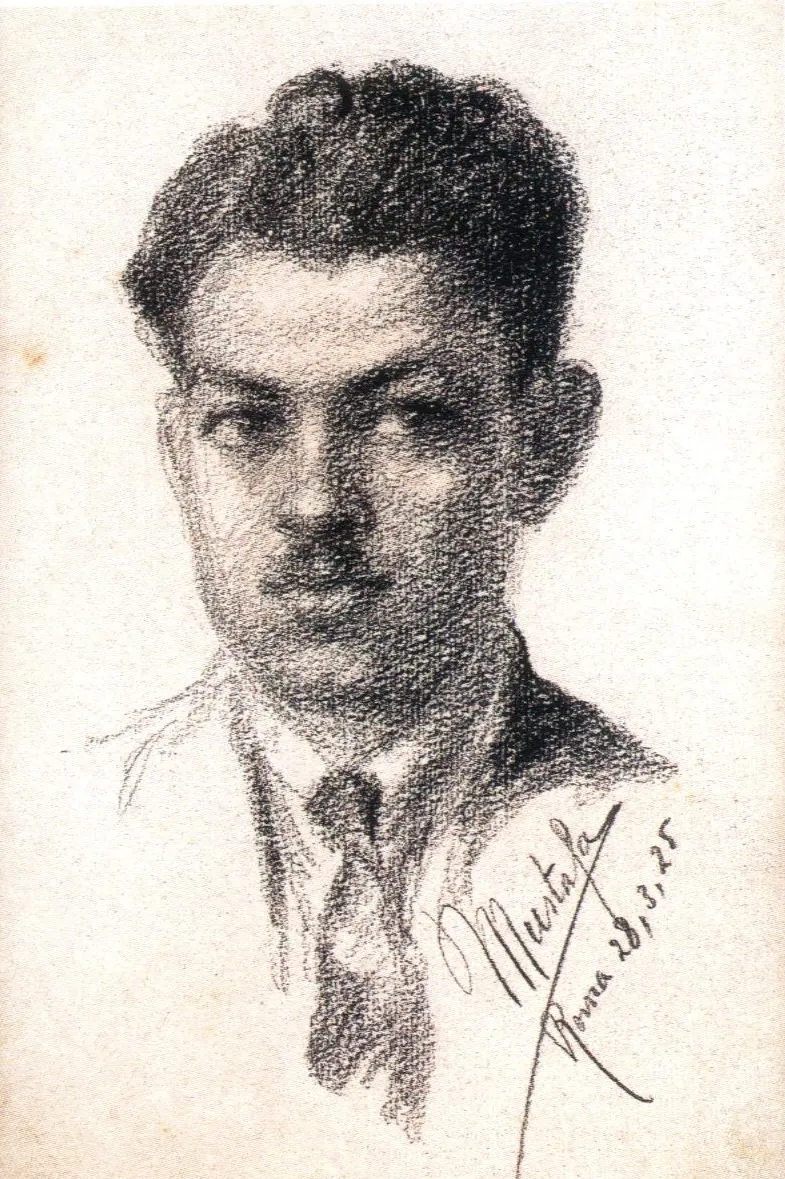
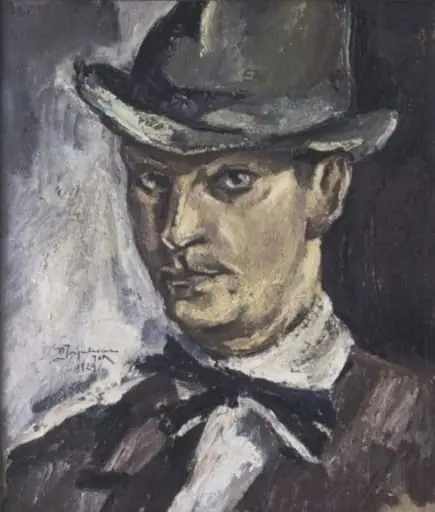
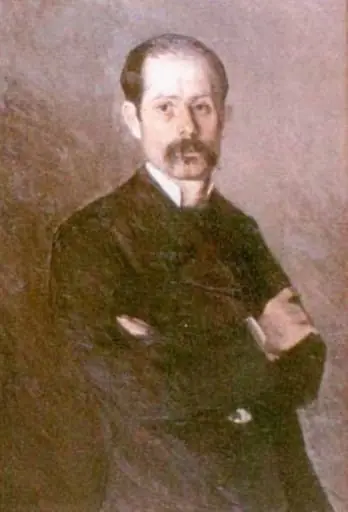
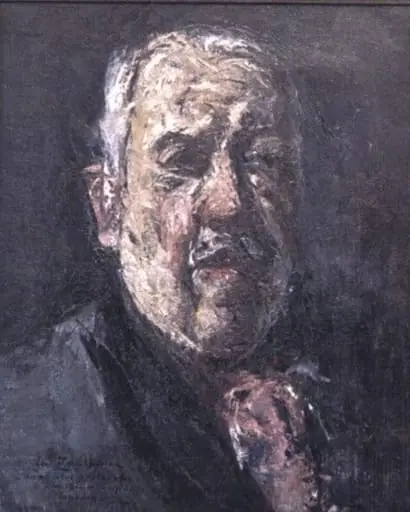
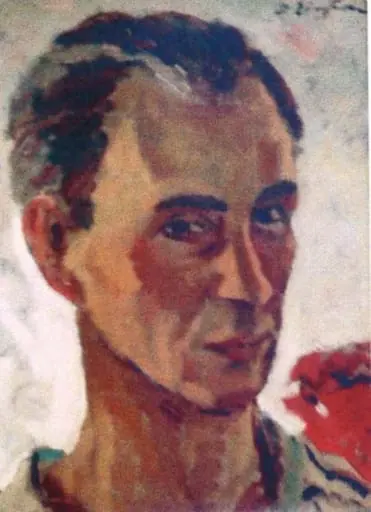
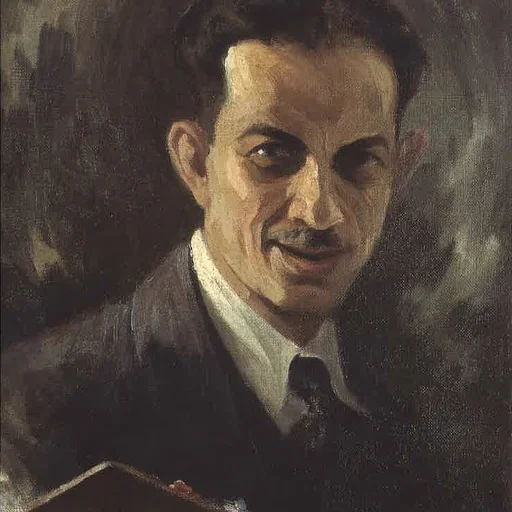
Autoportrait (4) is a charcoal painting by the Orientalist artist Moustafa Farroukh. It dates from 1939 and is held in the collection of the Sursock Museum.
About this work
Overview
Autoportrait (4) is a charcoal self-portrait created by Lebanese artist Moustafa Farroukh around 1939. Characterized by loose, expressive strokes and a monochromatic palette, the work focuses on the artist's face, with direct eye contact engaging the viewer.
Subject & Meaning
The subject is Moustafa Farroukh himself, portrayed with defined facial features, dark, disheveled hair, and an intense, direct gaze. The piece conveys a sense of dynamic energy through its expressive charcoal marks.
Technique & Style
Executed in charcoal, the portrait exploits the medium's potential for soft, nuanced textures. The loose, gestural strokes imbue the work with a sense of spontaneity and movement, reflecting Farroukh's expressive approach.
History & Provenance
Created circa 1939, Autoportrait (4) is part of the Sursock Museum's collection. While associated with the Orientalism movement, the work's emphasis on the artist's personal portrayal sets it apart from typical Orientalist themes.
Context
As one of over 2,000 works by the prolific Farroukh, this self-portrait reflects his contribution to 20th-century Lebanese art. Its creation during the late 1930s situates it within a period of artistic flourishing in the region.
Legacy
Autoportrait (4) contributes to Moustafa Farroukh's legacy as a leading Lebanese painter of the 20th century, showcasing his technical skill with charcoal and his capacity for introspective, expressive portraiture.
Artist & collection
Artist
Moustafa Farroukh (Arabic: مصطفى فروخ; 1901 – 1957) was one of Lebanon's most prominent painters of the 20th century.