Artwork
Jounieh's Bey
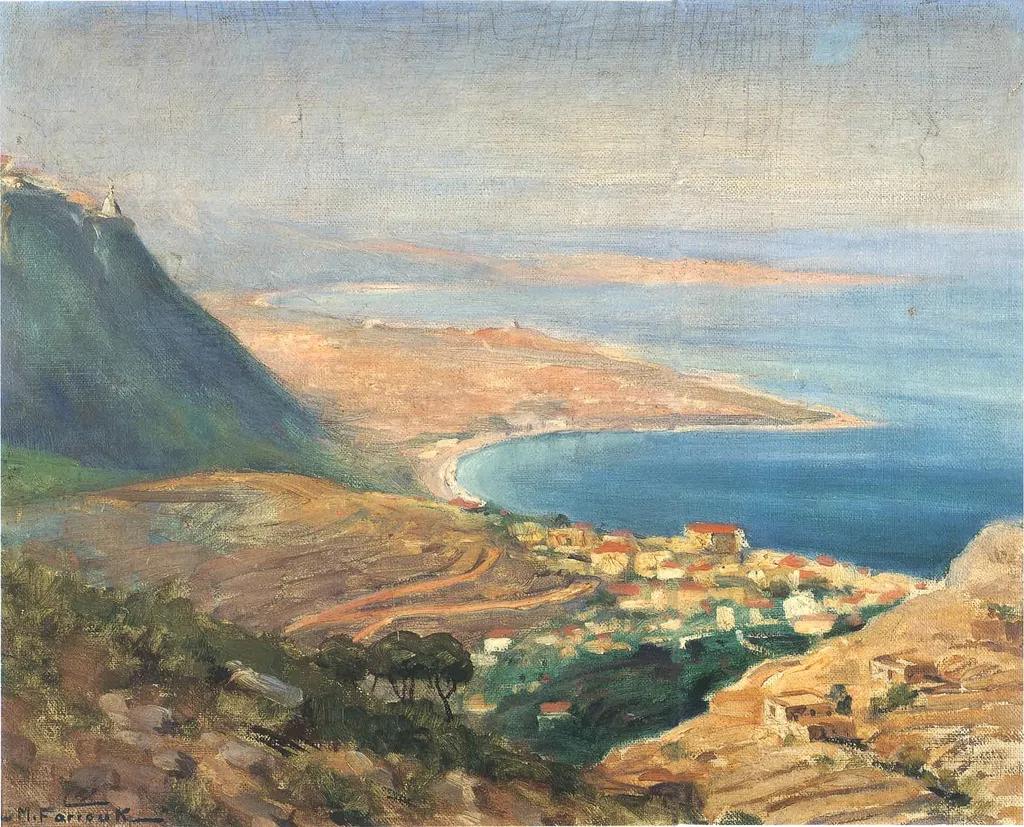
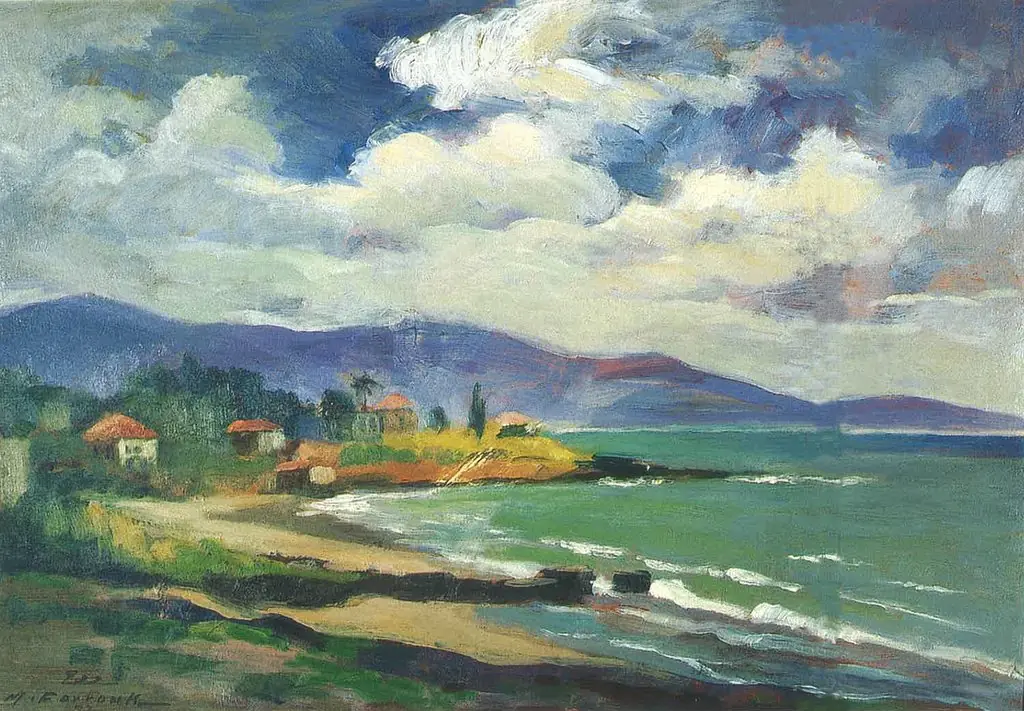
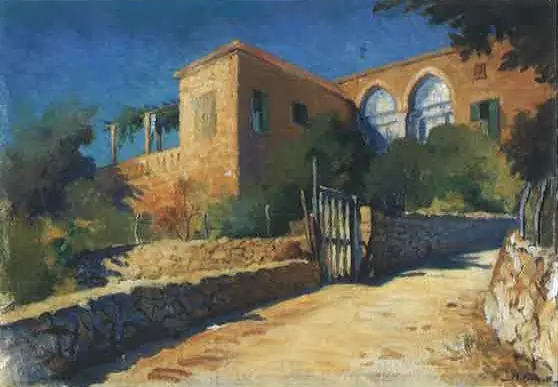
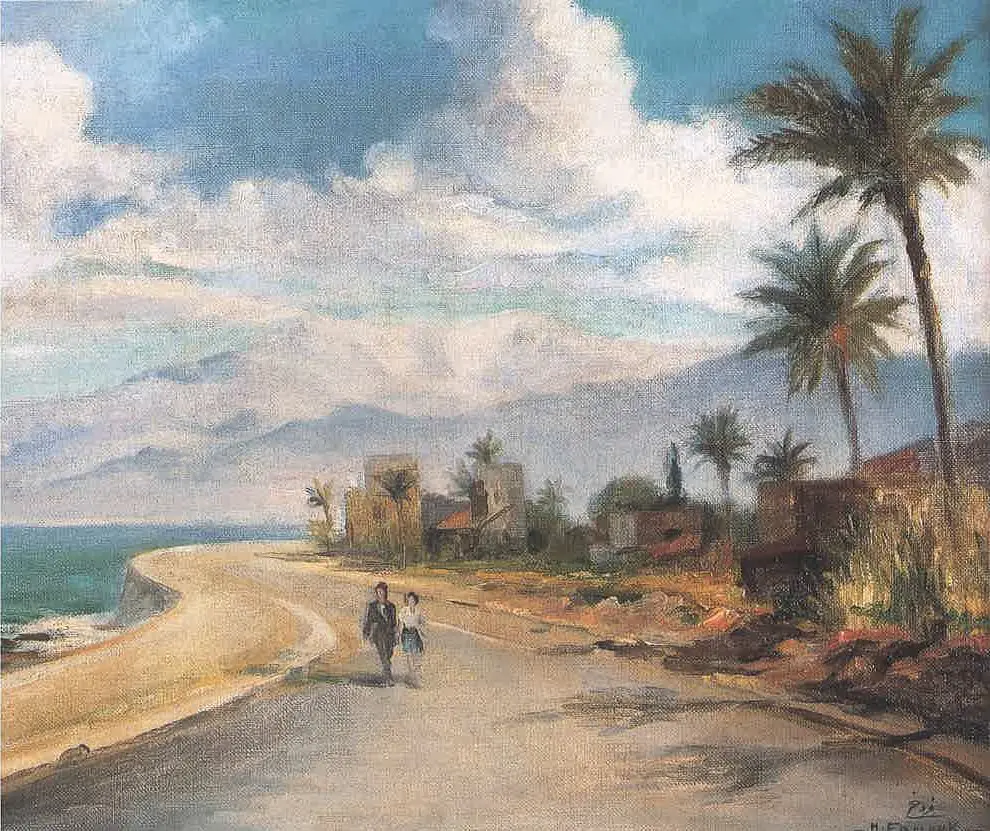
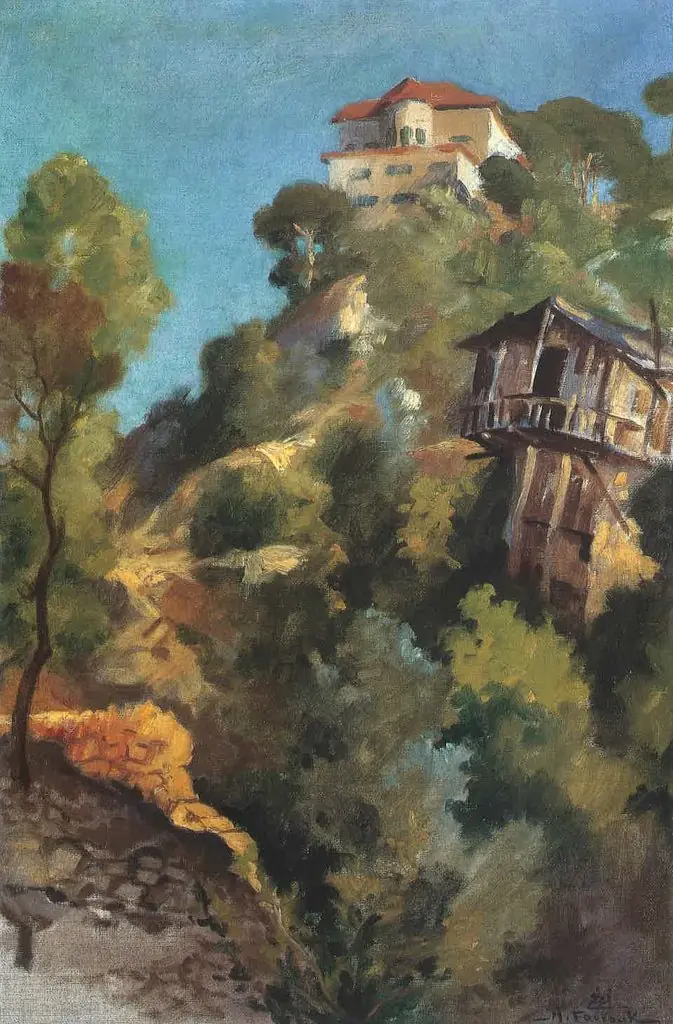
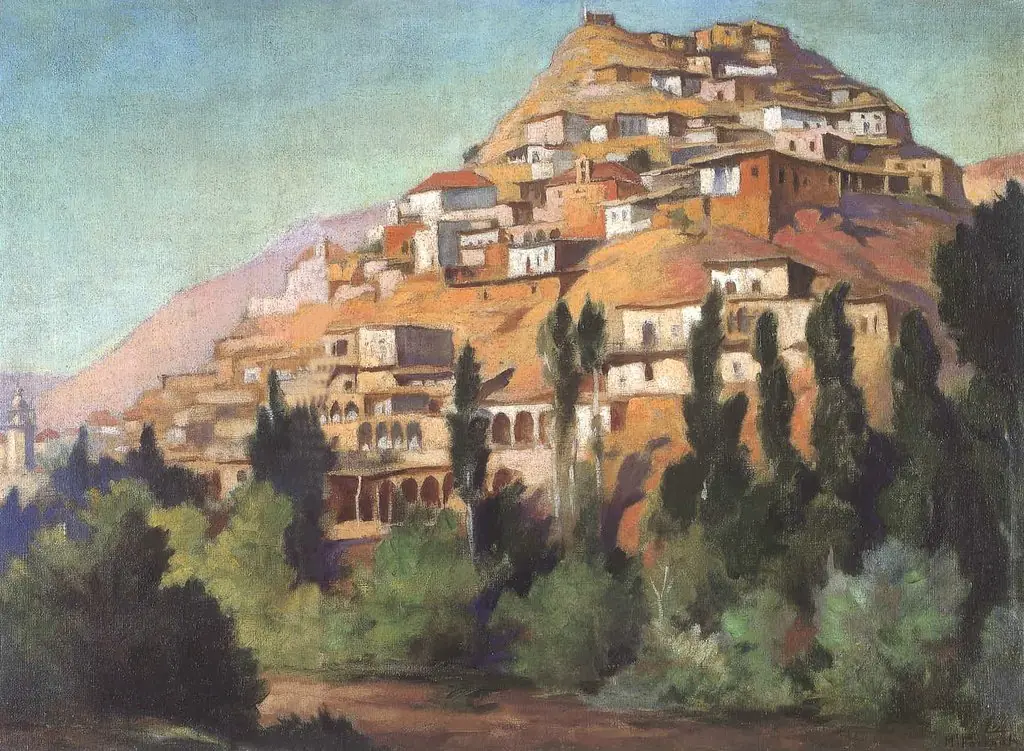
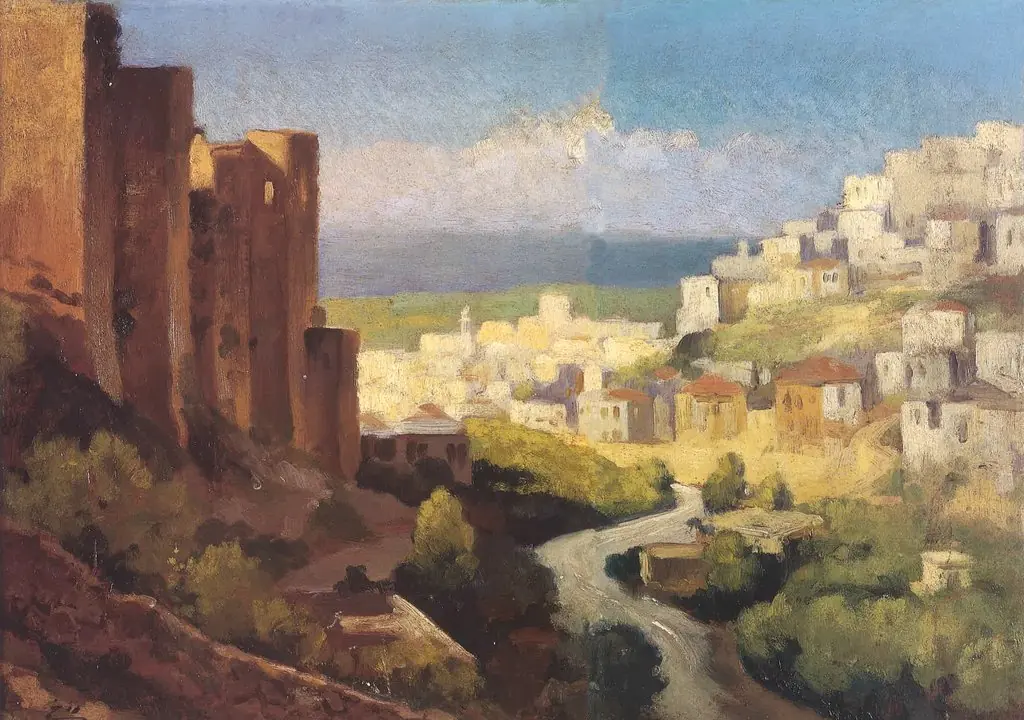
Jounieh's Bey is an oil painting by Moustafa Farroukh. It dates from 1939 and is held in the collection of the Sursock Museum.
About this work
Overview
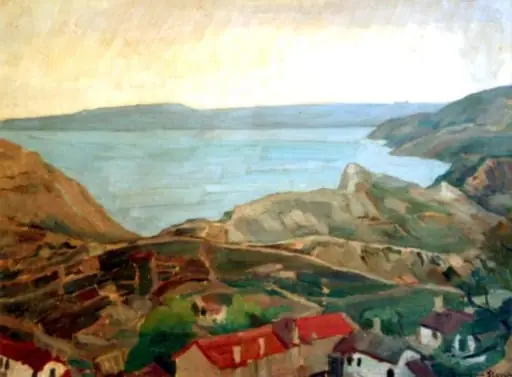
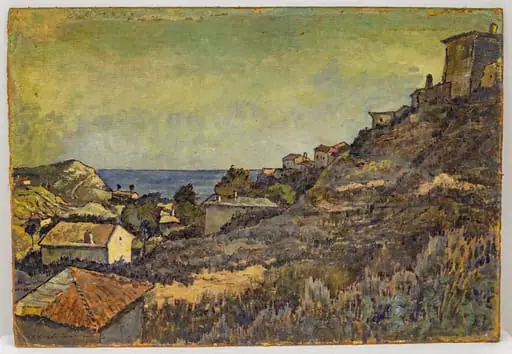
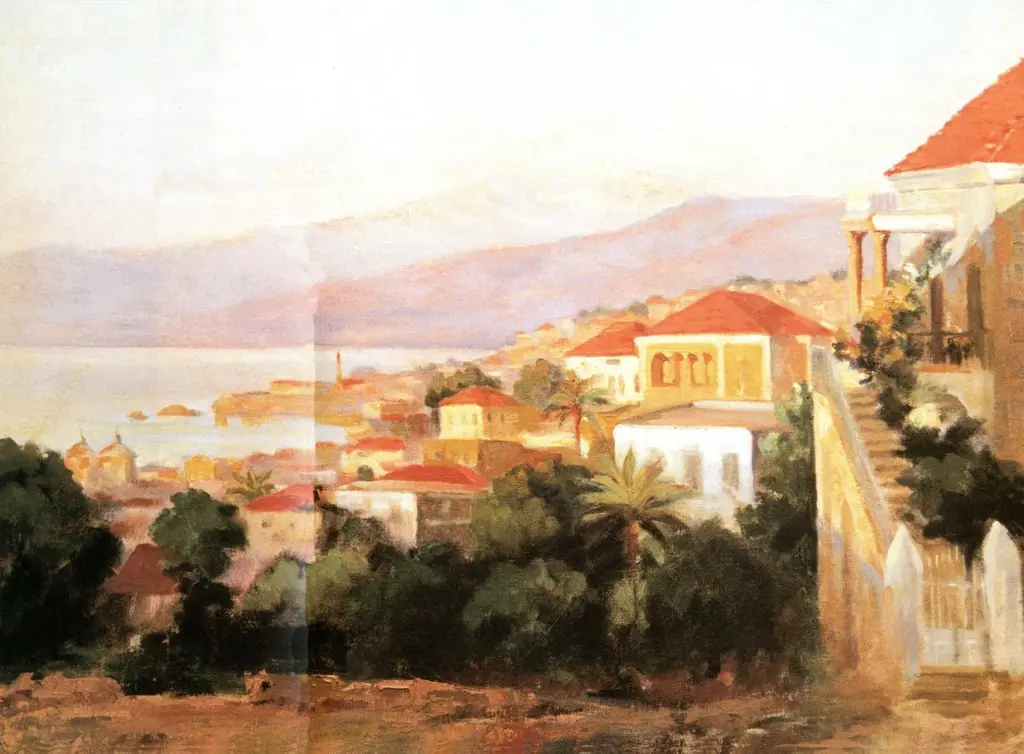
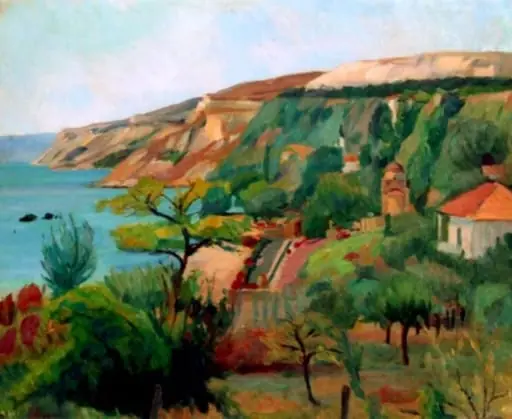
Created circa 1939 by Lebanese painter Moustafa Farroukh, *Jounieh’s Bey* is a modestly sized landscape executed on plywood. The composition presents a tranquil coastal scene that balances natural and built elements, inviting the viewer to follow a gentle visual rhythm from the dark‑green hills on the left, through the red‑tiled town, to the blue expanse of water on the right.
Subject & Meaning
The work captures the Mediterranean town of Jounadie, highlighting its characteristic stone pines, modest residential architecture, and the adjacent gulf. By placing the settlement between a verdant mountain and calm sea, Farroukh emphasizes the harmony between human habitation and the surrounding landscape, evoking a sense of peaceful coexistence.
Technique & Style
Farroukh applied oil paint to a plywood panel, a choice that offers a smooth, rigid surface distinct from canvas. His palette relies on muted greens, blues, and warm reds, while the composition employs a clear foreground‑middle‑background structure. The restrained brushwork and balanced tonal contrasts reflect his broader modernist approach, tempered by a lyrical representation of place.
History & Provenance
The painting forms part of the Sursock Museum’s permanent collection, where it has been displayed as an example of early 20th‑century Lebanese art. Farroukh, whose oeuvre exceeds two thousand canvases and includes several published works, produced *Jounieh’s Bey* during a prolific period that solidified his reputation within the regional artistic community.
Artist & collection
Artist
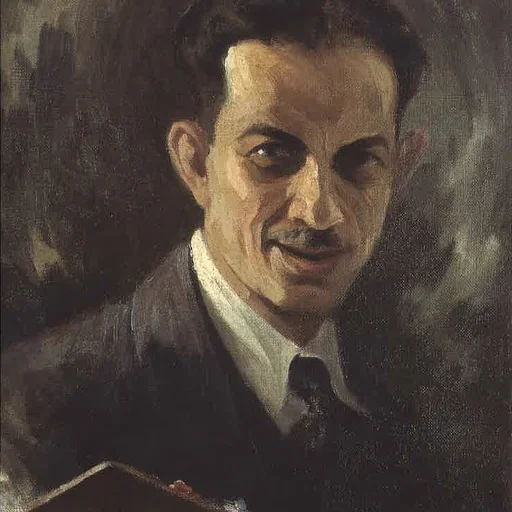
Moustafa Farroukh (Arabic: مصطفى فروخ; 1901 – 1957) was one of Lebanon's most prominent painters of the 20th century.