Artwork
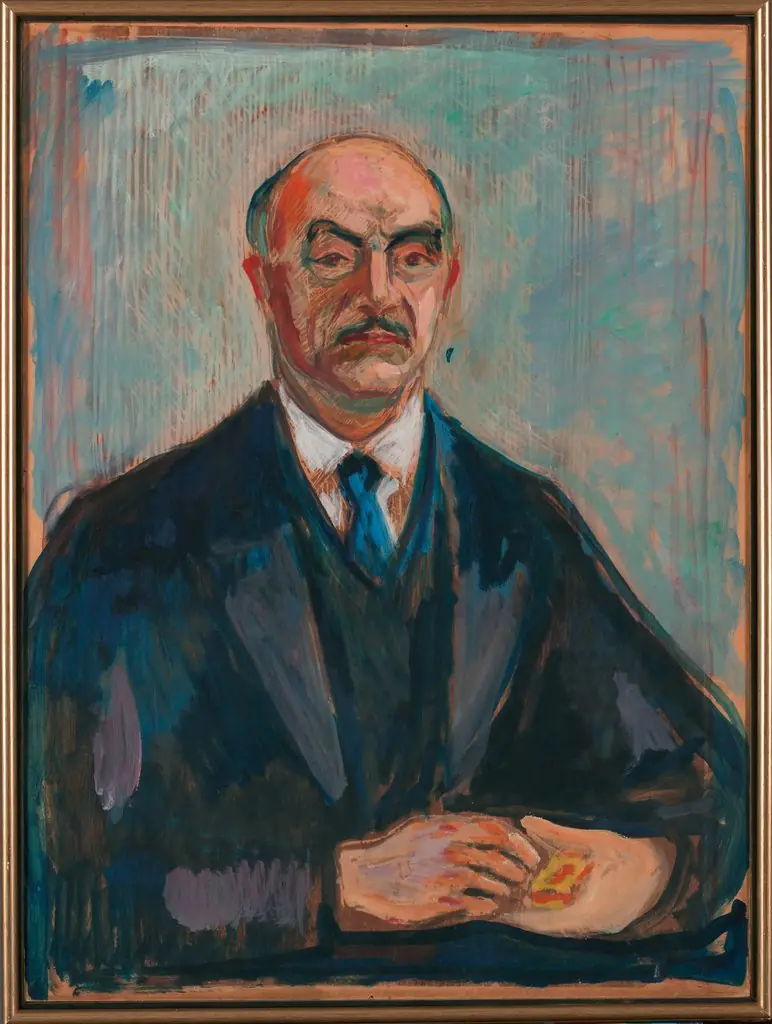
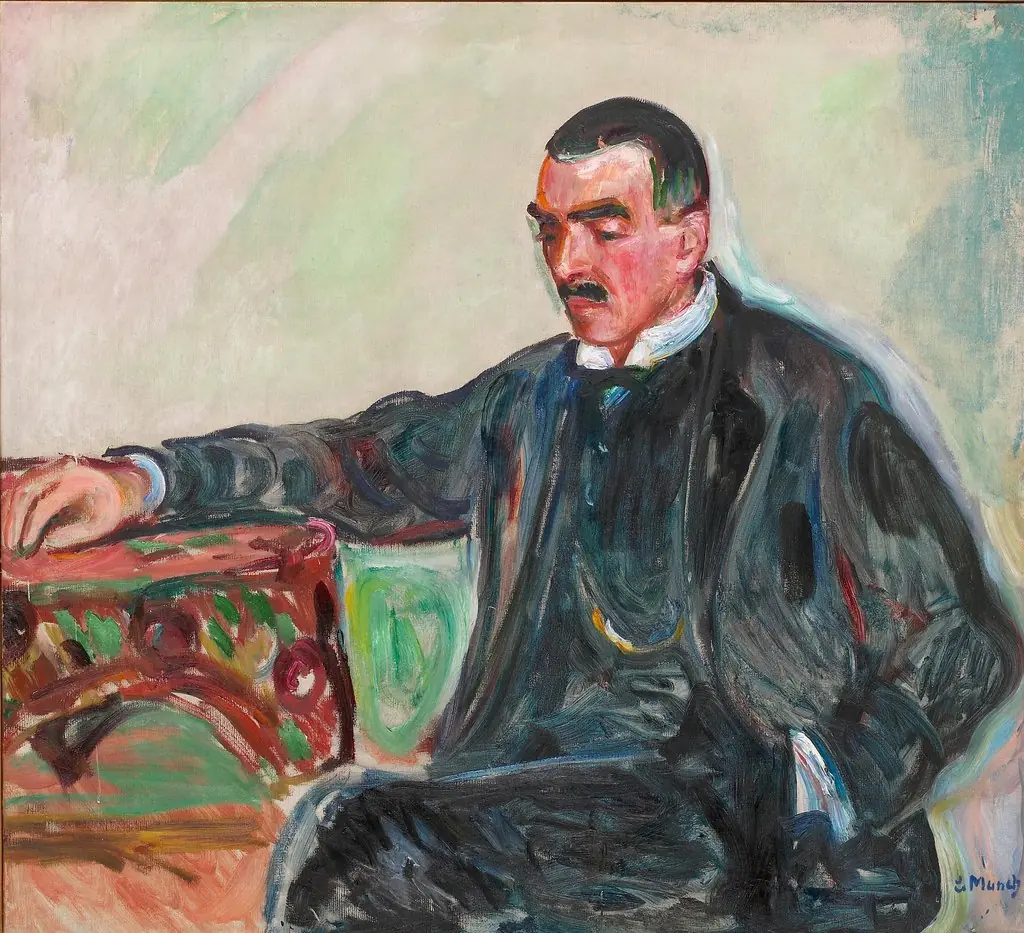
Gustaf Schieflerin muotokuva
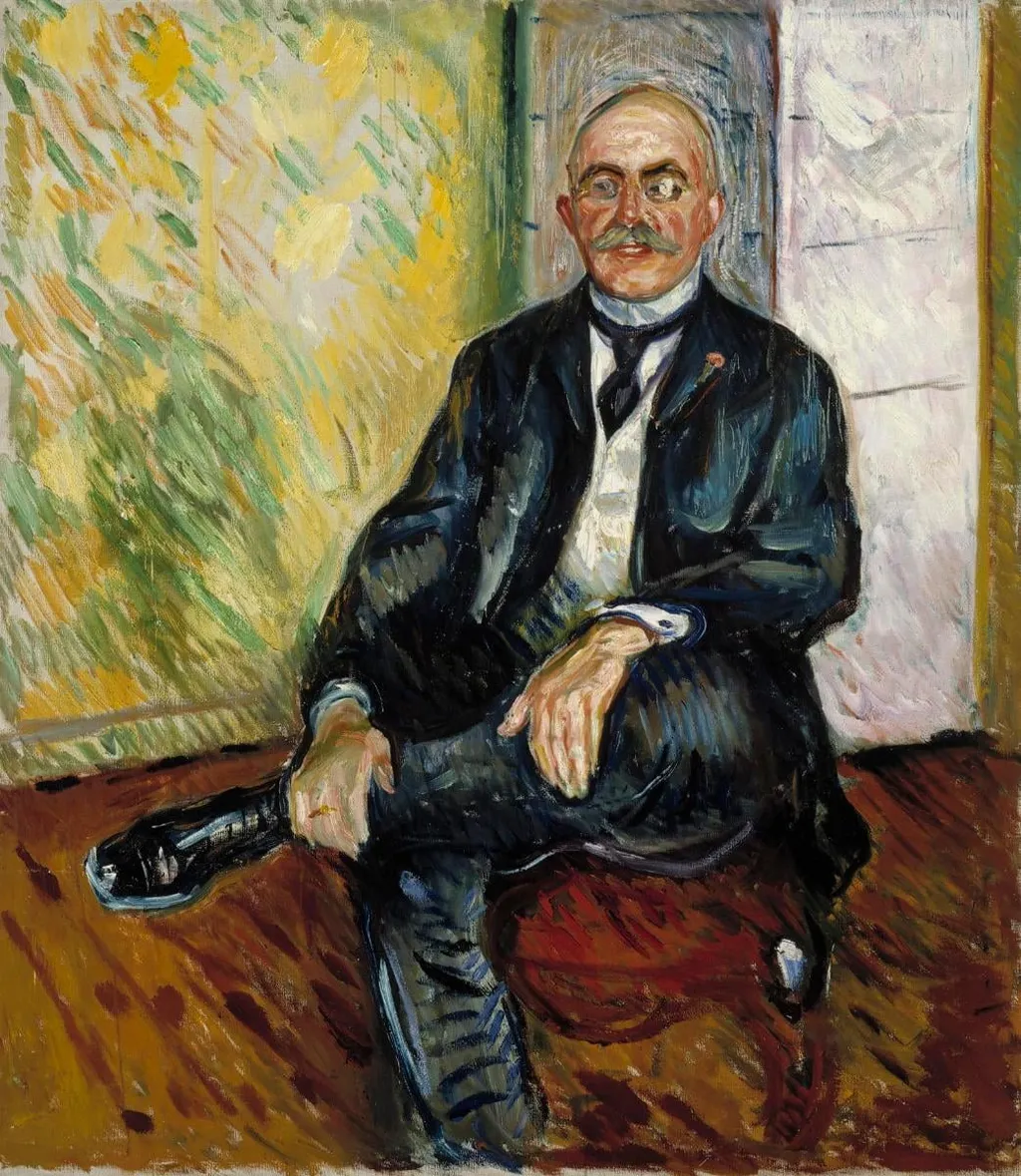
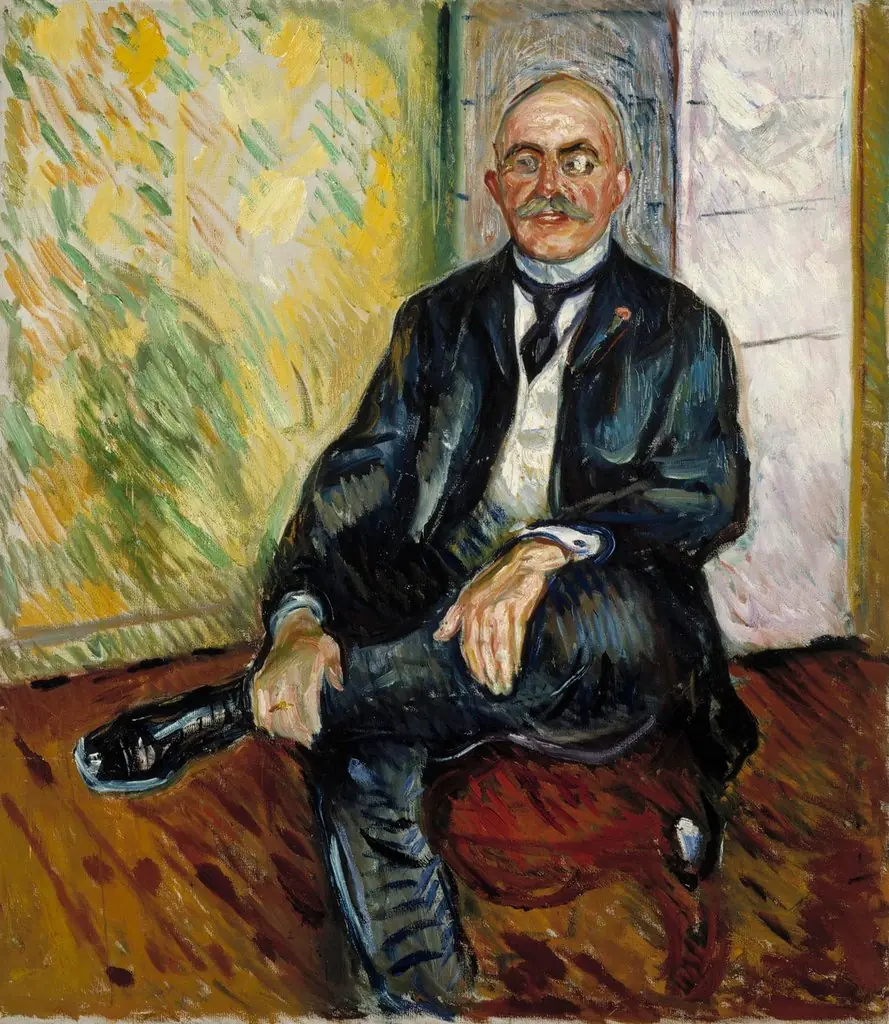
Gustaf Schieflerin muotokuva is an unspecified painting by the Post-Impressionist artist Edvard Munch. It dates from 1913 and is held in the collection of the Finnish National Gallery.
About this work
Overview
Munch’s focus lies not in idealized likeness but in psychological presence, conveyed through deliberate visual tension and material texture.
Painted around 1913, this portrait by Edvard Munch depicts Gustaf Schiefler, a Norwegian businessman and acquaintance of the artist. The figure sits rigidly on a simple stool in a confined interior, rendered with minimal furniture and ambiguous spatial depth. Munch’s focus lies not in idealized likeness but in psychological presence, conveyed through deliberate visual tension and material texture.
Subject & Meaning
Schiefler is portrayed as a reserved, middle-aged man in formal attire, his posture stiff and hands clasped. The absence of expressive gesture or emotional cue suggests introspection or emotional distance. Munch’s choice to isolate the subject in a cluttered, non-descript space amplifies a sense of solitude, aligning with broader themes of alienation present in his later work.
Technique & Style
Munch employed thick, layered impasto to construct the background, using vigorous brushwork in uneven hues of yellow, green, and white. The walls appear chaotic and unresolved, contrasting with the smoother, more controlled rendering of the figure’s clothing and face. This juxtaposition emphasizes the subject’s containment within an unstable, almost oppressive environment.
History & Provenance
The portrait was painted during Munch’s time in Norway, following his return from Berlin. Schiefler, a local industrialist, was among the patrons and acquaintances Munch encountered in his later years. The painting remained in private Norwegian collections until its acquisition by the National Museum of Norway, where it is now held as part of the artist’s late-period oeuvre.
Context
Created during a period when Munch was increasingly focused on psychological portraiture, this work reflects his shift away from symbolic narratives toward intimate, psychologically charged depictions of individuals. The roughness of the background and the subject’s restrained demeanor echo contemporary anxieties about identity and modernity in early 20th-century Scandinavia.
Legacy
Though less widely known than Munch’s earlier works, this portrait exemplifies his mature approach to human representation—emphasizing emotional resonance over physical accuracy. Its raw technique and subdued palette influenced later Norwegian realists and contributed to a broader reevaluation of portraiture as a vehicle for inner life rather than social status.
Artist & collection
Artist
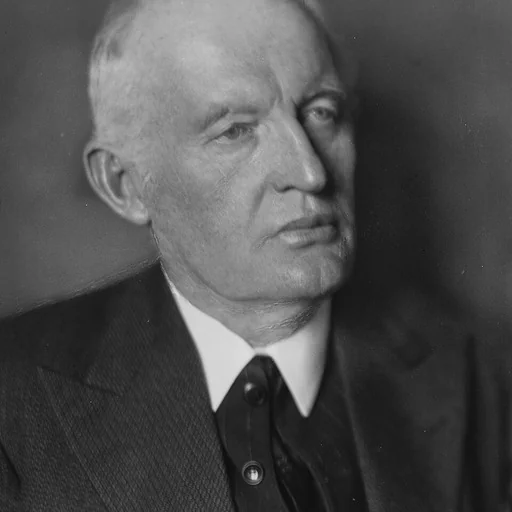
Edvard Munch ( MUUNK; Norwegian: ; 12 December 1863 – 23 January 1944) was a Norwegian painter.

 Gustav Schiefler
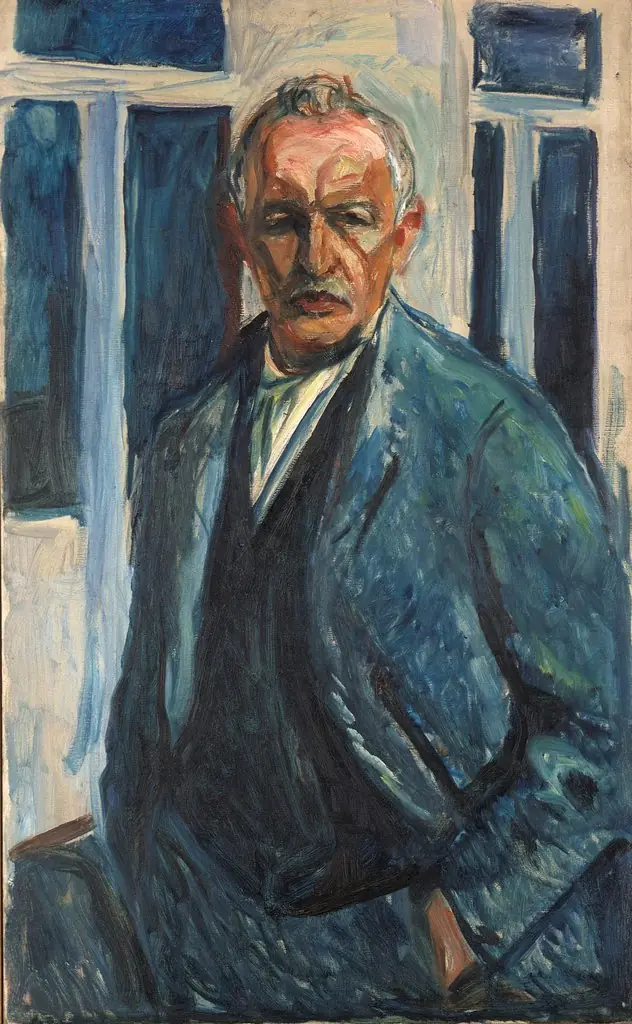 Self-Portrait with Hands in Pockets
 Fritz H. Frølich
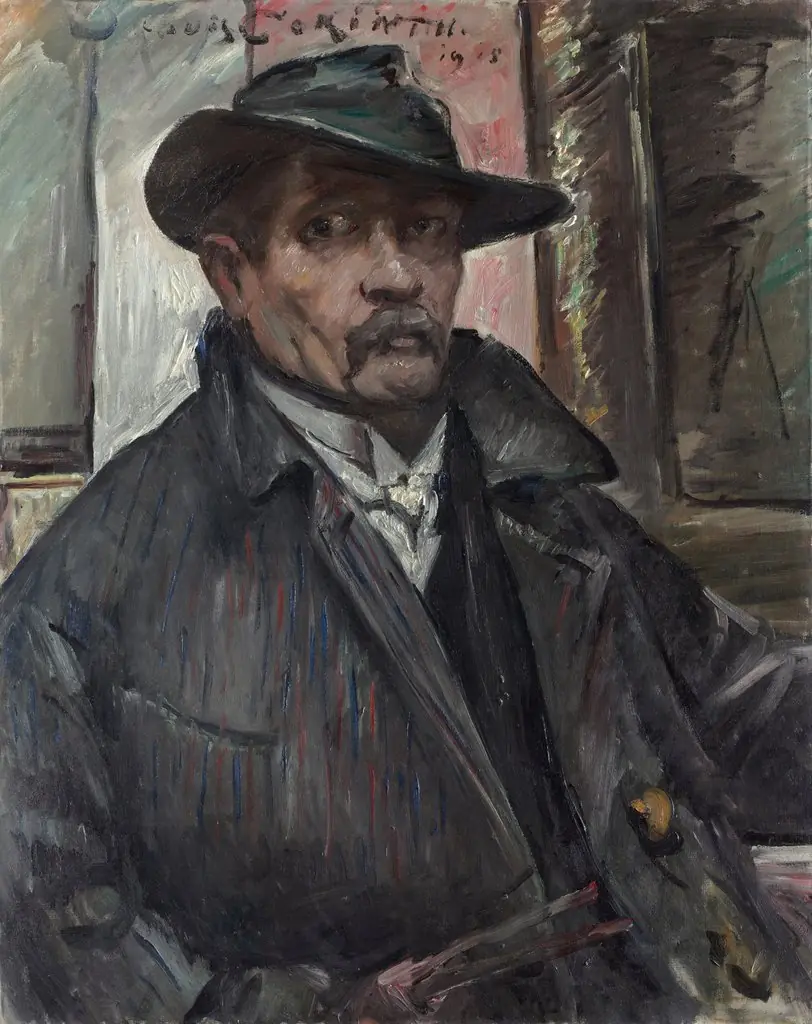 Self-Portrait with Hat and Coat
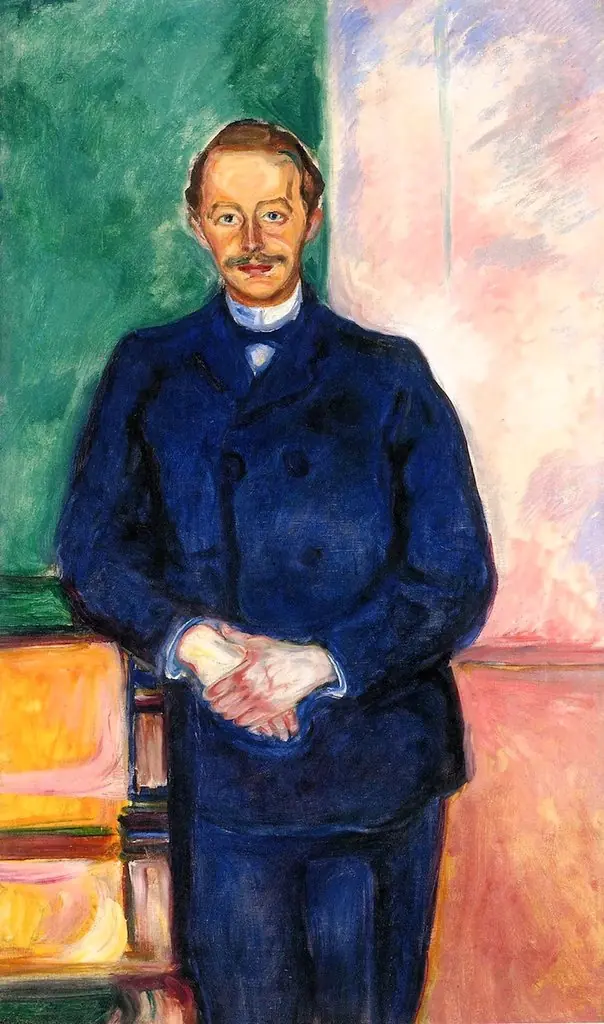 Max Linde in Sailing Outfit
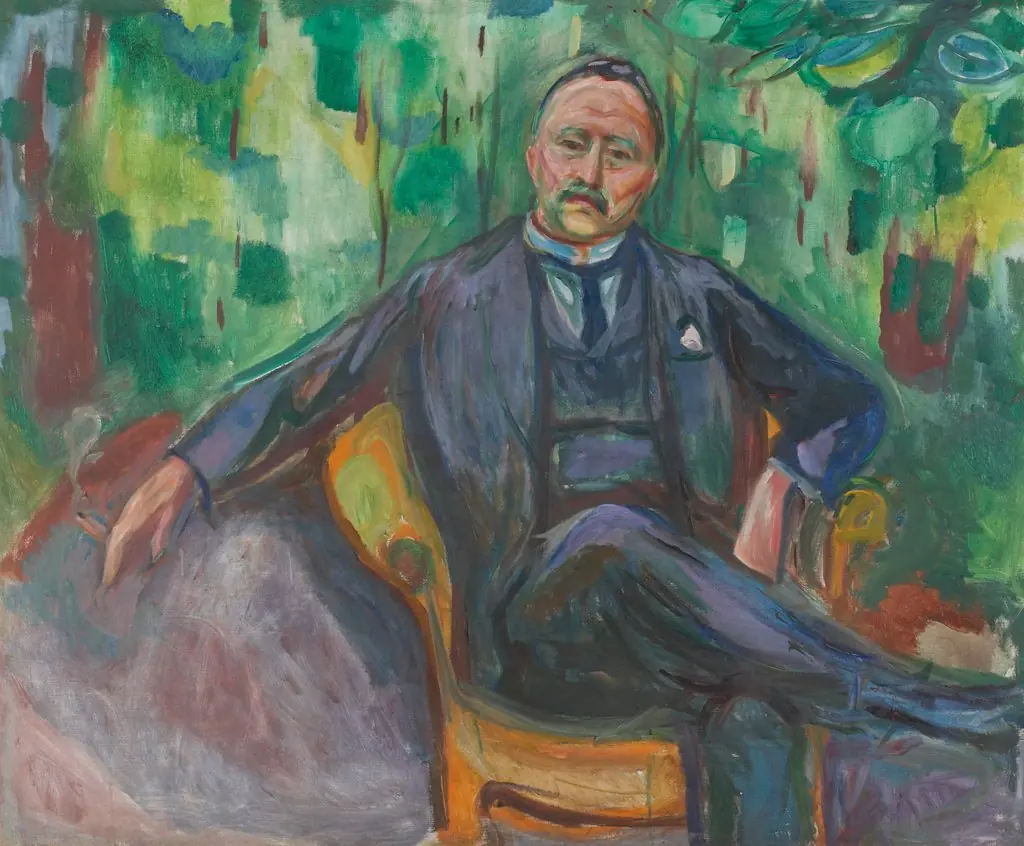 Heinrich C. Hudtwalcker
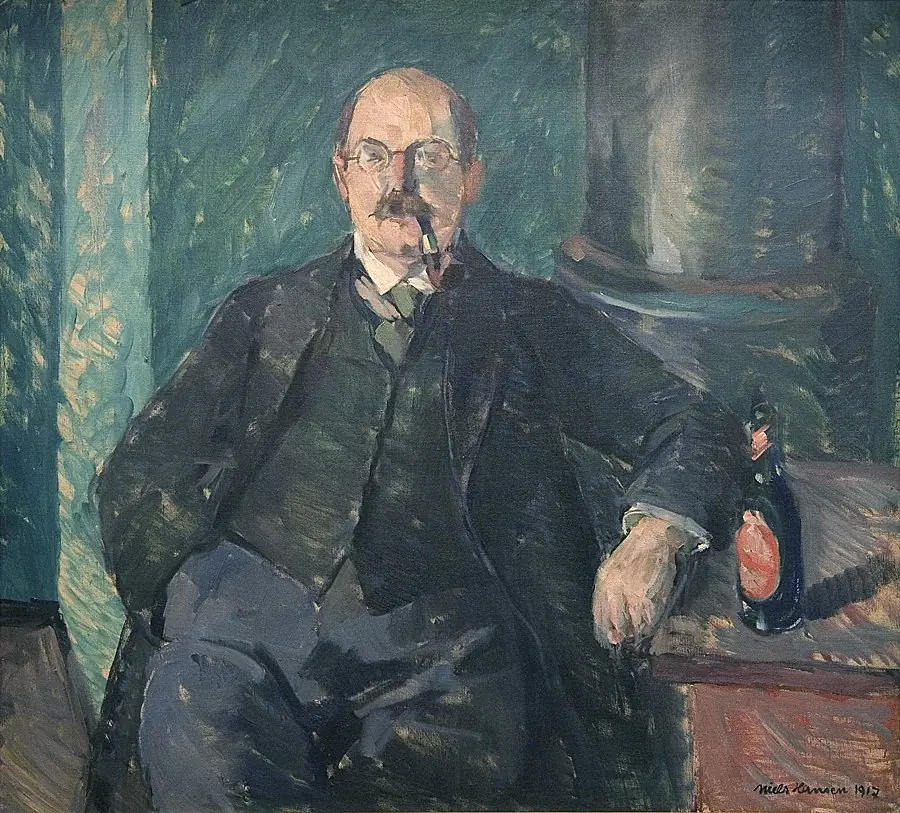 Niels Fischer
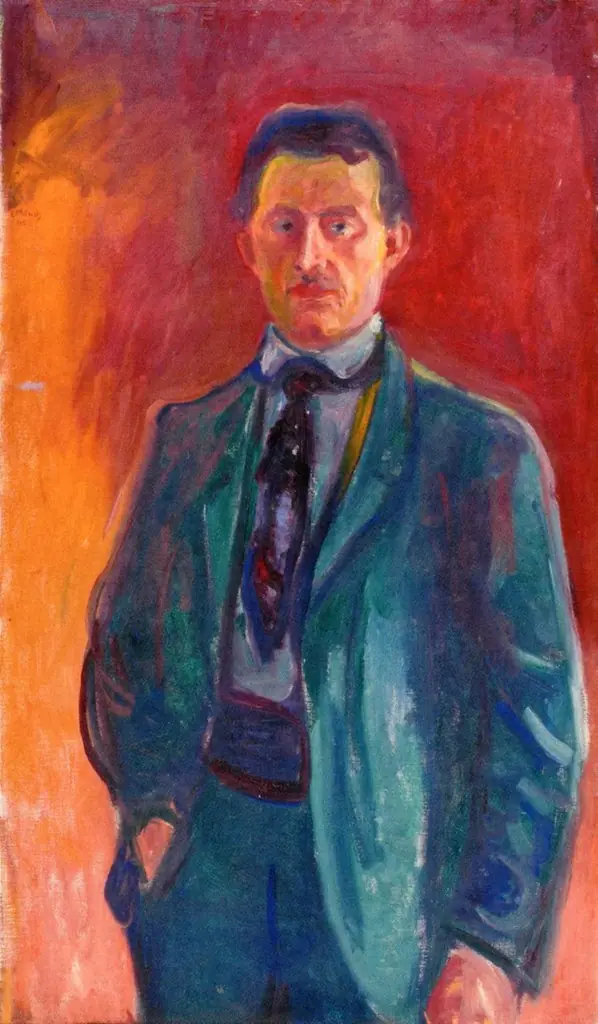 Self-Portrait against Red Background
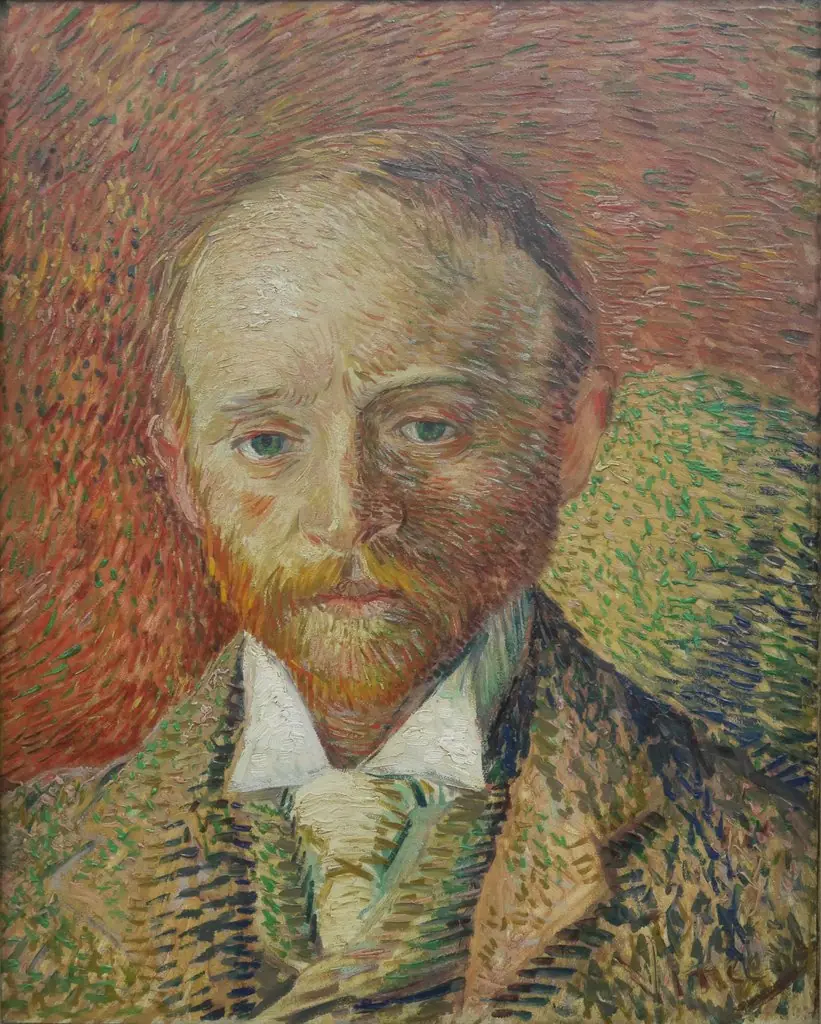 Portrait of Alexander Reid
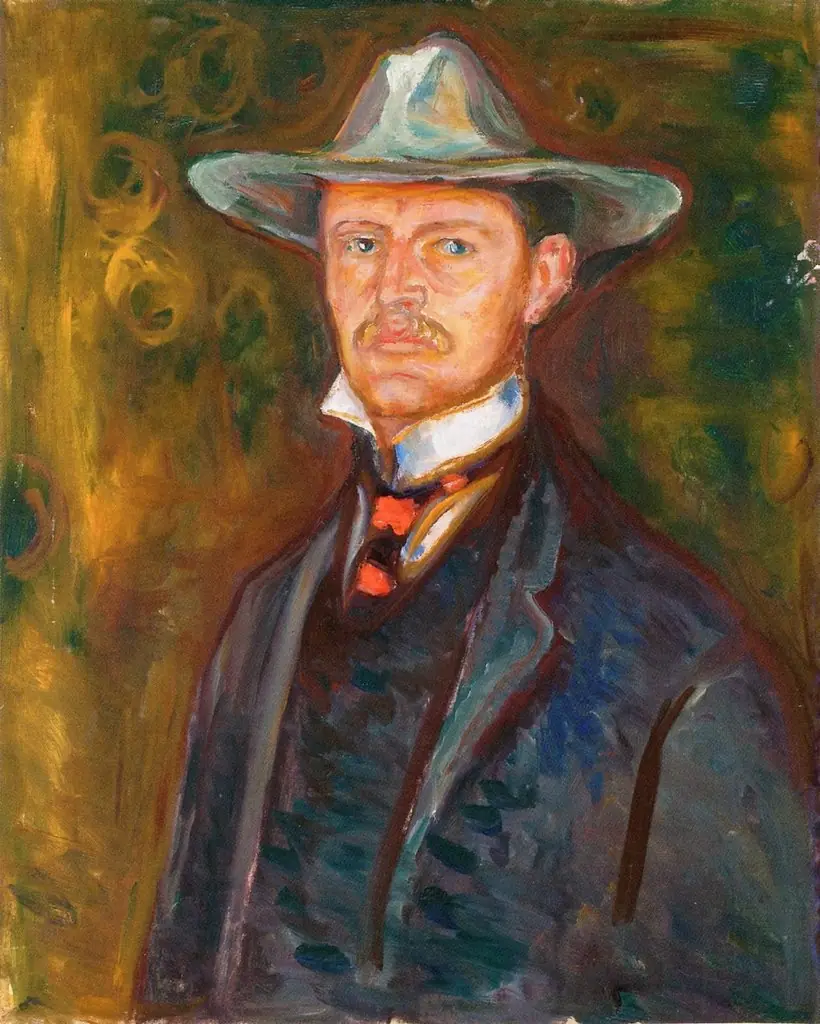 Self-Portrait in Broad Brimmed Hat
 Jappe Nilssen
 Portrait of Painter Marcin Samlicki