Artwork
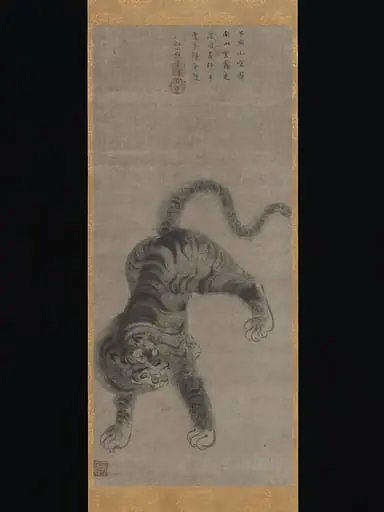
작자미상 용과 호랑이 조선 또는 일본 (에도)|簋簅痡萳 樻虎圖 朝鮮 日本 江戶|Tiger
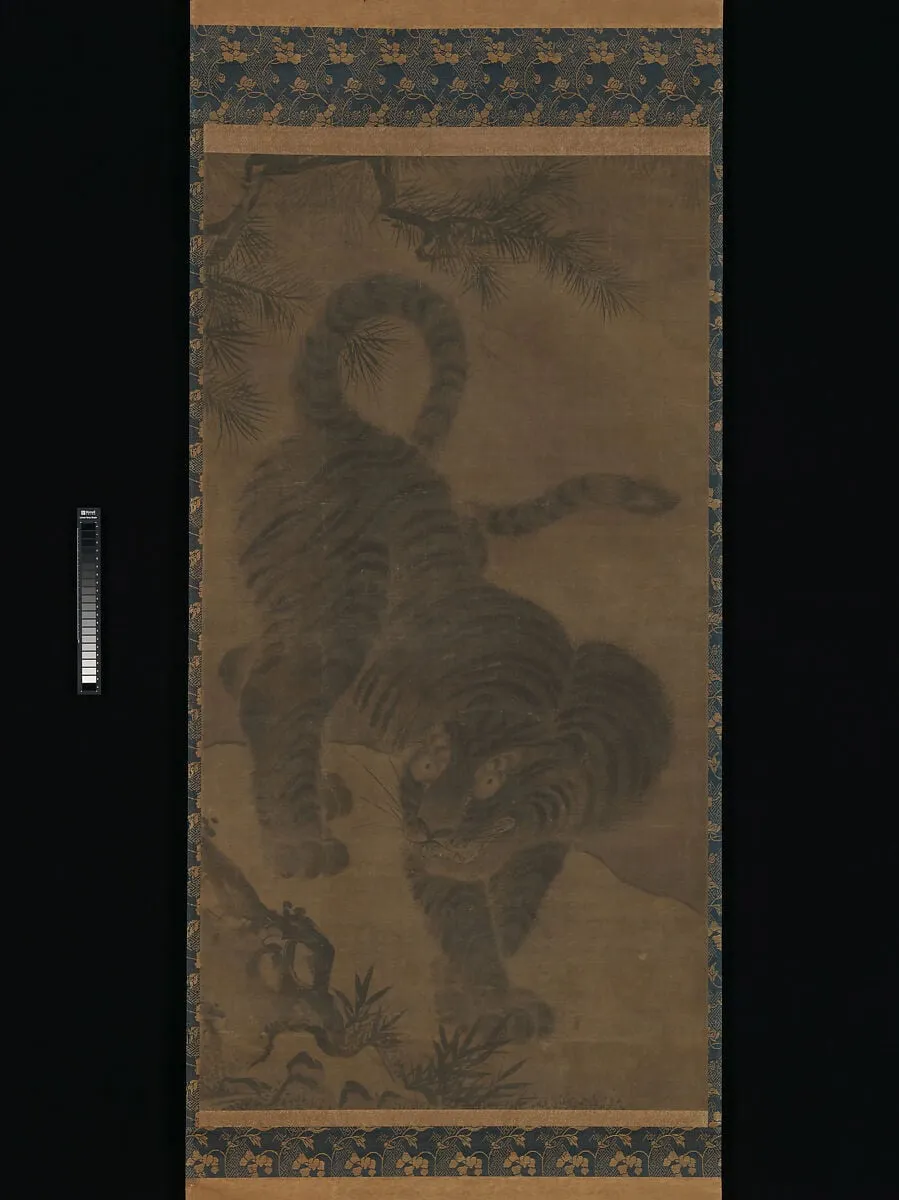
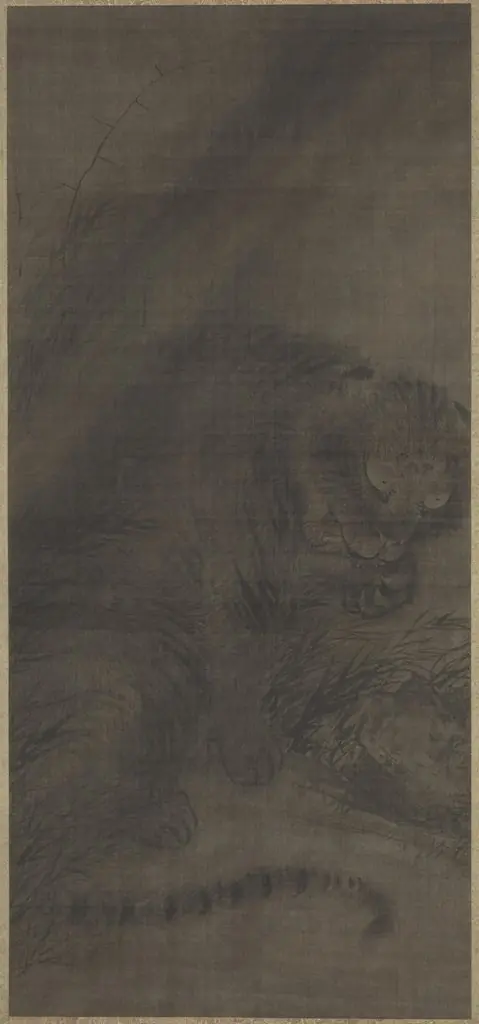
작자미상 용과 호랑이 조선 또는 일본 (에도)|簋簅痡萳 樻虎圖 朝鮮 日本 江戶|Tiger is an ink painting by the Ming dynasty painting artist Muqi. It is held in the collection of the Metropolitan Museum of Art. A hanging scroll executed in ink on silk presents a solitary tiger perched on a rock.
About this work
Overview
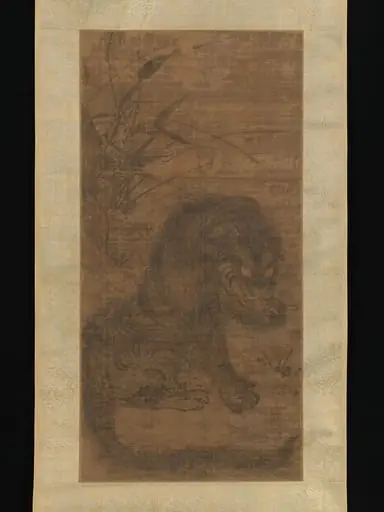
A hanging scroll executed in ink on silk presents a solitary tiger perched on a rock. The animal’s tail is animated, and its gaze is directed toward an unseen point, creating a sense of tension. The composition is rendered with swift, expressive strokes that give the impression of breath‑like ink splashes.
Subject & Meaning
The work focuses on a single tiger, a creature traditionally associated with power and wildness in East Asian symbolism. By isolating the animal and emphasizing its alert posture, the painting conveys a moment of poised energy, inviting contemplation of the tiger’s instinctual vigilance.
Technique & Style
Executed with loose, gestural brushwork, the ink is applied in rapid, splashed marks that suggest movement rather than detailed realism. This approach aligns with Chinese literati painting traditions, where the spirit of the subject is captured through minimal, suggestive lines rather than meticulous representation.
History & Provenance
The scroll’s origin is uncertain; it is attributed to either Korea or Japan during the Edo period, yet it adopts a Chinese aesthetic. The artist remains unidentified, though the style recalls the work of Zen monk painters who favored spontaneous, monochrome studies of animals.
Context
During the Edo era, Korean and Japanese artists often looked to Chinese models for inspiration, especially in monochrome ink painting. This cross‑cultural exchange facilitated the adoption of Chinese brush techniques in local workshops, producing works that blend regional sensibilities with broader East Asian artistic conventions.
Artist & collection