Artwork
Ο ζωγράφος Δημήτρης Χυτήρης
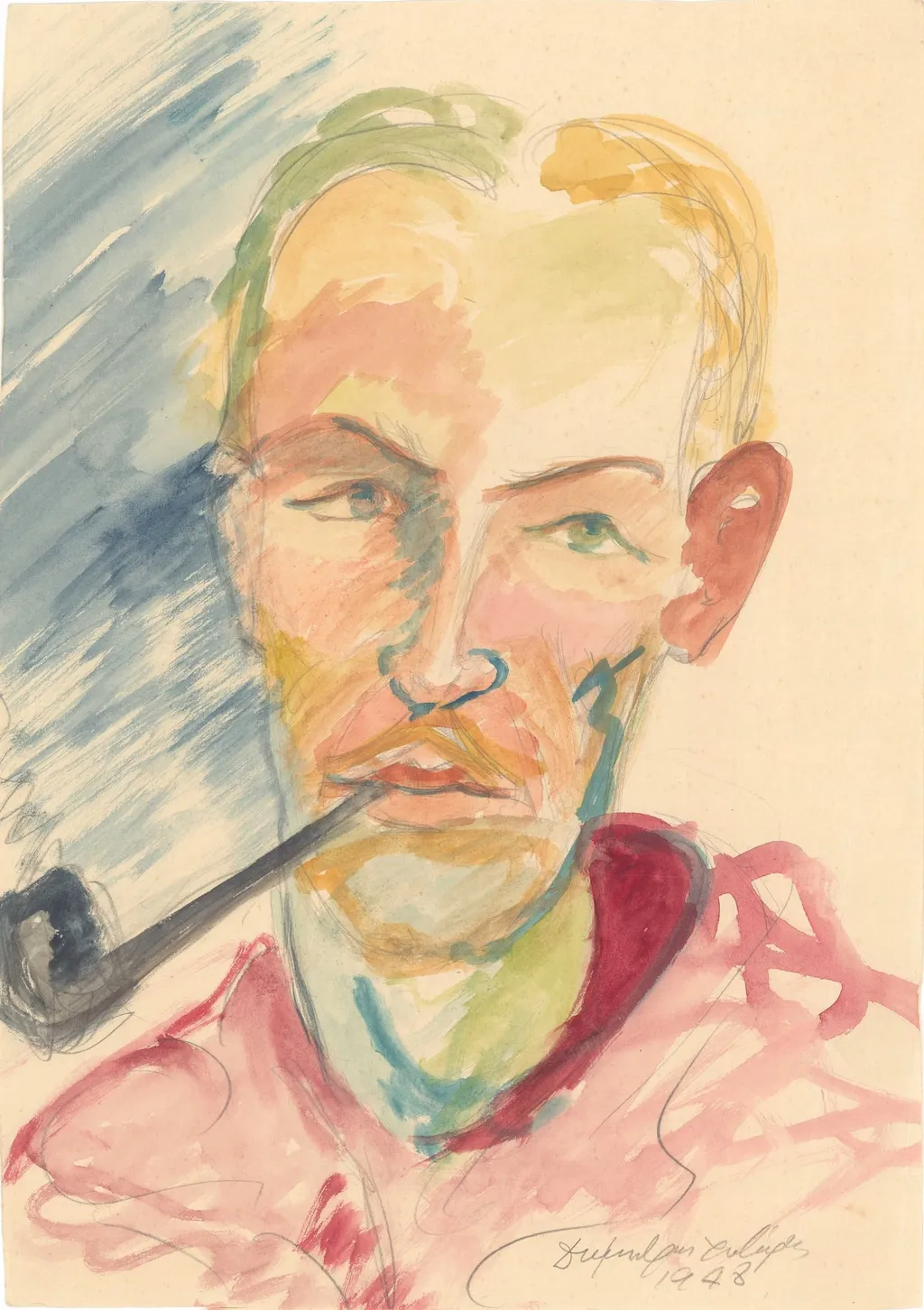
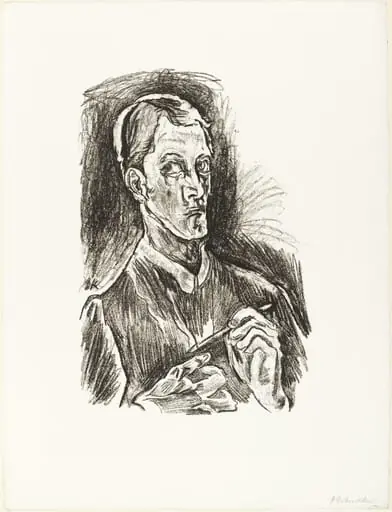
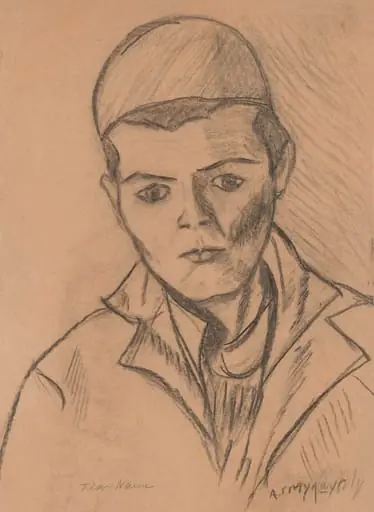
Ο ζωγράφος Δημήτρης Χυτήρης is a drawing by Alex Mylona. It dates from 1948 and is held in the collection of the Metropolitan Organisation of Museums of Visual Arts of Thessaloniki – MOMus.
About this work
She worked in a style called cross-hatching—layering fine lines to shade the face and suit.
This drawing shows a man sitting in a chair. He wears a dark suit and looks straight ahead. The artist used only black lines on white paper.
The artist, Alex Mylona, made this when she was 28. It’s a rare portrait of her fellow painter, Dimitris Hytiris. She worked in a style called cross-hatching—layering fine lines to shade the face and suit.
Check out more portraits by Mylona, Alex (1920-2016).
Overview
This drawing is a portrait of the Greek painter Dimitris Hytiris, rendered in ink on paper by Alex Mylona. Executed in 1948, when Mylona was 28, it captures Hytiris seated in a chair, facing the viewer directly. The composition is minimal, relying solely on black lines against a white ground, with no tonal washes or color. The work stands as one of the few known portraits Mylona made of a fellow artist.
Subject & Meaning
The subject, Dimitris Hytiris, was a contemporary and peer of Mylona within Greece’s postwar art scene. His composed posture and direct gaze suggest a quiet self-possession, reflecting the mutual respect between the two artists. The portrait is not idealized nor theatrical; it presents Hytiris as a working artist, grounded and attentive. The absence of background or context focuses attention on his presence and expression.
Technique & Style
Mylona employed cross-hatching to model form and texture, using layered, fine ink lines to define the contours of the face, suit, and chair. The density of lines varies to suggest shadow and volume, particularly around the jaw, collar, and folds of clothing. The technique is precise yet unembellished, aligning with a modernist preference for structural clarity over decorative effect. The simplicity of materials underscores the drawing’s intimate scale and directness.
History & Provenance
Created in 1948, the drawing emerged during Mylona’s early career, a period when she was actively engaging with the Athens art community. It remained in private hands for decades, rarely exhibited. Its survival as a singular depiction of Hytiris by Mylona makes it a significant document of artistic relationships in mid-century Greece. No public records indicate prior ownership beyond the artist’s circle.
Context
In postwar Greece, artists like Mylona and Hytiris navigated a cultural landscape shaped by political upheaval and renewed interest in modernism. Portraiture was not a dominant genre among their peers, making this work unusual. Mylona’s focus on line and structure reflected broader European trends in draftsmanship, while her choice to depict a colleague signaled a quiet solidarity among artists resisting academic conventions.
Legacy
The portrait remains a rare example of Mylona’s figural work and one of the few visual records of Hytiris from his lifetime. It contributes to understanding the informal networks among Greek modernists, where personal exchange often preceded public recognition. Though not widely reproduced, it is referenced in scholarly studies of 20th-century Greek drawing practices as an example of restrained, introspective portraiture.
Artist & collection
Artist
Alex Mylona (Athens, 1920 – 2016) was a Greek sculptor, known for her multidimensional and experimental approach to art.
Museum
Metropolitan Organisation of Museums of Visual Arts of Thessaloniki – MOMus
Continue through works from the same source collection.