Artwork
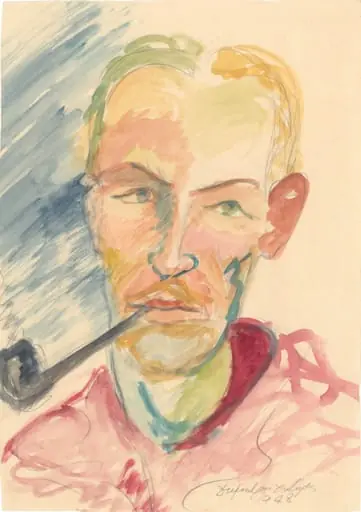
Piippua polttava mies
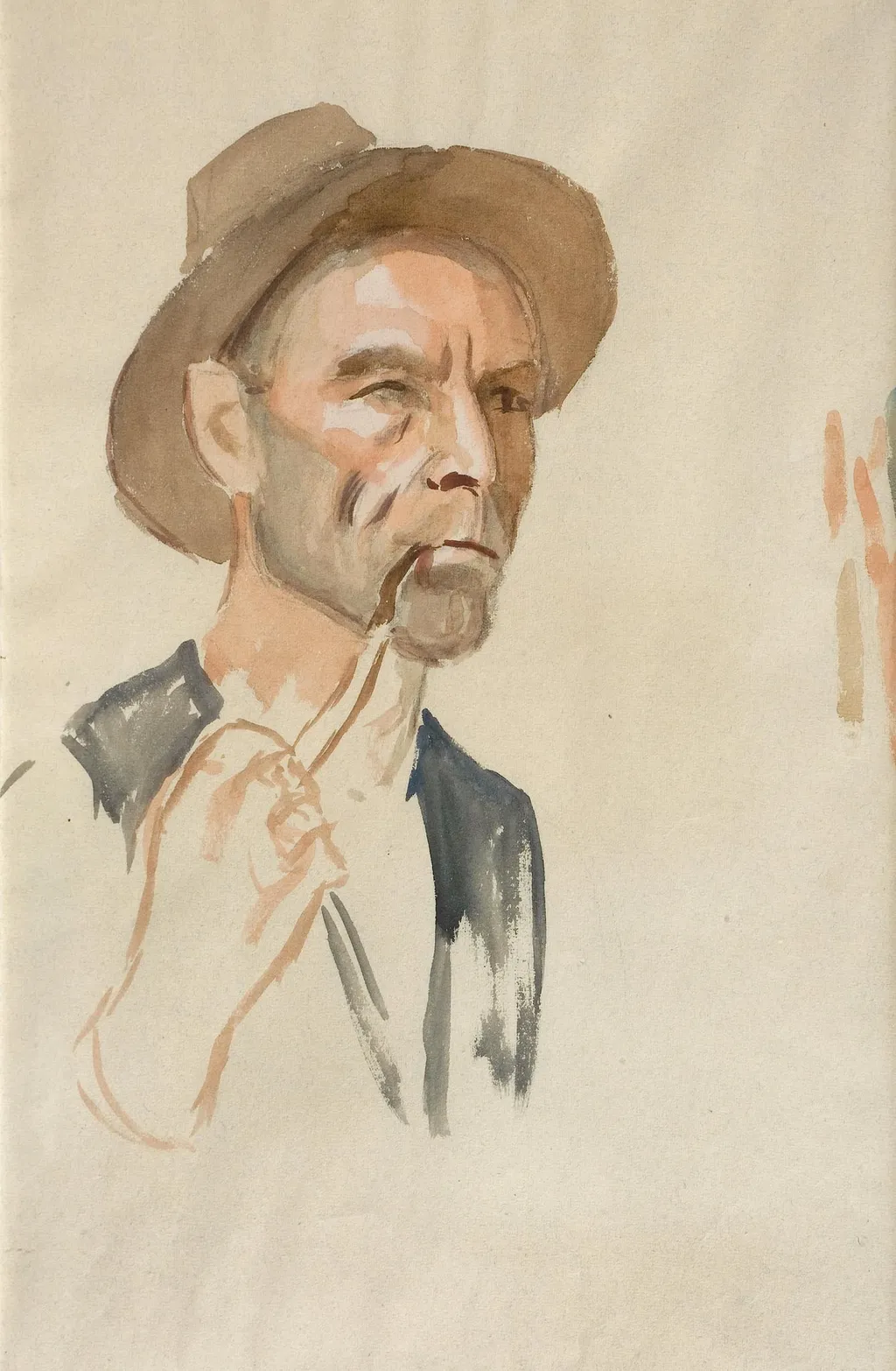
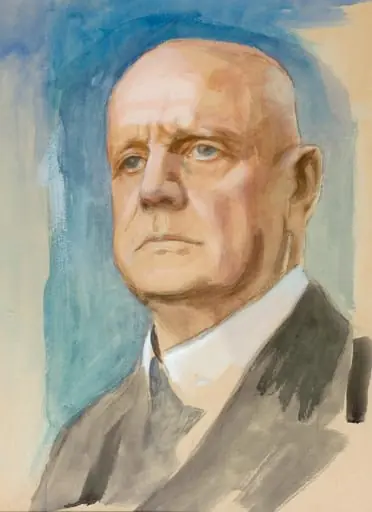
Piippua polttava mies is a photography by Eero Järnefelt. It is held in the collection of the Järvenpää Art Museum. This portrait presents a solitary man in quiet repose, rendered with restrained detail and muted tones.
About this work
Overview
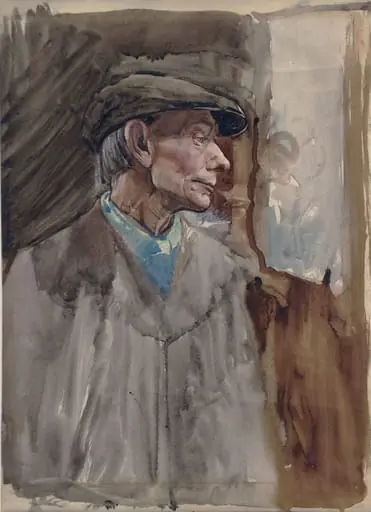
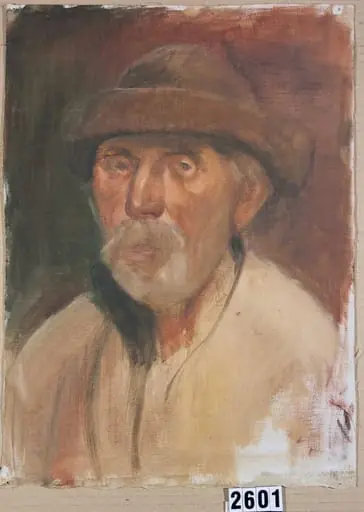
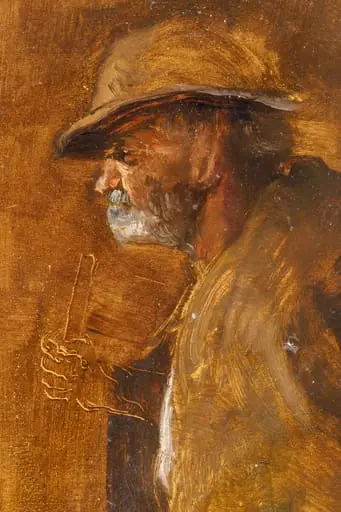
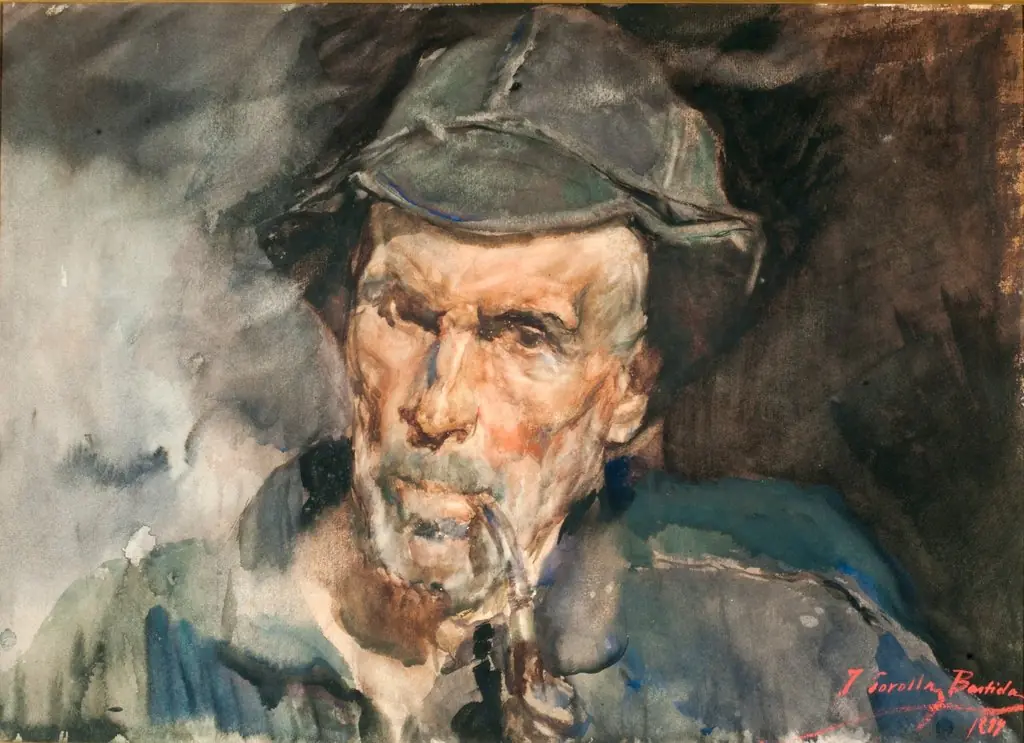
This portrait presents a solitary man in quiet repose, rendered with restrained detail and muted tones. The figure, dressed in plain clothing, holds a pipe and gazes downward with a subdued expression. The light beige background isolates him, emphasizing his introspective posture. The composition avoids ornamentation, focusing attention on the man’s demeanor and the stillness of the moment.
Subject & Meaning
The man’s furrowed brows and lowered eyes suggest inner reflection rather than outward action. His simple attire and the presence of a smoking pipe imply a moment of private contemplation, common in 19th-century depictions of rural or working-class men. The painting does not narrate a specific event but invites quiet observation of an ordinary individual in a moment of stillness.
Technique & Style
Brushwork is subdued and deliberate, with soft transitions between tones to model the face and clothing. The light background enhances the figure’s form without competing for attention. Shadows are gently modeled, avoiding dramatic contrast. The pipe’s smoke is rendered with minimal strokes, contributing to the calm, unhurried mood of the piece.
History & Provenance
The work is attributed to Eero Järnefelt, a Finnish painter known for his realistic portrayals of everyday life in late 19th-century Finland. While specific acquisition details are not widely documented, the painting aligns with his broader practice of capturing quiet, unidealized moments of Finnish peasants and laborers during a period of national cultural awakening.
Context
Created during Finland’s late 19th-century national romantic movement, the painting reflects a broader interest in authentic depictions of common people. Unlike grand historical scenes, Järnefelt focused on individual dignity in ordinary settings. This work fits within a trend of introspective portraiture that valued emotional subtlety over theatricality.
Legacy
Though not among Järnefelt’s most widely exhibited works, this portrait exemplifies his commitment to understated realism. It contributes to a body of work that helped define Finnish visual identity during a formative era. Its quiet intensity continues to resonate in discussions of Nordic portraiture that prioritize psychological depth over spectacle.
Artist & collection
Artist