Artwork
Metamorfoze
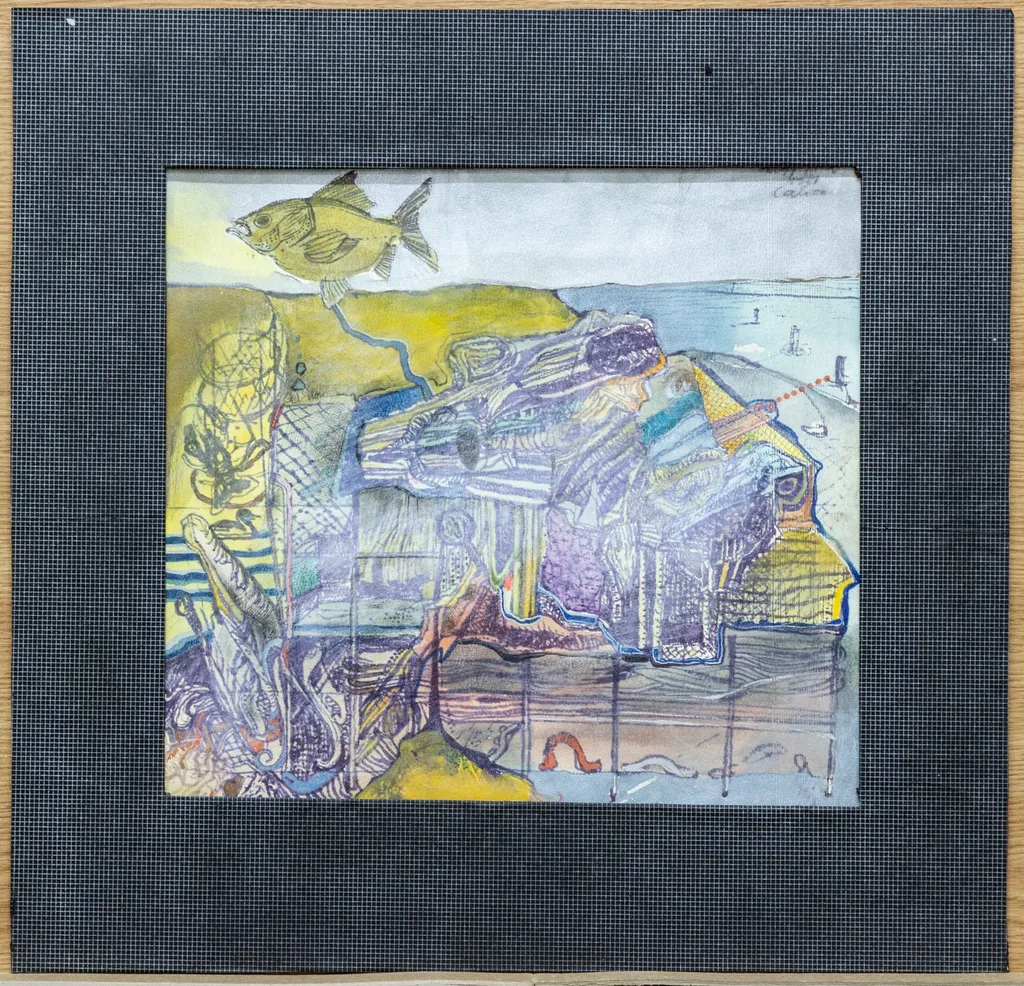
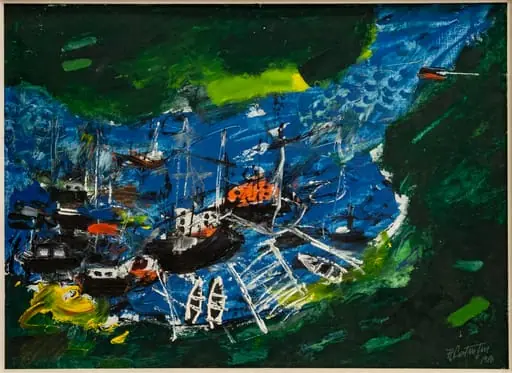
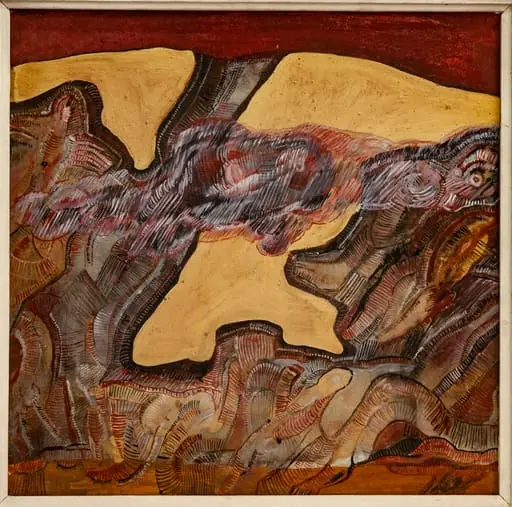
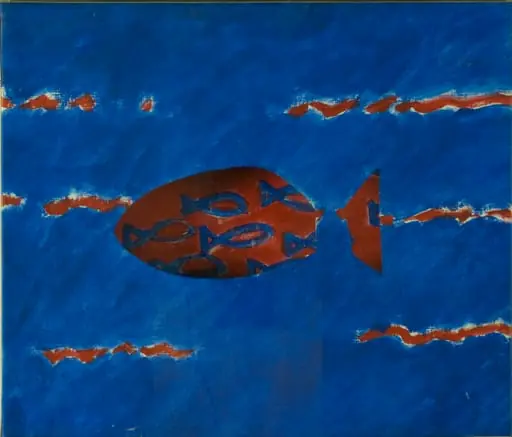
Metamorfoze is an unspecified painting by Geza Nagy. It dates from 1950 and is held in the collection of the Gavrila Simion Eco-Museum Research Institute Tulcea.
About this work
Overview
Metamorfoze, created around 1950 by Hungarian artist Geza Nagy, is a painted composition held in the collection of the Museum of Ethnography.
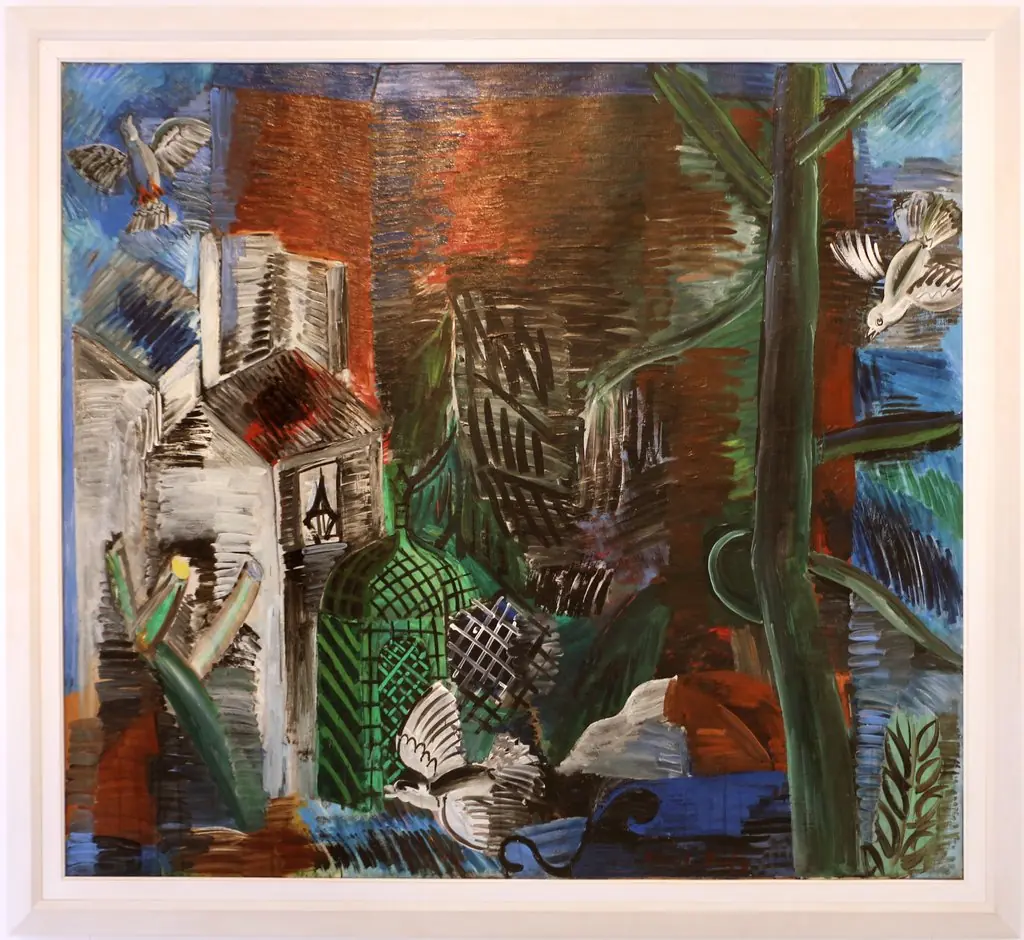
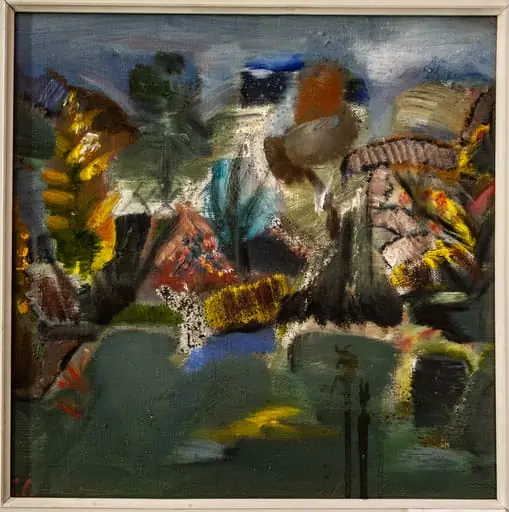
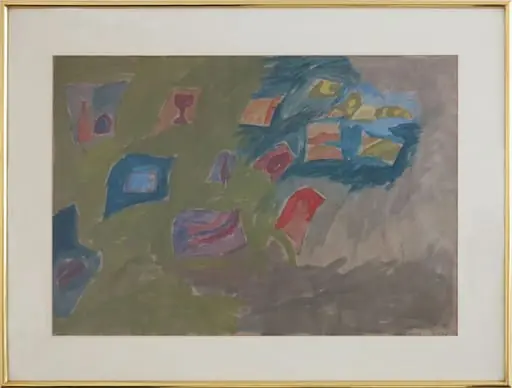
Metamorfoze, created around 1950 by Hungarian artist Geza Nagy, is a painted composition held in the collection of the Museum of Ethnography. The work presents a dynamic aquatic scene dominated by a vividly colored fish mid-leap, set against an abstracted underwater environment. Its visual language blends natural elements with expressive abstraction, suggesting transformation through movement and color.
Subject & Meaning
The central subject—a bright yellow fish—is rendered as a distinct, solid form amid fluid, chaotic surroundings. This contrast may imply a moment of transition or metamorphosis, echoing the title. The underwater world, rendered in swirling hues, evokes an organic, dreamlike realm, while the faint sky above suggests an upward trajectory. The image resists literal narrative, instead inviting interpretation through symbolic motion and color.
Technique & Style
Nagy employs loose, gestural brushwork to build the water’s texture, allowing pigments to blend organically. The fish, by contrast, is outlined with sharp definition, creating visual tension. Colors—yellows, blues, and purples—are layered without rigid boundaries, producing a sense of luminosity and depth. The technique prioritizes emotional resonance over realism, using chromatic contrast to guide the viewer’s focus.
History & Provenance
The painting was completed in the early 1950s and entered the Museum of Ethnography’s collection shortly thereafter. Its acquisition reflects the institution’s interest in modern Hungarian art that engages with cultural and natural themes. No documented exhibition history exists prior to its inclusion in the museum’s holdings, suggesting it was likely acquired directly from the artist or a private collection.
Context
Created during a period of cultural redefinition in postwar Hungary, Metamorfoze aligns with broader European trends toward expressive abstraction. While not overtly political, its departure from socialist realism reflects a quieter resistance to state-mandated aesthetics. Nagy’s focus on natural forms and emotional tone situates the work within a personal, introspective current of mid-century Hungarian painting.
Legacy
Metamorfoze remains a notable example of Nagy’s unique synthesis of figuration and abstraction. Though not widely reproduced, it continues to be referenced in studies of Hungarian modernism for its bold color use and symbolic ambiguity. Its presence in a museum of ethnography underscores its resonance with themes of nature, transformation, and cultural identity beyond conventional artistic categories.
Artist & collection
Artist
Geza Nagy kept himself to himself in a cluttered Budapest attic where daylight slanted through a single skylight.
Museum
Gavrila Simion Eco-Museum Research Institute Tulcea
Continue through works from the same source collection.