Artwork
H Beard Print Collection
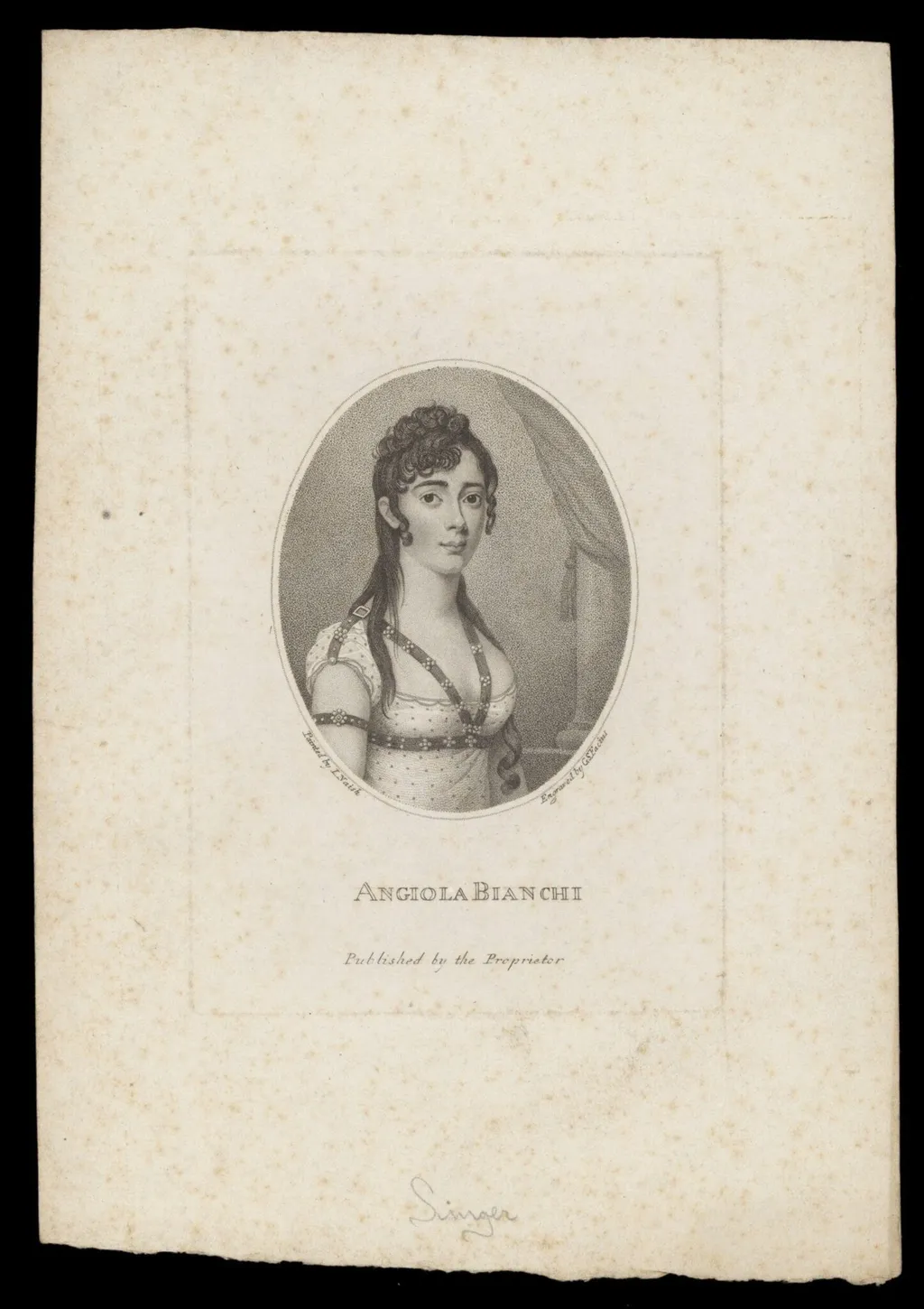
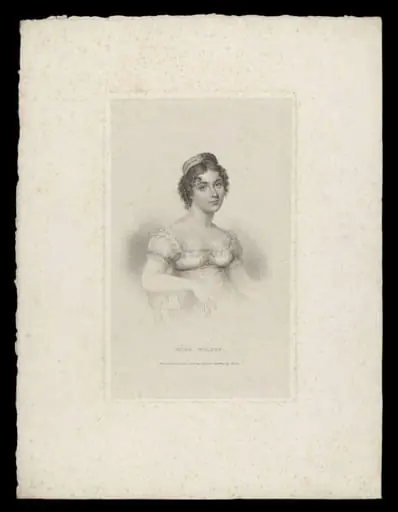
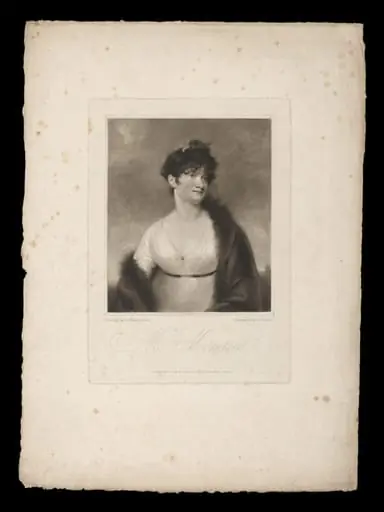
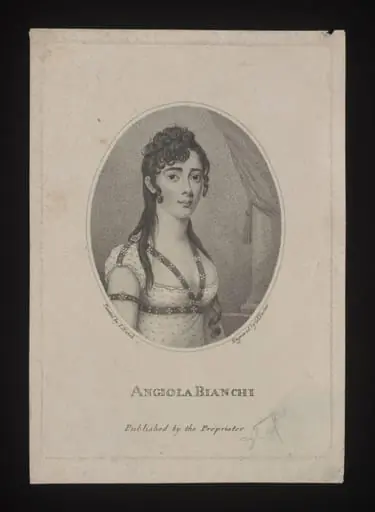
H Beard Print Collection is a print by Naish, I.. It dates from 1850 and is held in the collection of the Victoria and Albert Museum. This print is a single-sheet portrait of Angiola Bianchi, produced in the early 1800s using relief or intaglio printing techniques.
About this work
Overview
Created by carving an image into a durable surface—likely metal or wood—it was then inked and pressed onto paper to yield a reproducible image.
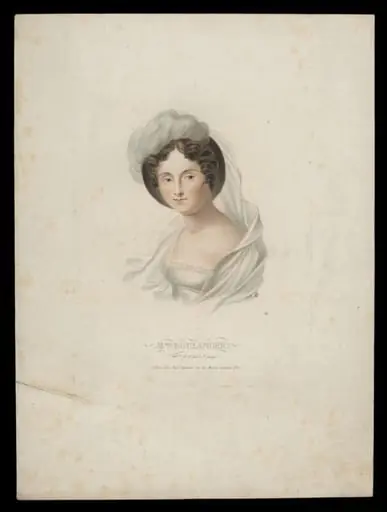
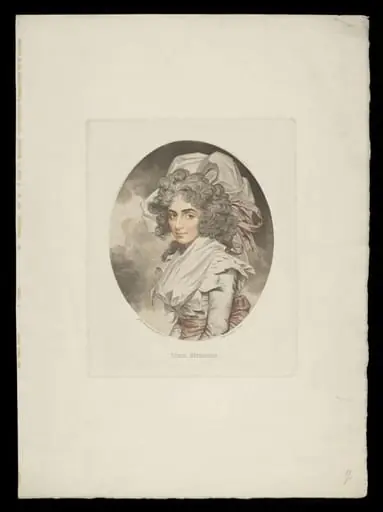
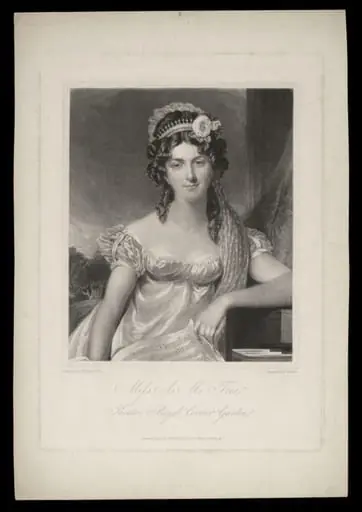
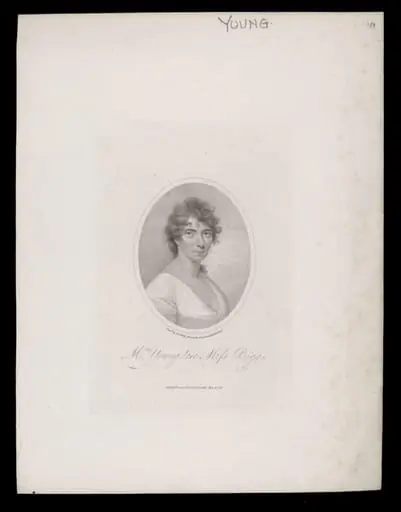
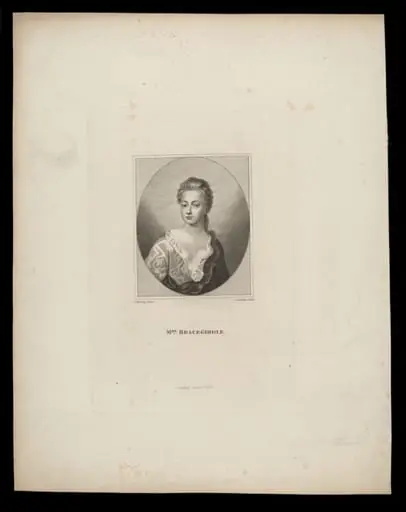
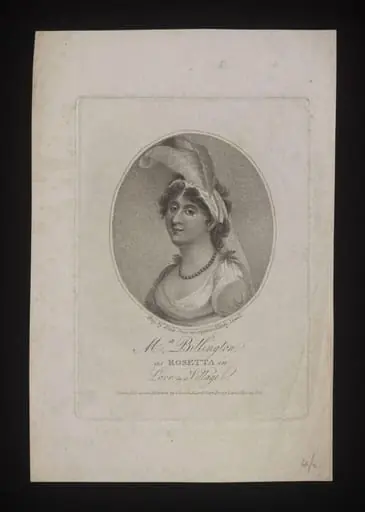
This print is a single-sheet portrait of Angiola Bianchi, produced in the early 1800s using relief or intaglio printing techniques. Created by carving an image into a durable surface—likely metal or wood—it was then inked and pressed onto paper to yield a reproducible image. Unlike painted portraits, this format allowed for wider distribution. It is part of the H. Beard Print Collection at the Victoria and Albert Museum, cataloged but originally intended for personal or commercial circulation.
Subject & Meaning
Angiola Bianchi is depicted with formal composure, suggesting her social standing or public recognition. The portrait’s simplicity and focus on facial features indicate an intent to capture likeness rather than narrative or symbolism. Such images were often commissioned by families or sold as keepsakes, serving as tangible representations of individuals in an era before photography. Her identity remains central, with no contextual elements to distract from her presence.
Technique & Style
The image was produced through a hand-carved printing matrix, a method common in the early 19th century for reproducing portraits. Lines are precise, shading minimal, and composition frontal—characteristic of engraved or etched portraiture of the time. The single impression suggests a limited, deliberate print run. The style prioritizes clarity and fidelity over artistic flourish, aligning with the practical aims of reproductive printmaking.
History & Provenance
The print entered the Victoria and Albert Museum as part of the H. Beard Print Collection, a significant assemblage of 19th-century graphic works. While its exact origin and initial circulation are undocumented, its preservation indicates it was valued enough to be retained. It was likely produced in Italy or by an Italian artist, given the subject’s name, and may have been distributed locally before entering private or institutional hands.
Context
In the early 1800s, printed portraits offered an accessible alternative to painted likenesses, especially for the middle classes. Printmakers often collaborated with artists to translate portraits into reproducible formats. This work reflects a broader cultural shift toward visual documentation and personal commemoration, preceding the dominance of photography. Such prints were exchanged, collected, or displayed in homes as markers of identity and status.
Legacy
As part of the Beard Collection, this print contributes to the historical record of reproductive printmaking in Europe. It exemplifies how portraiture was democratized through mechanical reproduction before the advent of photography. Though not widely known today, its preservation in a major museum ensures its role as a witness to the social and technical practices of early 19th-century visual culture.
Artist & collection
Artist
Printmaker active around the turn of the 18th century, I. Naish produced crisp engravings documenting everyday life and fleeting moments. Two examples in this set show crowds at London’s Newgate Prison in 1799 and a…