Artwork
H Beard Print Collection
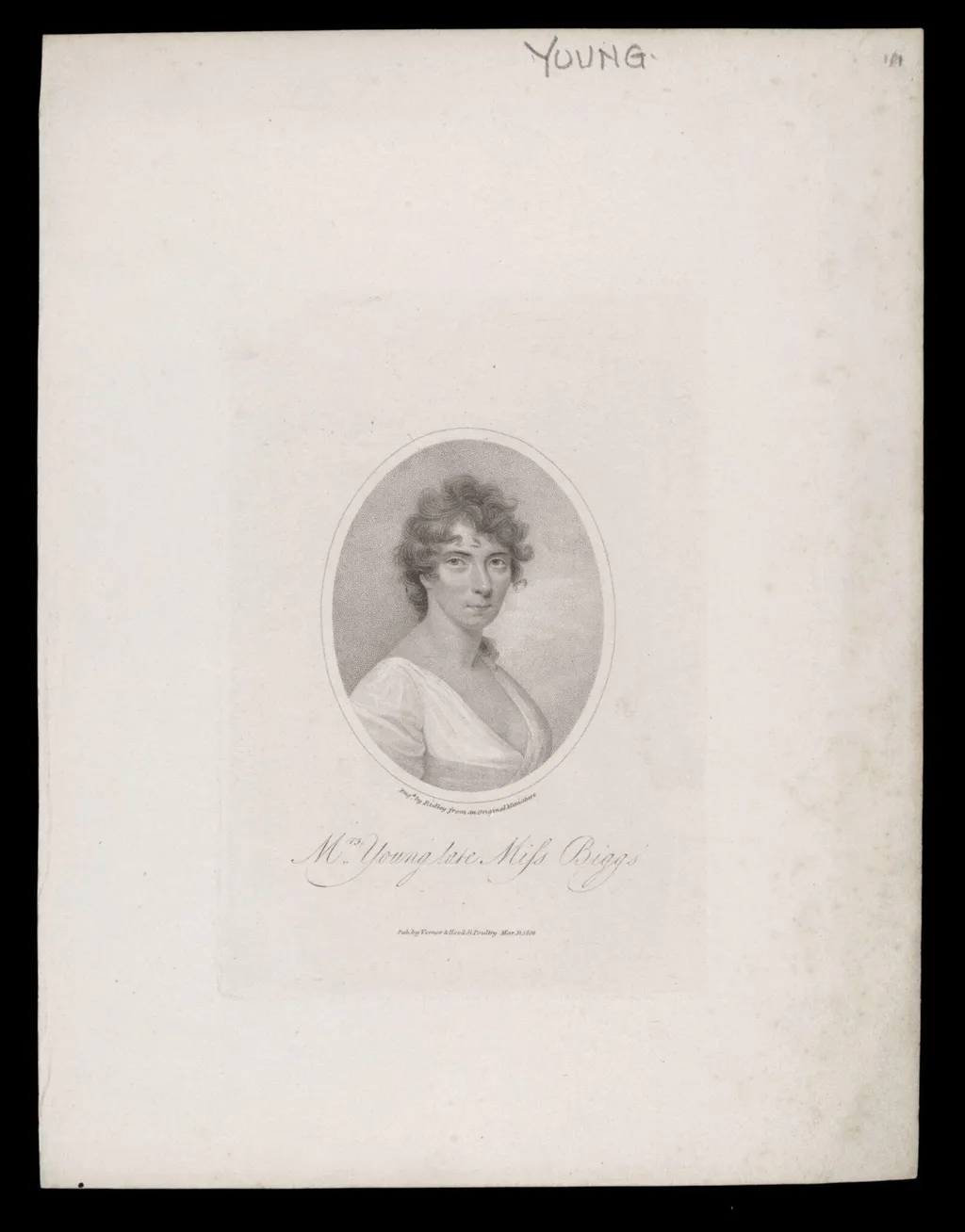
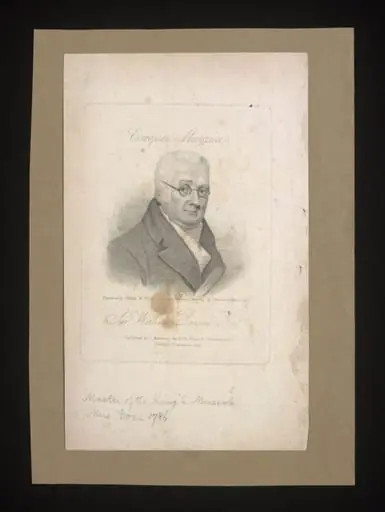
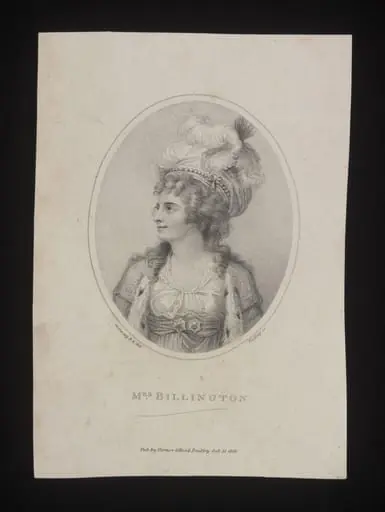
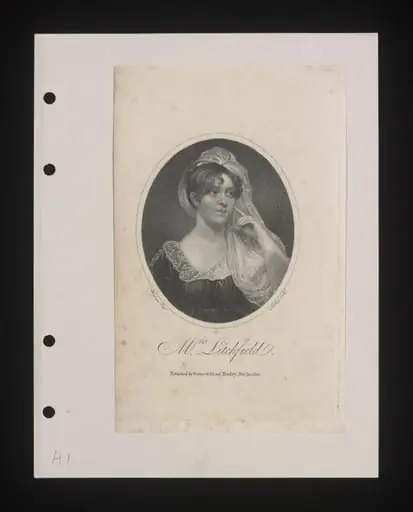
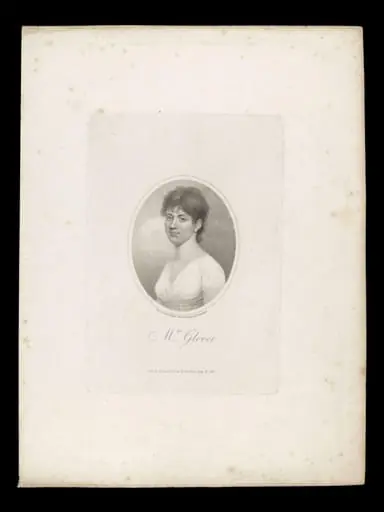
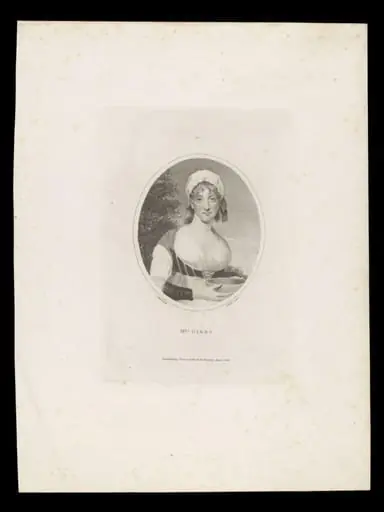
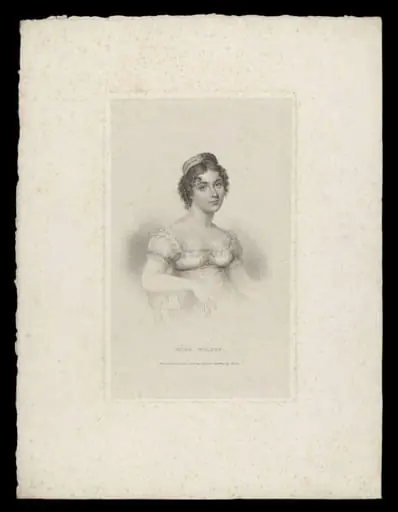
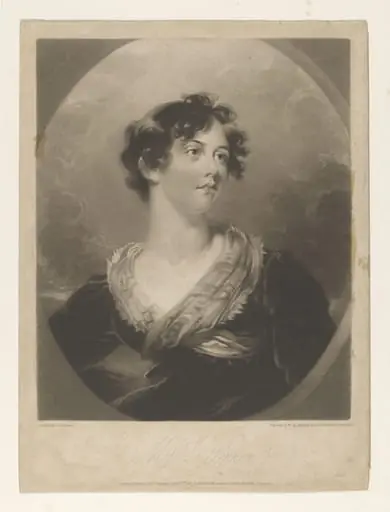
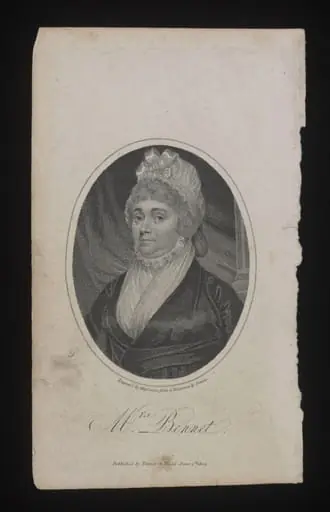
H Beard Print Collection is a print by the Romanticist artist Ridley. It dates from 31 and is held in the collection of the Victoria and Albert Museum. A stippled engraving from 1802, this portrait depicts Mrs.
About this work
Overview
The print’s technique relies on fine dots to model form and tone, typical of reproductive engraving practices of the period.
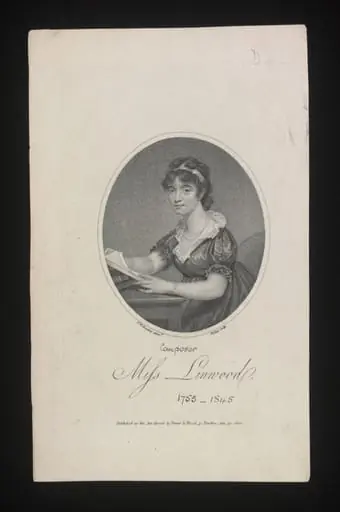
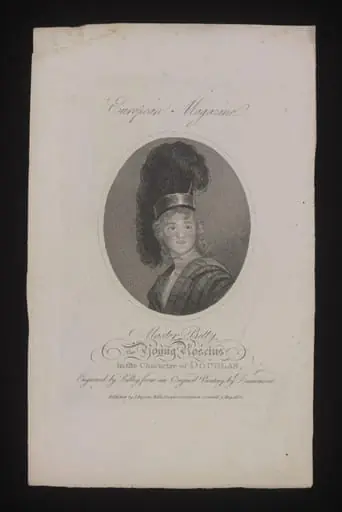
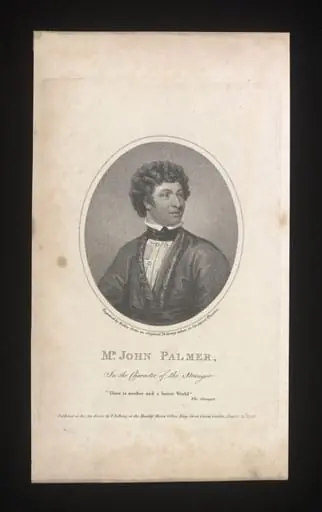
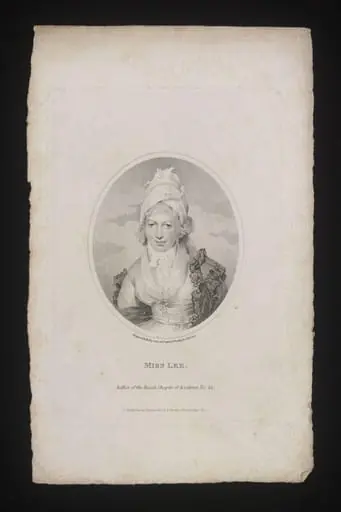
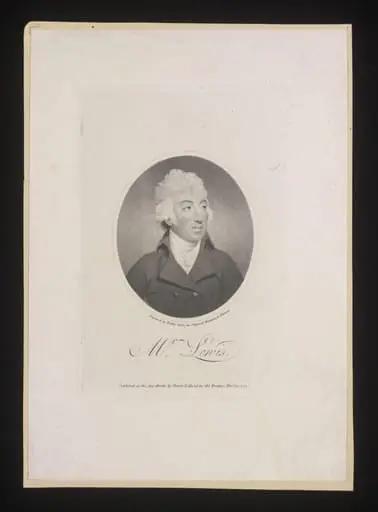
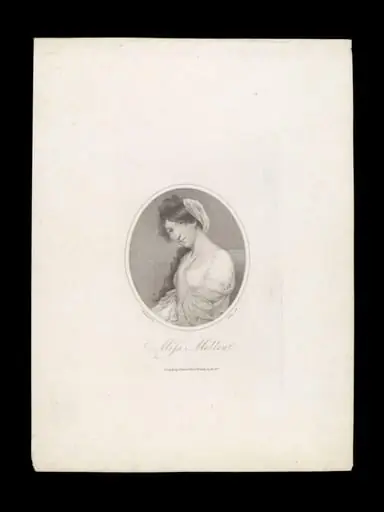
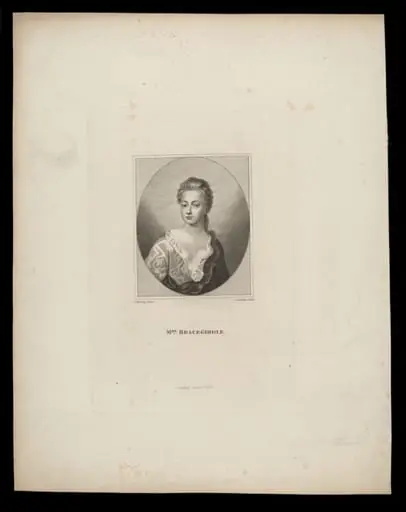
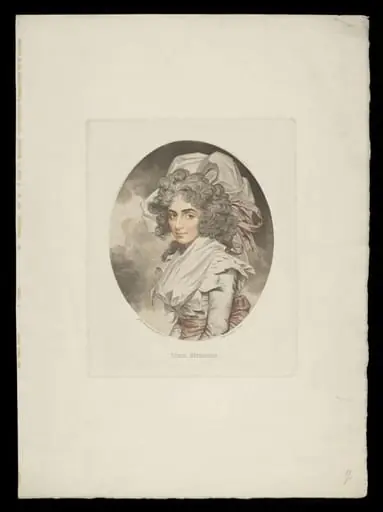
A stippled engraving from 1802, this portrait depicts Mrs. Young, formerly Miss Biggs, framed within an oval border. Produced by the London publishers Vernor & Hood, it belongs to the Harry Beard Print Collection, a curated assembly of 18th- and early 19th-century British portraiture. The print’s technique relies on fine dots to model form and tone, typical of reproductive engraving practices of the period.
Subject & Meaning
The sitter, Mrs. Young, was born Miss Biggs and married into the Young family. The portrait reflects the social custom of commemorating middle- and upper-class women through printed images, often circulated as keepsakes. Her identity is preserved through formal presentation rather than expressive detail, emphasizing status and marital transition over individual personality.
Technique & Style
Executed in stipple engraving, the image uses countless small dots to create gradations of light and shadow, avoiding lines for a softer, more delicate appearance. This method was favored for portraiture as it mimicked the texture of chalk drawings and appealed to contemporary tastes for refined, feminine aesthetics. The oval format further reinforces the intimate, decorative character of the work.
History & Provenance
Printed on 31 March 1802 by Vernor & Hood, a well-known London publishing firm, the work entered the Harry Beard Collection, assembled by the 19th-century theatre historian and print collector. The collection, now held in a public institution, preserves examples of popular visual culture from the Georgian era, particularly images tied to performance and society.
Context
In early 19th-century Britain, stippled portraits of respectable women were mass-produced for domestic display, serving as both decoration and social record. Publishers like Vernor & Hood catered to a growing middle-class market seeking affordable art. Such prints often accompanied biographical texts or were sold as part of series, reinforcing norms of gender and class.
Legacy
Though not attributed to a named artist, the print survives as evidence of the commercial print trade’s role in shaping public visual culture. Its inclusion in the Beard Collection ensures its preservation as a specimen of reproductive engraving, offering insight into how identity and respectability were visually constructed outside the realm of fine art.
Artist & collection
Artist
These prints show everyday figures in early 1800s Britain, etched in fine detail and crisp lines.