Artwork
Untitled
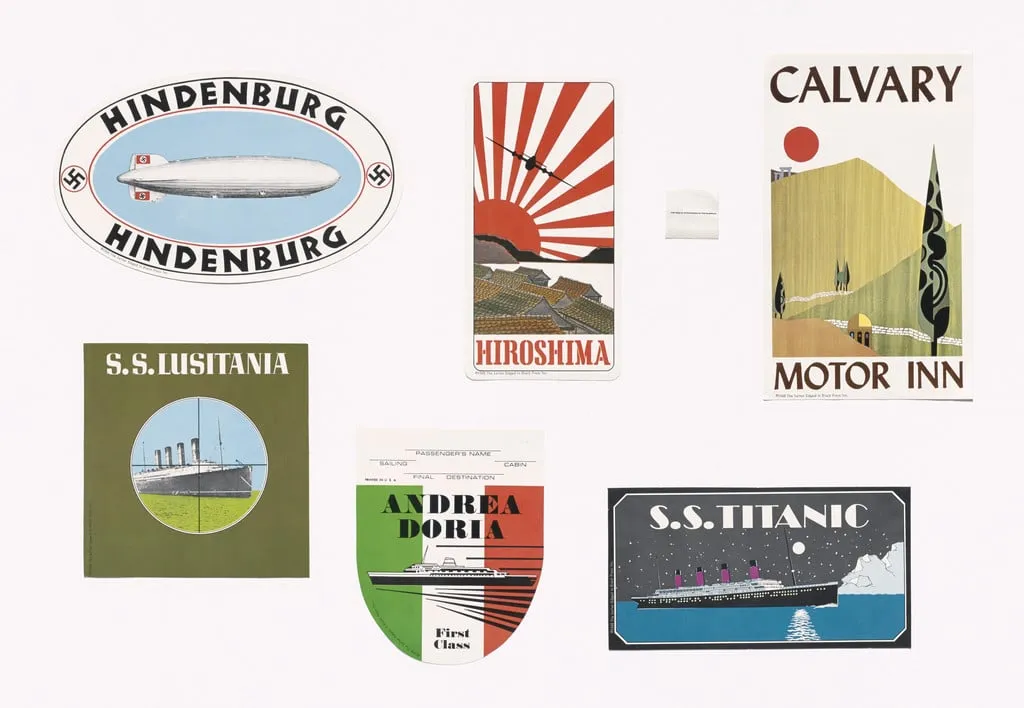
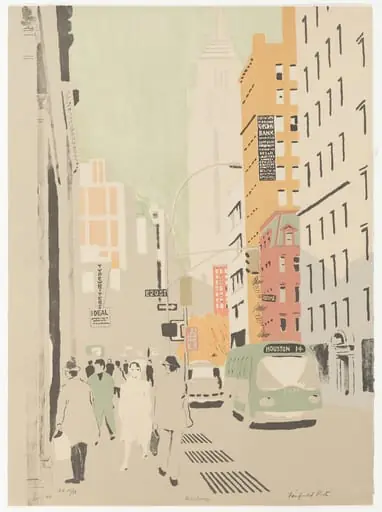
Untitled is a print by Nancy Reitkopf. It dates from 1968 and is held in the collection of the Museum of Modern Art.
About this work
Overview
The piece is held in the collection of The Museum of Modern Art and reflects a mid-century interest in recontextualizing mass-produced materials.
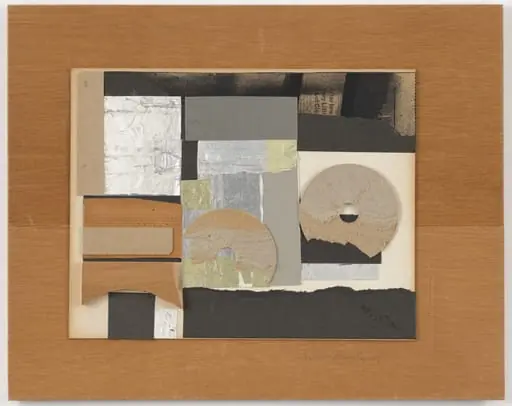
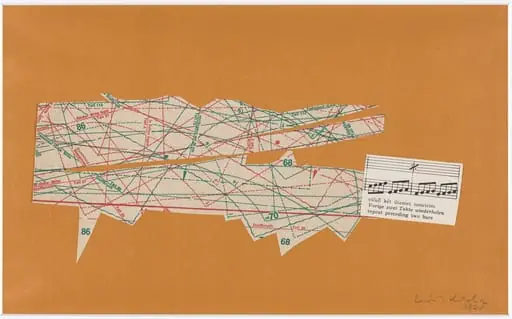
Created in 1968 by Nancy Reitkopf, this work consists of six found travel labels arranged in a grid. Originally commercial advertising ephemera, the labels were repurposed as an artistic composition. The piece is held in the collection of The Museum of Modern Art and reflects a mid-century interest in recontextualizing mass-produced materials. Its presentation as a unified group transforms mundane objects into a quiet commentary on visual culture.
Subject & Meaning
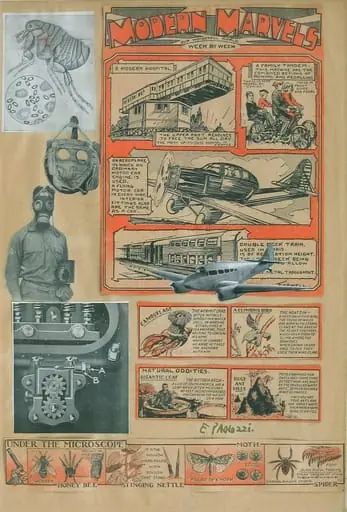
The labels depict historical vessels and destinations, including the *Titanic*, *Lusitania*, and a ship named *Hiroshima*, alongside imagery of a blimp marked with swastikas and a motel sign with a red circle. These symbols evoke 20th-century travel, nationalism, and trauma. By grouping them without commentary, Reitkopf invites reflection on how commercial imagery carries hidden histories, juxtaposing leisure with the weight of global conflict.
Technique & Style
Reitkopf assembled the labels without alteration, preserving their original printing, fading, and wear. The arrangement is methodical, forming a uniform grid that contrasts with the varied content. Colors—faded greens, reds, and blues—retain traces of their original vibrancy, suggesting decay over time. The work’s aesthetic is deliberately unpolished, emphasizing the materiality of the found objects over artistic intervention.
History & Provenance
The labels were sourced from the 1960s, likely collected by Reitkopf as everyday artifacts. She compiled them into this composition in 1968, presenting them as a single artwork. The piece entered The Museum of Modern Art’s collection shortly after its creation, reflecting institutional interest in conceptual and assemblage practices emerging in the late 1960s. Its provenance remains tied to the artist’s personal selection and reconfiguration.
Context
Reitkopf’s work emerged alongside the rise of Pop Art and Conceptualism, movements that questioned traditional notions of originality and authorship. By elevating commercial ephemera, she aligned with artists like Rauschenberg and Duchamp, who used found objects to challenge art’s boundaries. The piece also resonates with postwar anxieties about memory, nationalism, and the commodification of history in public imagery.
Legacy
Untitled remains a quiet example of early conceptual assemblage, illustrating how ordinary materials can carry layered historical significance. While not widely exhibited, it contributes to broader discussions about the ethics of representation and the reuse of cultural artifacts. Its endurance in MoMA’s collection affirms its role in documenting how artists reinterpreted the visual debris of modern life.
Artist & collection