Artwork
Venus and Cupid (I)
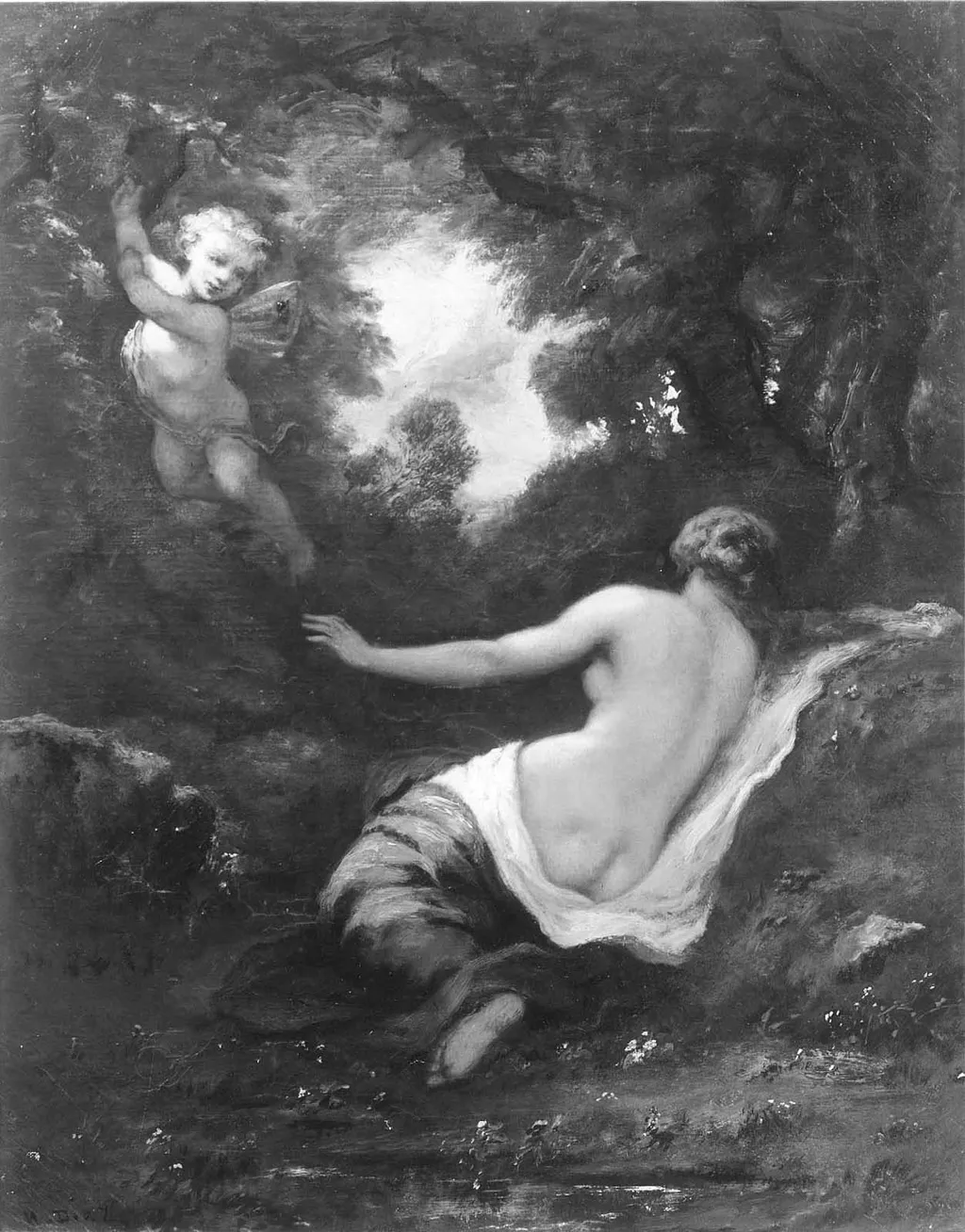
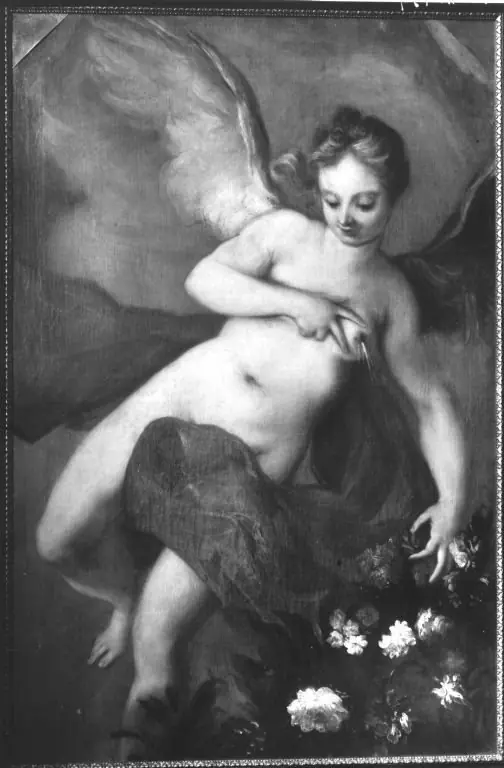
Venus and Cupid (I) is an oil painting by Narcisse Virgilio Díaz. It dates from 1847 and is held in the collection of the Museum of Fine Arts Boston.
About this work
Overview
Painted in 1847 by Narcisse Virgilio Díaz, this oil on canvas work presents a mythological scene centered on Venus and her infant son Cupid.
Painted in 1847 by Narcisse Virgilio Díaz, this oil on canvas work presents a mythological scene centered on Venus and her infant son Cupid. The composition isolates the figures against a turbulent, shadowed background, emphasizing their ethereal presence. It resides in the collection of the Museum of Fine Arts, Boston, where it is displayed as an example of 19th-century French Romantic interpretation of classical themes.
Subject & Meaning
The painting portrays Venus, goddess of love, reclining on a cloud while Cupid, her winged son, hovers above, reaching toward her. Their interaction suggests tenderness and divine intimacy, though the absence of narrative context leaves interpretation open. The figures are stripped of traditional mythological attributes, focusing instead on emotional stillness and physical serenity, aligning with Romantic ideals of emotion over story.
Technique & Style
Díaz employs a strong contrast between the smooth, luminous flesh of Venus and the rough, swirling darkness of the background. The child’s form is rendered with soft edges and minimal detail, enhancing a sense of weightlessness. The use of chiaroscuro heightens the drama, drawing attention to the figures while dissolving the environment into ambiguous, atmospheric tones characteristic of Romantic landscape painting.
History & Provenance
Created in 1847, the painting entered the Museum of Fine Arts, Boston’s collection in the late 19th century. Its acquisition reflects the museum’s early interest in French academic and Romantic works. While not widely exhibited during Díaz’s lifetime, it has remained a consistent part of the museum’s holdings, representing a quieter, introspective strand of mythological painting from the period.
Context
Díaz, associated with the Barbizon School, often blended naturalism with mythological subjects. This work diverges from grand historical narratives common in academic art, favoring mood and sensory impression. In mid-19th-century France, such intimate mythological scenes offered an alternative to state-sponsored history painting, appealing to collectors drawn to emotional resonance and painterly texture over didactic content.
Legacy
Though not among Díaz’s most celebrated works, Venus and Cupid (I) exemplifies his ability to merge classical subject matter with Romantic sensibility. Its quiet intensity and atmospheric technique influenced later Symbolist painters who sought to evoke inner states through myth. The painting remains a subtle, understated testament to the period’s fascination with the divine rendered through personal, almost private, visual language.
Own this work as a print
Artist & collection
Artist
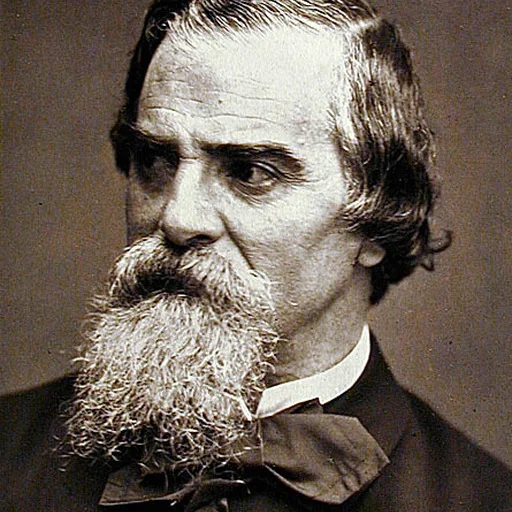
Narcisse Virgilio Díaz (1807–1876) was a French artist, born in Bordeaux.


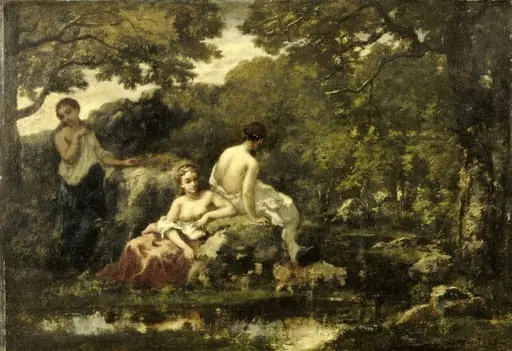
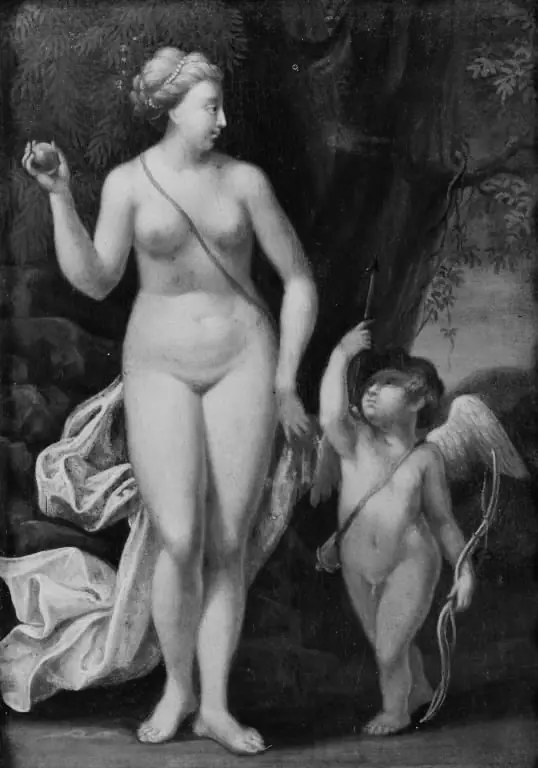 Venus and Cupid
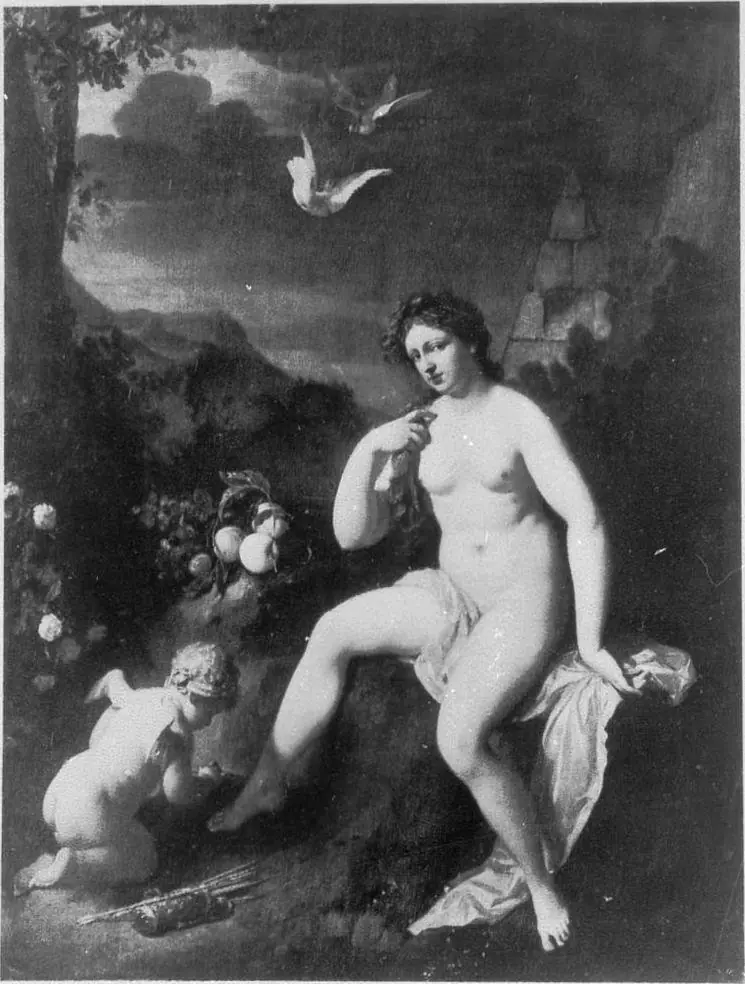 Venus and Cupid
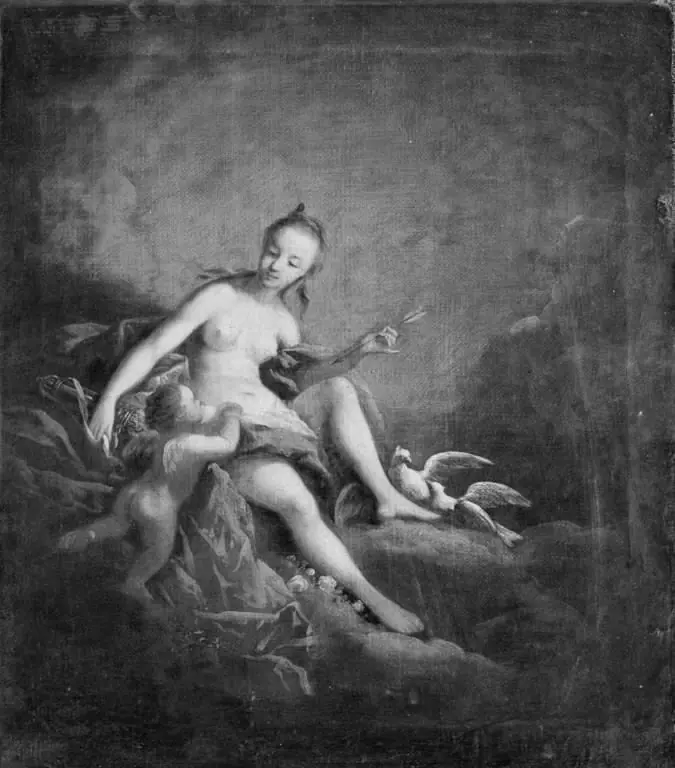 Venus and Cupid
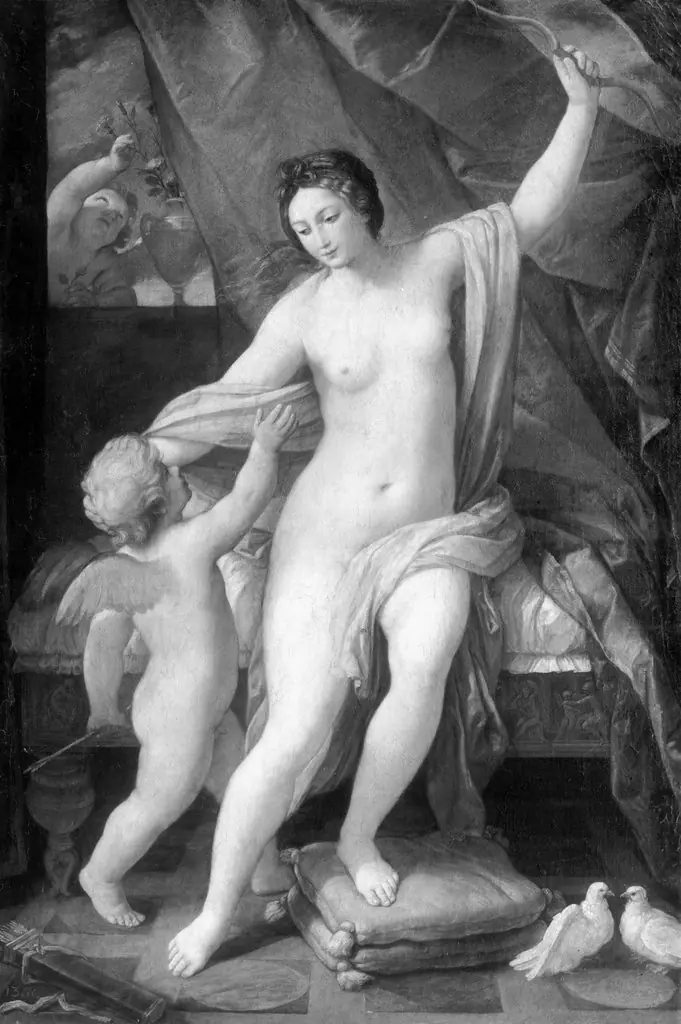 Venus and Cupid
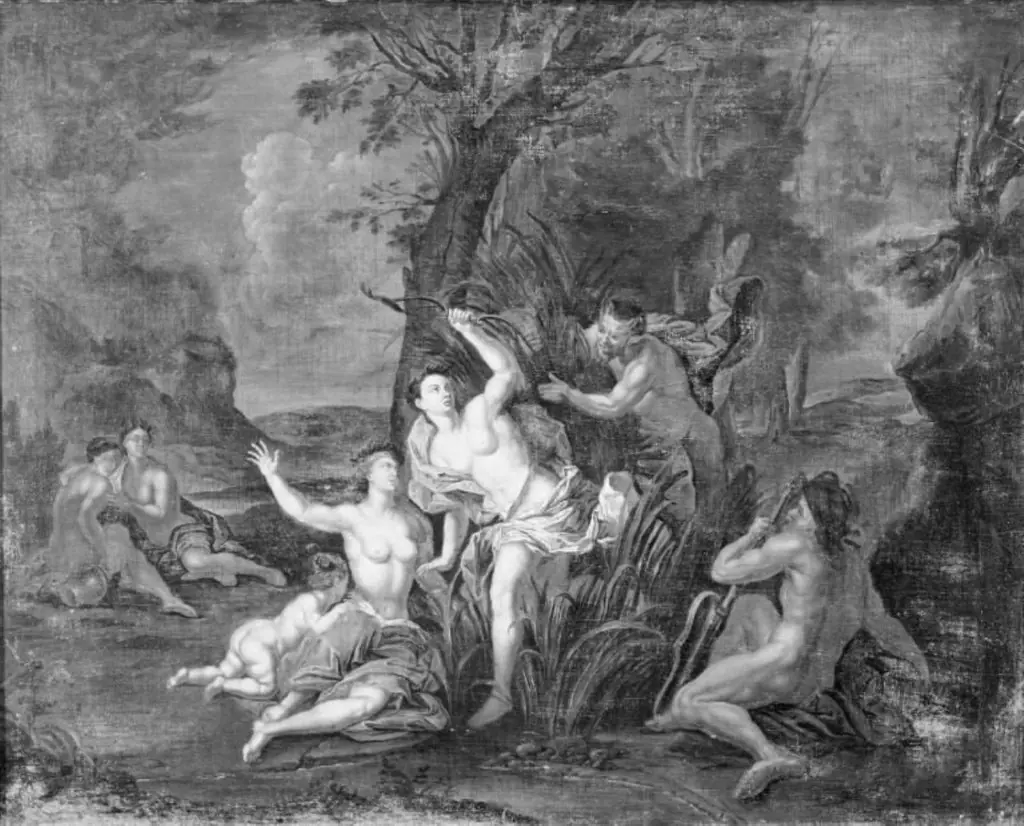 Nogle nymfer overraskes af en satyr. Ved siden sidder en flodgud
 Nogle nymfer overraskes af en satyr. Ved siden sidder en flodgud
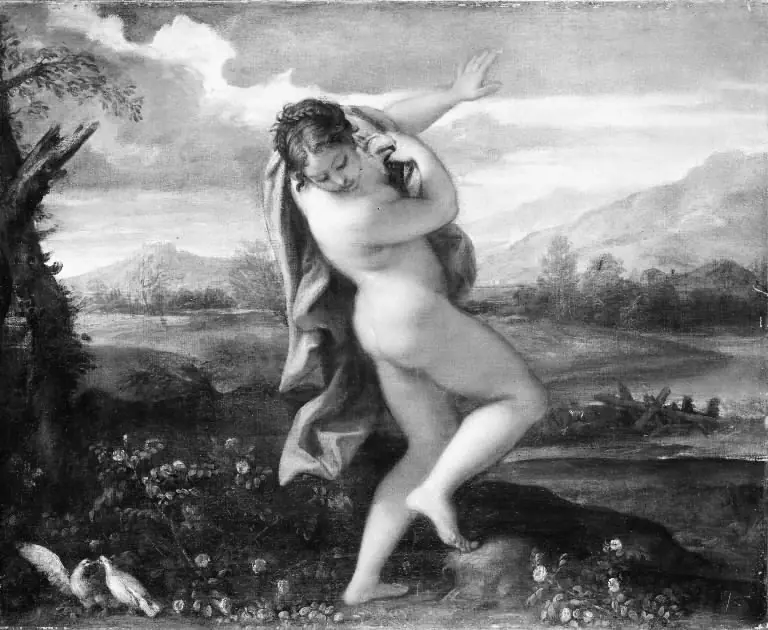 The Origin of the Red Rose
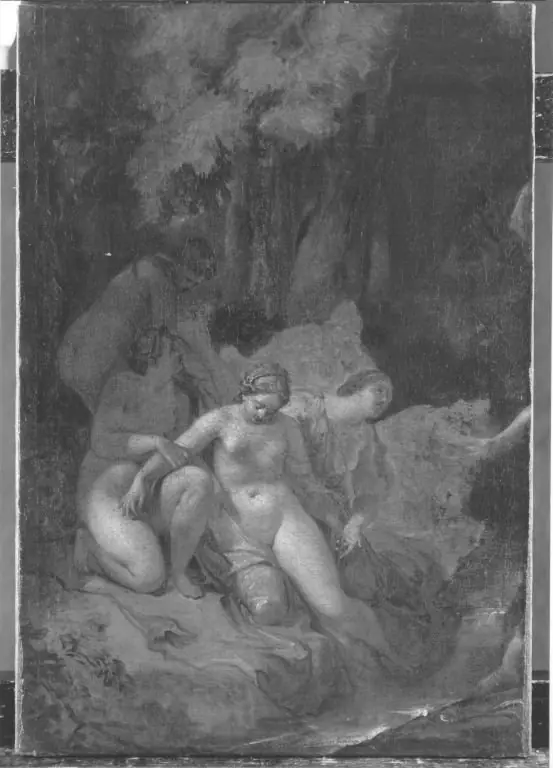 Diana und Callisto
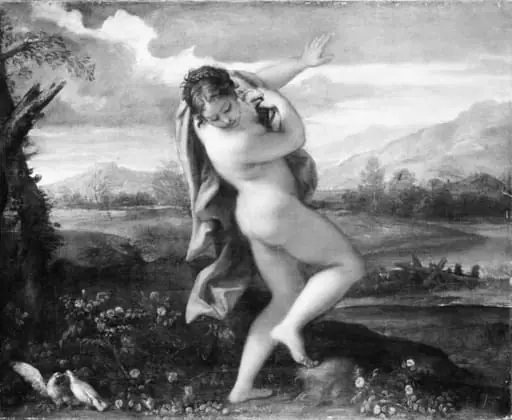 The Origin of the Red Rose
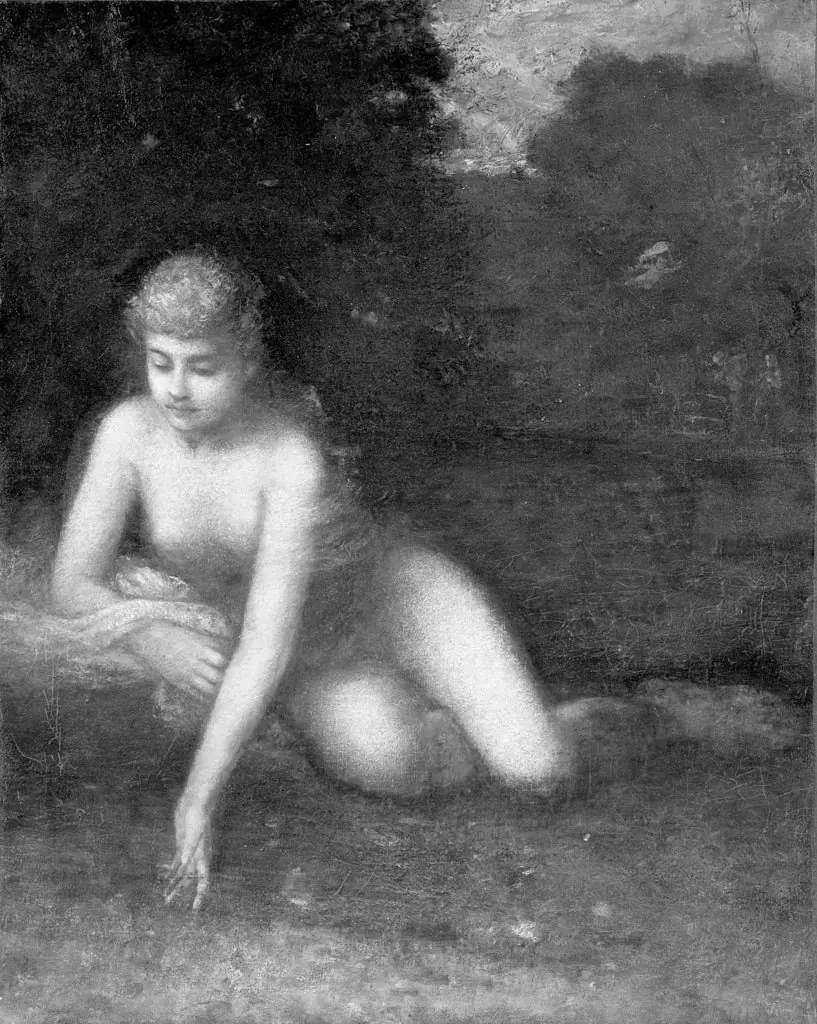 Arethusa
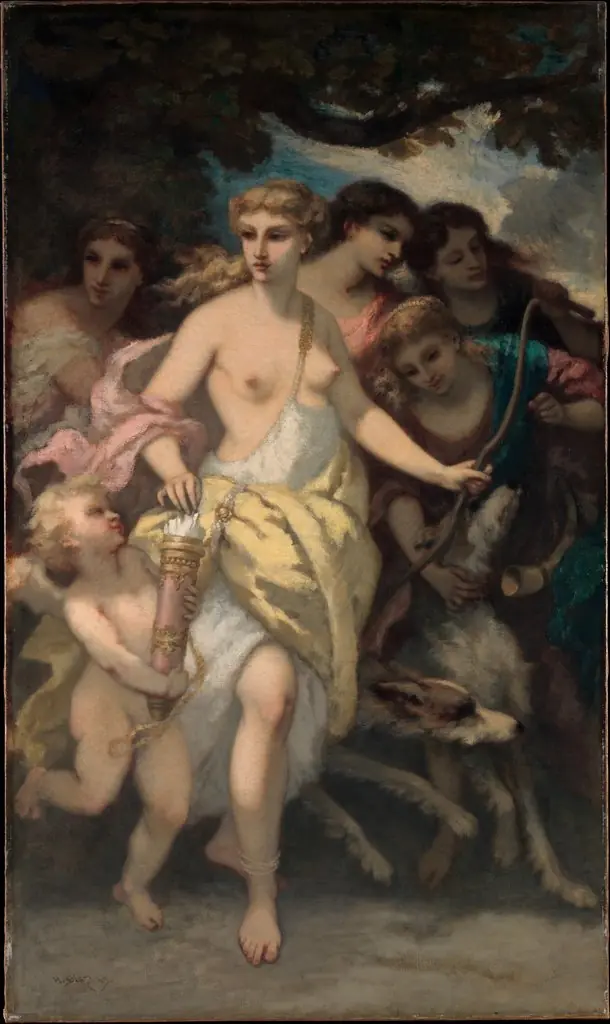
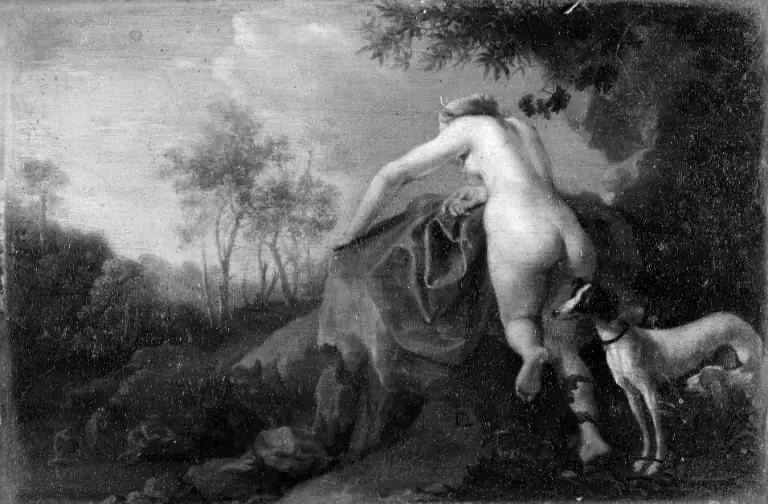 Diana and Her Nymphs
 allegory on the dew