Artwork
Arethusa

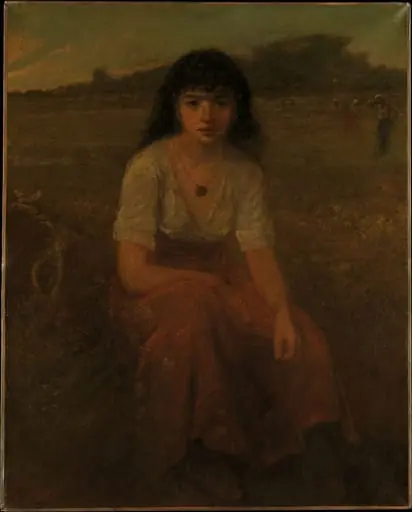
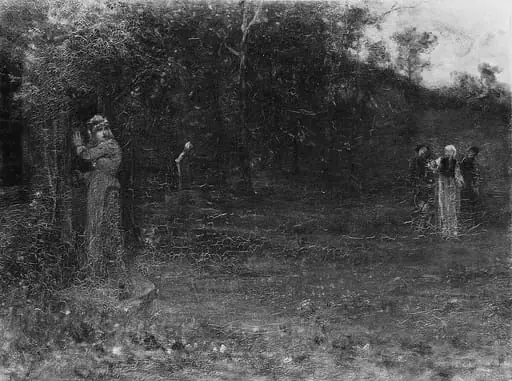
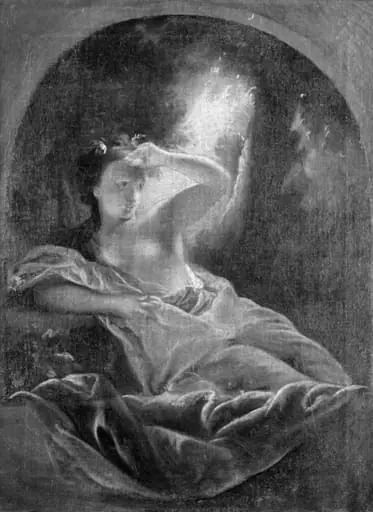
Arethusa is an oil painting by the Impressionist artist George Fuller. It is held in the collection of the Museum of Fine Arts Boston.
About this work
Overview
Painted in 1892 by George Fuller, Arethusa is an oil on canvas work currently in the collection of the Museum of Fine Arts, Boston.
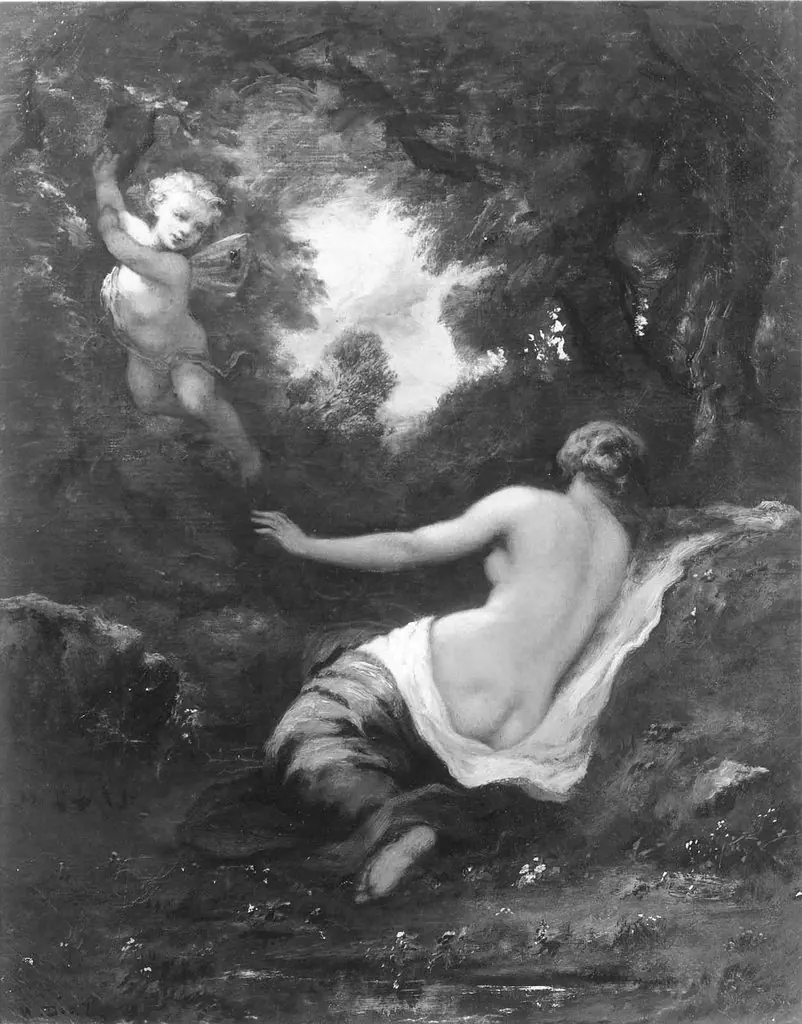
Painted in 1892 by George Fuller, Arethusa is an oil on canvas work currently in the collection of the Museum of Fine Arts, Boston. The piece presents a solitary female figure in a contemplative pose, rendered with careful attention to light and form. Its subdued palette and intimate scale emphasize quiet introspection over narrative drama, distinguishing it from more theatrical treatments of mythological subjects in the period.
Subject & Meaning
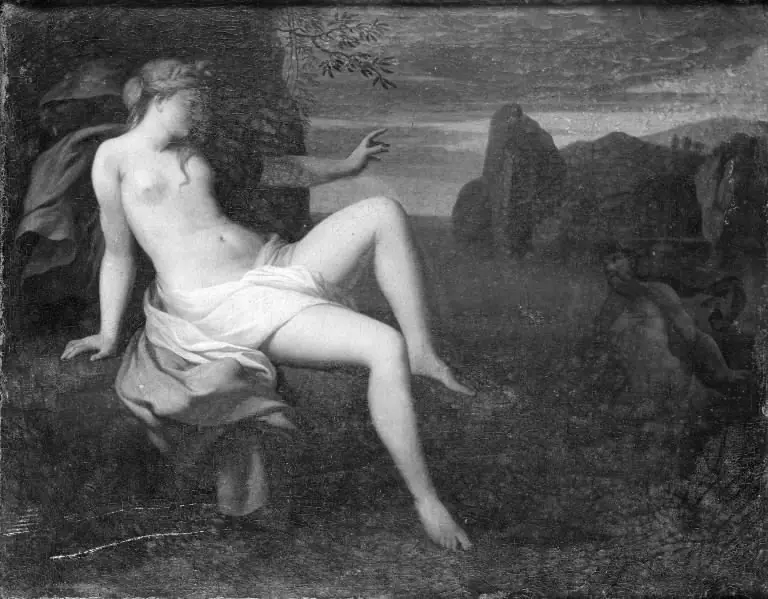
The figure represents Arethusa, a nymph from Greek mythology who transformed into a spring to escape pursuit. Fuller avoids explicit mythological symbolism, focusing instead on the moment of stillness after transformation. The kneeling posture and inward gaze suggest vulnerability and resignation, inviting interpretation as a meditation on autonomy, endurance, or inner peace rather than a literal retelling of the myth.
Technique & Style
Fuller employs chiaroscuro to model the figure with soft, graduated tones, enhancing the three-dimensionality of the form against a near-black background. The brushwork is restrained, favoring smooth transitions over texture. The lighting isolates the body, drawing focus to its contours and the subtle curvature of the spine. Hair and skin are rendered with equal delicacy, reinforcing the calm, unadorned presence of the subject.
History & Provenance
Completed in 1892, the painting entered the Museum of Fine Arts, Boston’s collection shortly after its creation. Fuller, known for his portraits and allegorical works, produced few mythological subjects, making this piece unusual in his oeuvre. Its acquisition by the museum reflects contemporary interest in psychologically nuanced figure studies, even when rooted in classical themes.
Context
In the late 19th century, American artists increasingly turned to mythological subjects as vehicles for emotional and philosophical expression. Fuller’s Arethusa aligns with this trend but diverges by rejecting grandeur in favor of quietude. Its minimalism contrasts with the dramatic compositions of European academic painters, reflecting a distinctly American inclination toward introspection and restraint.
Legacy
Arethusa remains one of Fuller’s most discussed works for its quiet intensity and departure from conventional mythological representation. While not widely reproduced, it is cited in studies of American Symbolism and the evolution of the female nude in late 19th-century art. Its enduring presence in the MFA Boston underscores its role as a thoughtful counterpoint to more sensational treatments of the same subject.
Artist & collection