Artwork
The Eclipse of the Sunflower
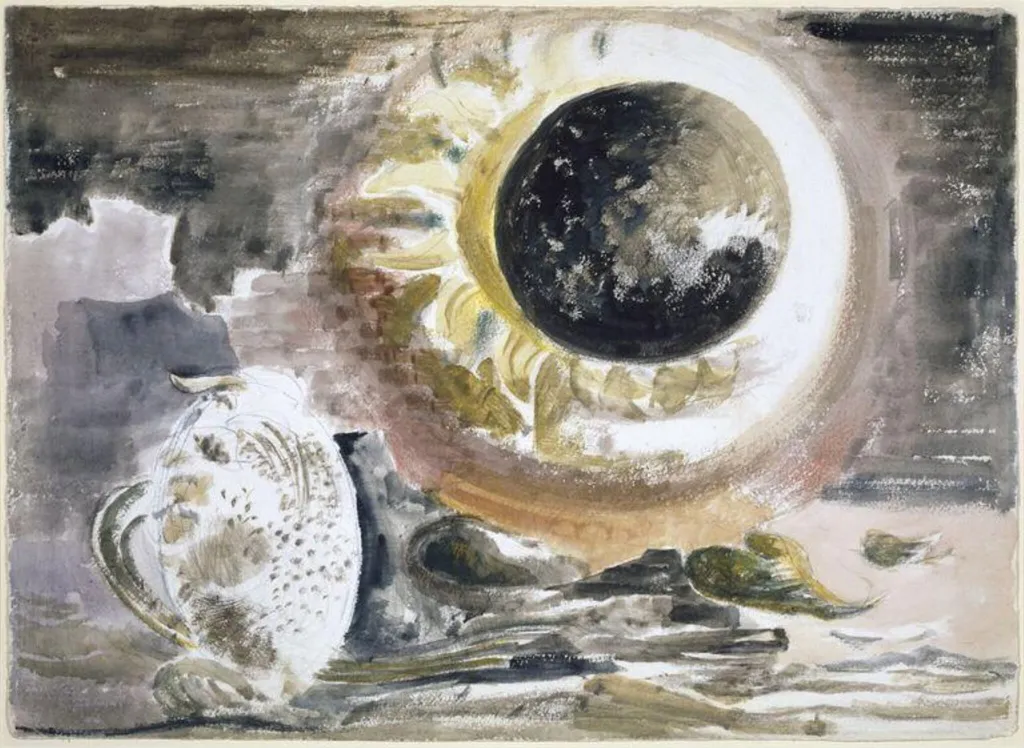
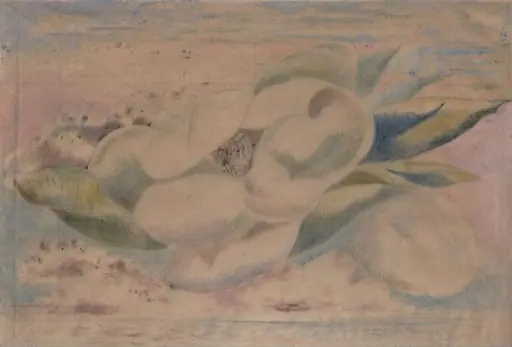
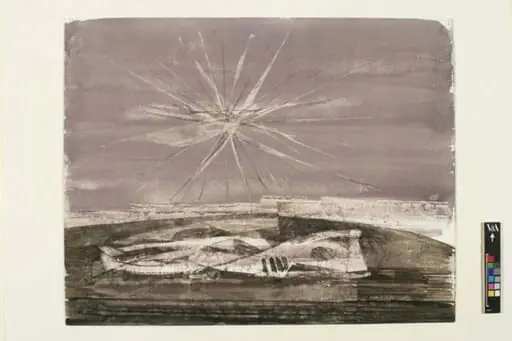
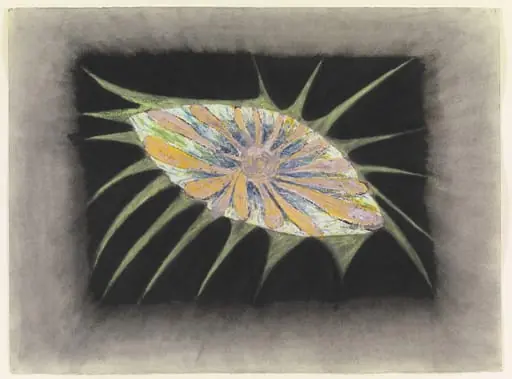
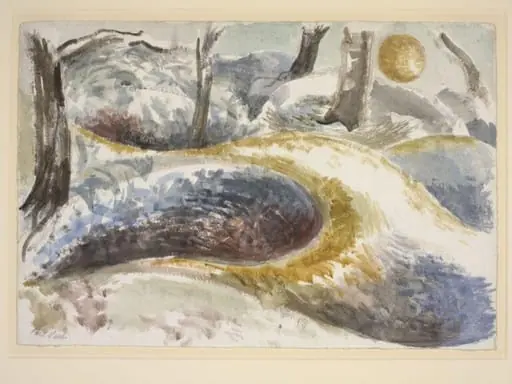
The Eclipse of the Sunflower is a watercolor work on paper by the Surrealist artist Paul Nash. It dates from 1945 and is held in the collection of the Victoria and Albert Museum.
About this work
The Eclipse of the Sunflower is a watercolour painting by Paul Nash. It's from 1945.
The painting was inspired by a poem by William Blake. This poem explores the relationship between the sun and a sunflower, and it compares the sun to an ideal object of human desire.
To learn more about the techniques used in this painting, look up the technique of sfumato.
Overview
Created in 1945, this watercolour by Paul Nash is a reinterpretation of his earlier oil painting of the same title.
Created in 1945, this watercolour by Paul Nash is a reinterpretation of his earlier oil painting of the same title. It draws from William Blake’s poem 'Ah, Sunflower!', which meditates on time, longing, and the cyclical motion of the sun. Nash transforms the natural form of the sunflower into a symbolic vessel, using its dark central disk to suggest the occlusion of the sun — a visual metaphor for cessation and quietude.
Subject & Meaning
The sunflower, traditionally a symbol of devotion to the sun, is rendered here in a state of stillness rather than motion. Its blackened center, dense with seeds, evokes an eclipse — not merely an astronomical event but a spiritual pause. Nash aligns this image with Blake’s theme of unfulfilled desire, where the flower’s yearning for the sun becomes an allegory for the soul’s search for transcendence beyond time.
Technique & Style
Nash employs watercolour with restrained precision, allowing the paper’s white to suggest light and the washes to define form with subtle gradations. The dark core of the flower is built through layered, opaque pigments, creating a dense, almost sculptural mass. The surrounding petals are rendered with delicate, fluid strokes, contrasting the heaviness of the center and reinforcing the tension between presence and absence.
History & Provenance
This watercolour was produced in the final year of World War II, during a period when Nash was deeply engaged with themes of loss and transformation. It belongs to a small group of works directly responding to Blake’s poetry, created after his earlier oil version. The piece remained in Nash’s possession until his death in 1946, later entering a public collection through his estate.
Context
Nash’s late work increasingly turned inward, blending personal symbolism with literary and spiritual references. In the aftermath of war, his interest in nature shifted from topographical representation to metaphysical inquiry. Blake’s verses, with their blend of mysticism and melancholy, offered a framework for expressing the quiet despair and enduring hope of his era.
Legacy
The painting stands as a quiet culmination of Nash’s symbolic approach to landscape. It reflects his ability to distill complex emotional and philosophical ideas into minimal, evocative forms. Though less widely known than his war art, this watercolour exemplifies his enduring engagement with poetry and the unseen forces shaping perception.
Artist & collection
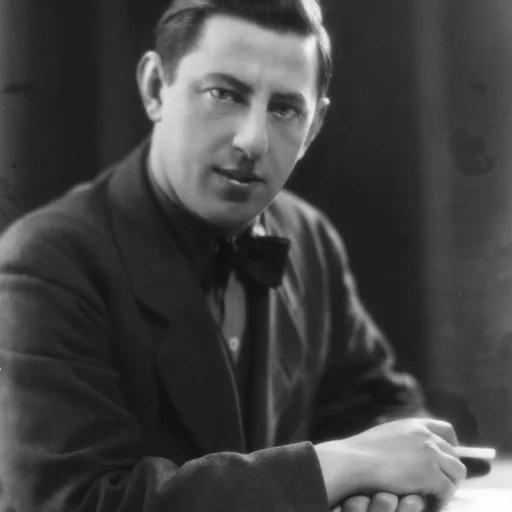
Artist
Paul Nash (11 May 1889 – 11 July 1946) was a British surrealist painter and war artist, as well as a photographer, writer and designer of applied art.