Artwork
Totes Meer (Dead Sea)
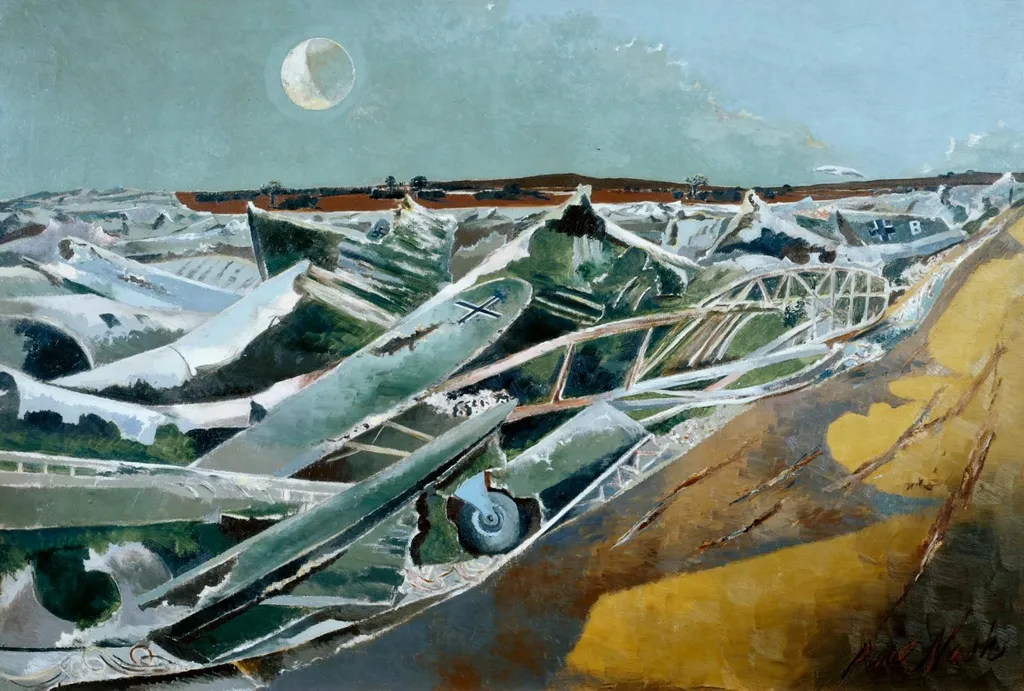
Totes Meer (Dead Sea) is an oil painting by the Surrealist artist Paul Nash. It dates from 1940 and is held in the collection of the National Gallery.
About this work
The twisted metal looks like jagged ice, a motif that may echo Caspar David Friedrich’s The Sea of Ice.
Totes Meer is a 1940 oil painting by British artist Paul Nash. The work measures about 40 by 60 inches and belongs to the Tate Britain collection. It was created during World War II and entered the Tate collection in 1946.
It shows a moonlit scene where the wreckage of German Luftwaffe planes lies like a graveyard. The twisted metal looks like jagged ice, a motif that may echo Caspar David Friedrich’s The Sea of Ice.
You might also explore the museum: Tate Britain.
Overview
Totes Meer is a 1940-1941 oil painting by Paul Nash, measuring 102 × 152 cm. It is part of the Tate Britain collection, having been acquired in 1946.
Subject & Meaning
The painting depicts a moonlit graveyard of crashed German Luftwaffe aircraft, with twisted metal wreckage resembling jagged ice. This seascape-like motif may be inspired by Caspar David Friedrich's The Sea of Ice, transforming a scene of destruction into a haunting, dreamlike landscape.
Technique & Style
Nash's use of oil paint creates a somber, nocturnal atmosphere, with the wreckage rendered in a way that blurs the line between representation and abstraction.
History & Provenance
Created during World War II, Totes Meer has been held by the Tate Gallery since 1946, providing a lasting record of the conflict's impact.
Artist & collection
Artist
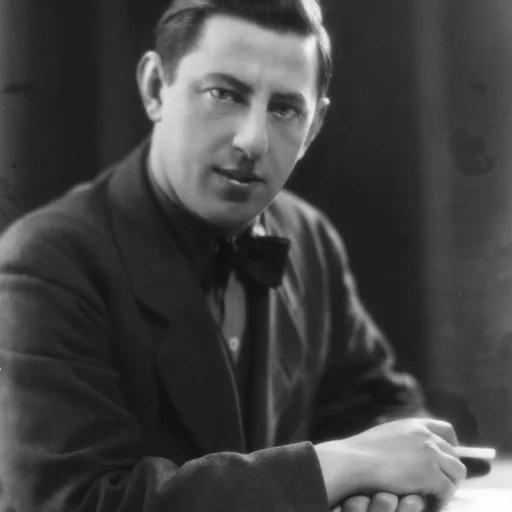
Paul Nash (11 May 1889 – 11 July 1946) was a British surrealist painter and war artist, as well as a photographer, writer and designer of applied art.