Artwork
Lauban in Silesia
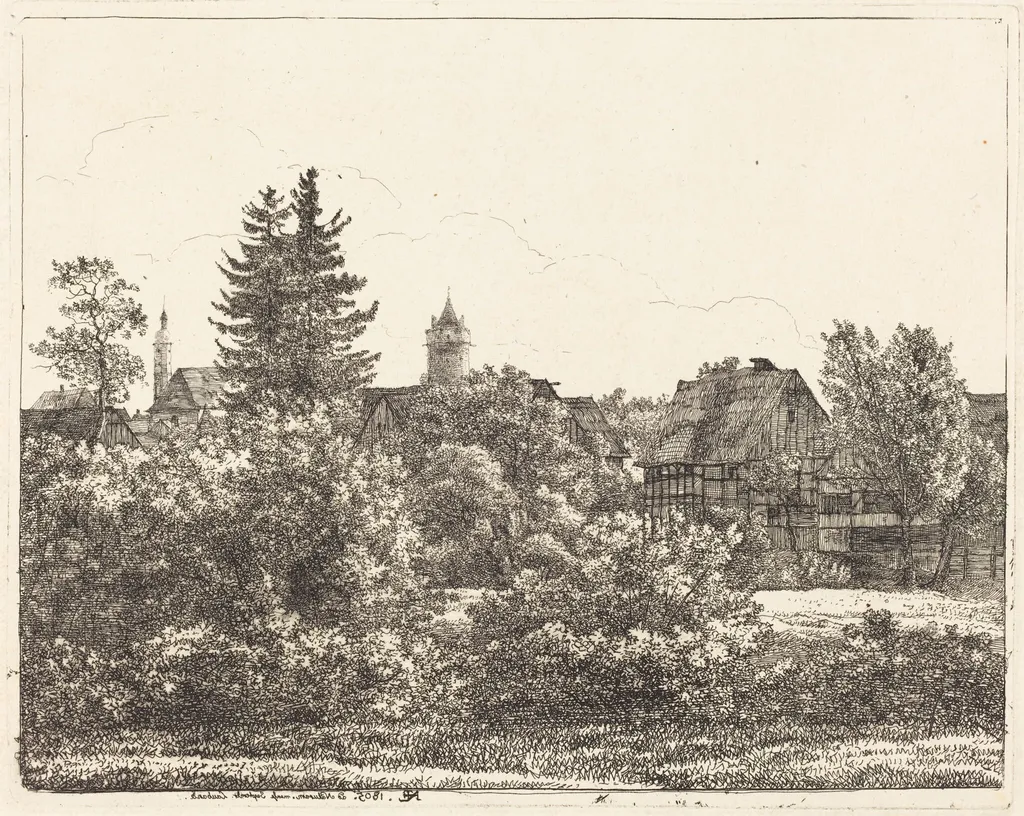
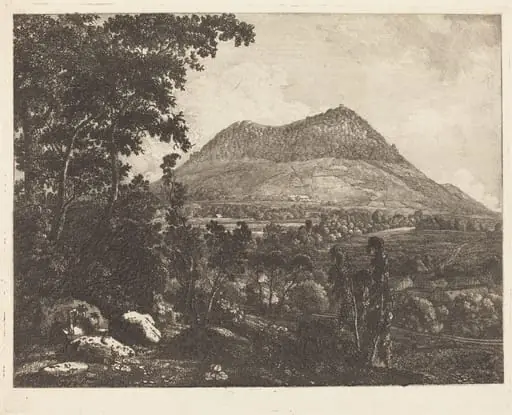
Lauban in Silesia is an ink print by the Romanticist artist Christoph Nathe. It dates from 1805 and is held in the collection of the National Gallery of Art.
About this work
Overview
Lauban in Silesia is an etching on wove paper created by German artist Christoph Nathe in 1805. The work showcases Nathe's proficiency in etching, a medium for which he is notably recognized alongside his work in miniatures and watercolors.
Subject & Meaning
The etching depicts a serene landscape of Lauban, a Silesian town, nestled among trees and rolling hills. The scene emphasizes everyday rural life, with thatched-roof buildings and a distant church steeple, set amidst dense natural surroundings of tall pines and bushes.
Technique & Style
Nathe employed fine etched lines to achieve depth and texture, particularly evident in the rendering of trees and hills. This technique characterizes the artist's graphic style in capturing detailed, nuanced landscapes.
History & Provenance
Created in 1805, towards the end of Nathe's active career (1753-1806), Lauban in Silesia reflects the artist's late-period work in etching. Specific provenance details are not provided.
Context
The piece exemplifies late 18th-century European artistic practices of documenting everyday landscapes with meticulous care, highlighting the intersection of natural and rural life.
Legacy
Lauban in Silesia stands as a representative example of Nathe's etching capabilities and the period's attention to detail in landscape art, though its broader impact or notable exhibitions are not specified.
Own this work as a print
Artist & collection

Artist
Christoph Nathe (3 January 1753, Nieder-Bielau - 10 December 1806, Schadewalde) was a German miniaturist, watercolorist and etcher.

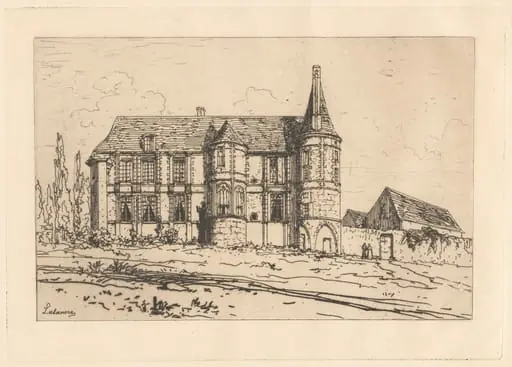 Castle with Two Towers
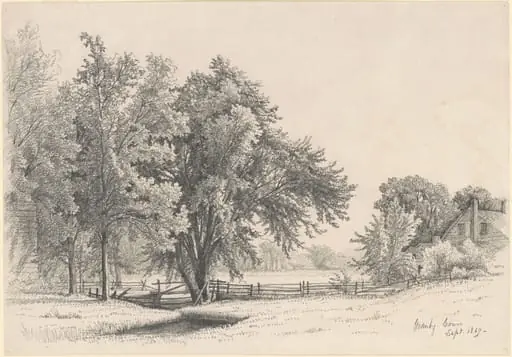 Granby, Connecticut
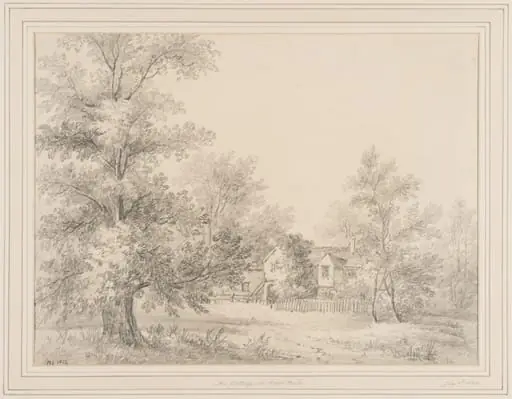 The cottage in Hyde Park
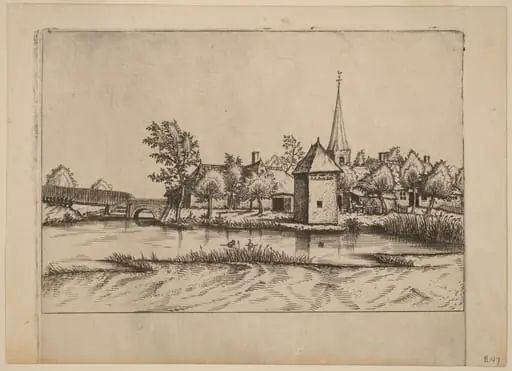 Country Village with Church and Bridge
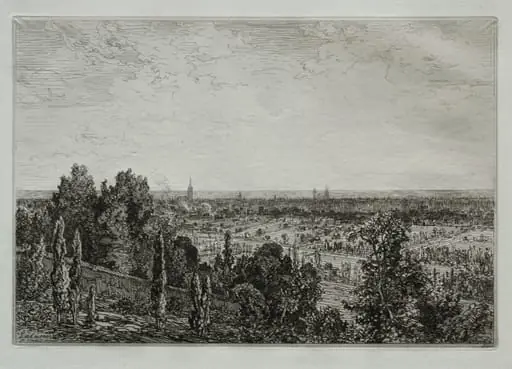 Bordeaux, View from the Coast of Cénon
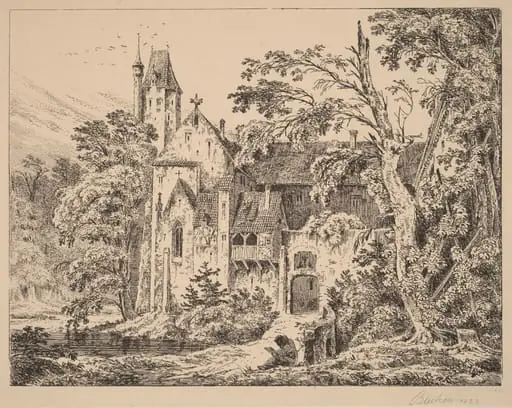 The Monastery in the Forest
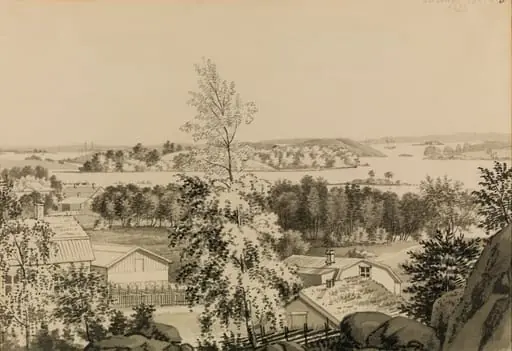 Näkymä Sörnäisistä etelään
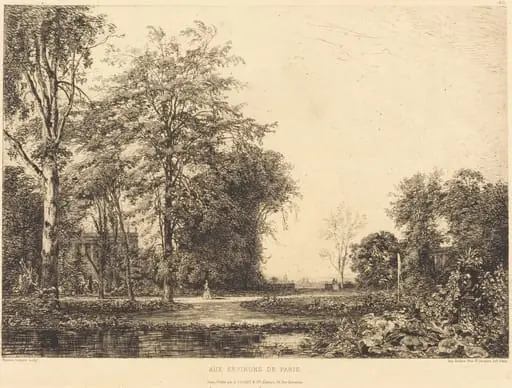 Aux environs de Paris
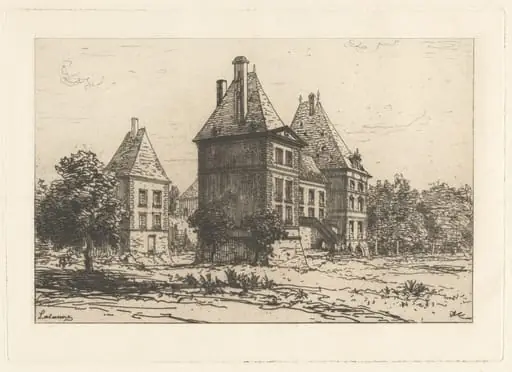 Castle with Two Wings
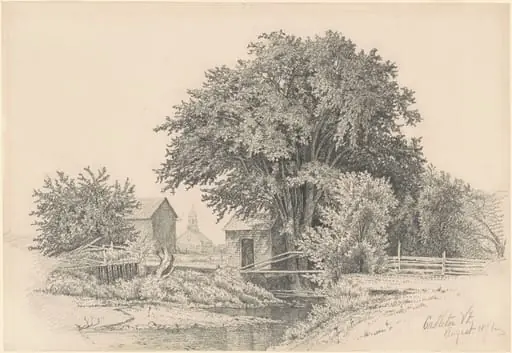 Castleton, Vermont
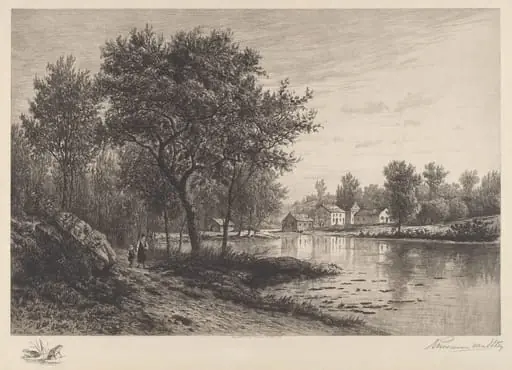 Untitled
 Der Watzmann bei Salzburg (The Watzmann near Salzburg)