Artwork
Mother and Child
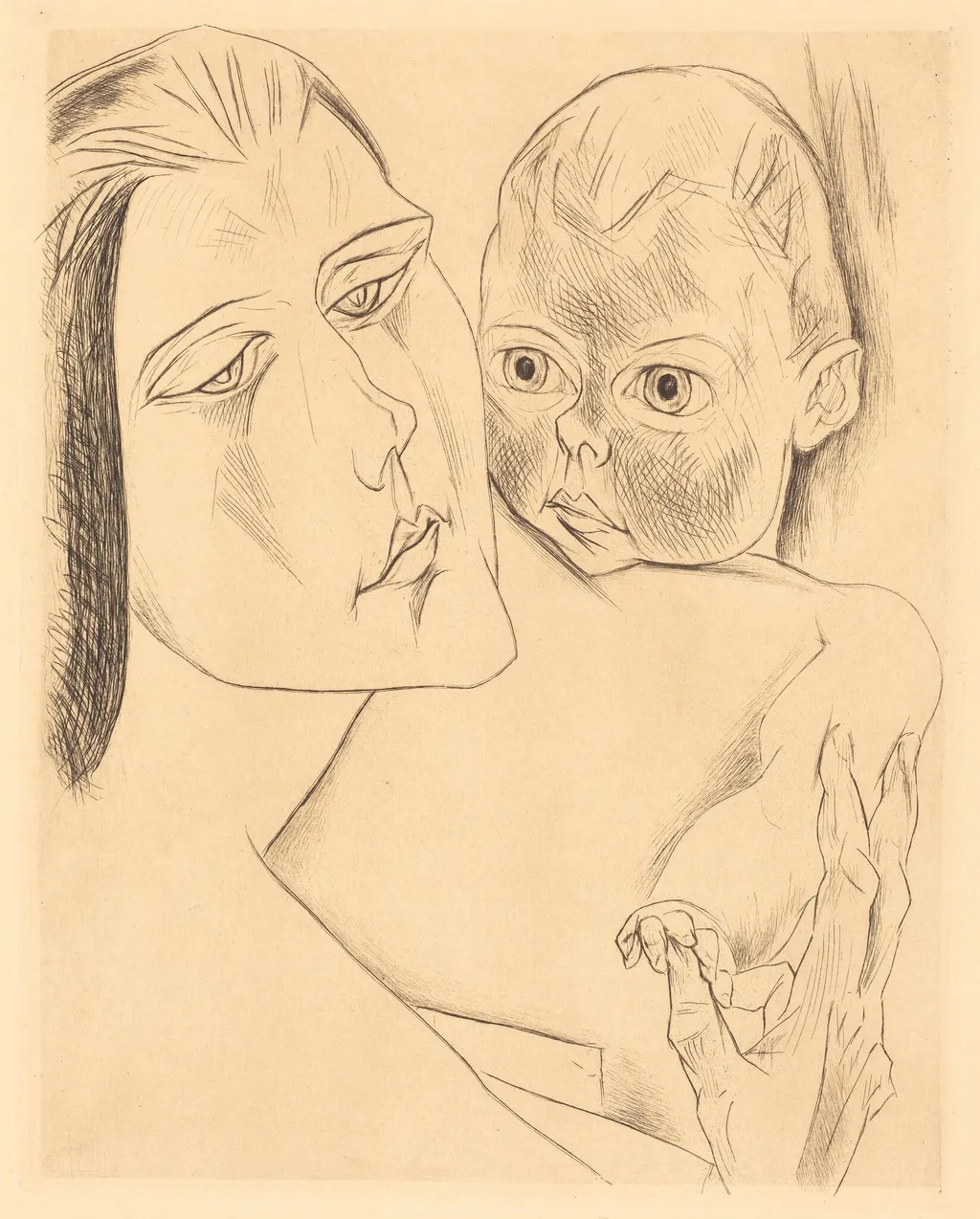
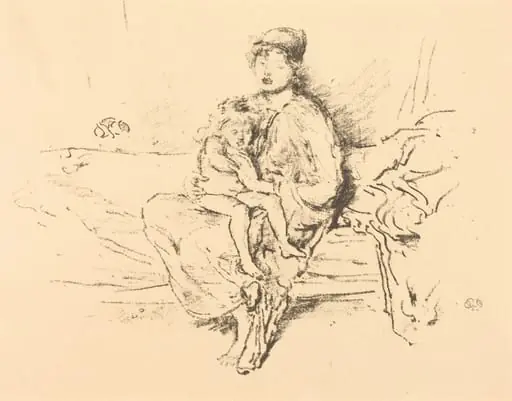
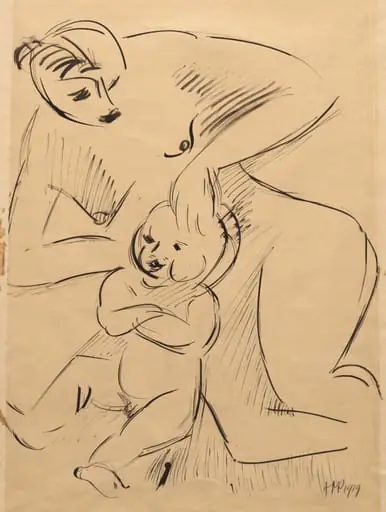
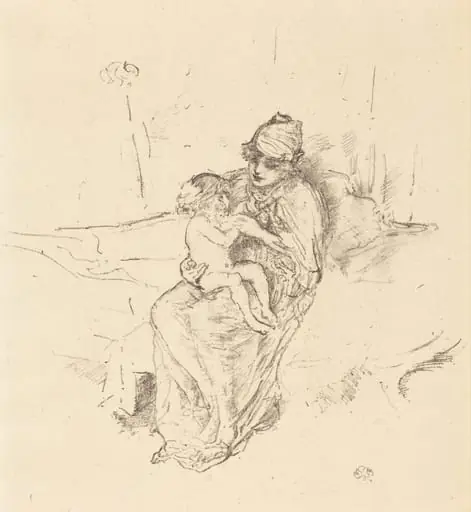
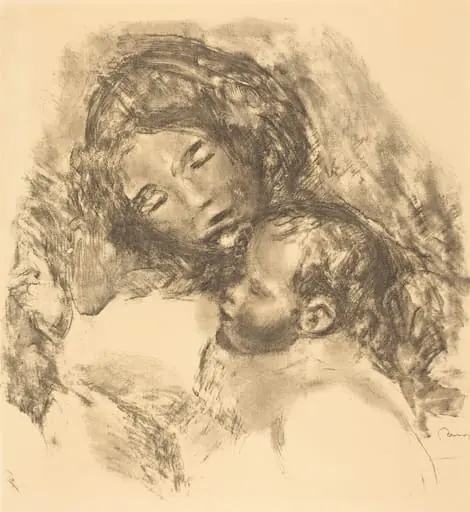
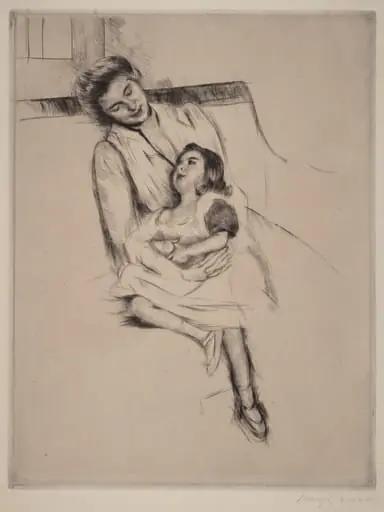
Mother and Child is an ink print by Heinrich Nauen. It dates from 1919 and is held in the collection of the National Gallery of Art.
About this work
Overview
Created in 1919, *Mother and Child* is an etching by German Expressionist Heinrich Nauen. While Nauen is chiefly recognized for landscapes and floral still lifes rendered in oils, watercolors, murals and mosaics, this print presents an intimate domestic scene. The work exemplifies the movement’s emphasis on emotional directness through simplified forms and stark line work.
Subject & Meaning
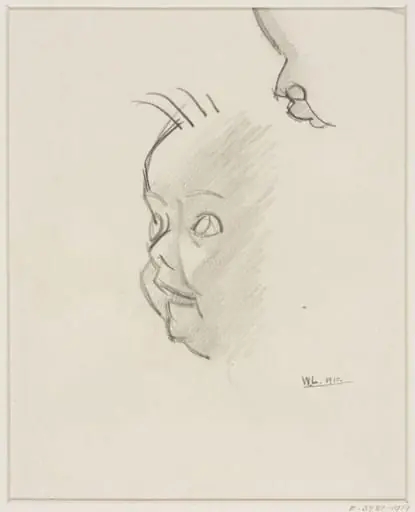
The composition depicts a mother and her infant in close proximity. The mother’s face is rendered with smooth, uncomplicated lines, conveying a calm, protective presence, while the baby’s large, round eyes and bald head draw immediate attention. The juxtaposition of the adult’s subdued gaze with the child’s direct stare suggests a tender yet alert relationship.
Technique & Style
Nauen employed pure line etching, avoiding tonal shading altogether. The artist incised the image with a needle, allowing the acid to bite the metal and produce crisp, unmodulated lines. This restraint heightens the immediacy of the figures, a hallmark of Expressionist graphic work that favors emotional impact over detailed modeling.
History & Provenance
The print emerged in the immediate post‑World War I period, a time when German artists increasingly turned to personal and domestic subjects. *Mother and Child* was produced in Nauen’s workshop and later circulated among collectors of modern prints, though specific exhibition histories remain limited.
Own this work as a print
Artist & collection
Artist
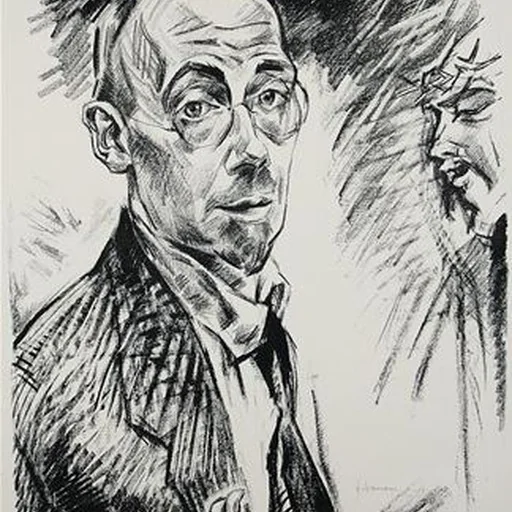
Heinrich Nauen (1 June 1880 – 26 November 1940) was a German Expressionist artist. He created oils, watercolors, and prints; as well as murals and mosaics. A large part of his output consists of landscapes and floral still-lifes.