Artwork
Sculptures at Crystal Palace
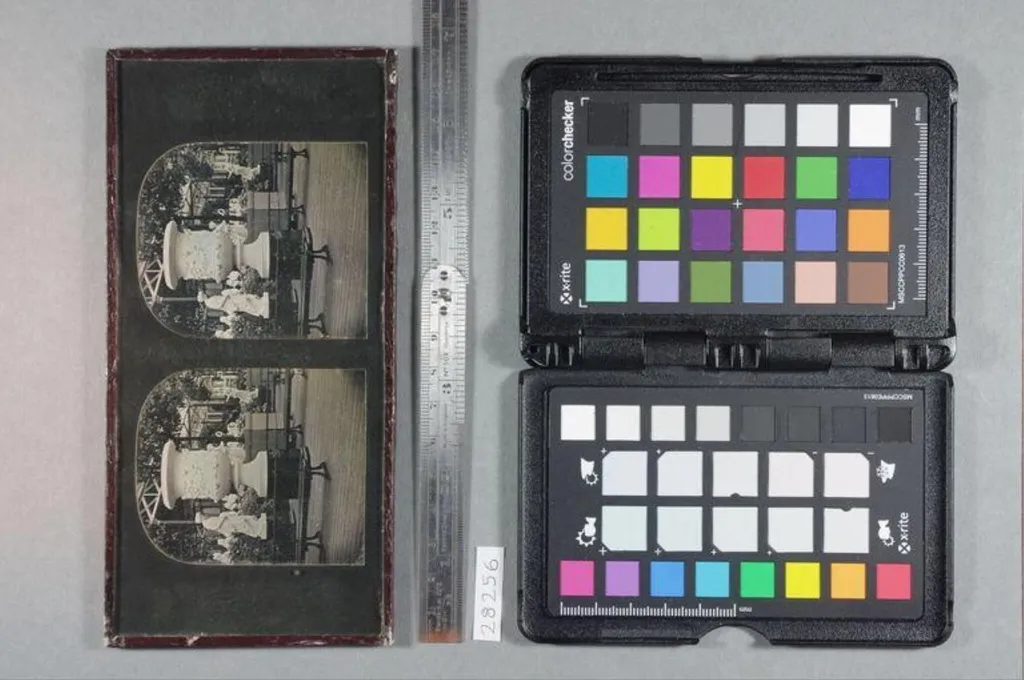
Sculptures at Crystal Palace is a photographic photography by the Impressionist artist Negretti and Zambra. It dates from 1855 and is held in the collection of the Victoria and Albert Museum.
About this work
Overview
The image, mounted in a black frame with dual arched windows and a passe-partout, was designed for three-dimensional viewing.
A stereoscopic daguerreotype from 1855, produced by Negretti and Zambra, captures a group of sculptural figures displayed outdoors at the Crystal Palace in Sydenham. The image, mounted in a black frame with dual arched windows and a passe-partout, was designed for three-dimensional viewing. It documents a temporary exhibition of classical-inspired statues, arranged on plinths with seating between them, reflecting the Victorian era’s interest in public access to art and antiquity.
Subject & Meaning
The sculptures depict a chariot scene, with two figures seated in a vehicle—one guiding the reins, the other possibly a passenger. Though not identified as specific mythological or historical figures, their composition evokes classical themes of triumph and motion. The arrangement suggests a ceremonial or allegorical intent, aligning with the Crystal Palace’s mission to educate the public through replicated antiquities and monumental art.
Technique & Style
The image is a daguerreotype, an early photographic process known for its fine detail and mirror-like surface. The stereoscopic format creates depth when viewed through a special device, enhancing the spatial experience of the sculpture display. The monochrome tone, typical of the medium, contrasts with the original polychromy of the statues, emphasizing form over color and reflecting the limitations and aesthetic priorities of mid-19th-century photography.
History & Provenance
The photograph was made during the early years of the Crystal Palace’s relocation to Sydenham, where it housed a vast collection of architectural and sculptural reproductions. Negretti and Zambra, prominent London photographers, documented the site extensively. The label on the reverse confirms its commercial origin, likely produced for sale to collectors or institutions interested in preserving the exhibition’s ephemeral displays.
Context
The Crystal Palace at Sydenham served as a cultural hub, blending education and entertainment by displaying casts of famous sculptures alongside botanical gardens and public events. This photograph reflects the broader 19th-century movement to democratize art through reproduction and mass display. The outdoor setting, with blurred trees and distant architecture, situates the sculptures within a newly designed public landscape meant to inspire civic pride and aesthetic appreciation.
Legacy
As one of many photographic records of the Crystal Palace’s sculpture garden, this daguerreotype contributes to the historical understanding of how art was curated and consumed in the Victorian age. Though the original sculptures have since been dispersed or lost, such images preserve their arrangement and context, offering insight into the intersection of photography, public exhibition, and the reproduction of classical art in the modern era.
Artist & collection
Artist

 Sculpture Court at Crystal Palace, including the Discobolus
 Sculpture Court at Crystal Palace, including Donatello's 'David'
 Sculpture of Ulysses at Crystal Palace
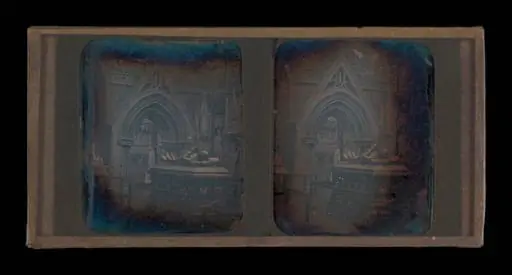 Gothic or Medieval Funerary Statuary
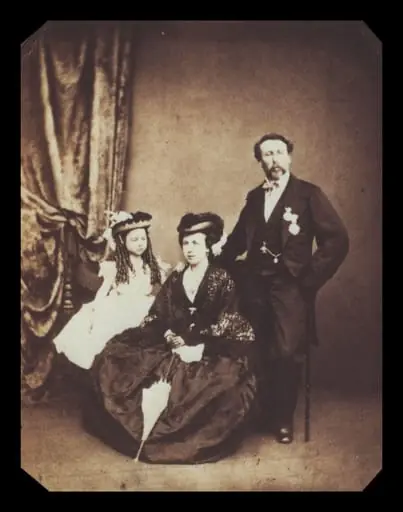 Guy Little Theatrical Photograph
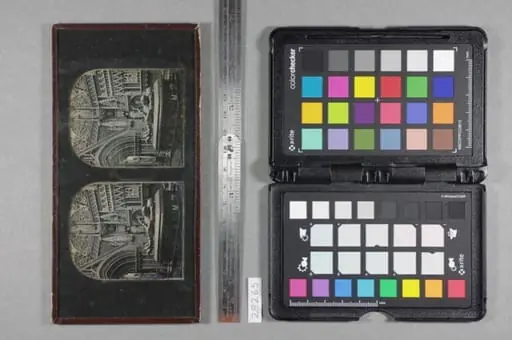 View of Gothic Architecture, Sculpture and Tomb Displayed at Crystal Palace
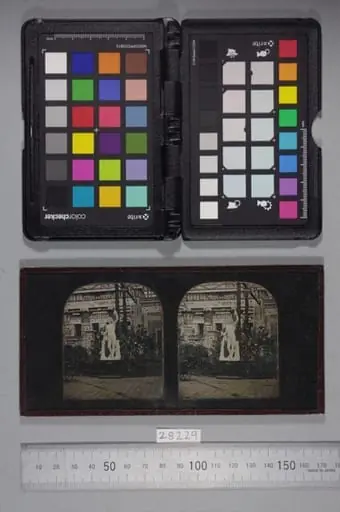 Sculpture of Bacchus at Crystal Palace
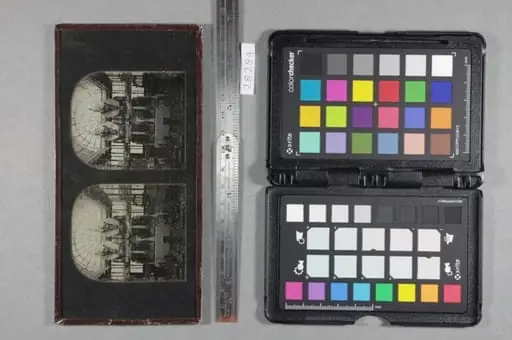 Monumental Egyptian Sculpture at Crystal Palace
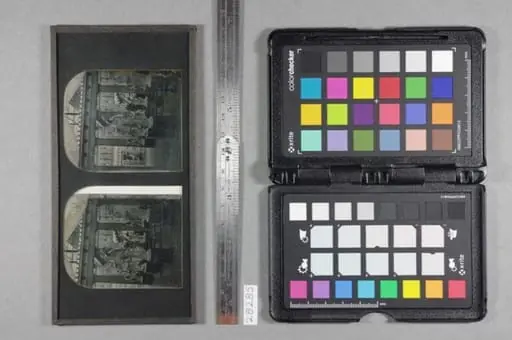 Greek and Egyptian Sculpture at Crystal Palace
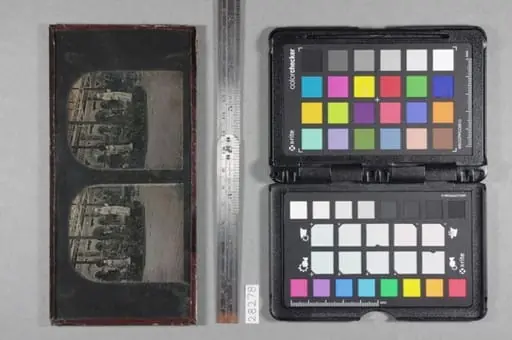 Interior View of the Crystal Palace with Sculptures
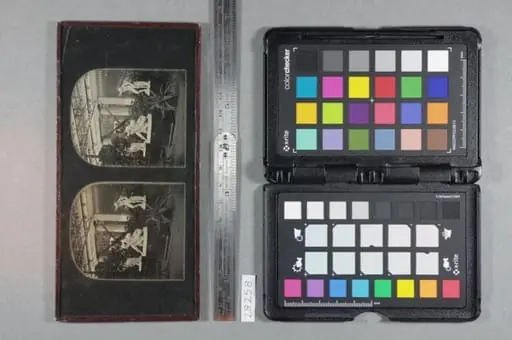 Sculpture Court at Crystal Palace, including 'The Wrestlers'
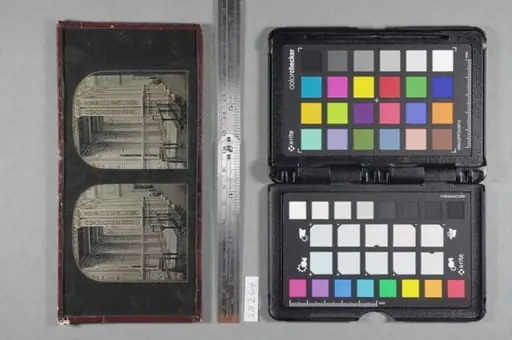 View of Architectural Sculpture Displayed at Crystal Palace
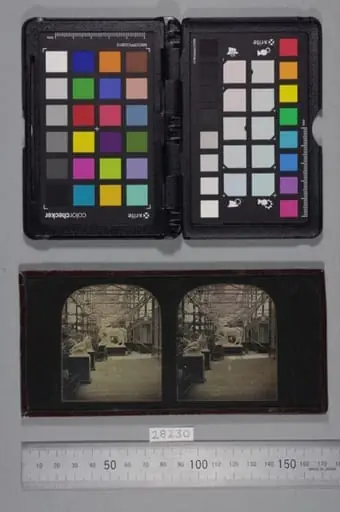 Sculptures Displayed at Crystal Palace
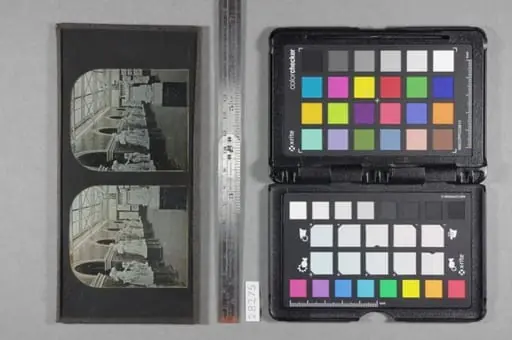 Sculptures on display at Crystal Palace
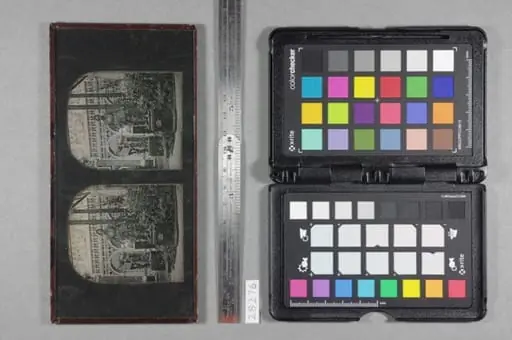 Sculptures at Crystal Palace including a 'Figure from the Tomb of Maximilian at Innsbruck'
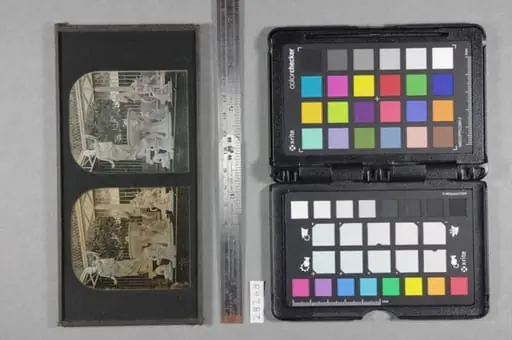 Greco-Roman Sculptures at Crystal Palace
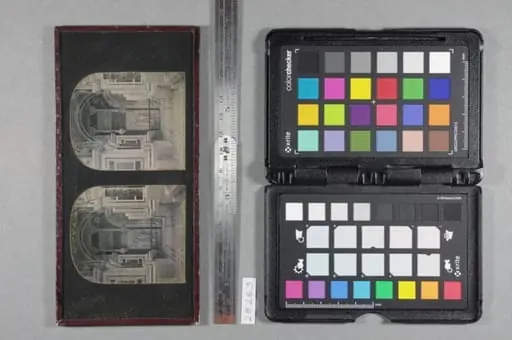 View of the Interior with Renaissance Sculptures at Crystal Palace
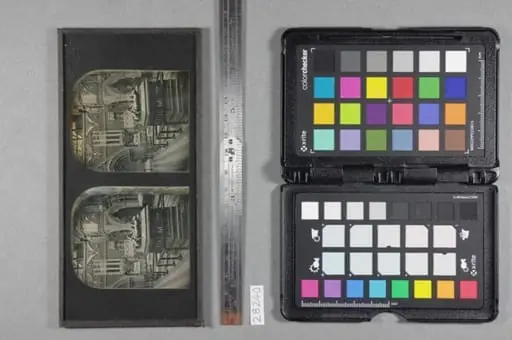 Medieval Architecture and Sculpture at Crystal Palace
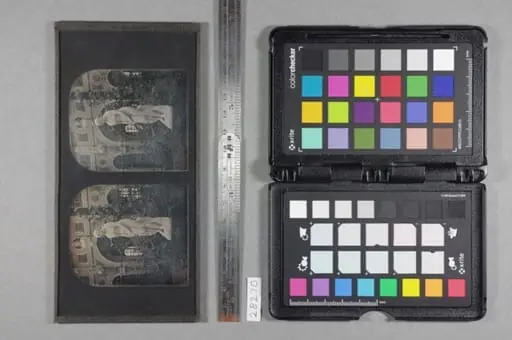 Statue of Venus at Crystal Palace