Artwork
Sculptures at the Crystal Palace
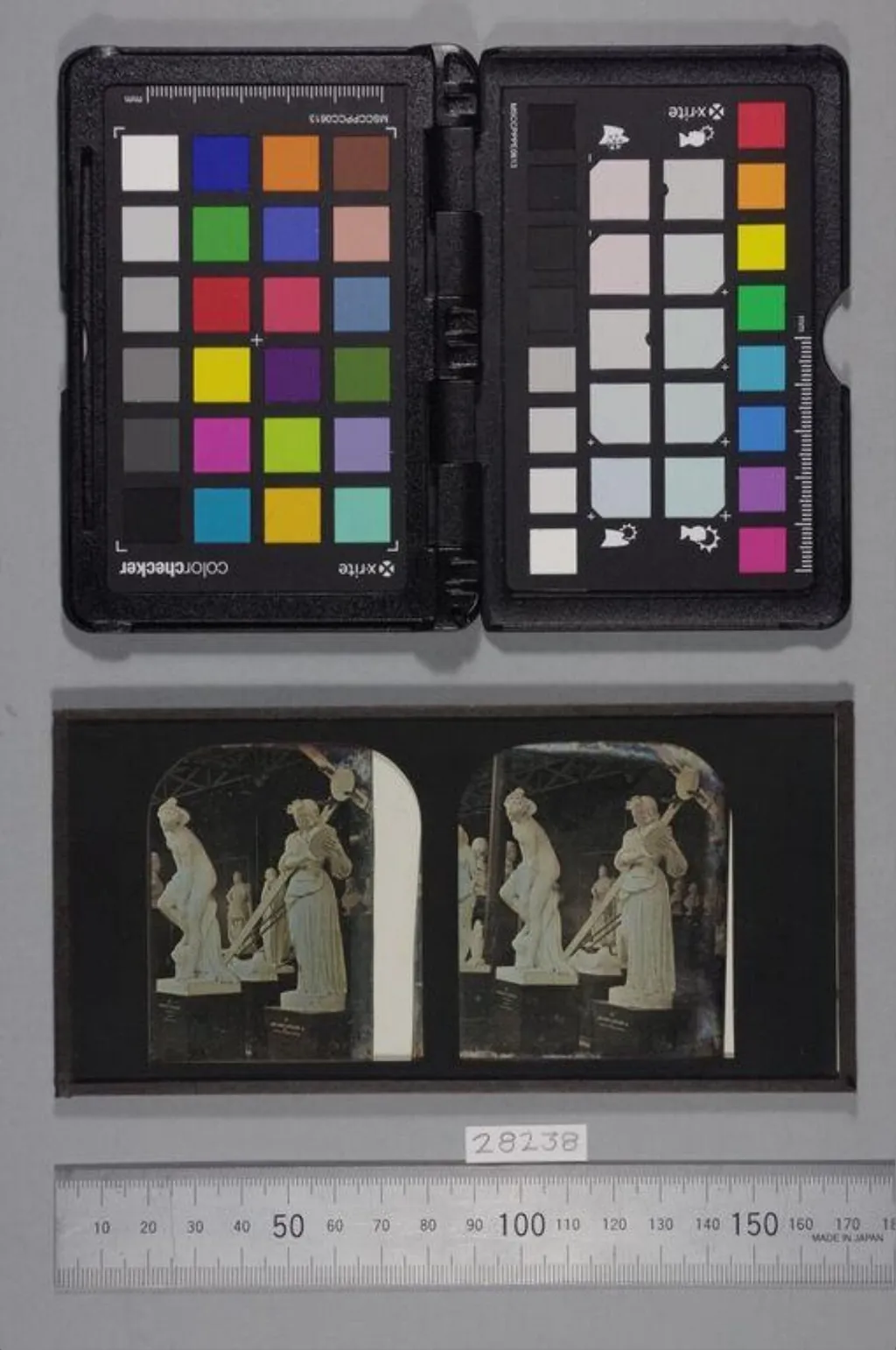
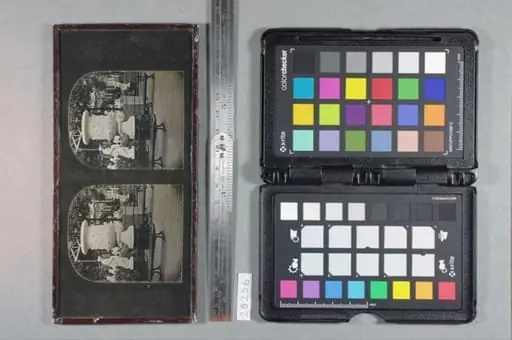
Sculptures at the Crystal Palace is a photographic photography by the Impressionist artist Negretti and Zambra. It dates from 1855 and is held in the collection of the Victoria and Albert Museum. A stereoscopic daguerreotype from 1855 captures a section of the sculpture collection at the Crystal Palace in Sydenham.
About this work
Overview
The composition emphasizes the arrangement of statuary within the palace’s interior, framed by architectural elements and subdued lighting.
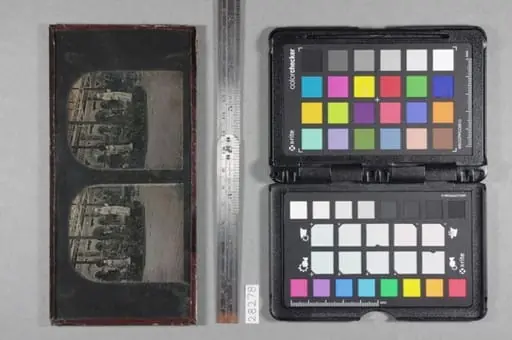
A stereoscopic daguerreotype from 1855 captures a section of the sculpture collection at the Crystal Palace in Sydenham. The image is presented within a black mount featuring two arched windows, typical of stereoscopic viewers of the period. A color chart appears at the top, suggesting the photograph was used for chromatic reference. The composition emphasizes the arrangement of statuary within the palace’s interior, framed by architectural elements and subdued lighting.
Subject & Meaning
Two statues dominate the foreground: one depicting a female figure holding a torch, possibly representing enlightenment or civic virtue, and another showing a male figure with a tool, likely a sculptor or laborer. These figures, drawn from classical and contemporary models, reflect the Victorian fascination with idealized human forms and the educational mission of the Crystal Palace’s display. Their placement invites comparison between mythological and artisanal representations of the human body.
Technique & Style
The image is a daguerreotype, an early photographic process known for its sharp detail and mirror-like surface. The stereoscopic format creates a three-dimensional effect when viewed through a specialized device. The color chart at the top indicates deliberate use for color analysis, unusual for the time. The blurred background and low light suggest long exposure, emphasizing the static nature of the sculptures against the transient quality of the photographic medium.
History & Provenance
The photograph was taken during the early years of the Crystal Palace’s relocation to Sydenham, where it housed a vast collection of plaster casts of classical and Renaissance sculptures. This image likely served as a documentary record for scholars, collectors, or the public. Its preservation in institutional collections, such as the Victoria and Albert Museum, underscores its role in the history of photographic documentation and public art education in mid-19th-century Britain.
Context
The Crystal Palace at Sydenham functioned as a public museum and educational space, making high art accessible to a broad audience. Sculptures displayed there were often reproductions of celebrated works, intended to elevate public taste. The inclusion of a color chart in the photograph reflects contemporary efforts to standardize visual perception and reproduction, aligning with broader scientific and industrial interests in measurement and accuracy during the Industrial Revolution.
Legacy
This photograph exemplifies early attempts to use photography not merely for documentation but as a tool for visual analysis and pedagogy. Its survival in museum archives highlights the growing importance of photographic records in art history. The integration of color reference within the frame anticipates later developments in color theory and reproduction, marking a transitional moment in how visual culture was studied and preserved.
Artist & collection
Artist

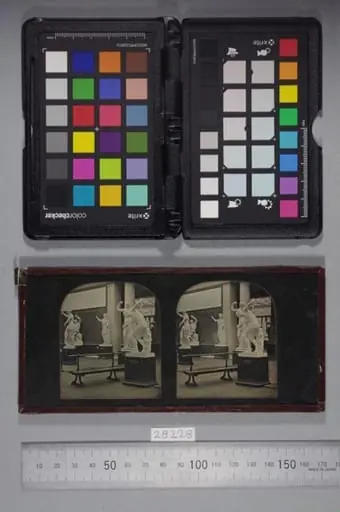 Sculpture Court at Crystal Palace, including the Discobolus
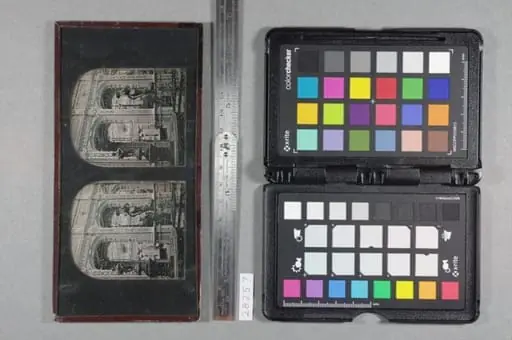 Sculpture Court at Crystal Palace, including Donatello's 'David'
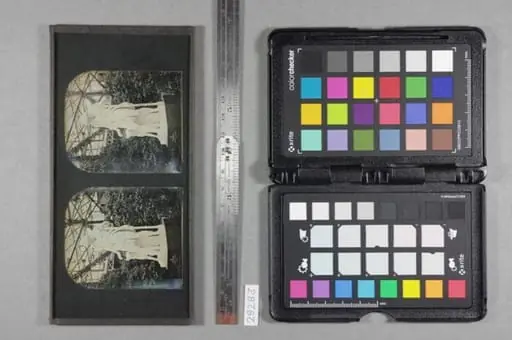 Sculpture of Ulysses at Crystal Palace
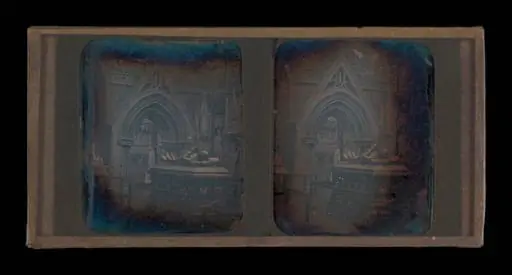 Gothic or Medieval Funerary Statuary
 Guy Little Theatrical Photograph
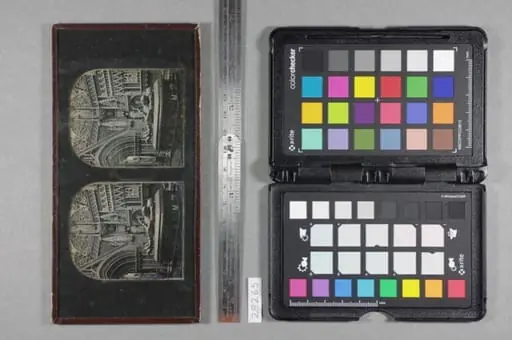 View of Gothic Architecture, Sculpture and Tomb Displayed at Crystal Palace
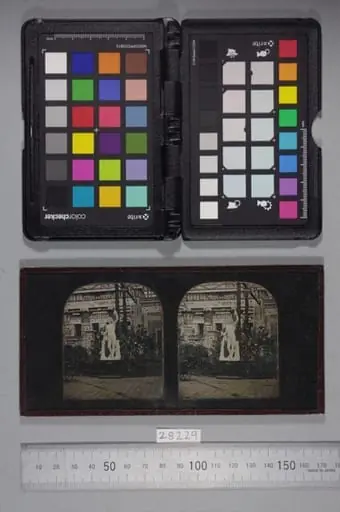 Sculpture of Bacchus at Crystal Palace
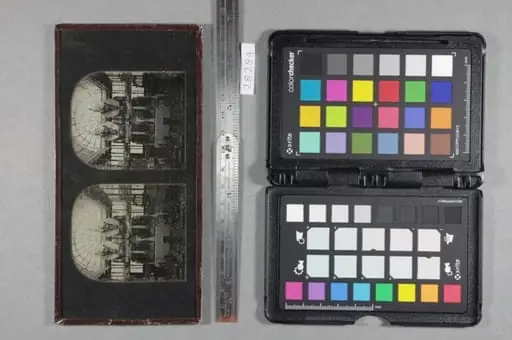 Monumental Egyptian Sculpture at Crystal Palace
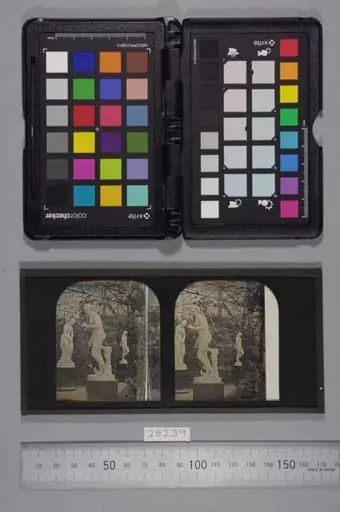 Sculptures at the Crystal Palace
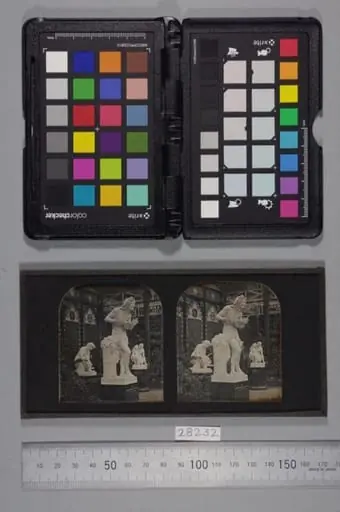 Sculpture Court at Crystal Palace
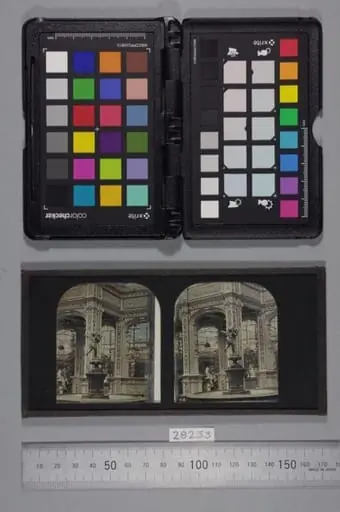 Crystal Palace Interior
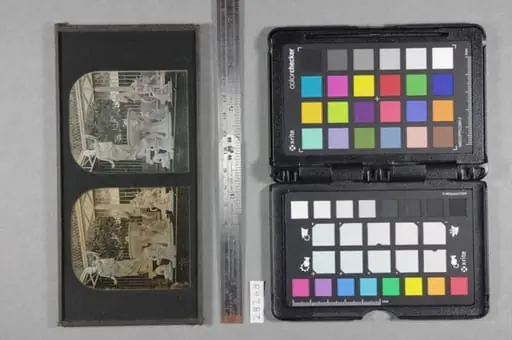 Greco-Roman Sculptures at Crystal Palace
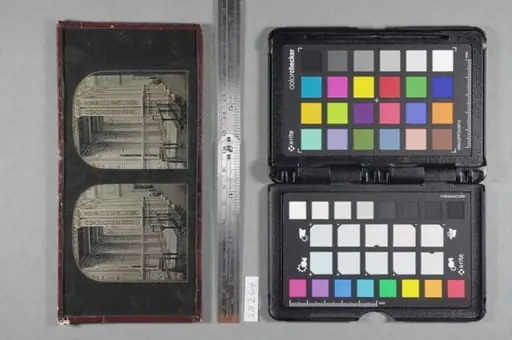 View of Architectural Sculpture Displayed at Crystal Palace
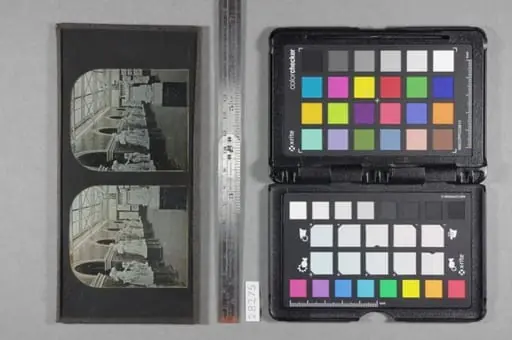 Sculptures on display at Crystal Palace
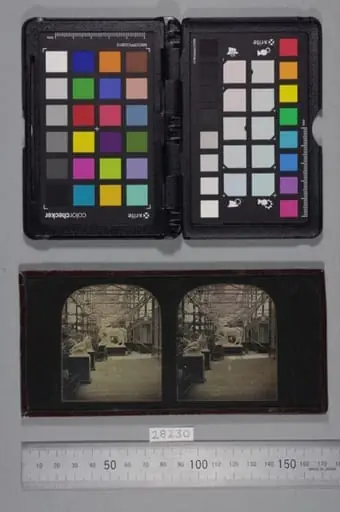 Sculptures Displayed at Crystal Palace
 Sculptures at Crystal Palace
 Interior View of the Crystal Palace with Sculptures