Artwork
Sculptures at the Crystal Palace
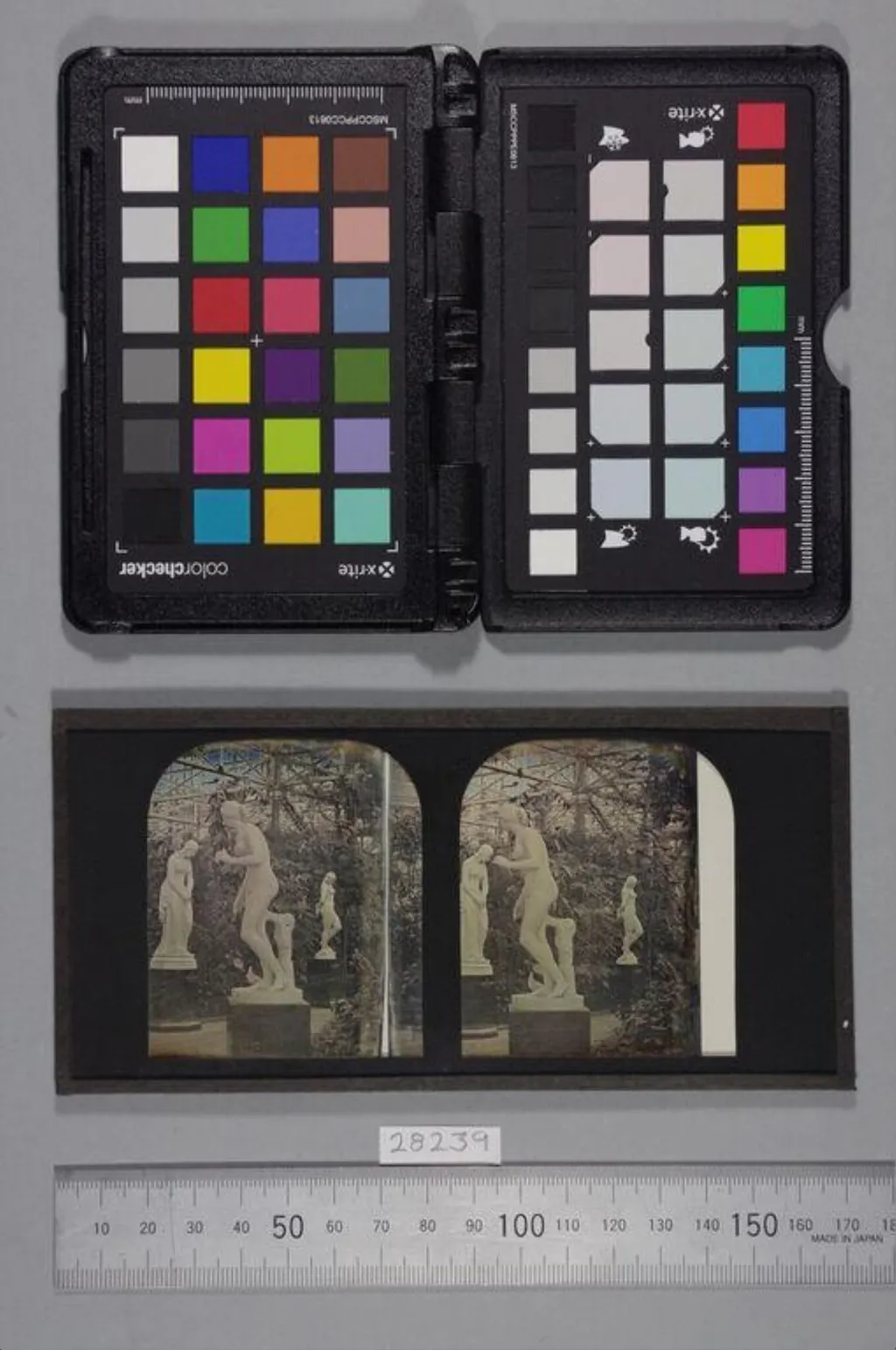
Sculptures at the Crystal Palace is a photographic photography by the Impressionist artist Gladwell City Stereoscopic Depot. It dates from 1855 and is held in the collection of the Victoria and Albert Museum.
About this work
Overview
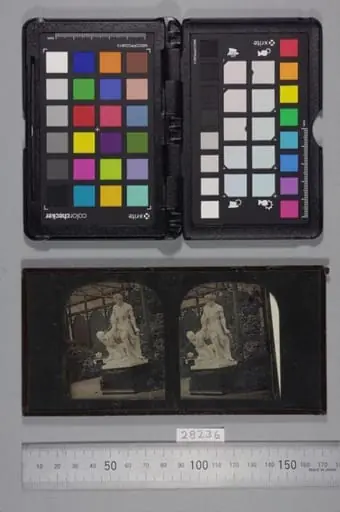
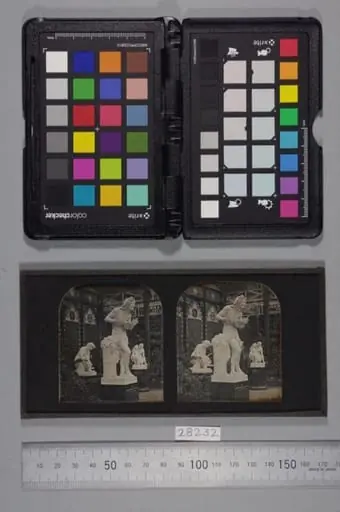
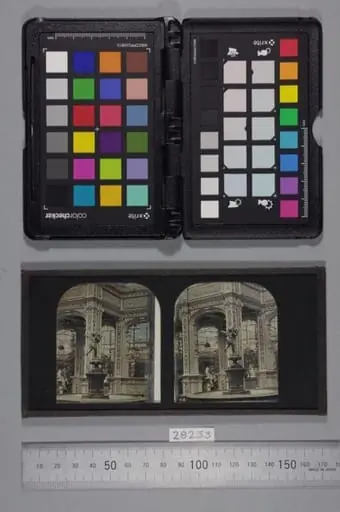
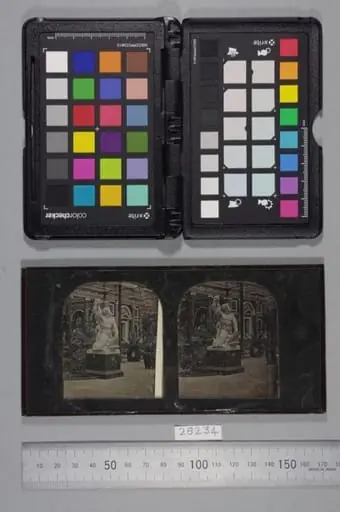
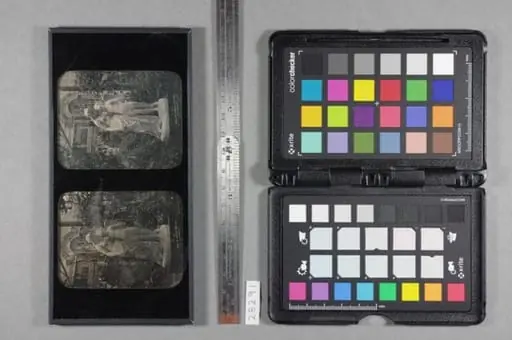
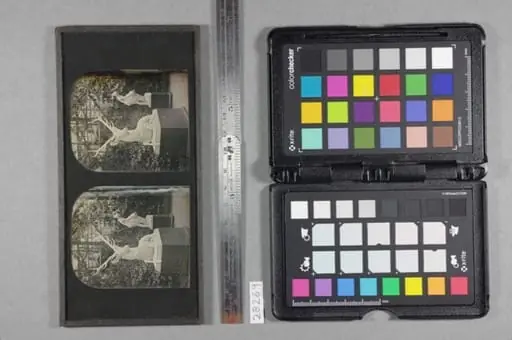
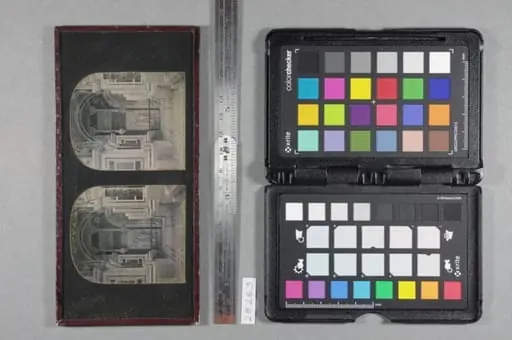
The image is a stereoscopic daguerreotype created in 1855 that records three nude female sculptures displayed within the Crystal Palace after its move to Sydenham in 1854. The photograph is presented in a black-mounted frame with two arched rectangular openings, set behind a glazed passe‑partout. A label on the rear identifies the work as part of the City Stereoscopic Depot collection.
Subject & Meaning
The composition captures three classical‑style female figures arranged in the exhibition space of the Crystal Palace. Their nude forms reflect the Victorian fascination with antiquity and the educational purpose of the Palace’s art displays, offering visitors a visual study of idealized human anatomy within a public setting.
Technique & Style
As a daguerreotype, the image records a single silver‑coated copper plate exposed to light, producing a highly detailed monochrome view. The stereoscopic format splits the scene into two nearly identical images, intended for viewing through a stereoscope, which creates a perception of depth and three‑dimensionality for the viewer.
History & Provenance
The photograph was produced shortly after the Crystal Palace’s relocation from Hyde Park to Sydenham, documenting the early exhibition of its sculpture collection. It entered the City Stereoscopic Depot’s holdings, a repository for 19th‑century stereoscopic images, where it remains catalogued with its original mounting and labeling.
Context
The Crystal Palace, originally built for the 1851 Great Exhibition, became a cultural hub for art, science, and industry. Displaying classical nude sculptures aligned with contemporary educational aims, while the use of stereoscopic photography reflected the era’s enthusiasm for new visual technologies that could bring distant scenes into intimate, immersive view.
Artist & collection
Artist
Gladwell City Stereoscopic Depot
They shot everything twice, once for each eye, because 3D was the nineteenth century’s party trick.

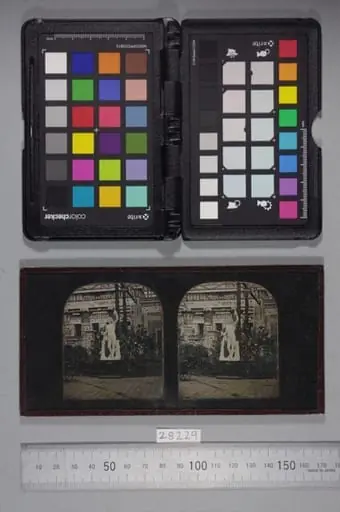 Sculpture of Bacchus at Crystal Palace
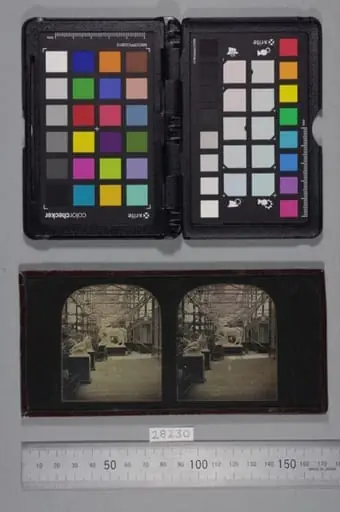 Sculptures Displayed at Crystal Palace
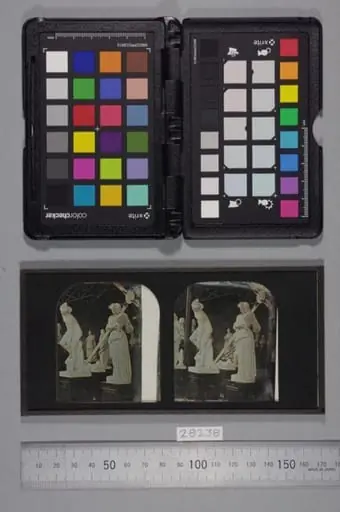 Sculptures at the Crystal Palace
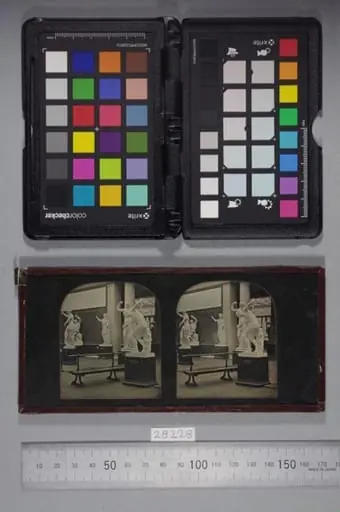 Sculpture Court at Crystal Palace, including the Discobolus
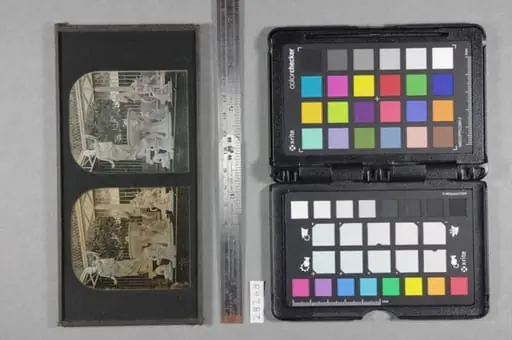 Greco-Roman Sculptures at Crystal Palace
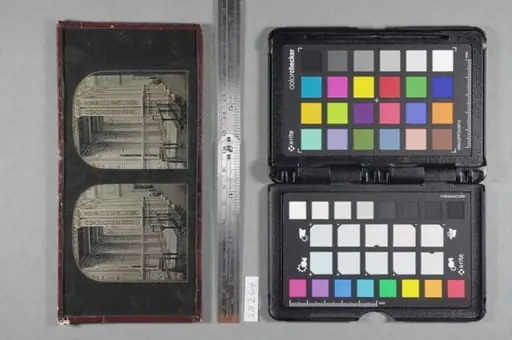 View of Architectural Sculpture Displayed at Crystal Palace
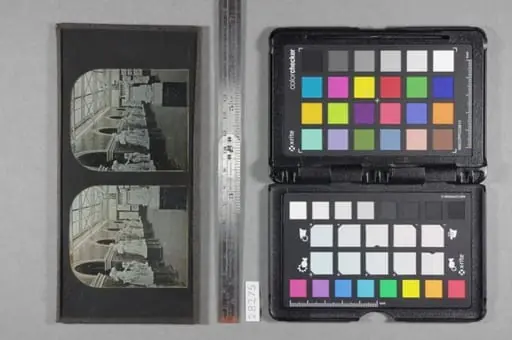 Sculptures on display at Crystal Palace
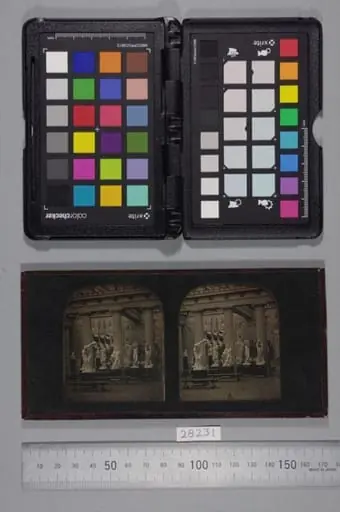 Sculpture Court including the Discobolus at Crystal Palace
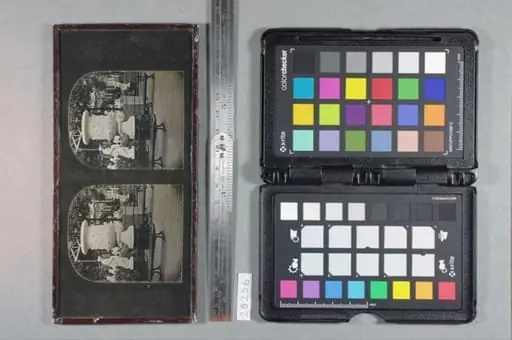 Sculptures at Crystal Palace
 View of the Interior with Renaissance Sculptures at Crystal Palace