Artwork
Circle of stones near Tormore, Isle of Arran
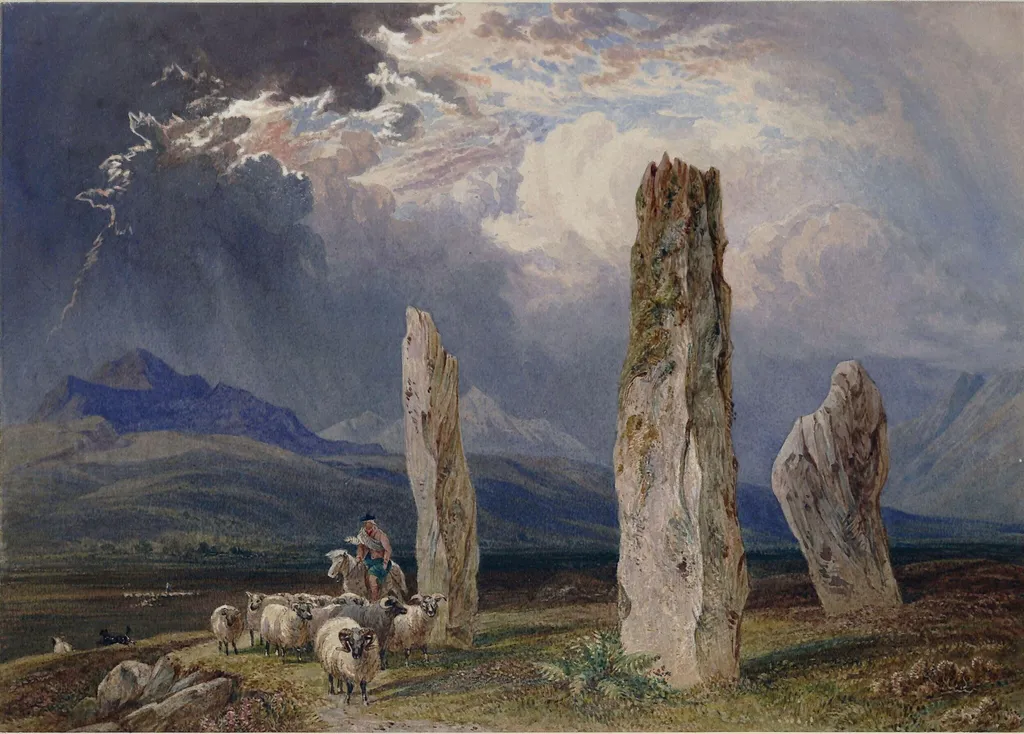
Circle of stones near Tormore, Isle of Arran is a watercolor work on paper by William Andrews Nesfield. It dates from 1850 and is held in the collection of the Victoria and Albert Museum. A watercolour from the early 19th century captures a remote stone circle on the Isle of Arran, near Tormore.
About this work
Overview
A watercolour from the early 19th century captures a remote stone circle on the Isle of Arran, near Tormore. The scene is rendered in soft, muted tones—greens, browns, and pale blues—with a storm-laden sky dominating the upper half. A solitary shepherd on horseback guides a small flock through the rocky terrain, grounding the composition in quiet rural life rather than myth or grandeur.
Subject & Meaning
The painting centers on Stone Circle 2 at Machrie Moor, where three upright stones survive from an original cluster of seven or eight.
The painting centers on Stone Circle 2 at Machrie Moor, where three upright stones survive from an original cluster of seven or eight. Rather than emphasizing ancient ritual, the artist frames the stones as enduring features of the landscape, subtly integrated with the daily activity of shepherding. The presence of the shepherd suggests continuity between the land’s prehistoric past and its ongoing use by local communities.
Technique & Style
Executed in watercolour, the work employs delicate washes to suggest atmospheric depth and shifting light. The dark, brooding sky contrasts with the lighter earth tones, heightening the sense of weather and isolation. Brushwork is restrained, with soft edges and minimal detail, reinforcing the mood of quiet contemplation rather than dramatic spectacle.
History & Provenance
The painting was part of Thomas Brown Esq.’s collection, sold at Christie’s in 1869 under the title *Druidical Remains of Tormore, Arran*. It may have been exhibited in 1828 at the Old Water-Colour Society as *Druidical Temple of Tormore, Arran*, reflecting contemporary interest in Britain’s ancient monuments as subjects for landscape art.
Context
In the early 1800s, antiquarian interest in megalithic sites grew alongside Romanticism’s fascination with nature and ruins. Artists often depicted such sites not as archaeological relics but as poetic elements within pastoral scenes. This work aligns with that trend, blending topographical accuracy with emotional atmosphere to evoke a sense of timelessness.
Legacy
The painting contributes to a broader 19th-century visual record of Scotland’s prehistoric monuments, documenting their condition and integration into rural life before modern archaeology took hold. Its quiet focus on human presence amid ancient stone offers a counterpoint to more sensationalized interpretations of druidic sites, preserving a more grounded historical perspective.
Artist & collection

Artist
William Andrews Nesfield (1793–1881) was an English soldier, landscape architect and artist.

 Landscape in Scotland
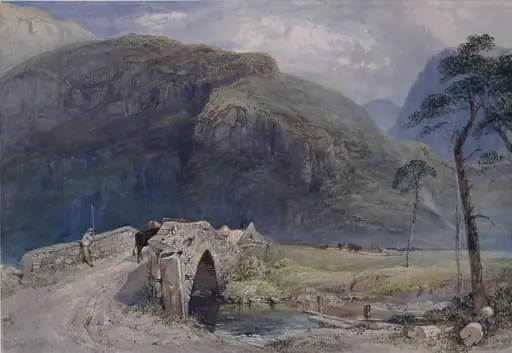 Landscape with bridge and cattle
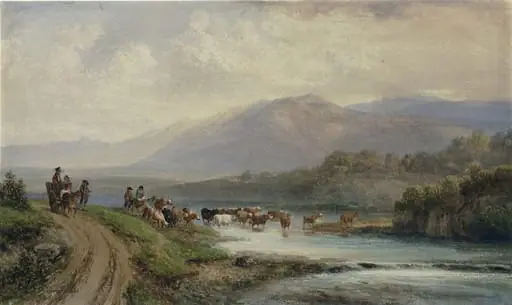 The Ford
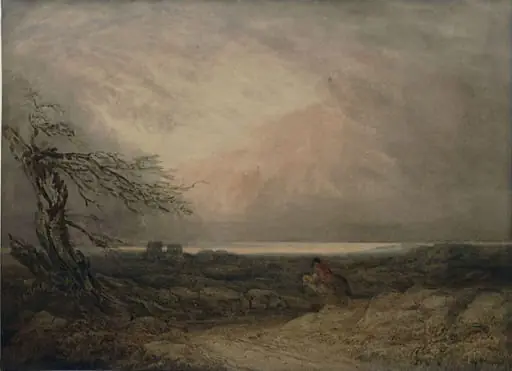 Landscape with Ruins and Horseman : Stormy Effect
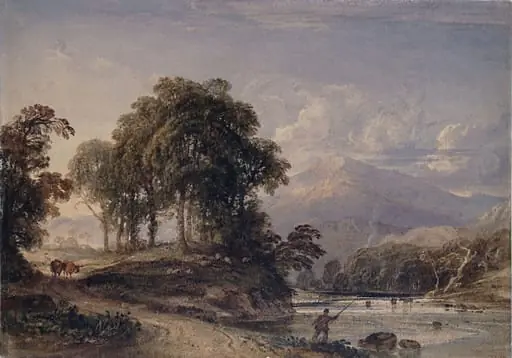 Moel Hebog, looking down the vale from Dinas Emrys, near Beddgelert
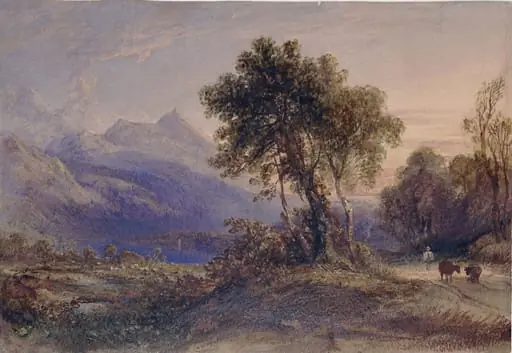 Ben Lomond
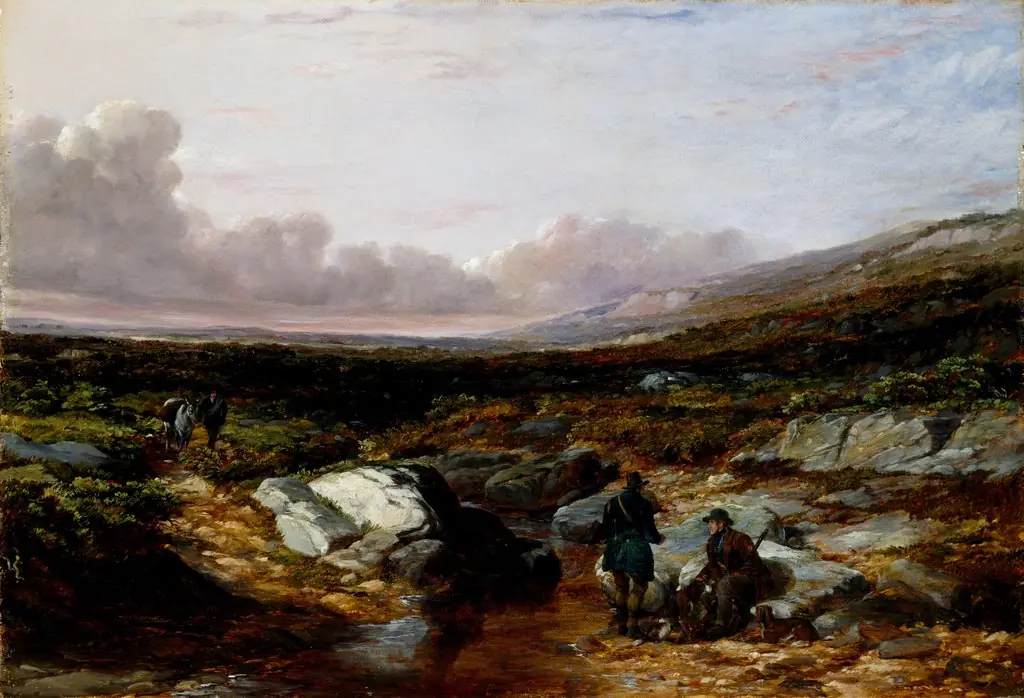 Deer Stalking in Scotland: Getting Ready
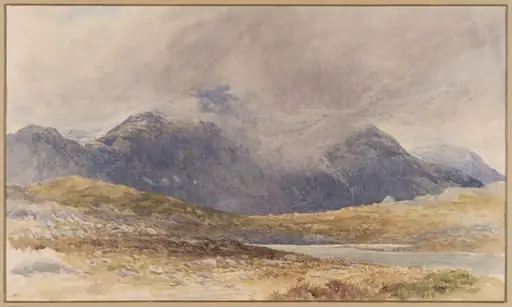 Crib-Goch, Pen-Y-Gwryd, North Wales
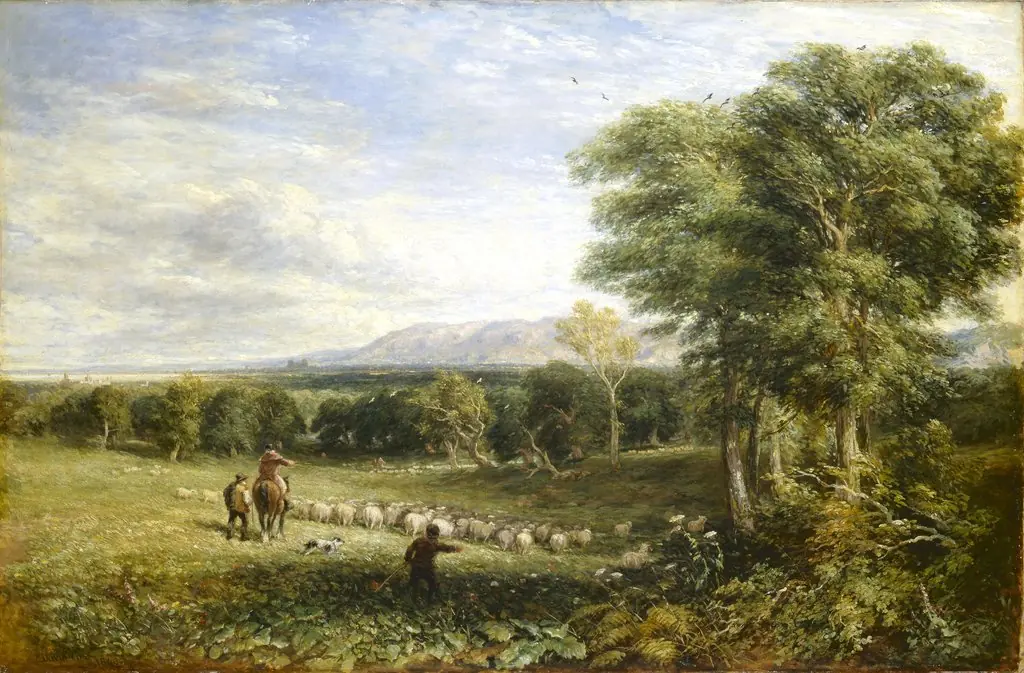 The Vale of Clwyd
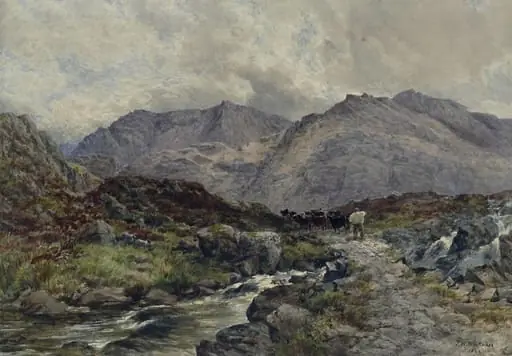 Mountain scene in North Wales with stream and cattle
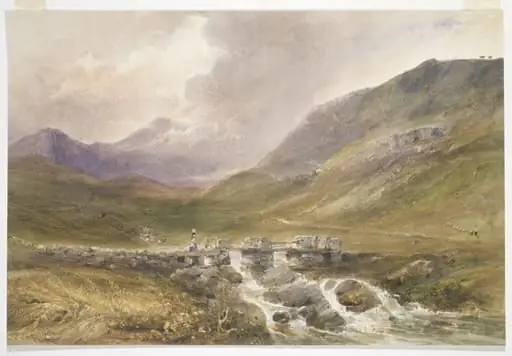 Welsh mountain scene
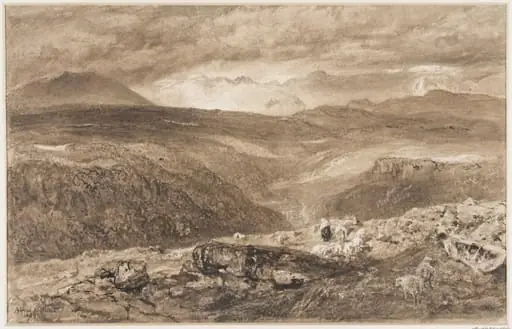 Mountains above Bettws-y-Coed