Artwork
Guy Little Theatrical Photograph
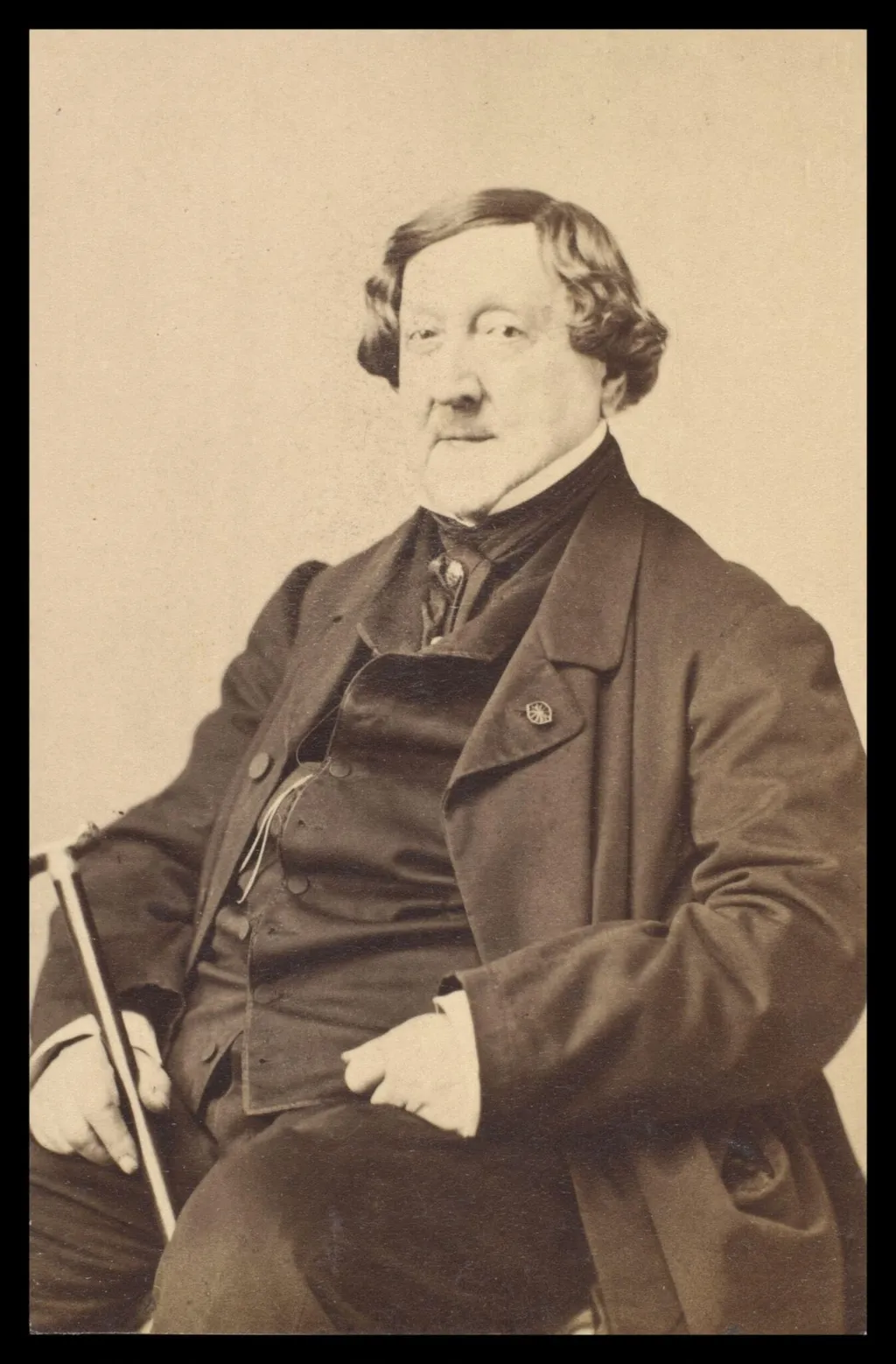
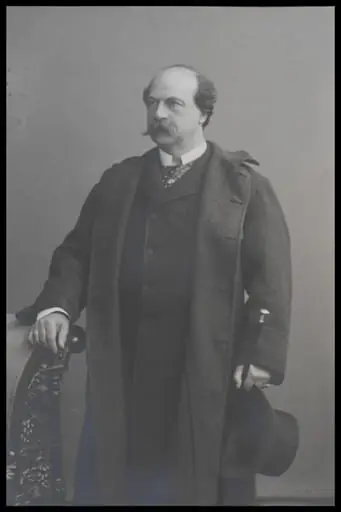
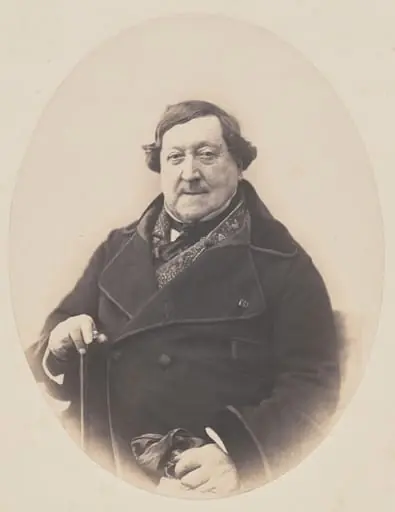
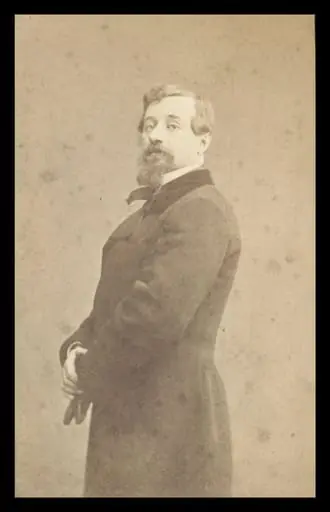
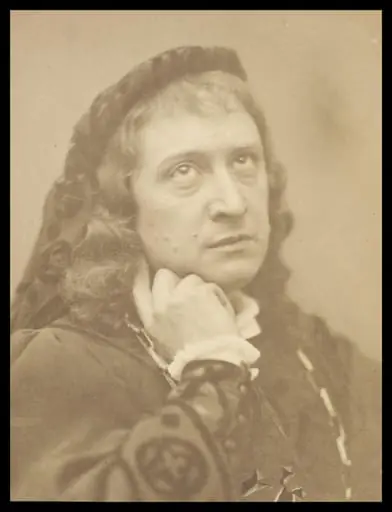
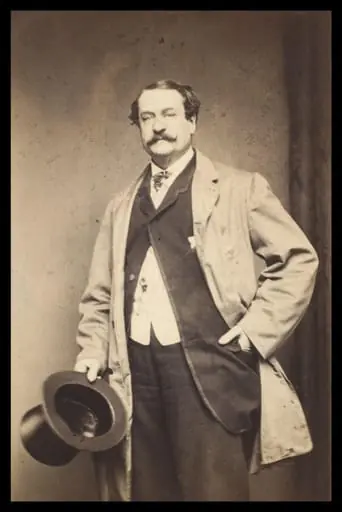
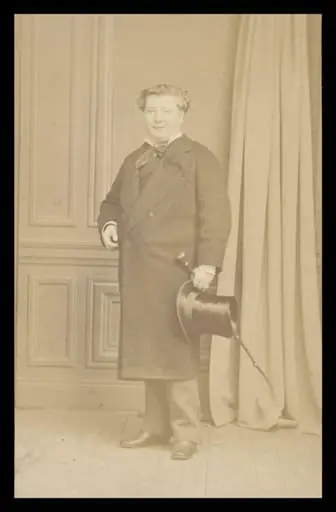
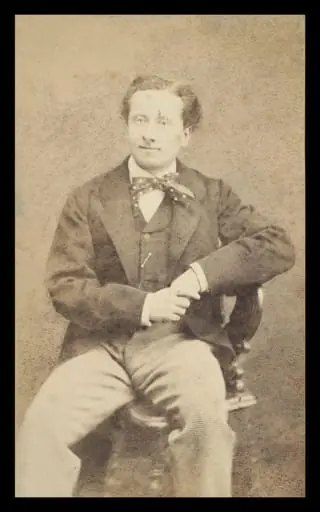
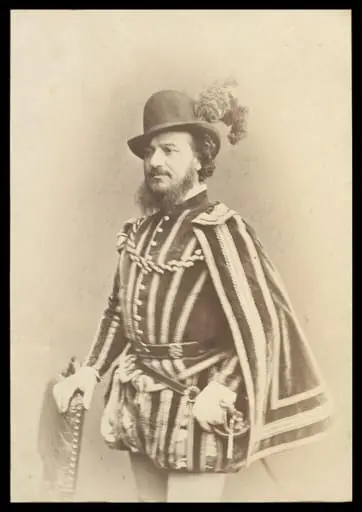
Guy Little Theatrical Photograph is a photographic photography by Neurdein Frères. It dates from 1850 and is held in the collection of the Victoria and Albert Museum.
About this work
Overview
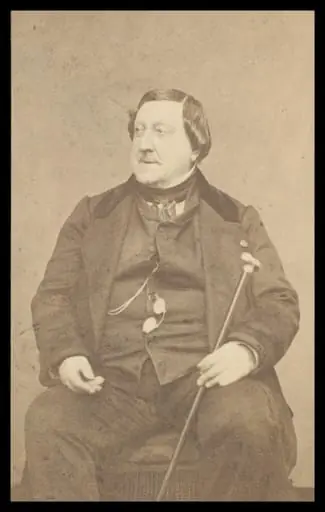
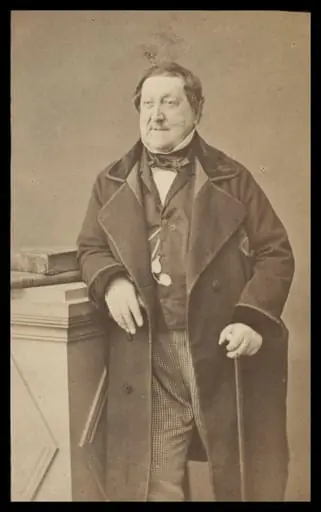
This photograph of Gioacchino Rossini is part of a personal collection assembled by Guy Tristram Little, a London solicitor and avid collector of ephemera.
This photograph of Gioacchino Rossini is part of a personal collection assembled by Guy Tristram Little, a London solicitor and avid collector of ephemera. Taken by the Parisian studio Neurdein Frères, it is an albumen print mounted on card, typical of late 19th-century portrait photography. Little removed such images from their original backings and mounted them in albums, preserving them as cultural artifacts rather than commercial souvenirs.
Subject & Meaning
The image captures Gioacchino Rossini, the celebrated Italian composer, in a formal studio pose. Though not in costume, his dignified bearing reflects his status as a cultural icon. Such portraits served to memorialize public figures during an era when photography made personal connection with distant celebrities possible, transforming fame into a tangible, collectible experience.
Technique & Style
The photograph is an albumen print derived from a glass negative, printed on thin paper and affixed to a sturdy card backing. The Neurdein Frères studio employed precise lighting and composition to emphasize the subject’s features, typical of professional portrait practices of the period. The format aligns with the cabinet card standard, larger than the earlier carte de visite, reflecting evolving consumer preferences in the 1870s.
History & Provenance
The photograph was acquired by Guy Tristram Little, who systematically collected and remounted thousands of photographic portraits. After his death in 1953, his collection was bequeathed to the Victoria and Albert Museum. Little also served as executor for Gabrielle Enthoven, whose theatrical holdings became foundational to the V&A’s Theatre Collections, linking this image to broader institutional efforts to preserve performance history.
Context
During the mid-to-late 19th century, photographic portraits like this one circulated widely as collectible items. The rise of the cabinet card coincided with growing public interest in celebrity culture and domestic display. Studios such as Neurdein Frères catered to this demand, producing images of musicians, actors, and public figures that bridged art, commerce, and personal memory.
Legacy
Little’s meticulous preservation of these photographs ensured their survival beyond their original commercial purpose. The V&A’s acquisition of his collection preserved not only individual images but also the social practice of collecting as a form of cultural engagement. Today, such photographs offer insight into how 19th-century audiences perceived and interacted with artistic fame.
Artist & collection
Artist
These guys snapped photos for a living and loved the backstage buzz of Paris theaters.