Artwork
Madonna and Child Enthroned between Saints Petronius and Alle (Eligius); Christ in the Initial A
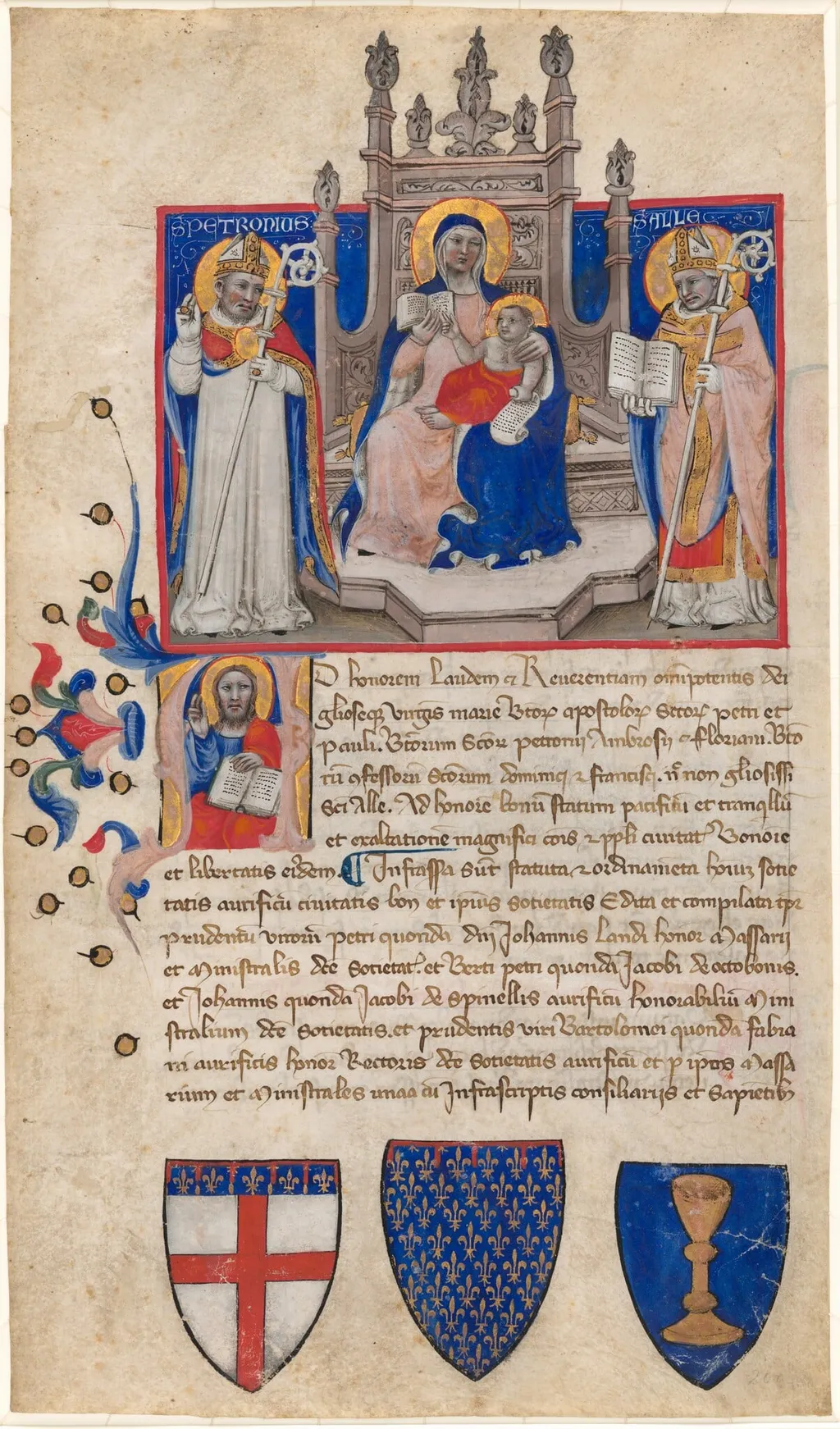
Madonna and Child Enthroned between Saints Petronius and Alle (Eligius); Christ in the Initial A is a drawing by Niccolò di Giacomo da Bologna. It dates from 1383 and is held in the collection of the National Gallery of Art.
About this work
Overview
Beneath the figures, three heraldic shields display crosses and cryptic symbols against a red field, all framed by ornate scrollwork and gold dots.
Created in 1383, this miniature on vellum by Niccolò di Giacomo da Bologna presents a compact devotional image. Central to the composition is a seated Virgin in blue, cradling the infant Christ, flanked by two saints—Petronius and Alle—who hold a book and a staff respectively. Beneath the figures, three heraldic shields display crosses and cryptic symbols against a red field, all framed by ornate scrollwork and gold dots.
Subject & Meaning
The work illustrates the traditional Madonna and Child enthroned, a motif intended to emphasize Mary's role as intercessor and Christ’s divine authority. The accompanying saints, identified by their attributes, reinforce the protective and liturgical context, while the heraldic shields may reference patronage or ecclesiastical affiliation, linking the image to a specific devotional setting.
Technique & Style
Executed on prepared animal skin, the miniature employs bright, flat pigments characteristic of late‑fourteenth‑century Italian illumination. Fine brushwork delineates the figures and their garments, while the surrounding decorative border features swirling motifs and stippled gold, reflecting the manuscript aesthetic that Niccolò adapted for a standalone panel.
History & Provenance
The piece originates from Bologna, where Niccolò was active, and its dating to 1383 places it within the city’s flourishing artistic production. Though its early ownership is undocumented, the inclusion of heraldic devices suggests it may have been commissioned for a private chapel or a noble patron connected to the saints depicted.
Context
During the late Trecento, Bolognese artists increasingly blended the narrative clarity of earlier Gothic works with emerging naturalistic details. Niccolò’s miniature exemplifies this transition, integrating a conventional devotional subject with a decorative border that mirrors contemporary illuminated manuscripts, thereby bridging panel painting and book art.
Legacy
While not as widely reproduced as larger altarpieces, this miniature offers insight into the devotional practices and artistic conventions of late medieval Bologna. Its preservation contributes to a broader understanding of Niccolò di Giacomo’s oeuvre and the role of intimate, portable images in personal piety.
Artist & collection


 Saint John
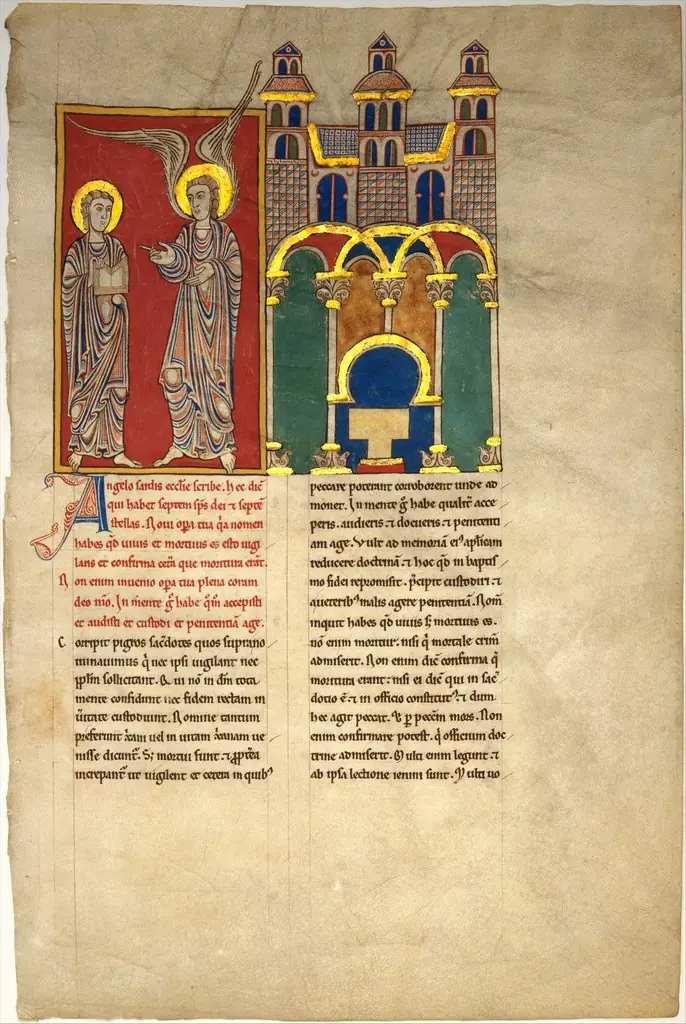 Leaf from a Beatus Manuscript: the Angel of the Church of Sardis with Saint John
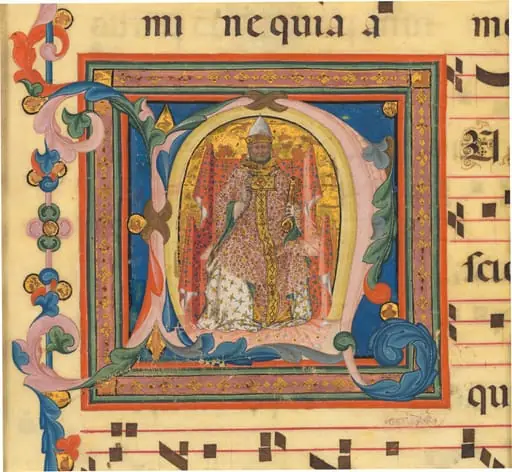 Saint Peter Enthroned
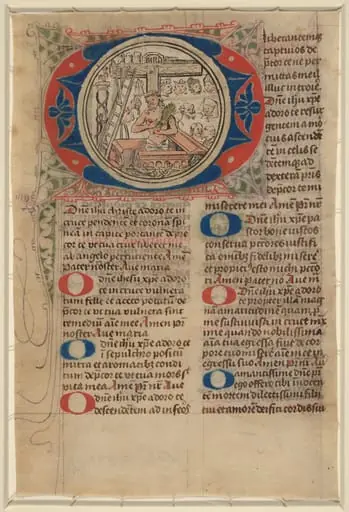 Christ as the Man of Sorrows
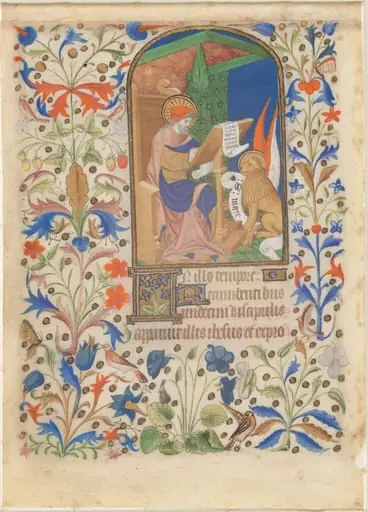 Saint Mark
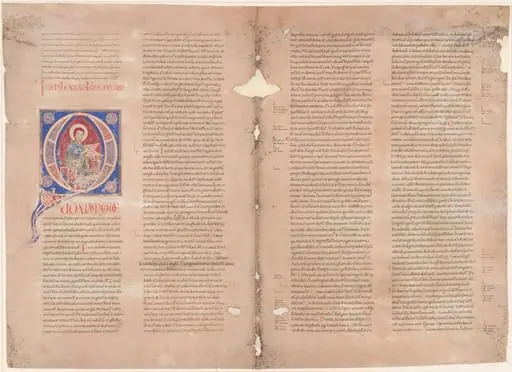 Saint Luke
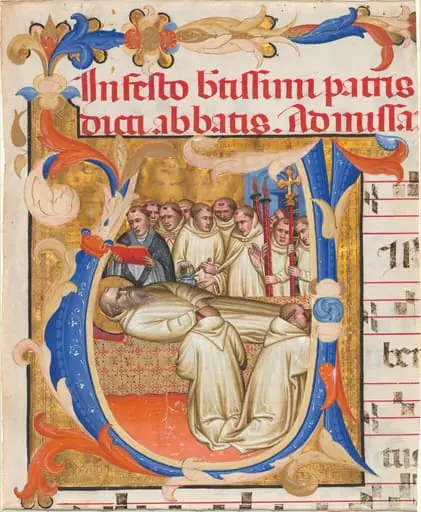 Death of Saint Benedict
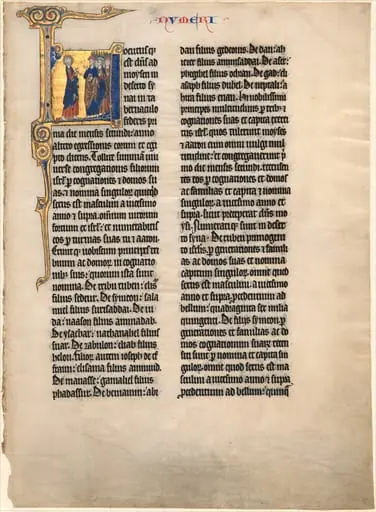 Moses Counting the Children of Israel
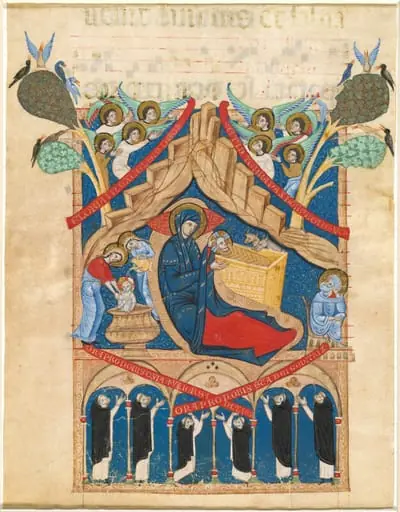 The Nativity with Six Dominican Monks
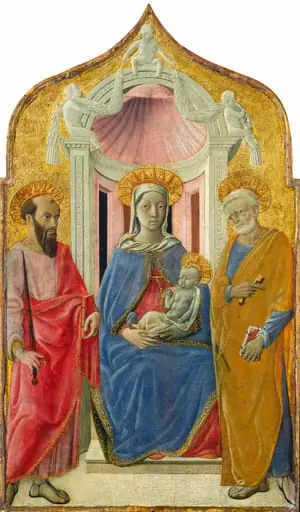 Madonna and Child Enthroned with Saint Peter and Saint Paul
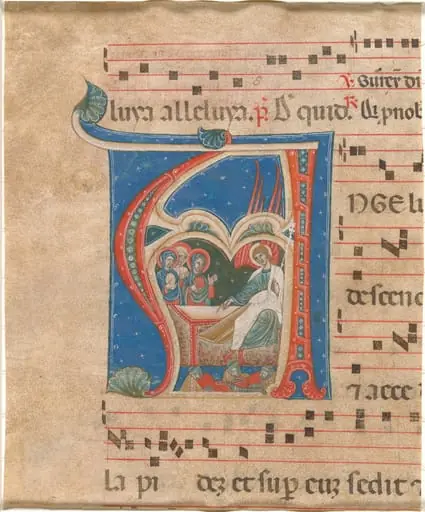 The Three Holy Women at the Tomb