Artwork
The Crucifixion
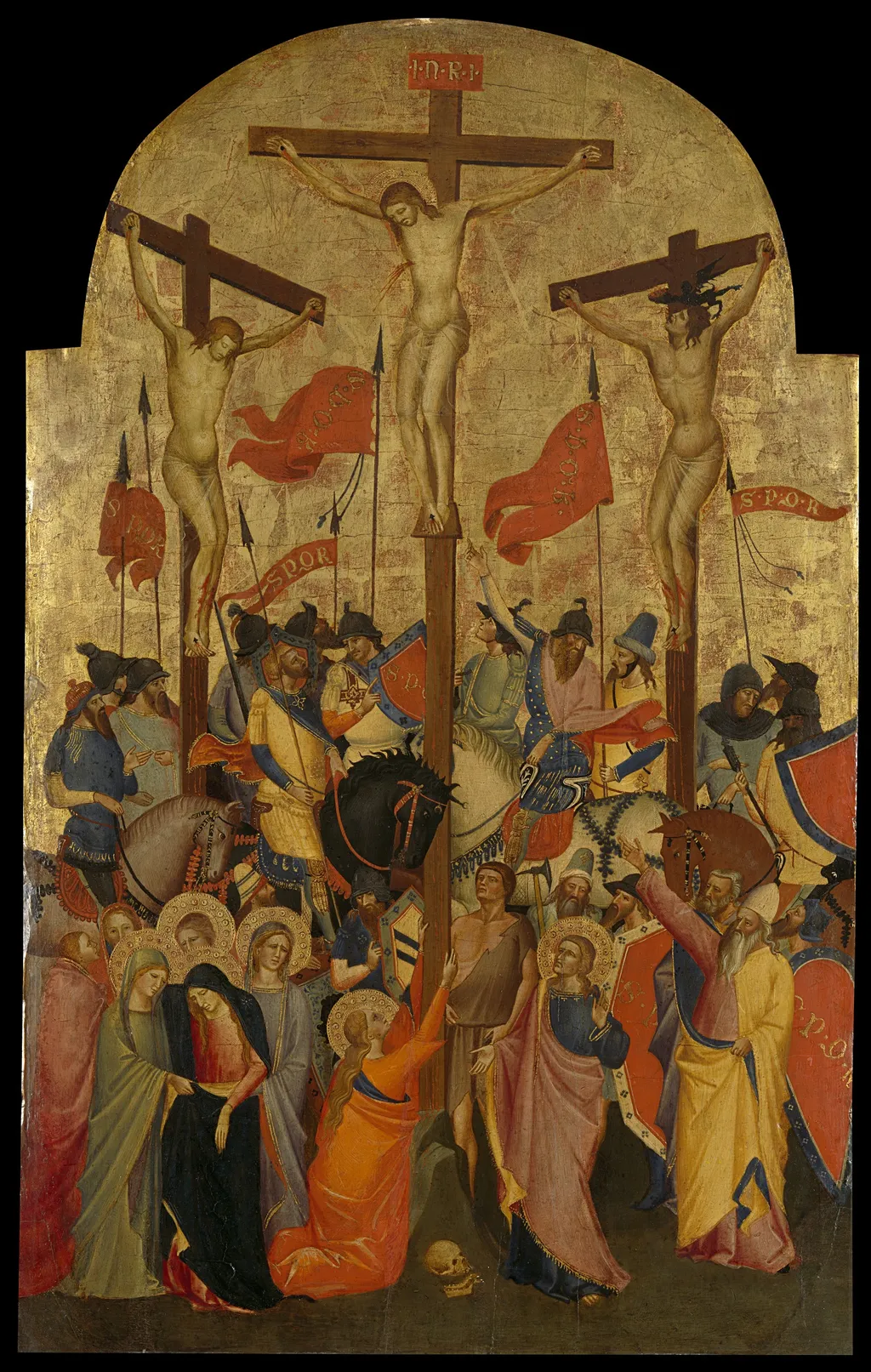
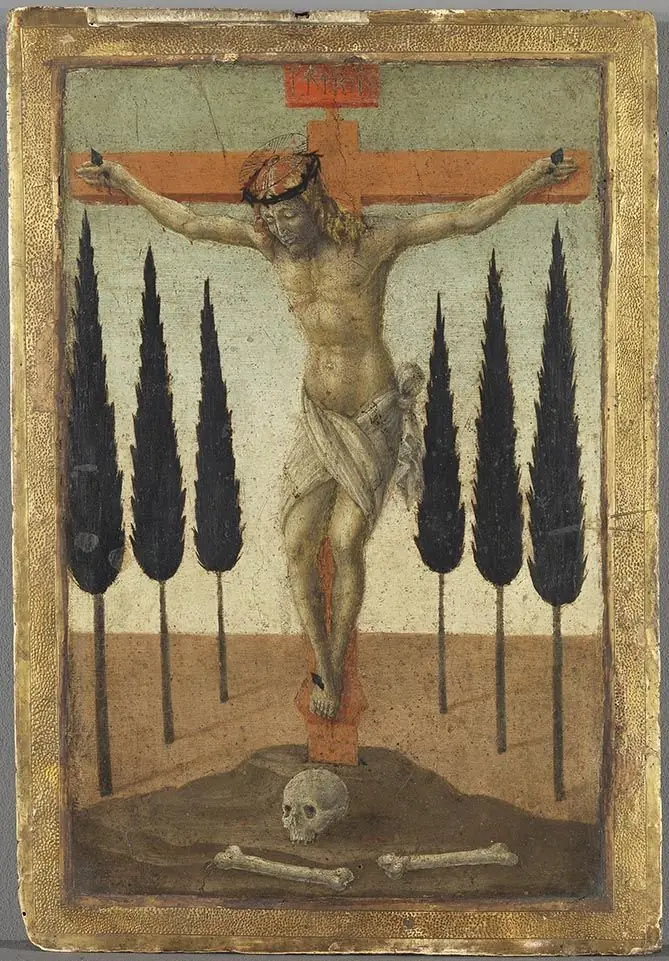
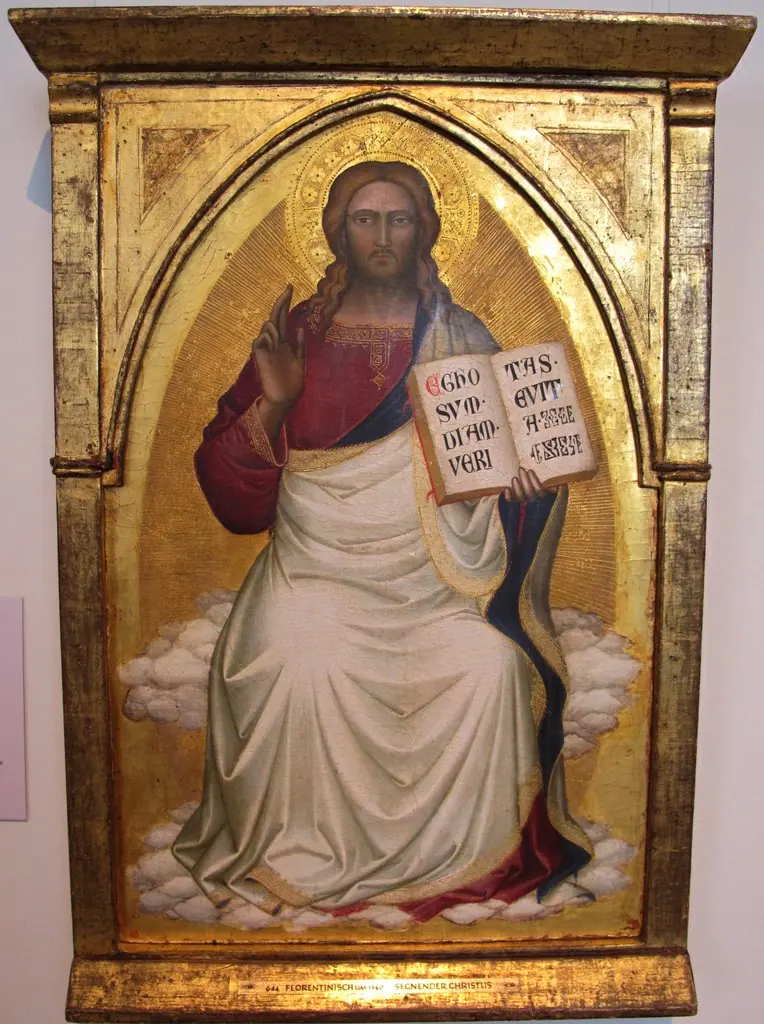
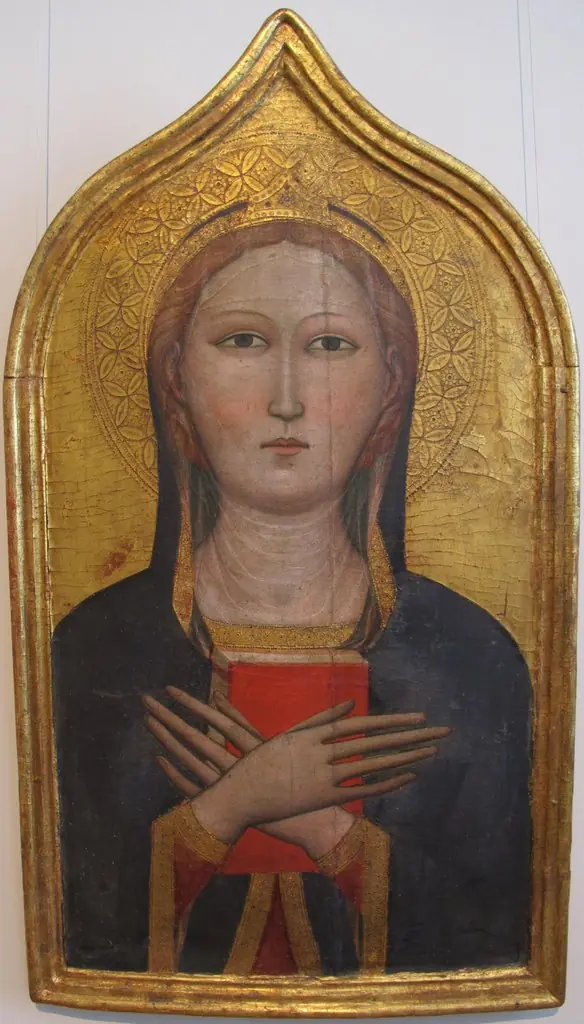
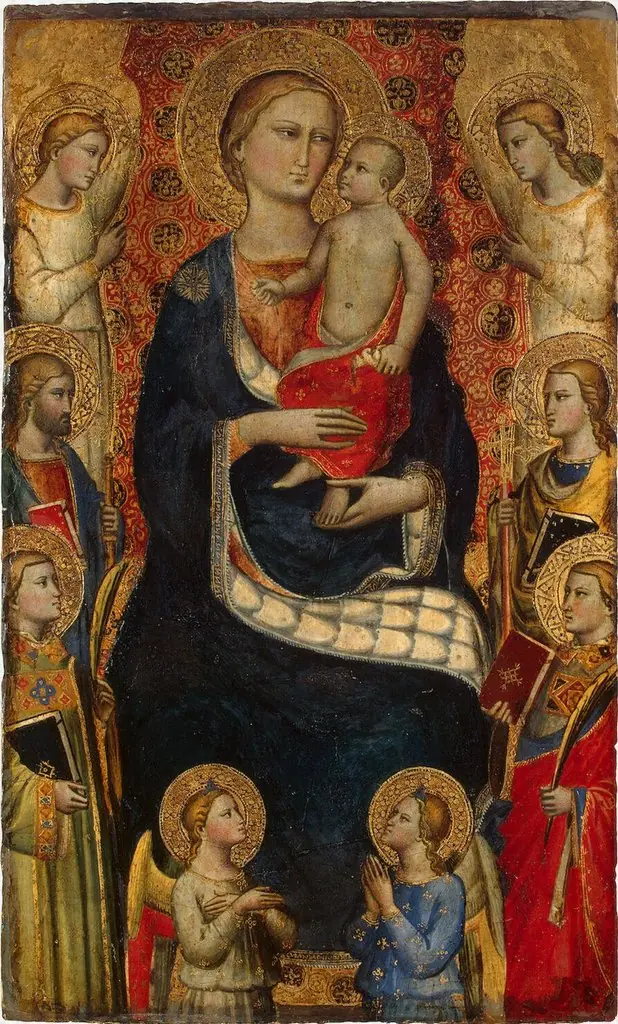
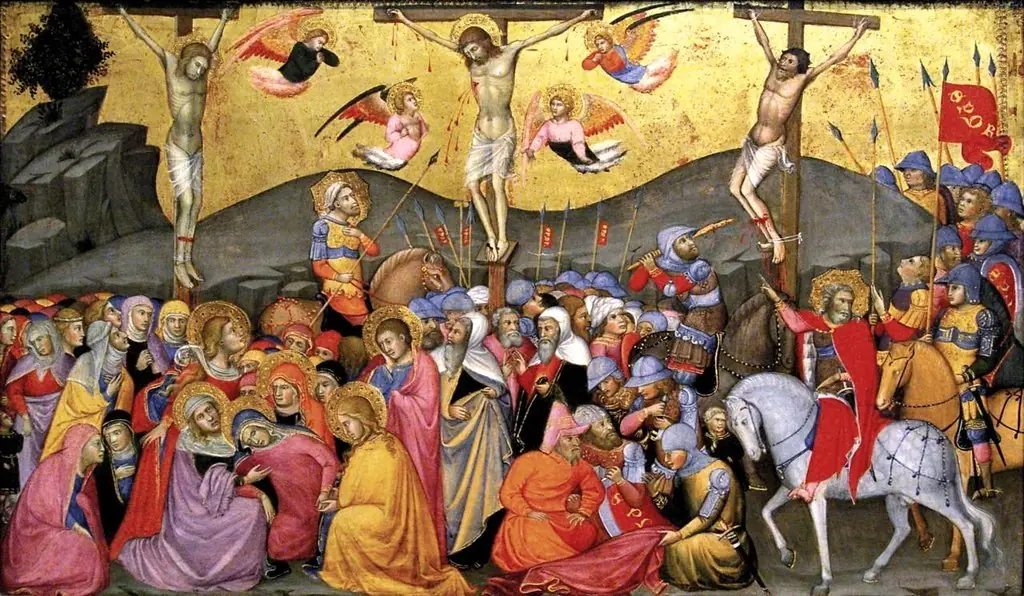
The Crucifixion is a tempera painting by Niccolò di Pietro. It dates from 1396 and is held in the collection of the Rijksmuseum.
About this work
Overview
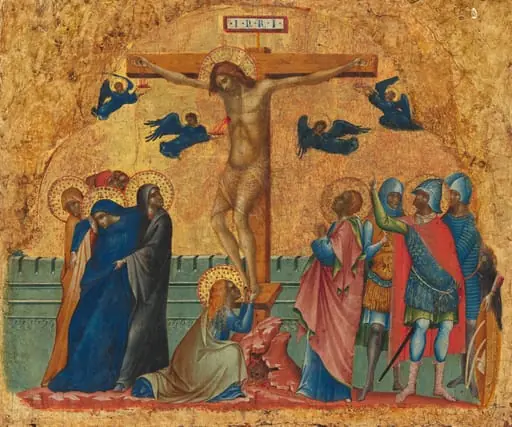
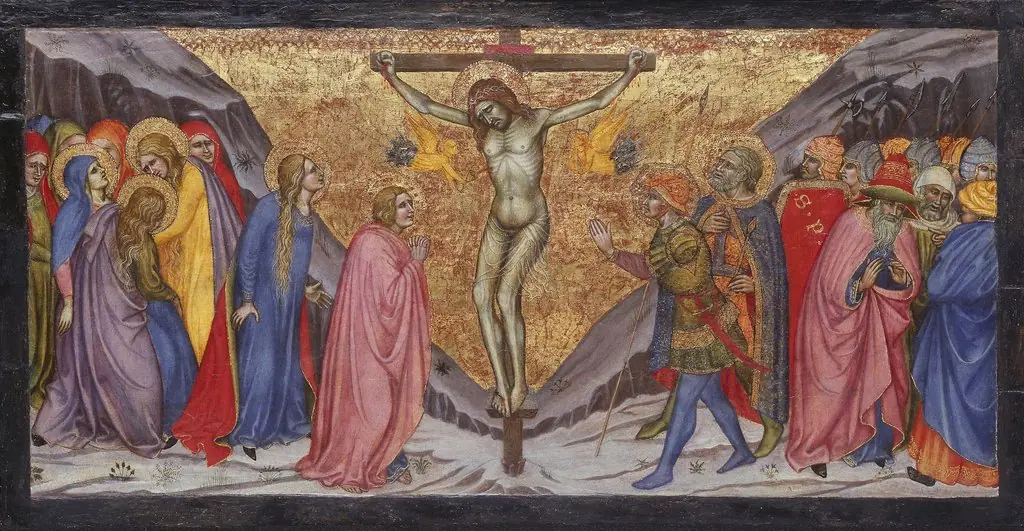
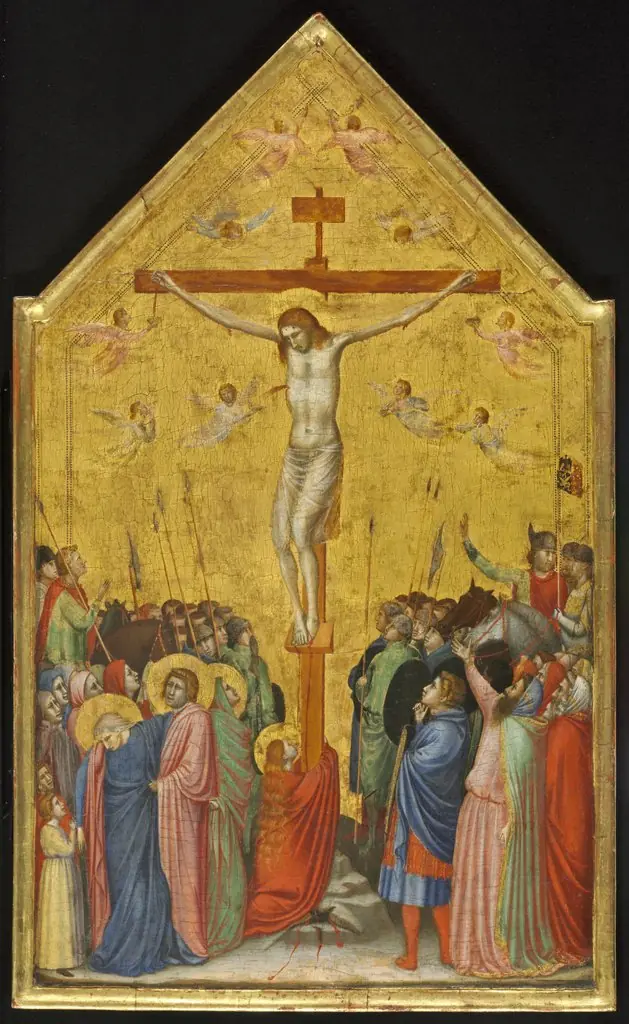
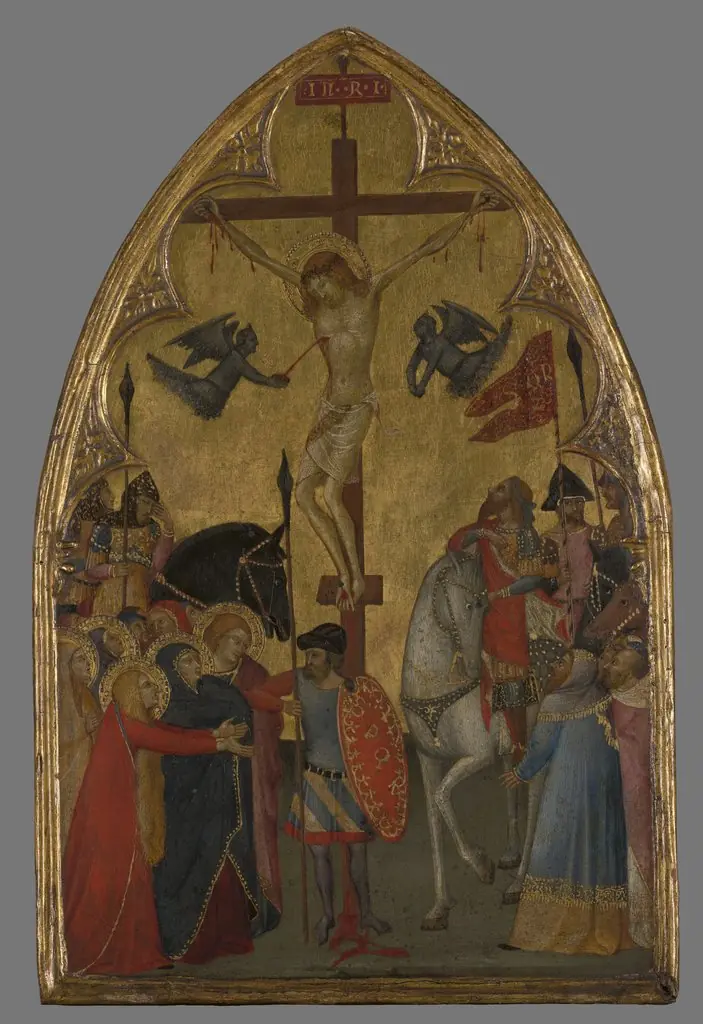
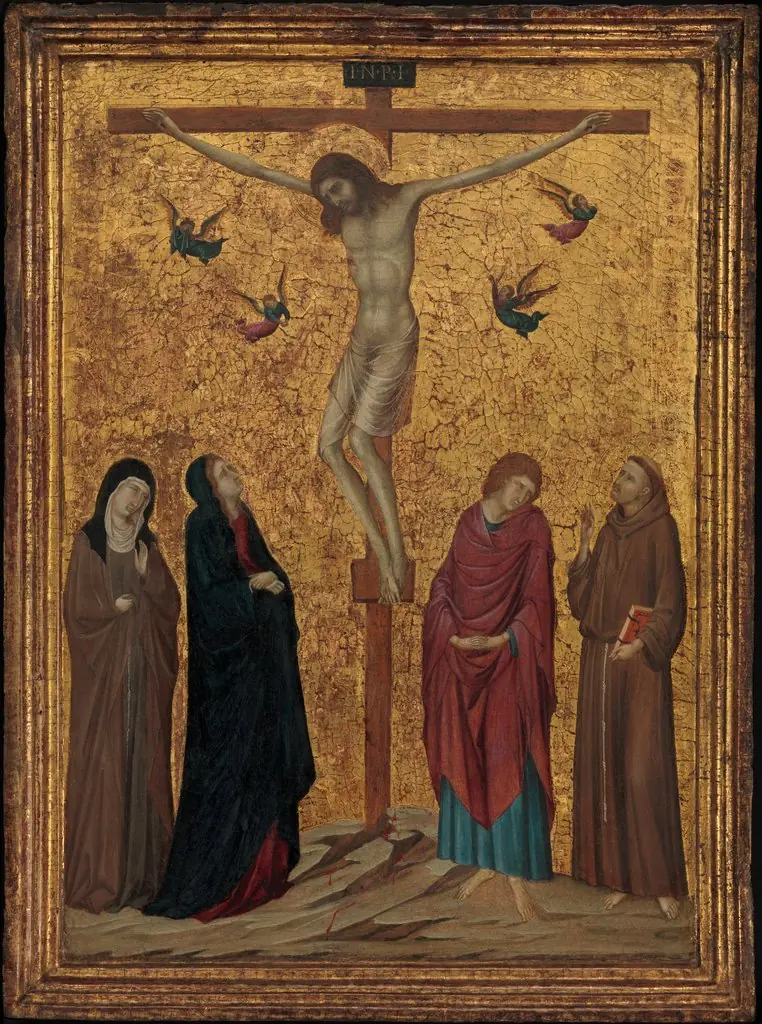
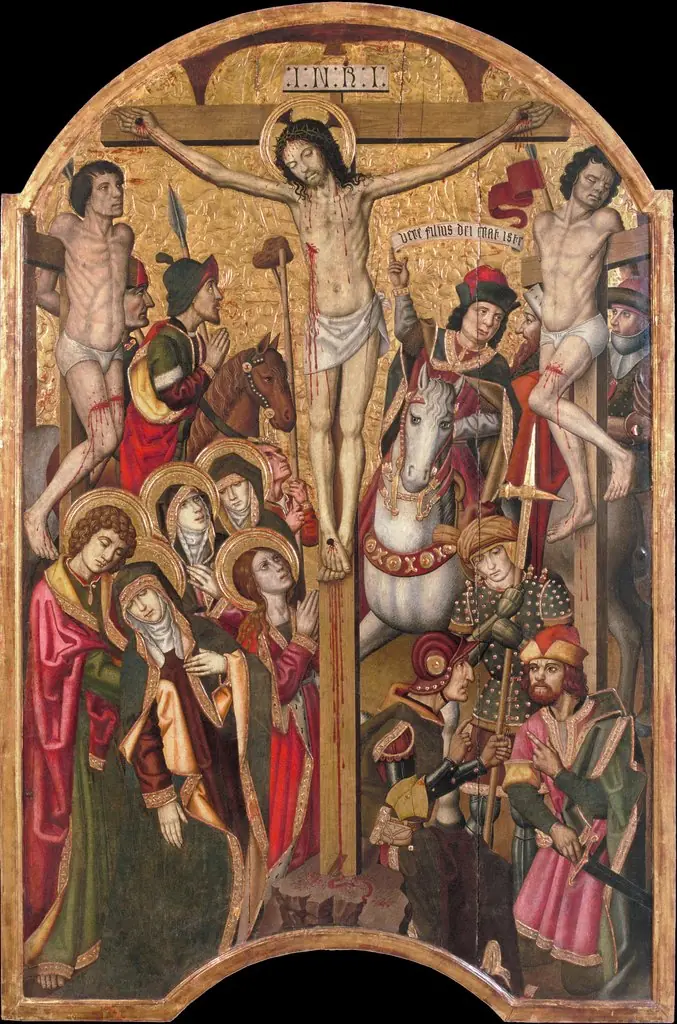
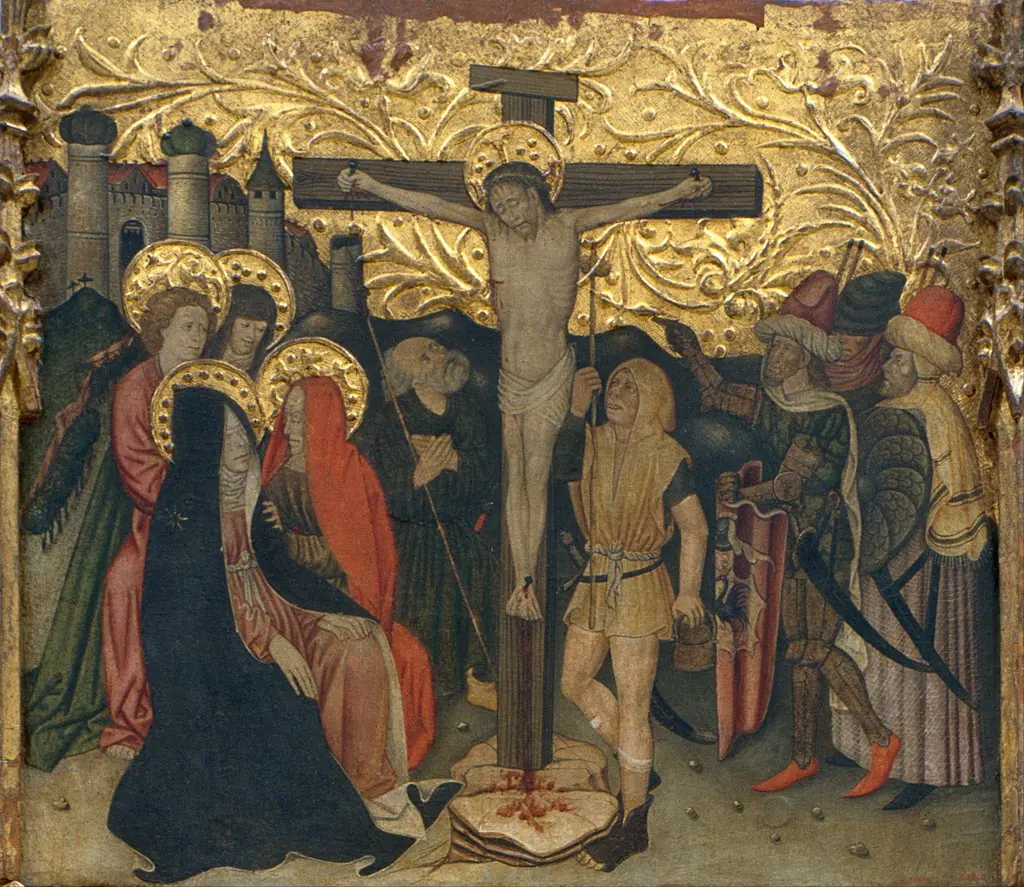
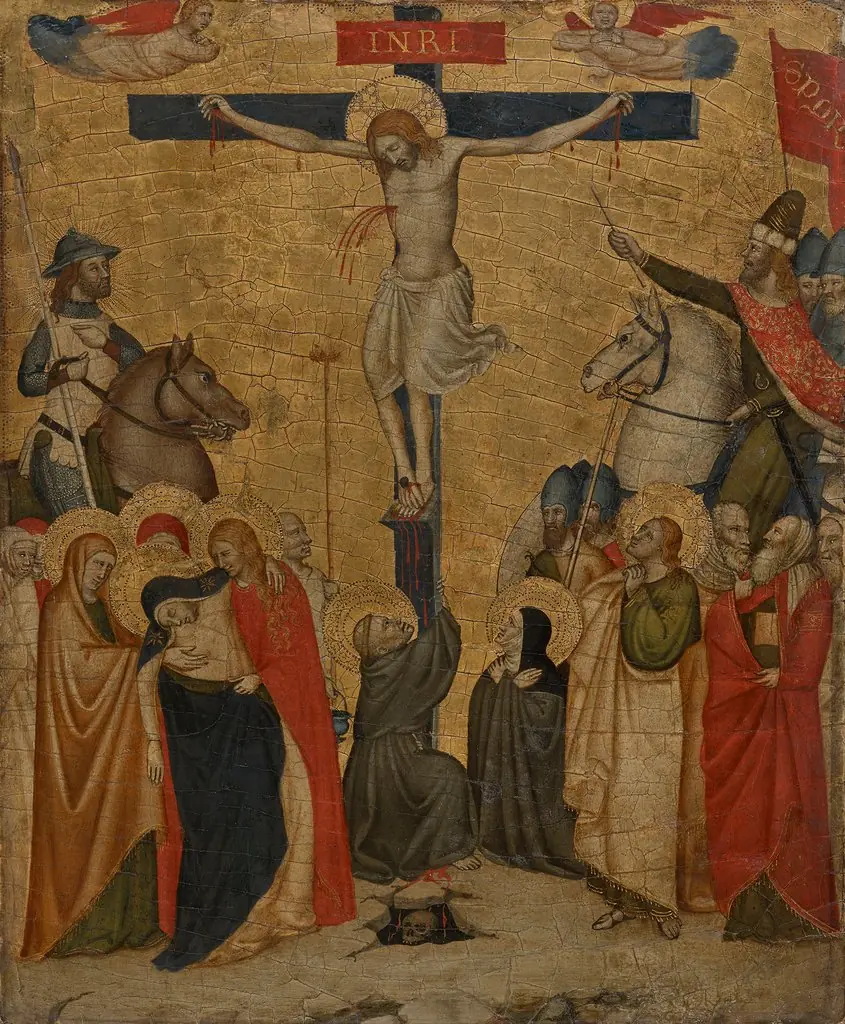
The Crucifixion, a tempera painting from 1396, is a work by Niccolò di Pietro Gerini, a late Gothic Italian painter. It depicts the crucifixion of Jesus Christ and is characterized by traditional composition and figural arrangements typical of its time.
Subject & Meaning
The painting centrally features three crucified figures surrounded by a medieval crowd, with elements like red banners, shields, and crowns of thorns enriching the religious narrative. Despite the chaotic scene, the figures exhibit calm facial expressions.
Technique & Style
Gerini employed tempera paint, common in the late Gothic period, applying flat colors with sharp outlines to define forms. This stylistic approach contributes to the work's dramatic yet stiff composition.
History & Provenance
Created in 1396, The Crucifixion is now part of the Rijksmuseum's collection, though its history prior to acquisition is not detailed here.
Context
Reflecting late Gothic artistic tendencies, the painting's style and composition align with the traditional religious art of 14th-century Italy, where Gerini was active in cities like Florence, Pisa, and Prato.
Legacy
While specific influences or subsequent artistic impacts of The Crucifixion are not highlighted, it remains a representative example of late Gothic religious painting from its era.
Artist & collection
Artist
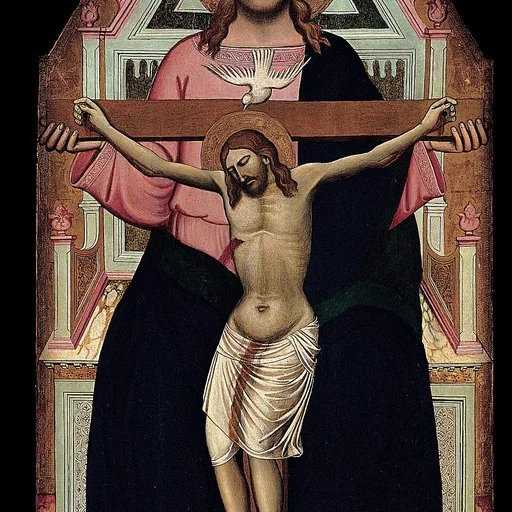
Niccolò di Pietro Gerini (c. 1340 – 1414) was an Italian painter of the late Gothic period, active mainly in his native Florence although he also carried out commissions in Pisa and Prato. He was not an innovative…