Artwork
Portrait of Anne Hyde, Duchess of York
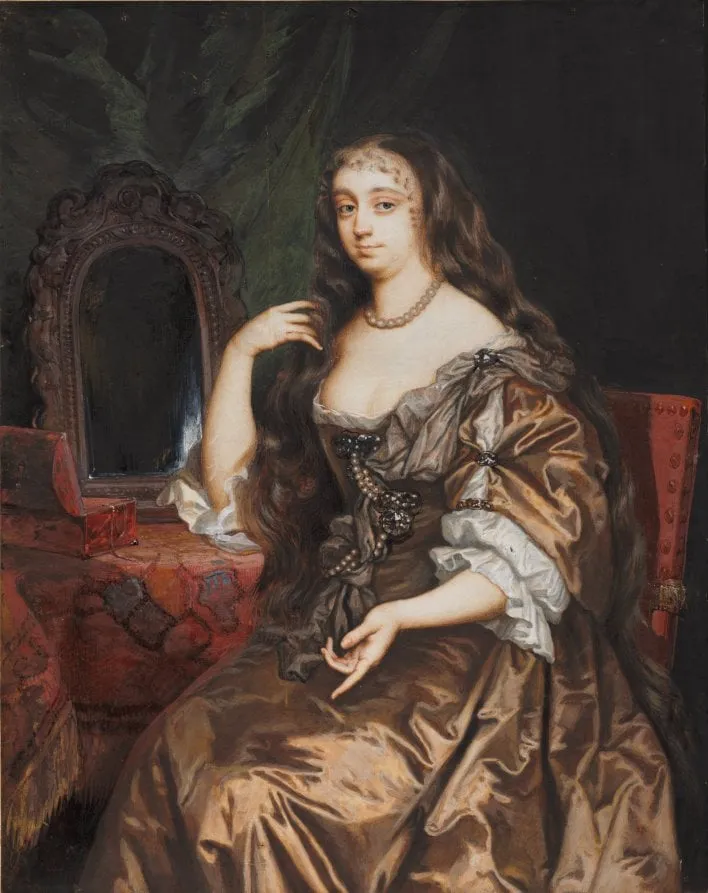
Portrait of Anne Hyde, Duchess of York is an unspecified portrait miniature by the Baroque artist Nicholas Dixon. It dates from 1662 and is held in the collection of the Cleveland Museum of Art.
About this work
Anne was the first wife of the future King James II, and this portrait was likely made for court circles.
You see a small, finely painted portrait of Anne Hyde, her face turned slightly to the side. She wears a dark dress with a white lace collar, pearls at her neck and ears.
This is a miniature—tiny enough to hold in your hand, but packed with detail. Anne was the first wife of the future King James II, and this portrait was likely made for court circles. Miniatures like this were often exchanged as gifts or tokens of loyalty.
To see how tiny portraits changed over time, look up England, 17th century.
Overview
Nicholas Dixon was a prominent English miniature painter active in the late 17th century, succeeding Samuel Cooper as limner to King Charles II in 1673. He held the position of Keeper of the King’s Picture Closet and received a modest annuity. Known for large-scale miniatures on vellum, Dixon’s work stood apart as the medium shifted toward smaller ivory supports. His portraits often bore the monogram ND and were sometimes reproductions of established compositions, reflecting both artistic practice and courtly taste.
Subject & Meaning
Anne Hyde, Duchess of York, is depicted in her mid-twenties, shortly before her death in 1671. As the first wife of the future James II, her portrait carried political and dynastic significance. Rendered with quiet dignity, the miniature likely served as a personal or courtly token, reinforcing familial and political alliances. The restrained elegance of her attire—dark gown, lace collar, and pearl jewelry—conveys status without ostentation, consistent with the conventions of aristocratic portraiture in Restoration England.
Technique & Style
Dixon employed fine brushwork on vellum, capturing subtle textures in lace, pearls, and skin with delicate precision. His palette favored warm, ruddy tones and soft, diffused lighting, avoiding the stark contrasts favored by earlier miniaturists like Cooper. The sitter’s gaze is lowered, creating an introspective mood. These characteristics align with the influence of John Hoskins, possibly his mentor, and reflect a preference for gentle realism over theatricality, distinguishing his approach within the evolving tradition of miniature painting.
History & Provenance
The portrait of Anne Hyde was likely created during her lifetime, possibly for circulation among courtiers. Dixon’s financial decline after failed lottery schemes in the 1680s led to the dispersal of many works, including this one. Though its exact provenance before modern collections is unclear, its survival suggests it remained within aristocratic or royal circles. The miniature’s small size and intimate scale made it suitable for private possession, enhancing its role as a personal relic rather than a public monument.
Context
In late 17th-century England, portrait miniatures functioned as intimate symbols of loyalty, affection, or political alignment. As court culture shifted, the demand for large miniatures waned with the rise of ivory supports and changing aesthetic tastes. Dixon’s work represents a transitional phase, bridging the detailed traditions of the early 1600s with the more restrained styles emerging after 1700. His portraits, including this one of Anne Hyde, reflect the enduring value placed on personal imagery within a rapidly changing royal court.
Legacy
Dixon’s body of work, though diminished by financial hardship and dispersal, remains a key reference for understanding the evolution of English miniature painting. His stylistic choices—soft modeling, warm tones, and vellum support—mark him as a bridge between the generation of Cooper and the later, more commercialized miniaturists. While fewer of his works survive intact, those that do, like this portrait of Anne Hyde, offer insight into the quiet, personal dimensions of courtly life in Restoration England.
Artist & collection

 Kuningatar Ulrika Eleonora vanhempi
 Portrait of a Lady
 Portrait of Mrs. Leneve
 Portræt af en kvinde som Flora
 Portrait of a woman in Minerva’s costume
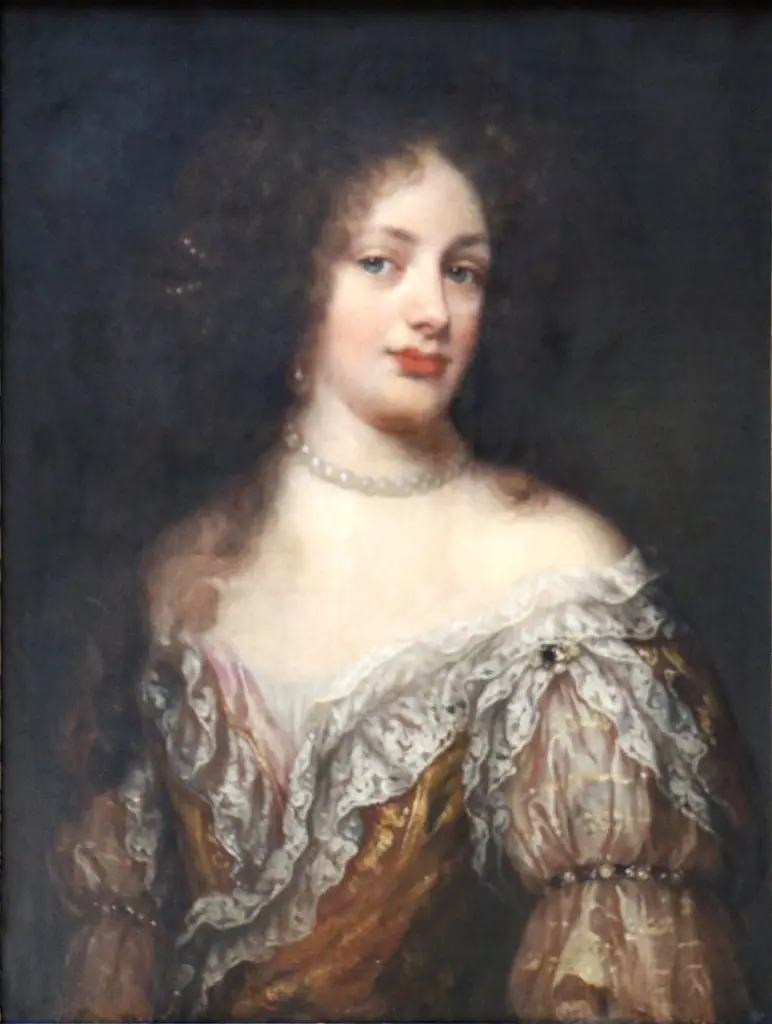 Portrait of a lady
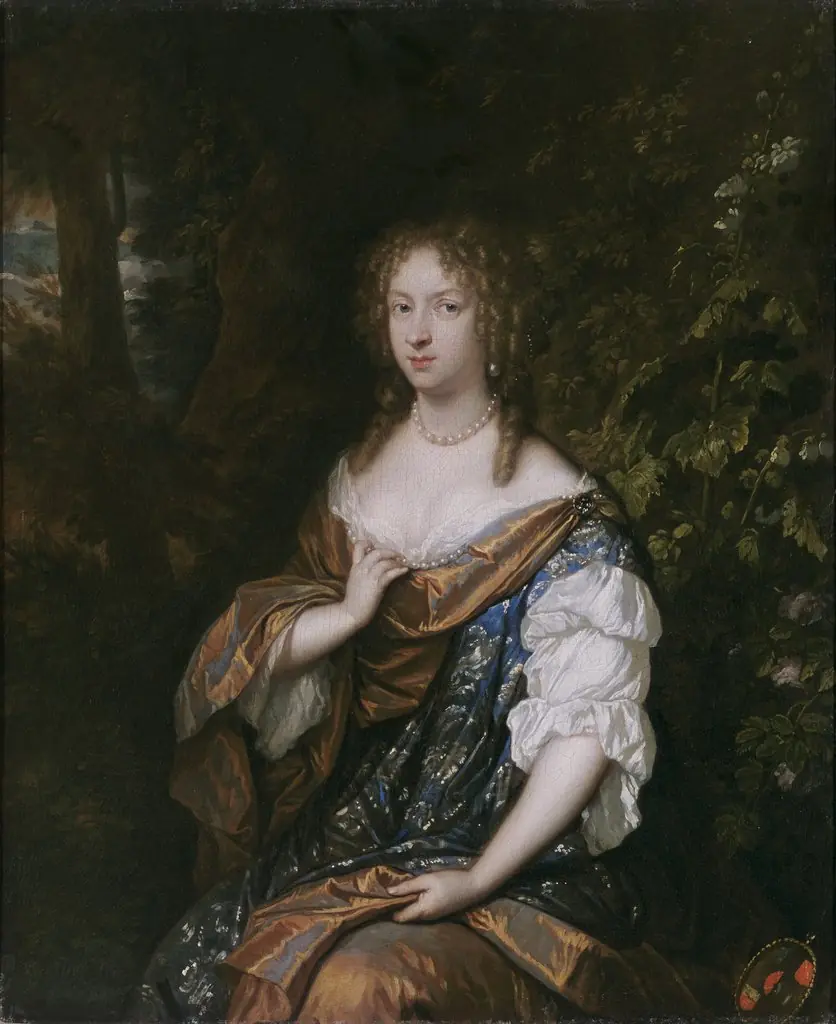 Alida de Lange, Wife of Johan Rammelman
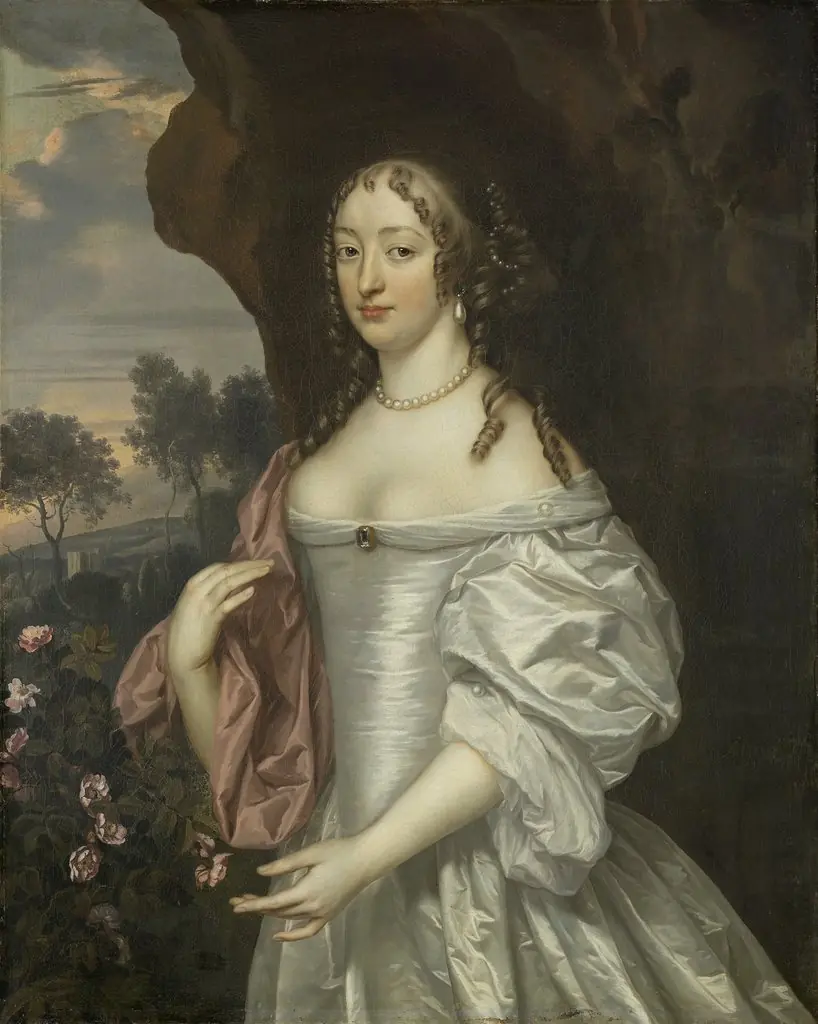 Jacoba van Orliens (1643-91). Wife of Jacob de Witte van Haamstede
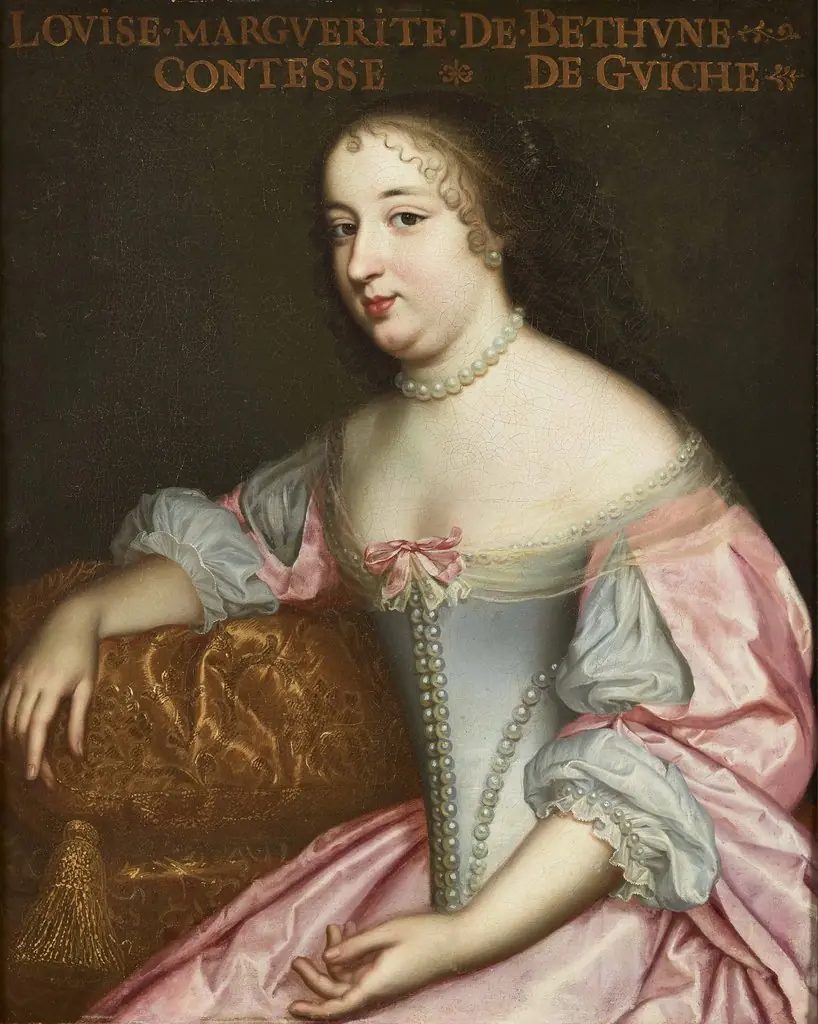 Portrait of Marguerite-Louise-Suzanne de Bethune Sully, Duchess of Lude
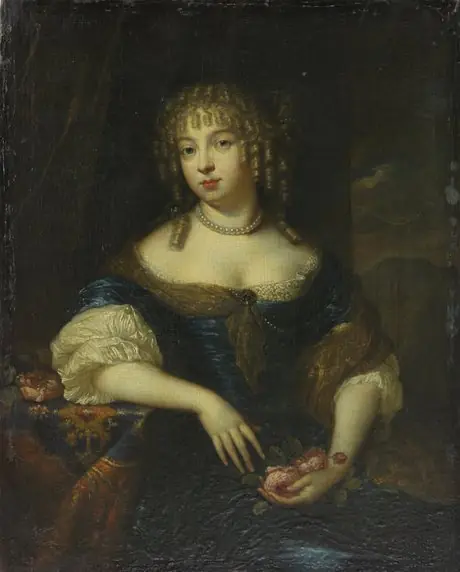 Portrait of a woman
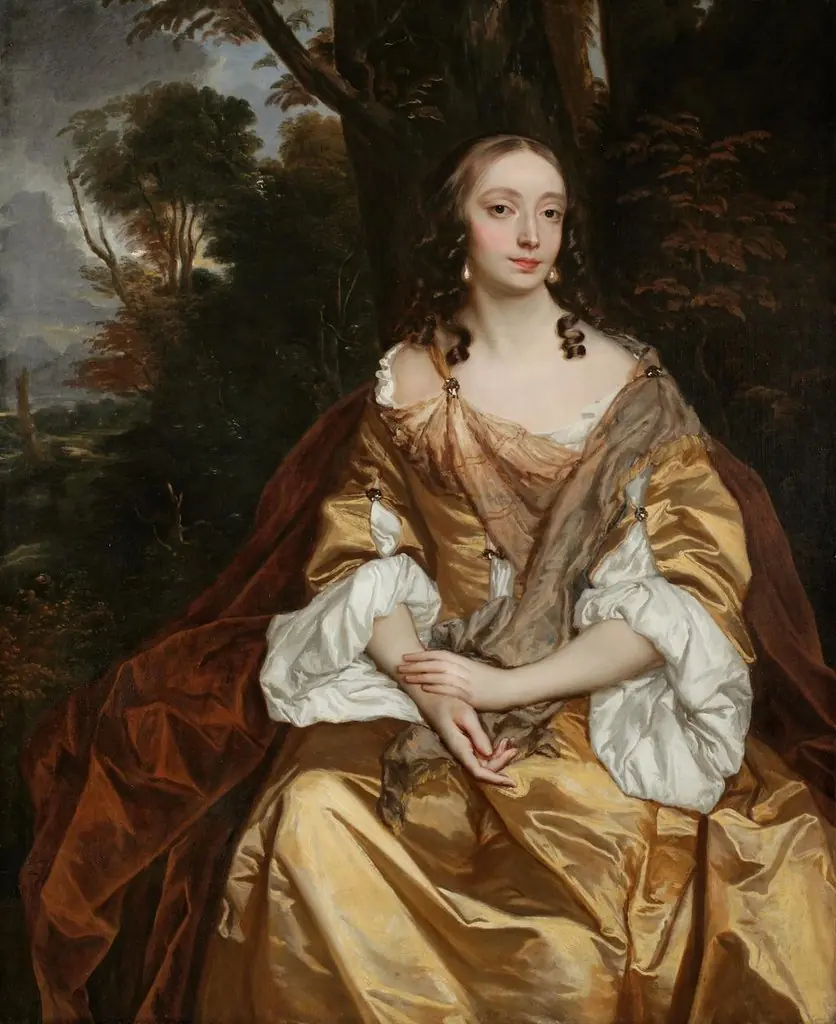 Portrait of a Lady; probably Mary Parsons, later Mrs Draper