Artwork
Hundimiento de la Esmeralda con sus tripulantes en el Combate Naval de Iquique
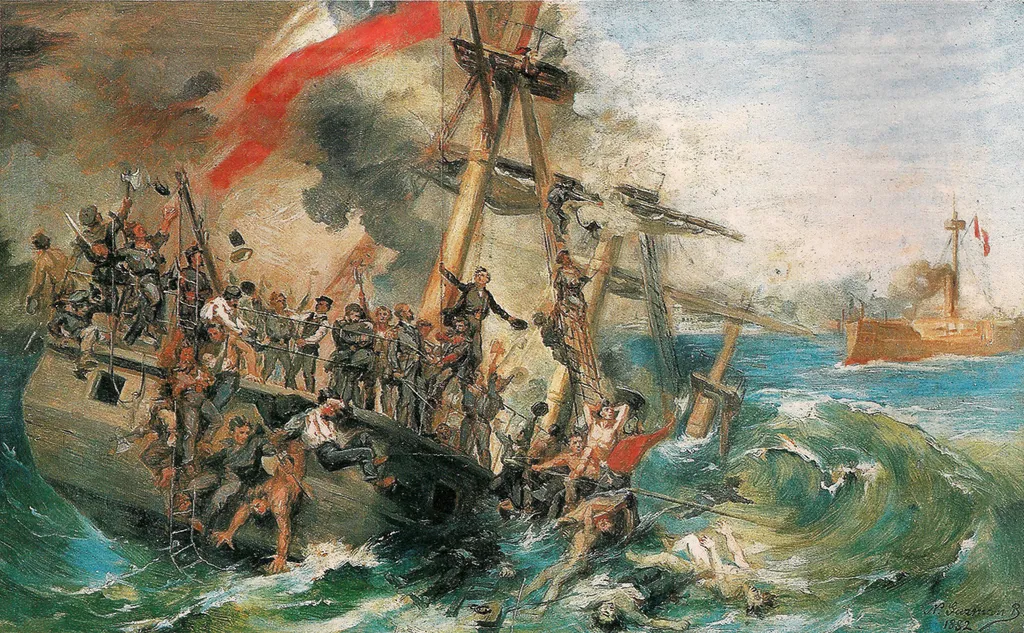
Hundimiento de la Esmeralda con sus tripulantes en el Combate Naval de Iquique is an oil painting by the Impressionist artist Nicolás Guzmán Bustamante. It dates from 1892 and is held in the collection of the Chilean National Museum of Fine Arts.
About this work
Overview
The painting is part of the National Museum of Fine Arts in Santiago’s permanent collection.
Painted in 1892 by Chilean artist Nicolás Guzmán Bustamante, this oil work captures the final moments of the Chilean corvette Esmeralda during the 1879 Naval Battle of Iquique. The painting is part of the National Museum of Fine Arts in Santiago’s permanent collection. Though often associated with romantic historical narrative, its stylistic approach blends realism with dramatic lighting, reflecting 19th-century tendencies in Latin American art rather than strict Impressionism.
Subject & Meaning
The scene portrays the sinking of the Esmeralda, a Chilean naval vessel overwhelmed by Peruvian forces during the War of the Pacific. The composition emphasizes sacrifice and loss, showing crew members struggling in the water, clinging to debris, or vanishing beneath the waves. The ship’s listing hull and broken masts symbolize national resilience amid defeat, reinforcing a patriotic narrative central to Chilean historical memory of the conflict.
Technique & Style
Guzmán Bustamante employs strong contrasts of light and shadow to heighten emotional tension, a technique rooted in chiaroscuro. Dark, churning sea tones frame the warmer hues of the ship’s wooden structure, drawing attention to its vulnerability. Brushwork is deliberate yet fluid, capturing motion in falling debris and swirling water without idealizing the figures. The composition avoids theatrical grandeur, favoring visceral immediacy over heroic spectacle.
History & Provenance
Commissioned more than a decade after the battle, the painting was created as part of a broader effort to memorialize Chilean naval heroism. It entered the National Museum of Fine Arts in Santiago shortly after completion and has remained in its collection since. Its production coincided with a period of national reflection on military sacrifice, making it a key visual artifact of post-war identity.
Context
The Battle of Iquique, fought in 1879, was a pivotal moment in the War of the Pacific between Chile, Peru, and Bolivia. Though the Esmeralda was sunk, its captain, Arturo Prat, became a national martyr. Guzmán Bustamante’s painting emerged during a time when Chile was consolidating its national identity through public art, using historical events to foster unity and pride in military sacrifice.
Legacy
The painting endures as a reference point in Chilean art for its unflinching depiction of naval tragedy. While not widely exhibited internationally, it remains influential in domestic educational and commemorative contexts. Its restrained emotional tone and focus on human vulnerability distinguish it from more propagandistic war imagery of the era, offering a nuanced portrayal of loss.
Own this work as a print
Artist & collection
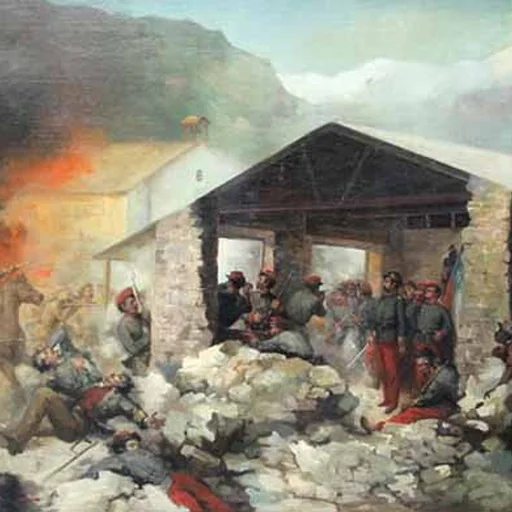
Artist
Nicolás Guzmán Bustamante (1850–February 12, 1928) was a Chilean painter and draftsman. His art is categorized as romanticism and realism.

 The Crash
 Churruca's Death
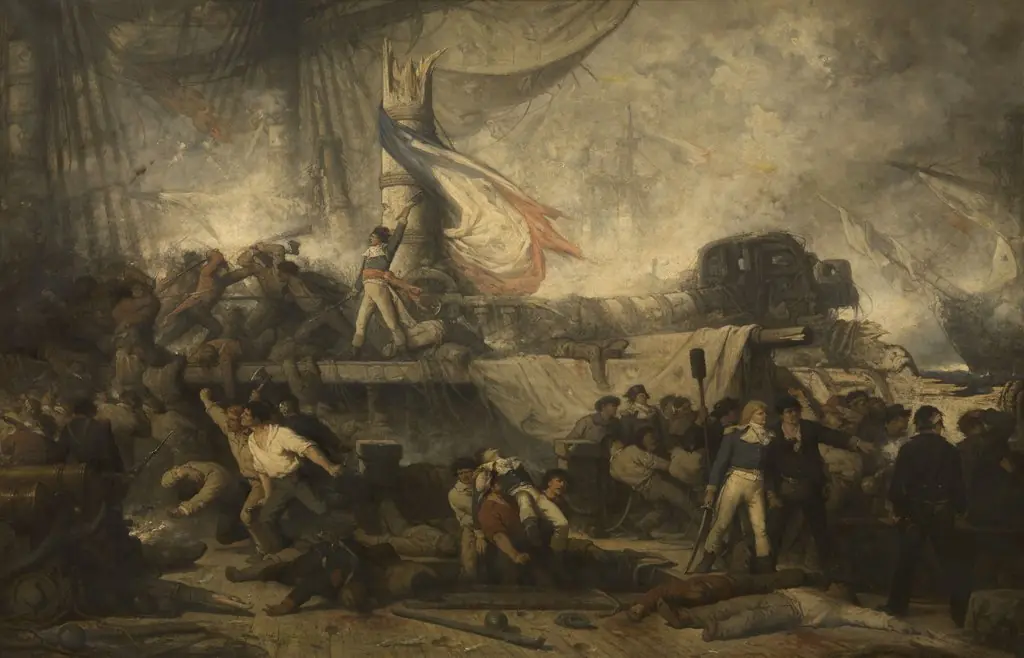 The Algeciras at the Battle of Trafalgar
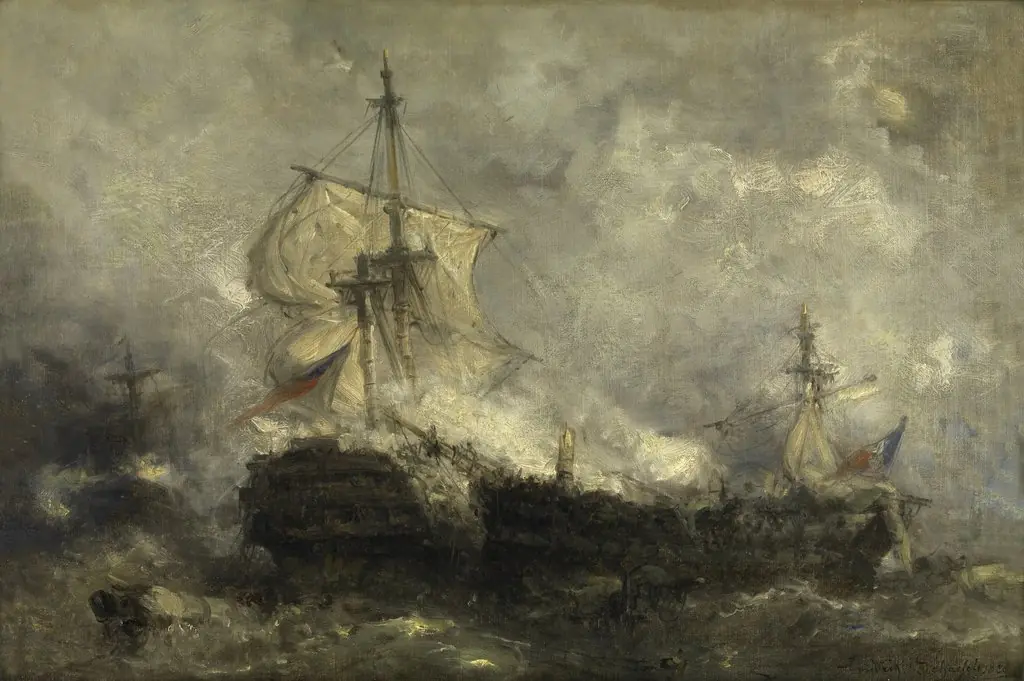 A Naval Battle
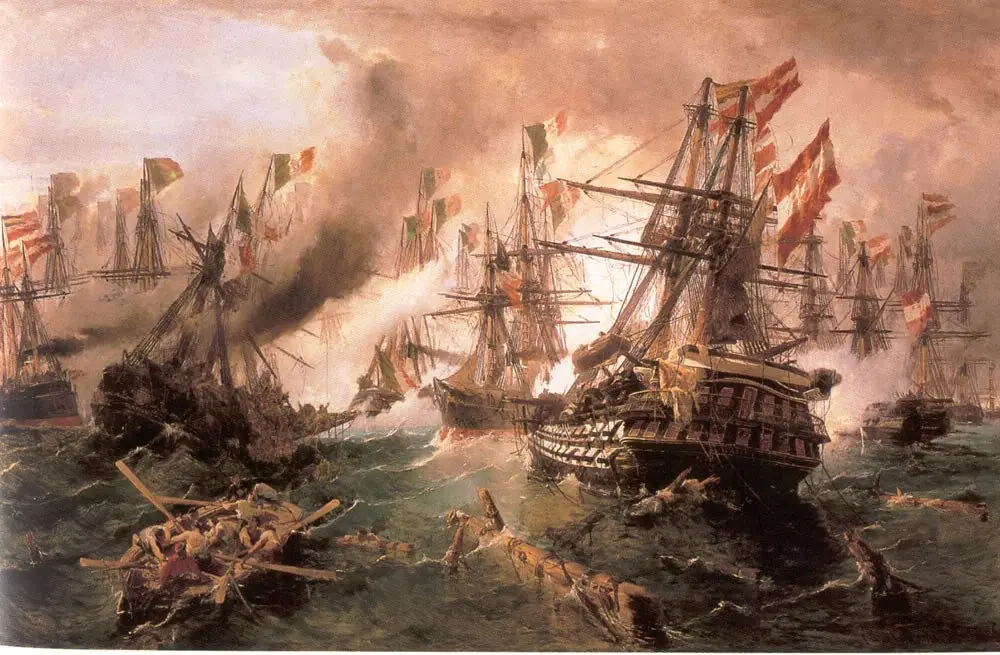 Naval battle at Lissa
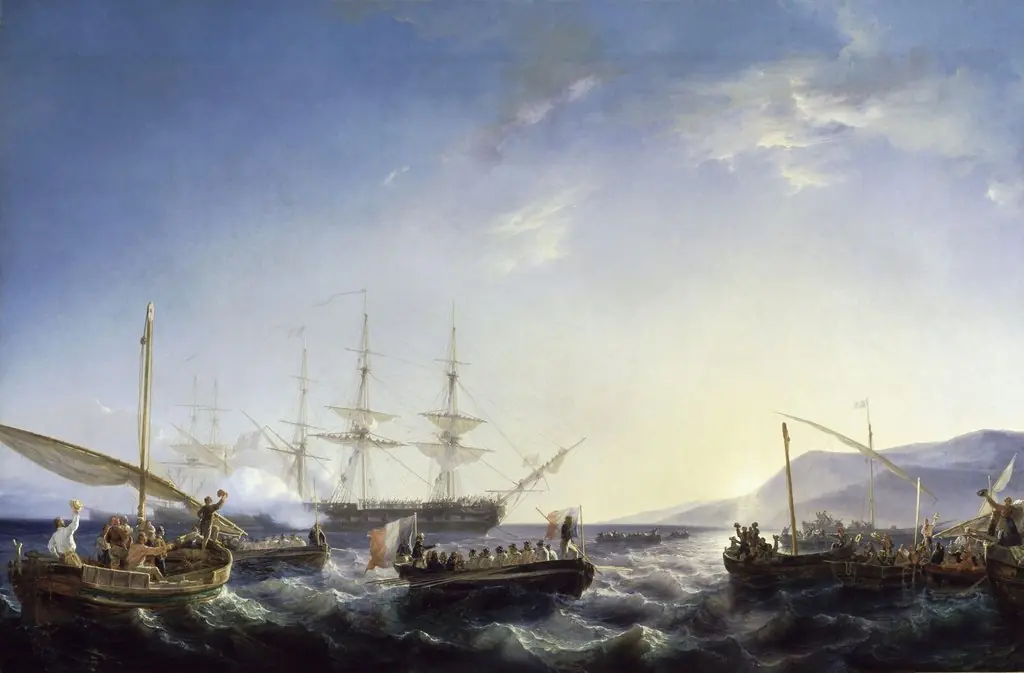 Bonaparte arriving in France back from Egypt on 9 October 1799
 Seeschlacht zwischen Christen und Türken (Lepanto 1571?)
 Combate naval entre españoles y turcos
 A Storm at Sea
 The Battle of Camperdown
 Battle of the Nile
 En episode af søslaget i Køge Bugt 1677