Artwork
Animalia: Ram and Goat
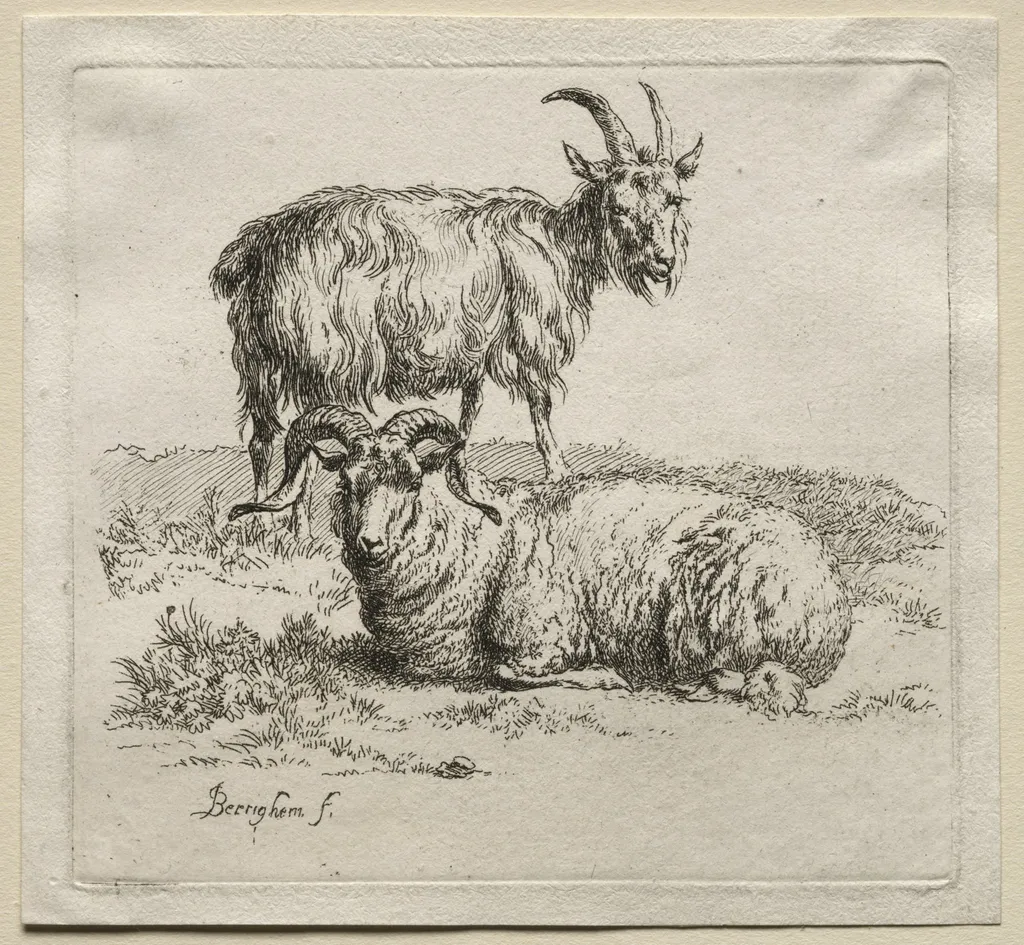
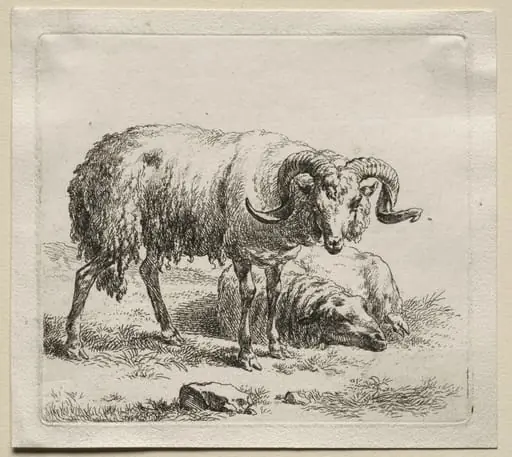
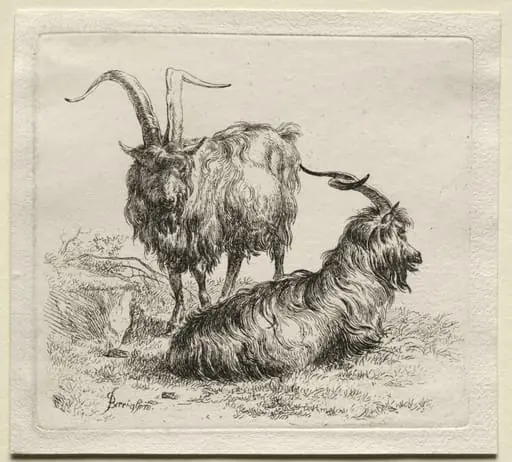
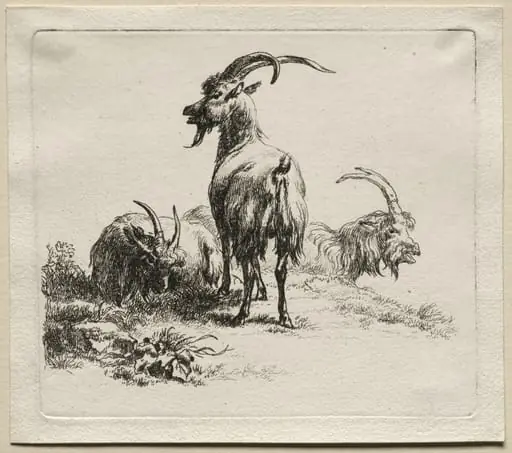
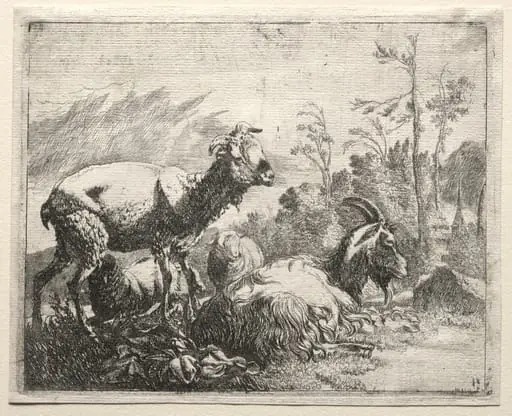
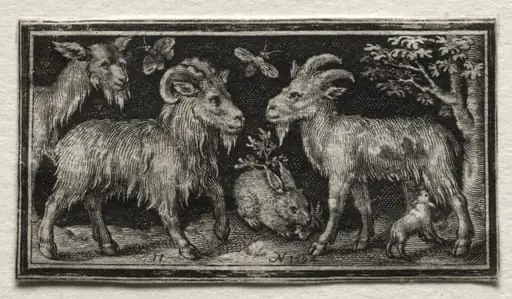
Animalia: Ram and Goat is a print by the Baroque artist Nicolaes Pieterszoon Berchem. It dates from 1659 and is held in the collection of the Cleveland Museum of Art.
About this work
Overview
Unlike his larger oil paintings, this piece emphasizes close observation over narrative, reflecting the period’s interest in naturalism and study from life.
Created in 1659 by Nicolaes Berchem, *Animalia: Ram and Goat* is a detailed pen-and-ink drawing from a series focused on livestock in natural environments. Berchem, a Dutch artist associated with the Italianate landscape tradition, used this work to explore animal anatomy and rural scenery. Unlike his larger oil paintings, this piece emphasizes close observation over narrative, reflecting the period’s interest in naturalism and study from life.
Subject & Meaning
The drawing depicts a ram and a goat standing side by side on a modest hillside, surrounded by sparse vegetation and rocky outcrops. Neither animal is idealized or placed within a mythological context; instead, their presence is grounded in observation. The pairing may reflect contemporary interest in agricultural life or serve as a study of species contrast—size, texture, and posture—without symbolic or allegorical intent.
Technique & Style
Berchem employed fine, scratchy ink lines to render the animals’ shaggy wool and the uneven ground, using varied pressure to suggest volume and texture. Chiaroscuro is subtly applied through dense hatching and lighter, sparser strokes to model form and suggest light falling from a single direction. The composition avoids theatricality, favoring quiet realism and meticulous attention to surface detail over dramatic effect.
History & Provenance
The drawing entered the collection of The Cleveland Museum of Art as part of a broader acquisition of Dutch Golden Age works. Its provenance prior to the 20th century is not fully documented, but its style and date align with Berchem’s known practice of producing preparatory studies and independent drawings for private collectors interested in natural history and landscape.
Context
In mid-17th-century Netherlands, artists increasingly turned to direct observation of nature, influenced by scientific curiosity and the rise of natural philosophy. Berchem’s drawings of animals reflect this trend, bridging the decorative Italianate landscape tradition with the Dutch emphasis on empirical detail. Such studies were often kept as autonomous works, valued for their technical precision rather than as sketches for larger paintings.
Legacy
Berchem’s *Animalia: Ram and Goat* exemplifies how Dutch artists elevated observational drawing beyond mere preparation into a refined artistic practice. Its quiet focus on animal form and terrain contributed to a broader legacy of naturalistic study in European art, influencing later generations interested in the aesthetic and scientific representation of the natural world.
Own this work as a print
Artist & collection
Artist
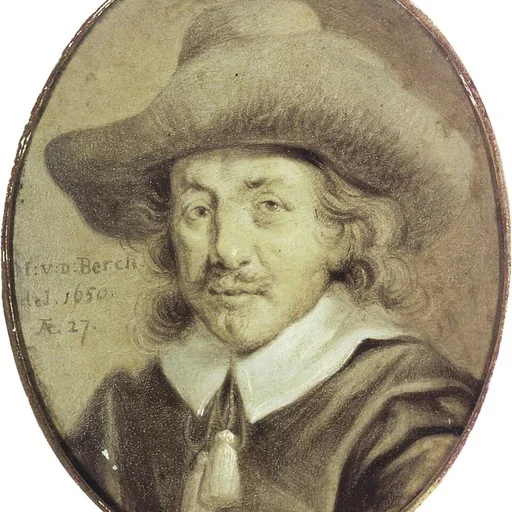
Nicolaes Pieterszoon Berchem (1 October 1620 – 18 February 1683) was a highly esteemed and prolific Dutch Golden Age painter of pastoral landscapes, populated with mythological or biblical figures, but also of a number of allegories and…