Artwork
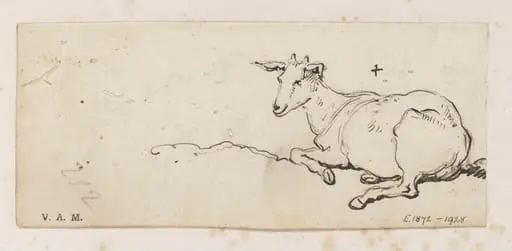
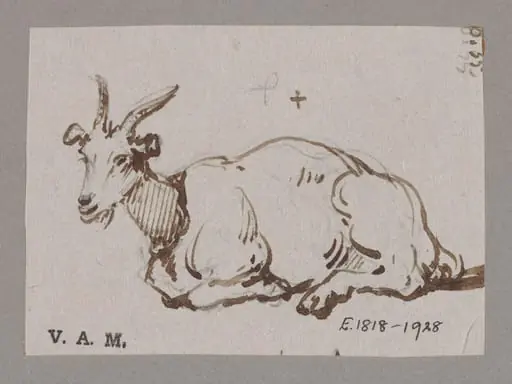
Study of a Goat
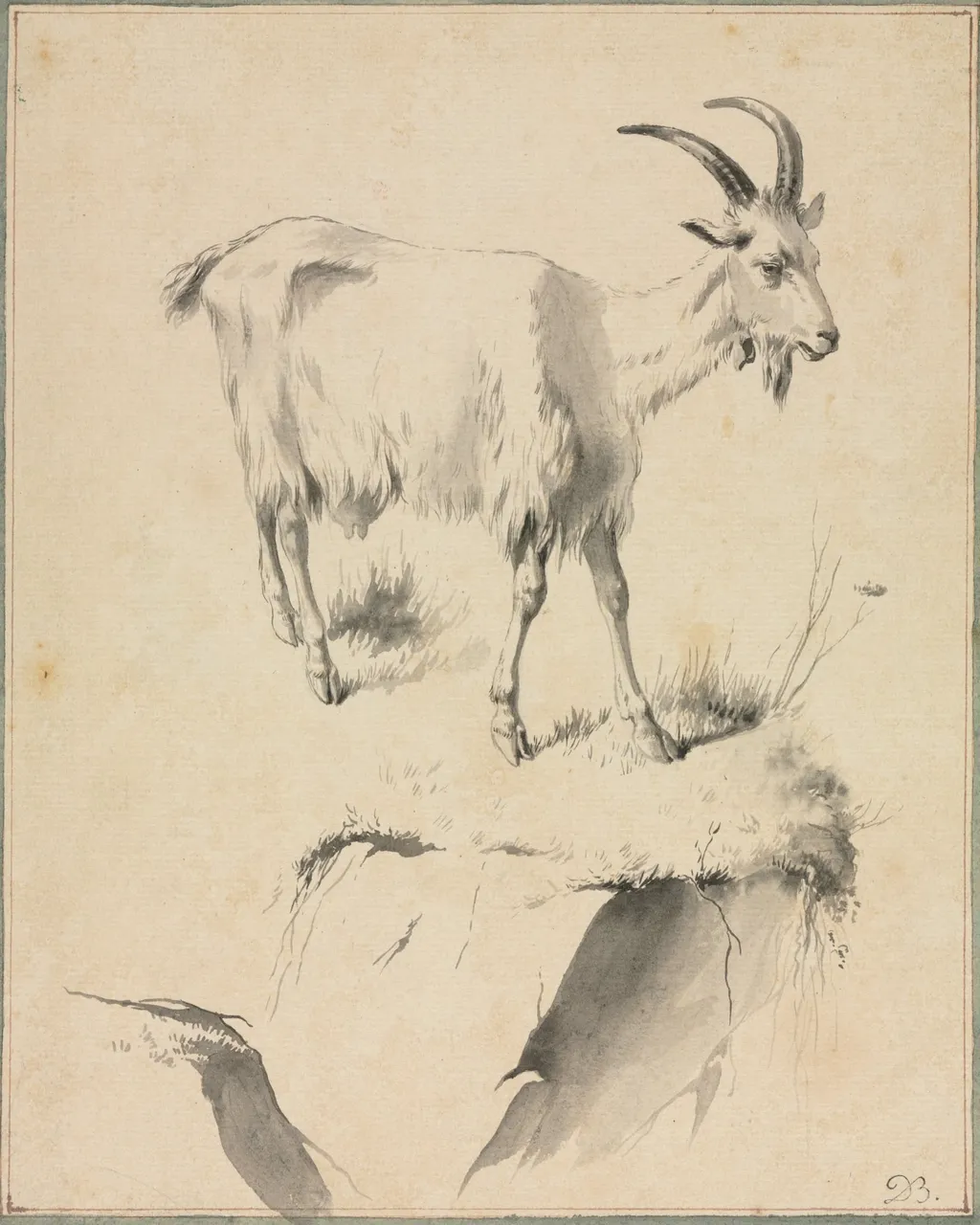
Study of a Goat is a drawing by the Romanticist artist Jean-Jacques de Boissieu. It dates from 1704 and is held in the collection of the Cleveland Museum of Art. Created around 1704, this drawing by Jean‑Jacques de Boissieu depicts a goat positioned beside a low wall.
About this work
Overview
Created around 1704, this drawing by Jean‑Jacques de Boissieu depicts a goat positioned beside a low wall. The work is part of the collection of the Cleveland Museum of Art, where it is displayed as an example of early‑18th‑century animal studies.
Subject & Meaning
The composition focuses on a solitary goat, rendered in a naturalistic pose that highlights its muscular build and distinctive horns. By isolating the animal against a simple architectural element, the drawing emphasizes the creature’s form and texture, reflecting the artist’s interest in observing living subjects directly.
Technique & Style
De Boissieu employed precise, incisive lines to delineate the goat’s shaggy coat, slender legs, and curved ribs. The interplay of light and shadow is suggested through varied line weight, giving the animal a three‑dimensional presence. The swift, confident strokes suggest that the study was executed outdoors, capturing the immediacy of the observed animal.
History & Provenance
The drawing entered the Cleveland Museum of Art’s holdings through acquisition in the 20th century, though the exact path of ownership prior to that remains undocumented. Its presence in the museum’s collection underscores the institution’s commitment to representing French drawing practices of the early Enlightenment period.
Own this work as a print
Artist & collection
Artist
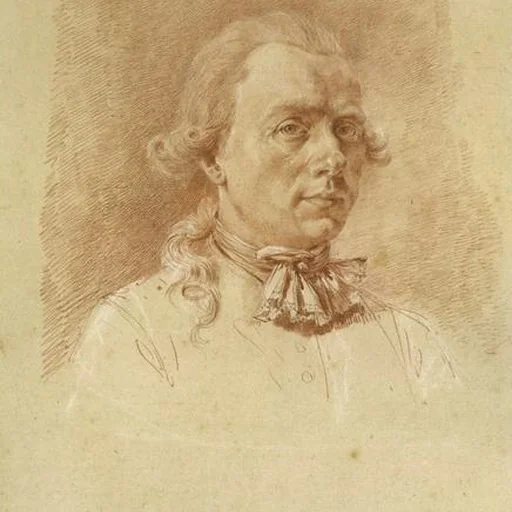
Jean-Jacques de Boissieu (1736–1810) was a French artist, born in Lyon.