Artwork
Self-portrait with the family
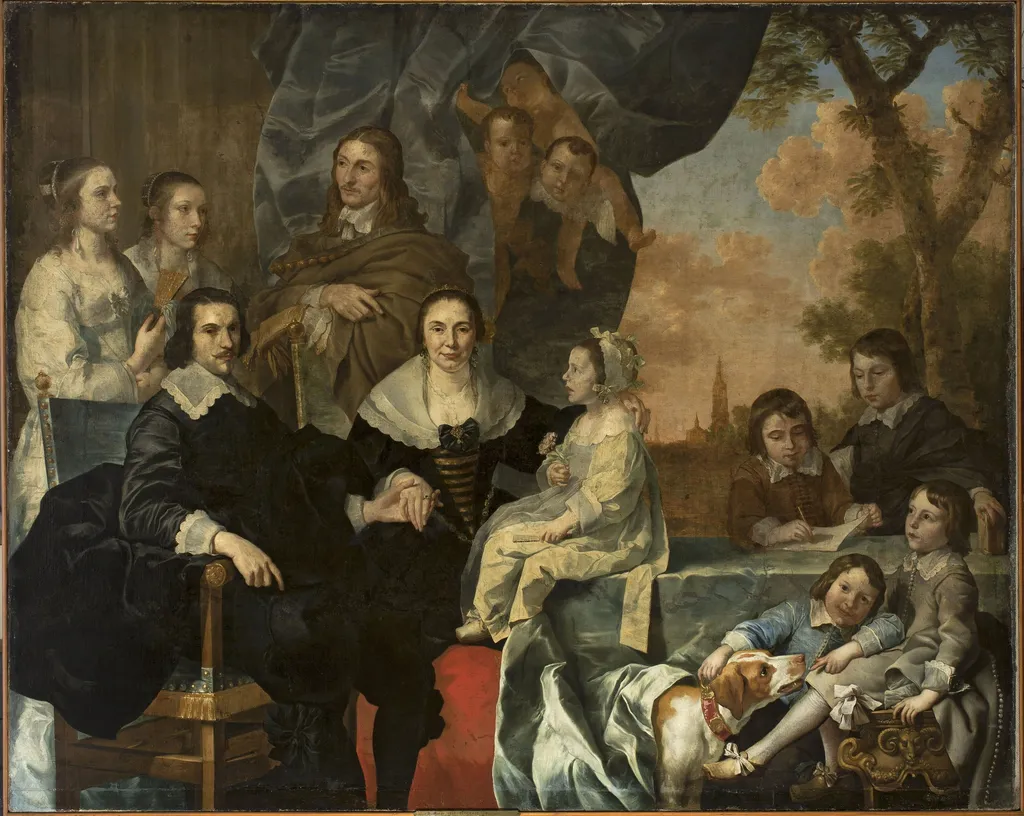
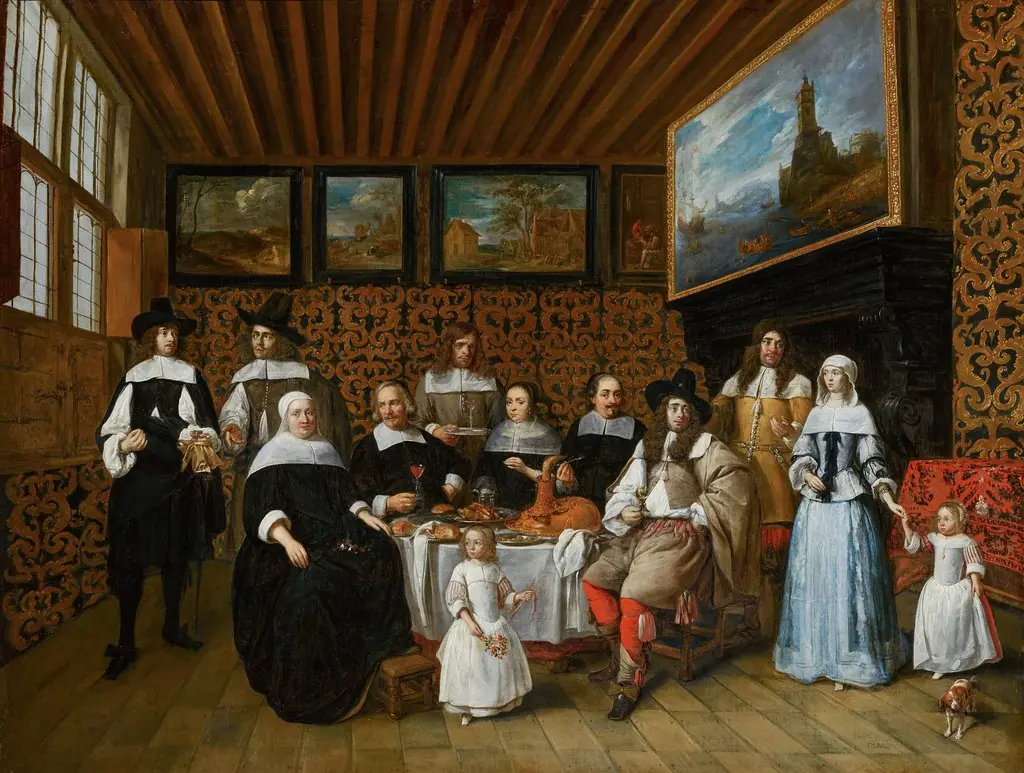
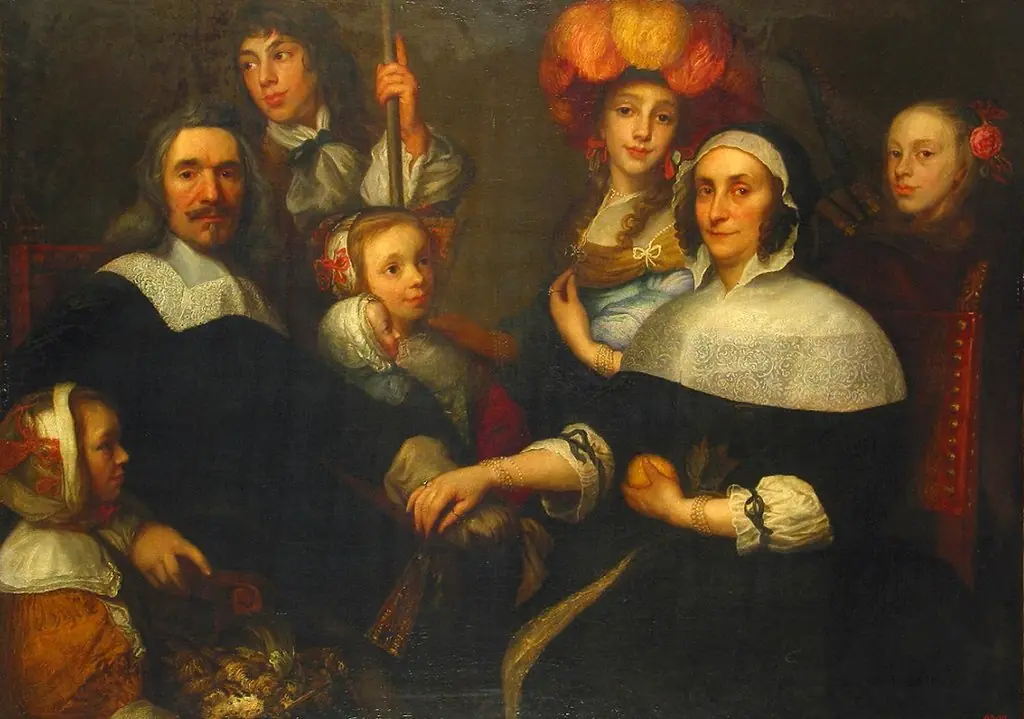
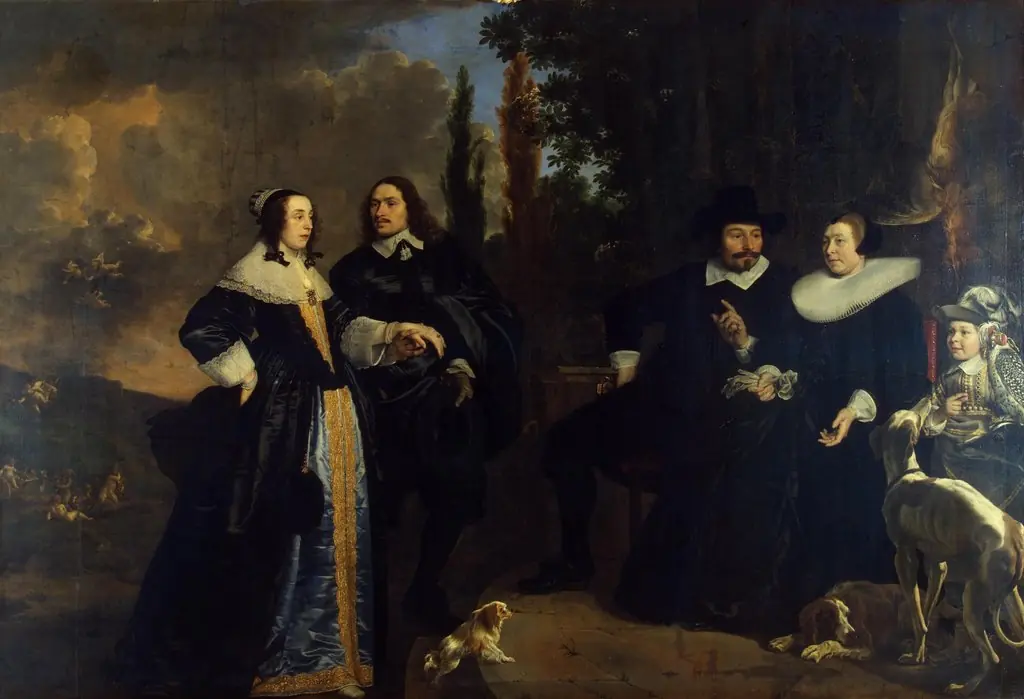
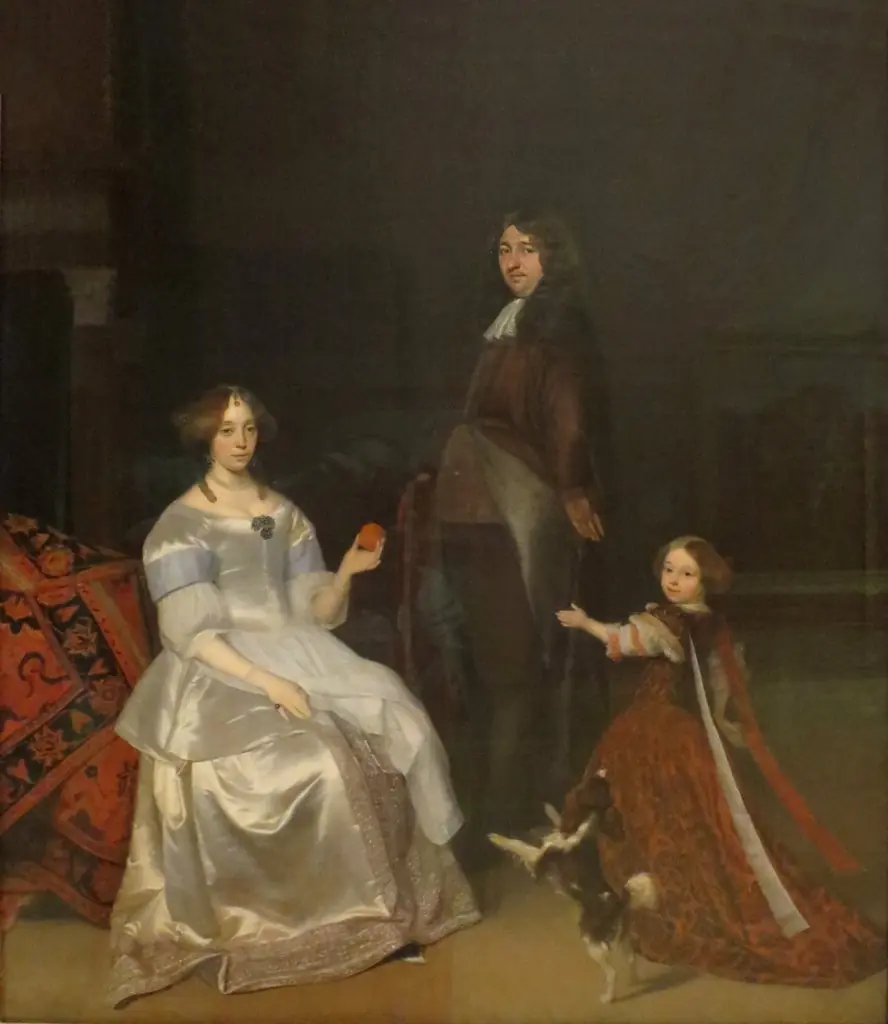
Self-portrait with the family is an oil painting by the Dutch Golden Age artist Nicolaes de Helt Stockade. It dates from 1664 and is held in the collection of the National Museum in Warsaw.
About this work
Overview
Nicolaes de Helt Stockade’s oil on canvas, dated 1664, presents a domestic group portrait now in the collection of Warsaw’s National Museum. The composition gathers eight figures within an interior space, centering the artist among his relatives. The work combines portraiture with a narrative glimpse of everyday life, offering a snapshot of a seventeenth‑century household.
Subject & Meaning
The central figure is the painter himself, surrounded by his family members—two adults and six children. The children engage in varied activities: one clutches a flower, another toys with a small dog, while a few study books or simply observe. This arrangement suggests both familial affection and the transmission of learning across generations.
Technique & Style
Stockade employs a subtle chiaroscuro, allowing soft shadows to model faces and the sumptuous fabrics of the dark, high‑collared garments. The gentle illumination accentuates texture, giving the skin and cloth a tactile presence. A distant landscape visible through a window adds depth, while the overall palette remains restrained, emphasizing the figures’ intimacy.
History & Provenance
Created in the mid‑1660s, the painting entered the National Museum in Warsaw during the 20th century, though precise acquisition details remain limited. Its survival reflects the broader movement of Dutch genre and portrait works into Central European collections, where they were valued for their technical skill and domestic themes.
Context
The work belongs to a period when Dutch artists frequently produced family group portraits, reflecting social status and lineage. Stockade’s choice of a modest interior, rather than an opulent setting, aligns with the era’s growing interest in portraying everyday virtue and the private sphere rather than solely public grandeur.
Artist & collection
Artist
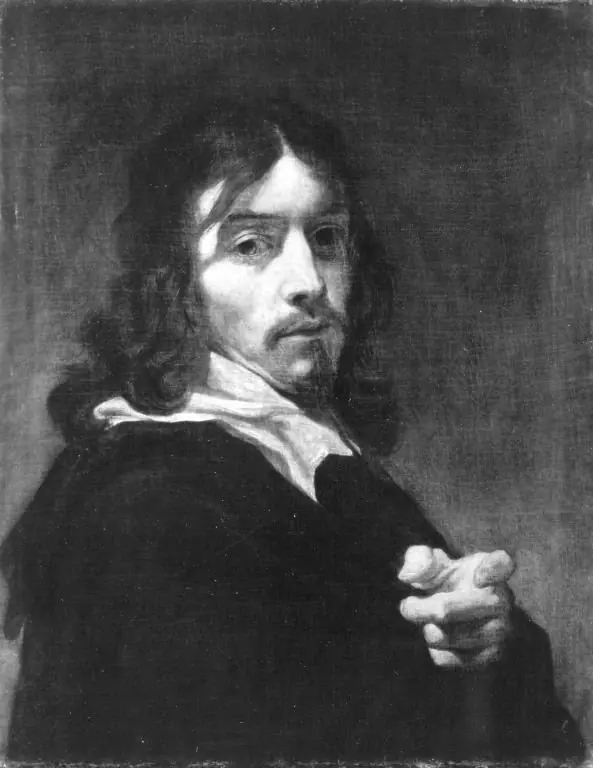
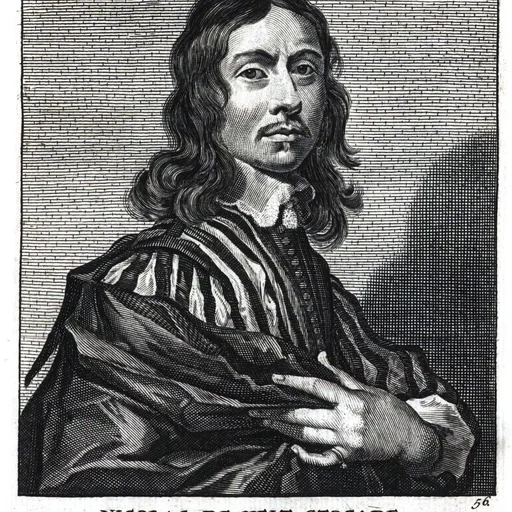
Nicolaes de Helt Stockade (1614–1669) was an artist, born in Nijmegen.