Artwork
Jupiter and Ganymede
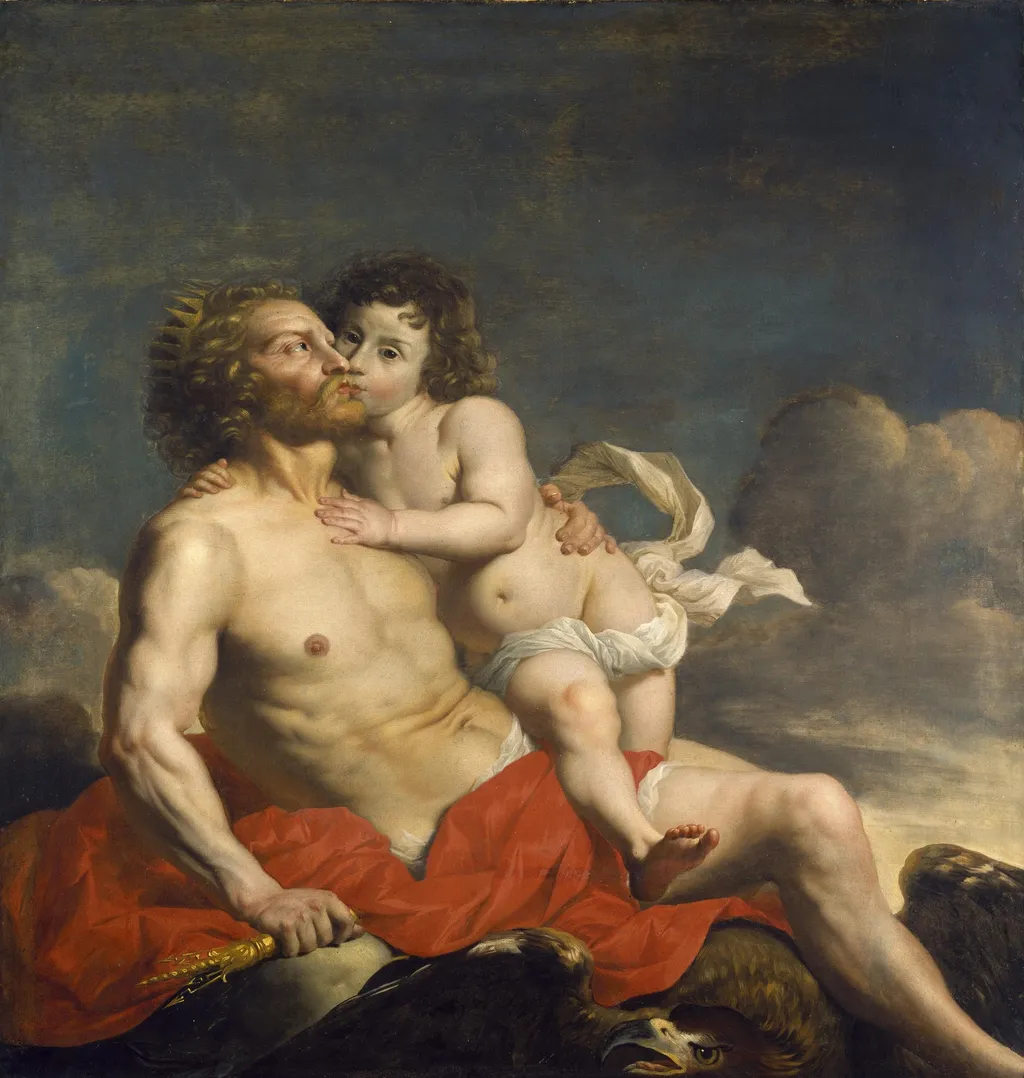
Jupiter and Ganymede is an oil painting by the Dutch Golden Age artist Nicolaes de Helt Stockade. It dates from 1664 and is held in the collection of the National Gallery of Ireland.
About this work
Overview
The composition centers on a seated male figure and a youthful companion, rendered with attention to anatomical detail and emotional nuance.
Painted in 1664 by Nicolaes de Helt Stockade, this oil on canvas work portrays a scene from classical mythology. It is part of the collection at the National Gallery of Ireland. The composition centers on a seated male figure and a youthful companion, rendered with attention to anatomical detail and emotional nuance. The painting reflects the artist’s engagement with mythological themes common in 17th-century Dutch and Flemish art.
Subject & Meaning
The figures represent Jupiter, king of the gods, and Ganymede, a mortal youth abducted to serve as cupbearer in Olympus. Jupiter’s gaze upward suggests divine contemplation, while Ganymede’s downward look conveys quiet submission. The eagle at their feet, though subtly rendered, alludes to Jupiter’s transformed form in the myth. The scene emphasizes a moment of tender transition rather than force, focusing on the emotional bond between the two.
Technique & Style
Stockade employs chiaroscuro to model the figures with soft gradations of light and shadow, lending volume and physical presence. The red drapery and white cloth contrast against the muted tones of skin and rock, guiding the viewer’s eye. Brushwork is controlled yet fluid, avoiding theatricality. The sky, rendered in pale blues and soft clouds, recedes gently, enhancing the intimacy of the foreground group without distracting from it.
History & Provenance
The painting was completed in 1664 and entered the National Gallery of Ireland’s collection in the 19th century. Its early ownership is not fully documented, but its style aligns with Dutch Golden Age practices, suggesting it may have been commissioned by a private collector familiar with mythological subjects. It has remained in institutional hands since acquisition, with no record of significant restoration.
Context
In mid-17th-century the Netherlands, mythological scenes were popular among collectors seeking intellectual and aesthetic refinement. Stockade, active in Amsterdam, drew from Flemish and Italian sources but maintained a restrained, domesticated approach. Unlike grander Baroque treatments, his version avoids spectacle, favoring quiet psychological presence — a reflection of Northern European tastes over Italian dramaticism.
Legacy
Though not widely reproduced, the painting exemplifies how Dutch artists adapted classical narratives with psychological subtlety. It stands as a quiet counterpoint to more flamboyant mythological works of the era. Its preservation in a public collection ensures continued study of how Northern painters interpreted myth through intimacy rather than grandeur.
Own this work as a print
Artist & collection
Artist
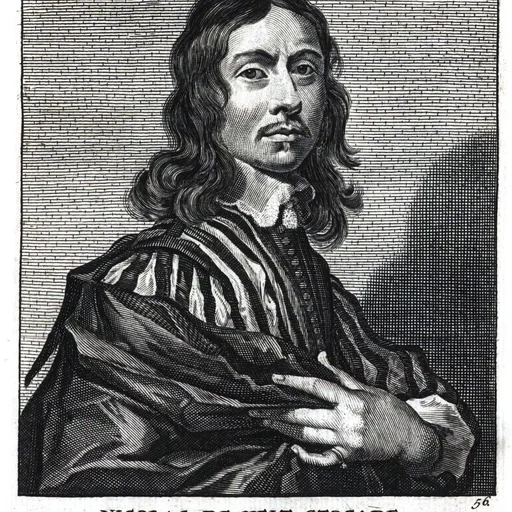
Nicolaes de Helt Stockade (1614–1669) was an artist, born in Nijmegen.

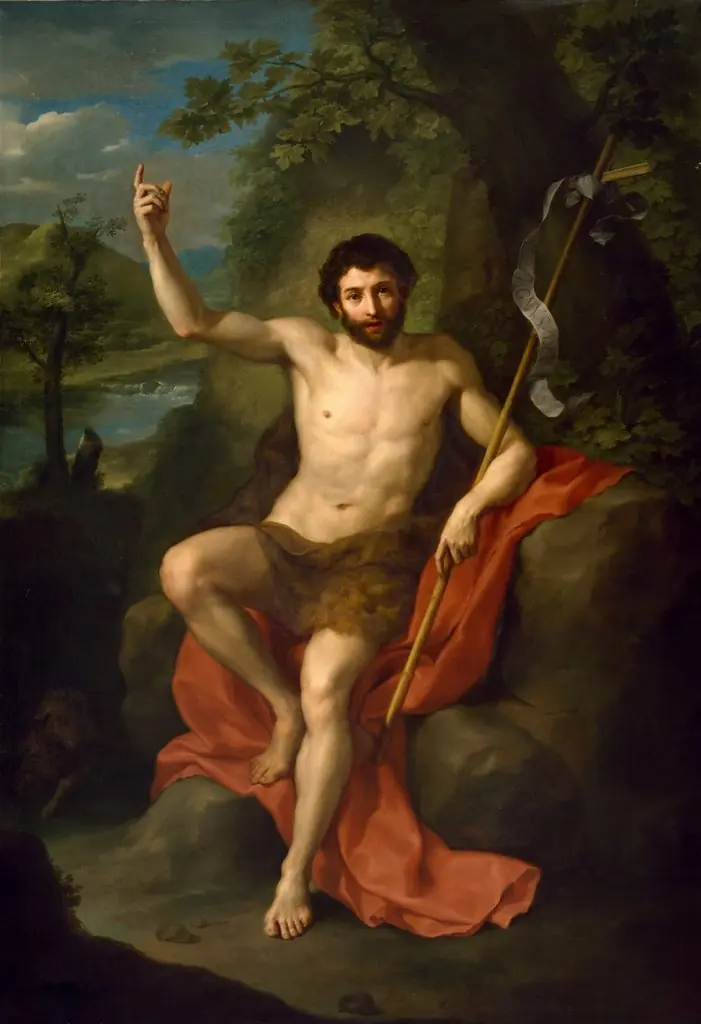 Saint John the Baptist Preaching in the Wilderness
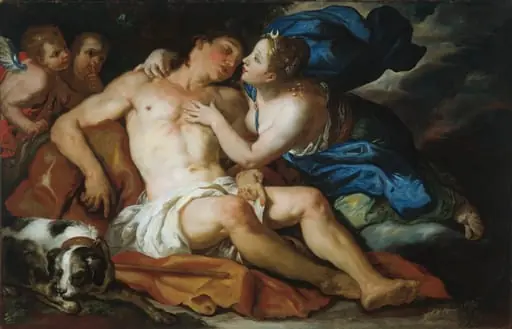 Diana and Endymion
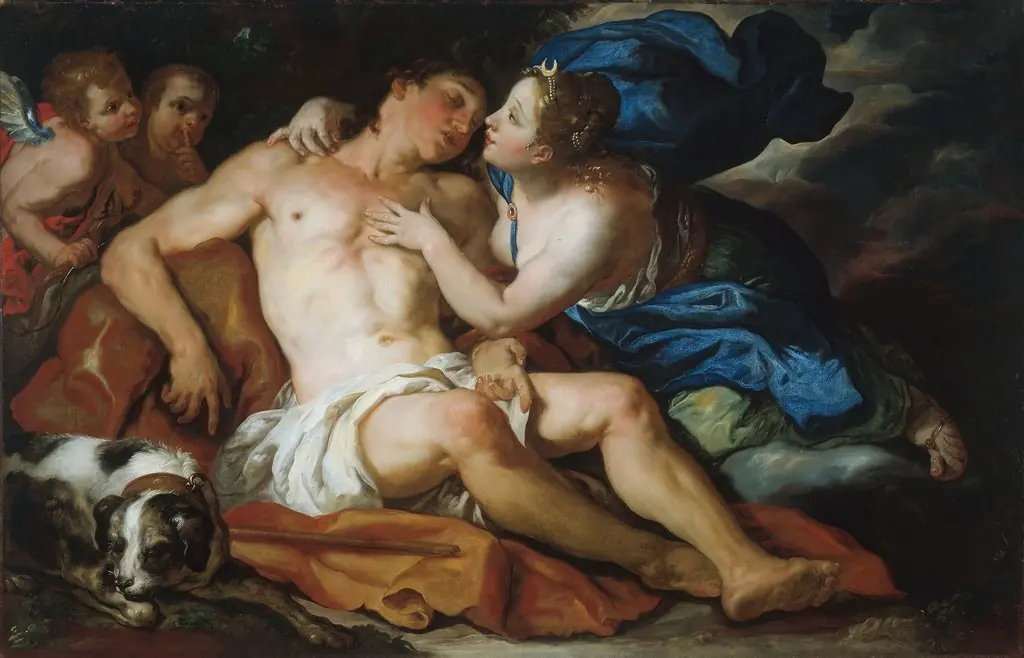 Diana and Endymion
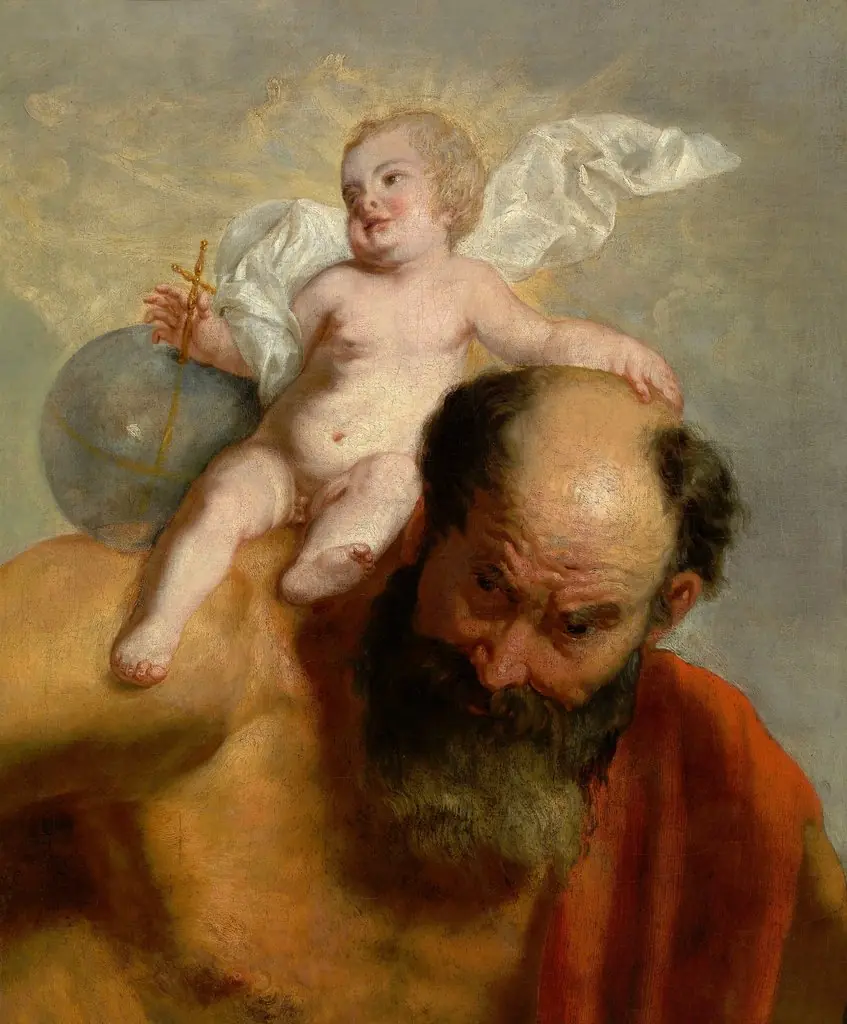 Saint Christopher
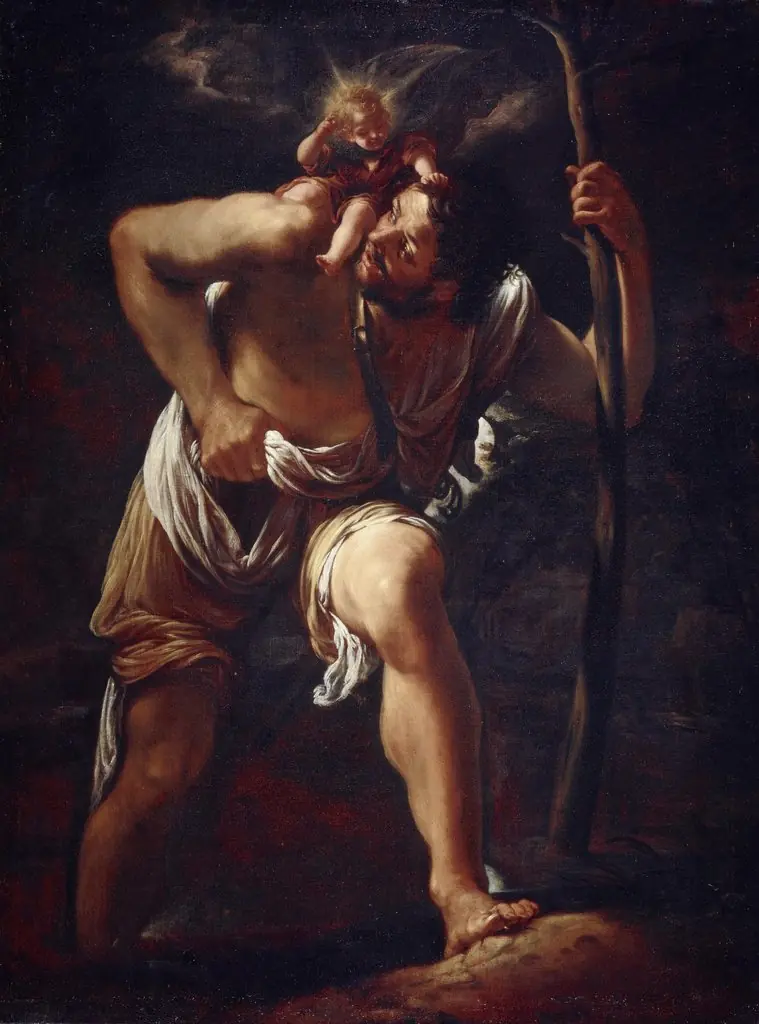 Saint Christopher Carrying the Infant Christ
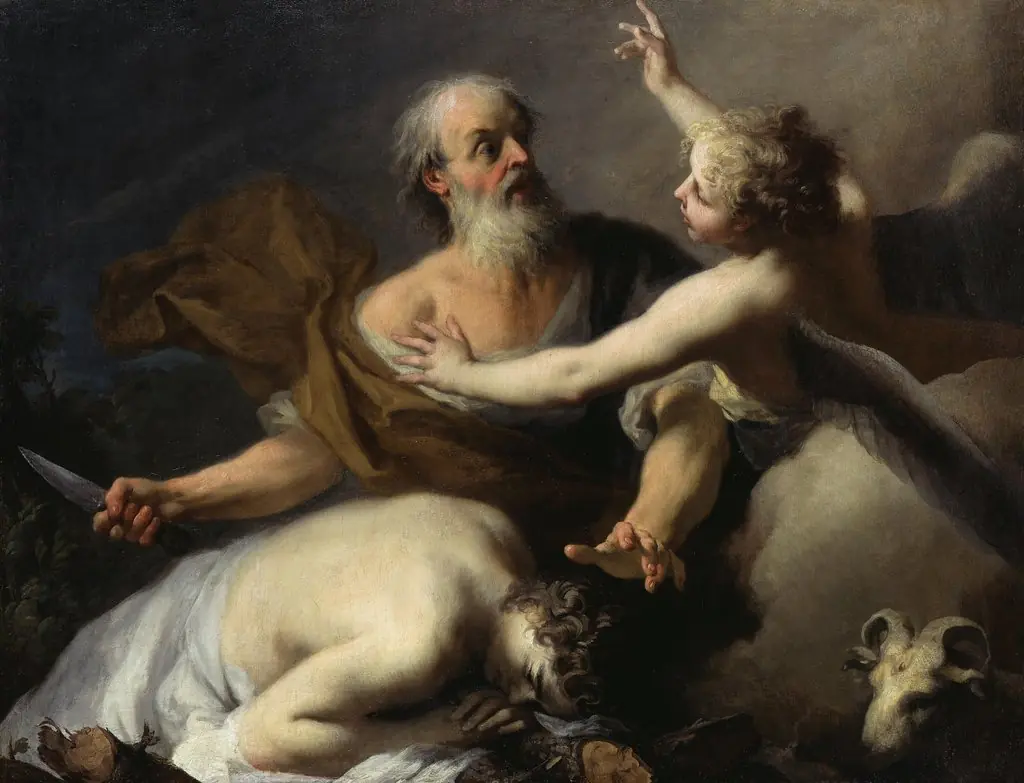 Abraham's Sacrifice of Isaac
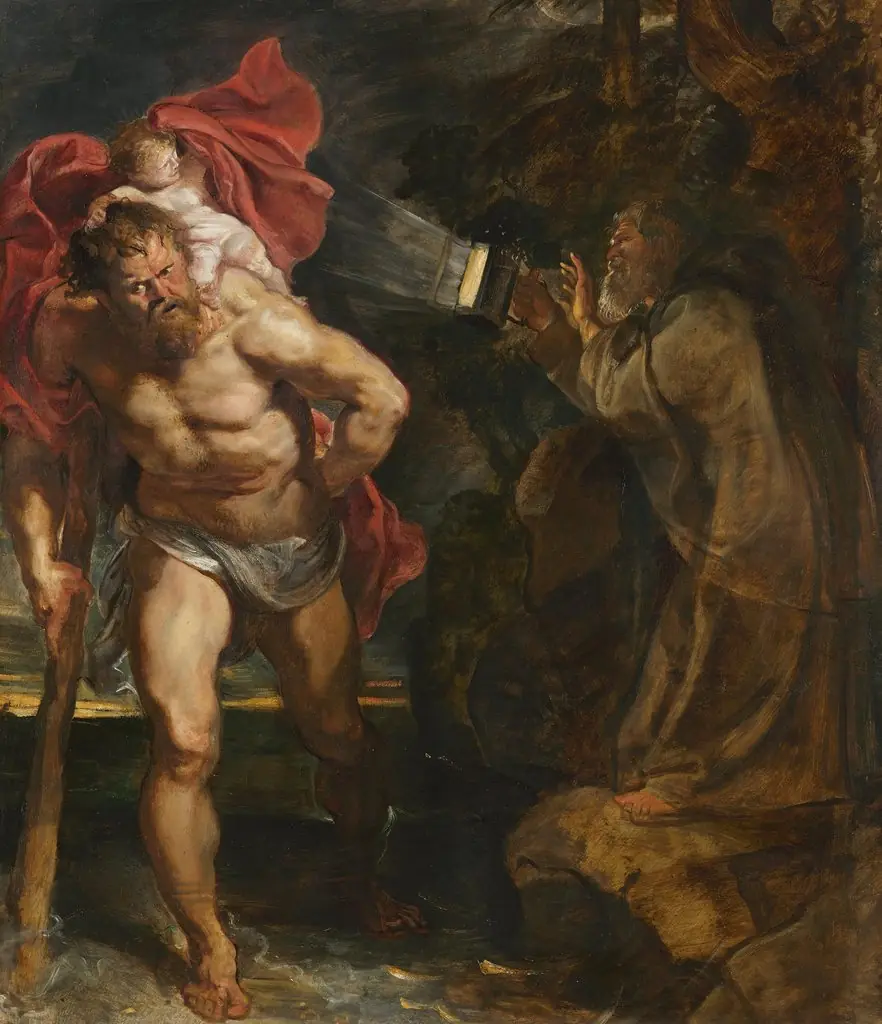 Saint Christopher and the hermit
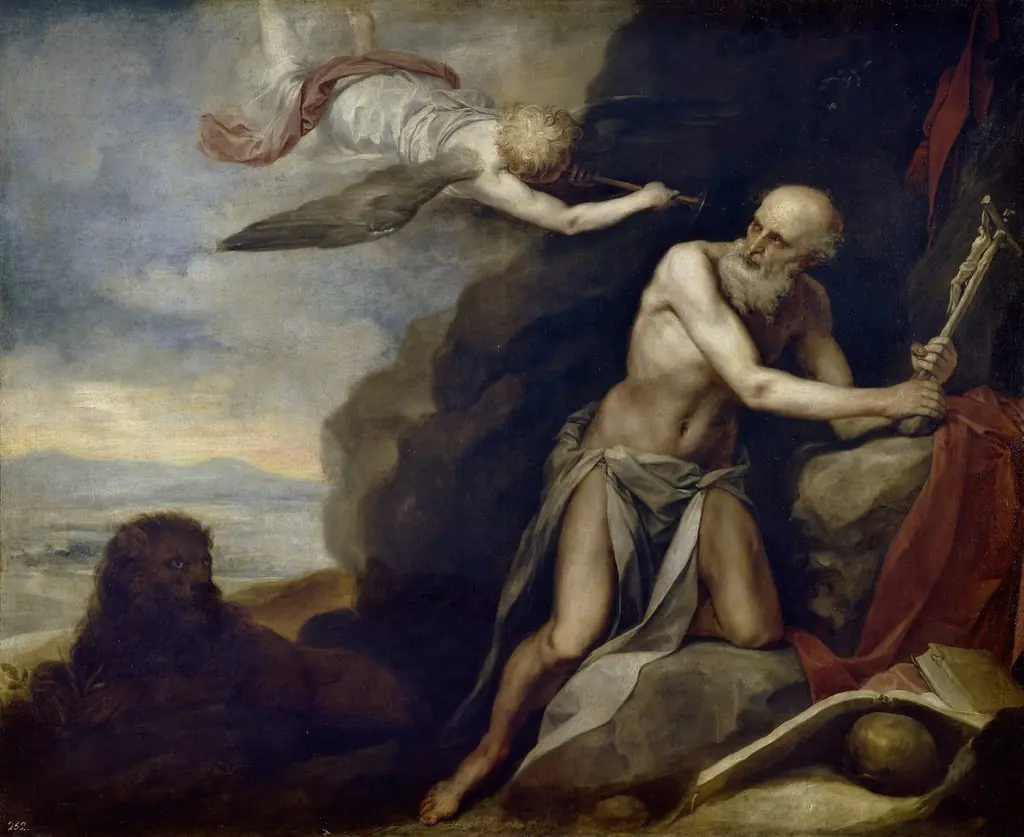 The penitent Saint Jerome
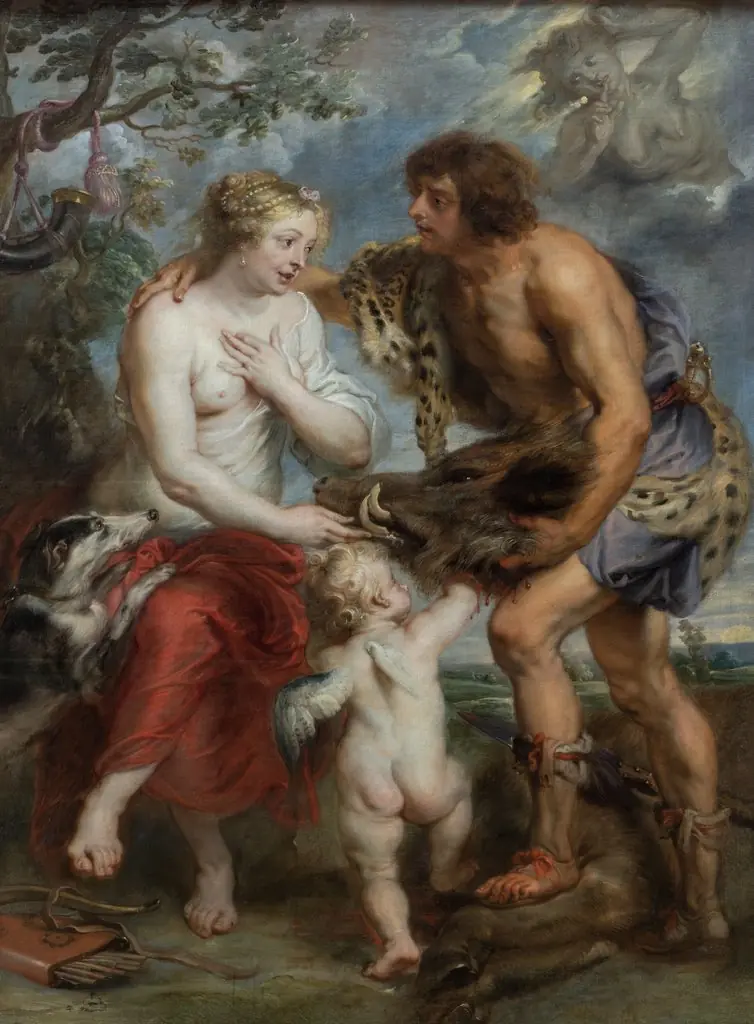 Meleager presents the head of the Calydonian boar to Atalanta
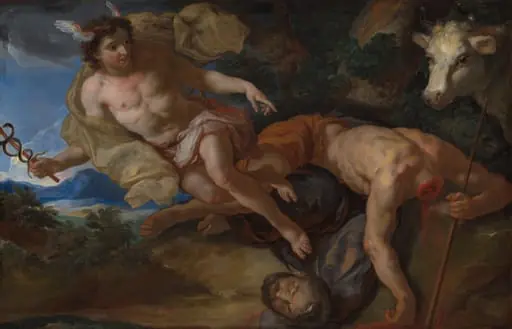 Mercury Rescues the Disguised Io after Beheading Argus
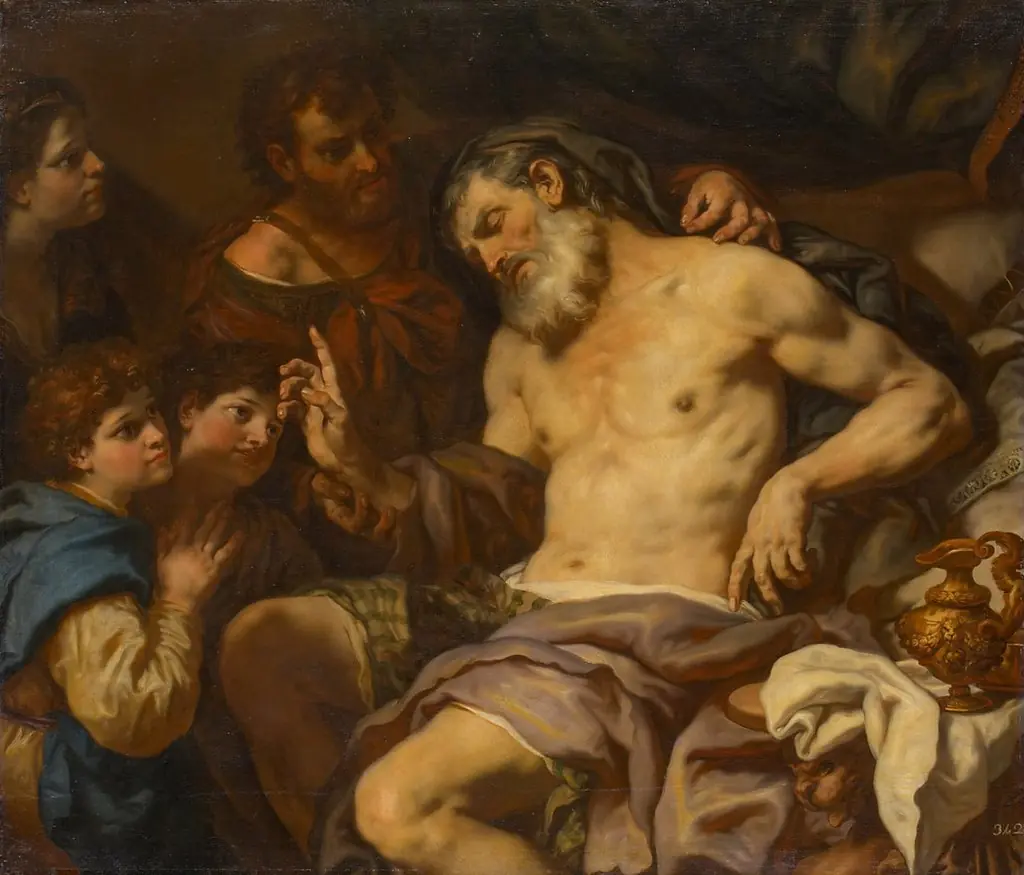 Jacob Blesses Ephraim and Manasseh
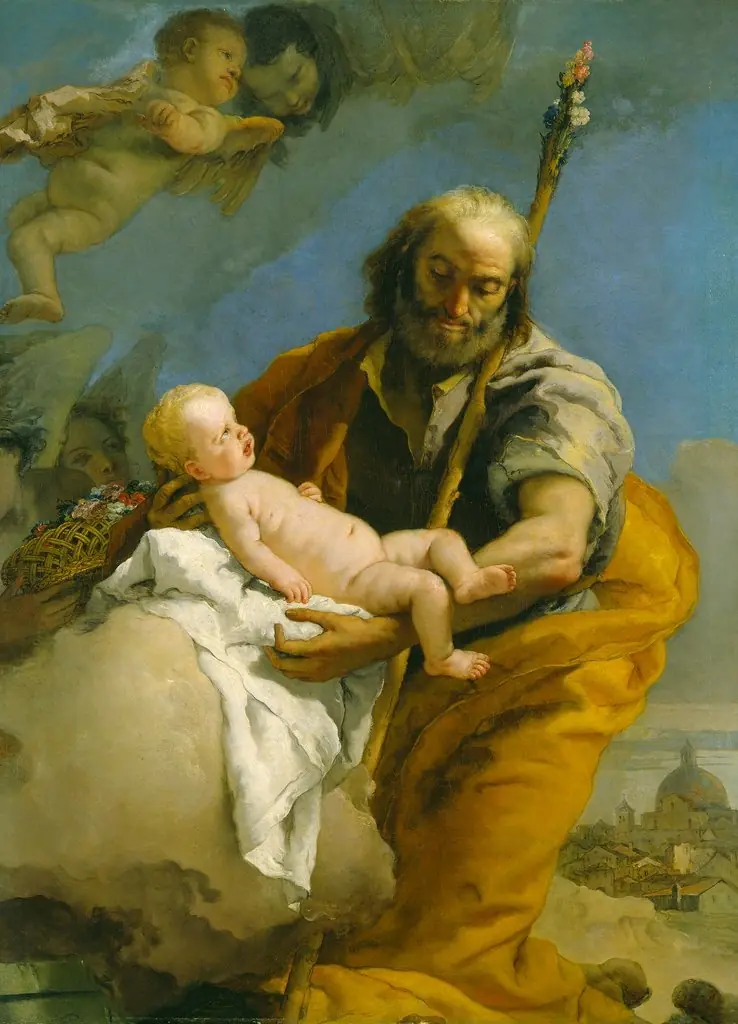 Saint Joseph and the Christ Child