Artwork
Nicolas Neufchatel. Portret van Balthasar Dörrer en zijn tweede vrouw Magdalena Bayerin
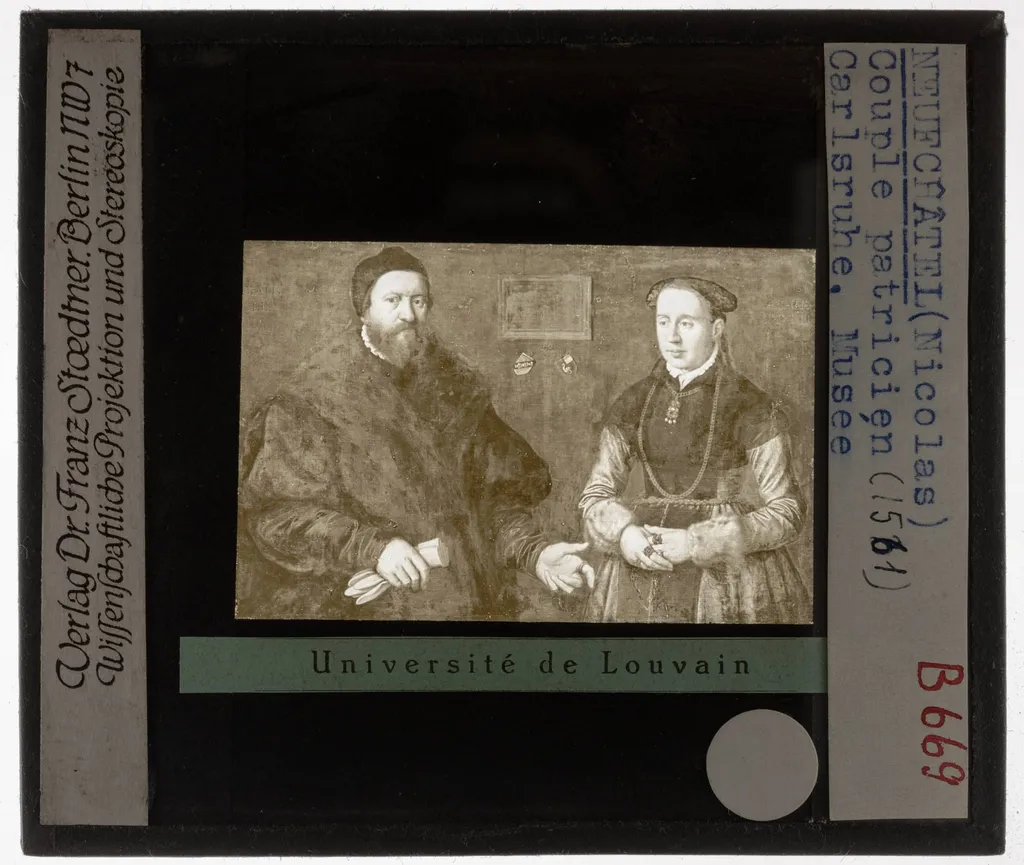
Nicolas Neufchatel. Portret van Balthasar Dörrer en zijn tweede vrouw Magdalena Bayerin is an unspecified painting by the Mannerist artist Nicolas Neufchatel. It dates from 1561 and is held in the collection of the Catholic University of Leuven.
About this work
Overview
Painted in 1561, this double portrait by Nicolas Neufchatel depicts Balthasar Dörrer and his second wife, Magdalena Bayerin. Executed in oil on canvas, the work exemplifies Northern Renaissance portraiture. It is currently held in the Staatliche Kunsthalle Karlsruhe, Germany, where it remains a key example of 16th-century civilian portraiture from the Rhineland region.
Subject & Meaning
The painting presents Balthasar Dörrer, a merchant or civic official, alongside his wife Magdalena Bayerin, seated side by side in a domestic setting. Their attire—elaborate for her, restrained yet dignified for him—signals social status rather than nobility. The composition suggests partnership and stability, reflecting the values of prosperous urban families in the mid-16th century.
Technique & Style
Neufchatel employed oil on canvas with precise brushwork, capturing textures of fabric, skin, and metal with quiet realism. Facial expressions are subdued, and lighting is even, avoiding dramatic contrasts. The background is neutral, focusing attention on the sitters. While not using sfumato as in Italian Renaissance works, the rendering shows Northern attention to detail and material fidelity.
History & Provenance
Its survival through centuries is notable, as many similar portraits were lost to war, neglect, or repurposing.
The painting was likely commissioned shortly after Dörrer’s remarriage in the early 1560s. It passed through private collections before entering the Staatliche Kunsthalle Karlsruhe’s holdings. Its survival through centuries is notable, as many similar portraits were lost to war, neglect, or repurposing. Documentation on its early ownership remains limited but consistent with regional collector patterns.
Context
Created during the Protestant Reformation’s peak, the portrait reflects the rising prominence of non-noble elites in German-speaking territories. Unlike religious commissions, such works celebrated civic identity and marital union. Neufchatel, active in the Rhineland, catered to this emerging class, blending Flemish precision with local tastes in dress and demeanor.
Legacy
The portrait endures as a representative example of mid-16th-century German civic portraiture. It contributes to scholarly understanding of how wealth and status were visually encoded outside aristocratic circles. Though not widely reproduced, it remains a reference point in studies of Northern Renaissance family imagery and material culture.
Artist & collection
Artist
Nicolas Neufchatel or Neufchâtel (c. 1527 – c. 1590), known as Lucidel, was a Flemish painter and draughtsman. He worked in Germany and was noted as one of the leading portrait painters of the 1560s.
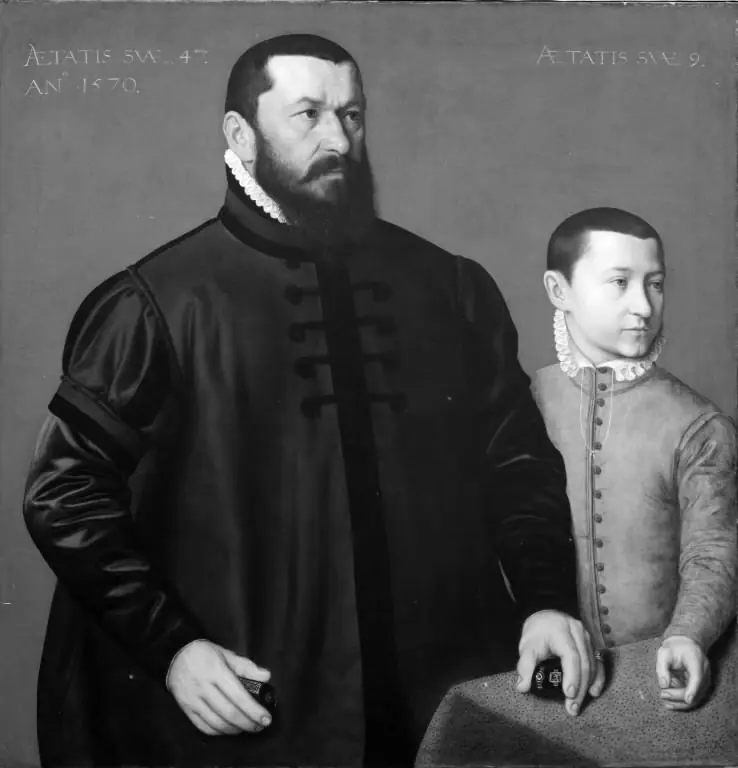 Portrait of the Nuremberg Goldsmith Hans Lencker (1523-1585) and his 9-year old son Elisius the Younger
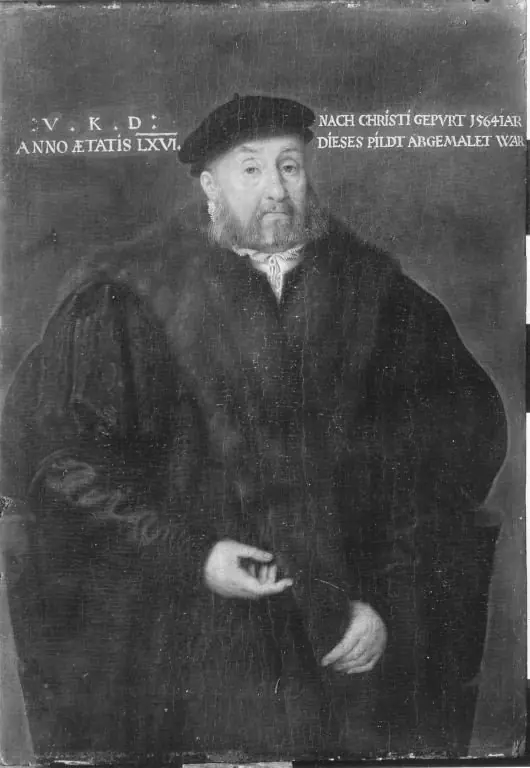 Bildnis eines Mannes im Alter von 66 Jahren
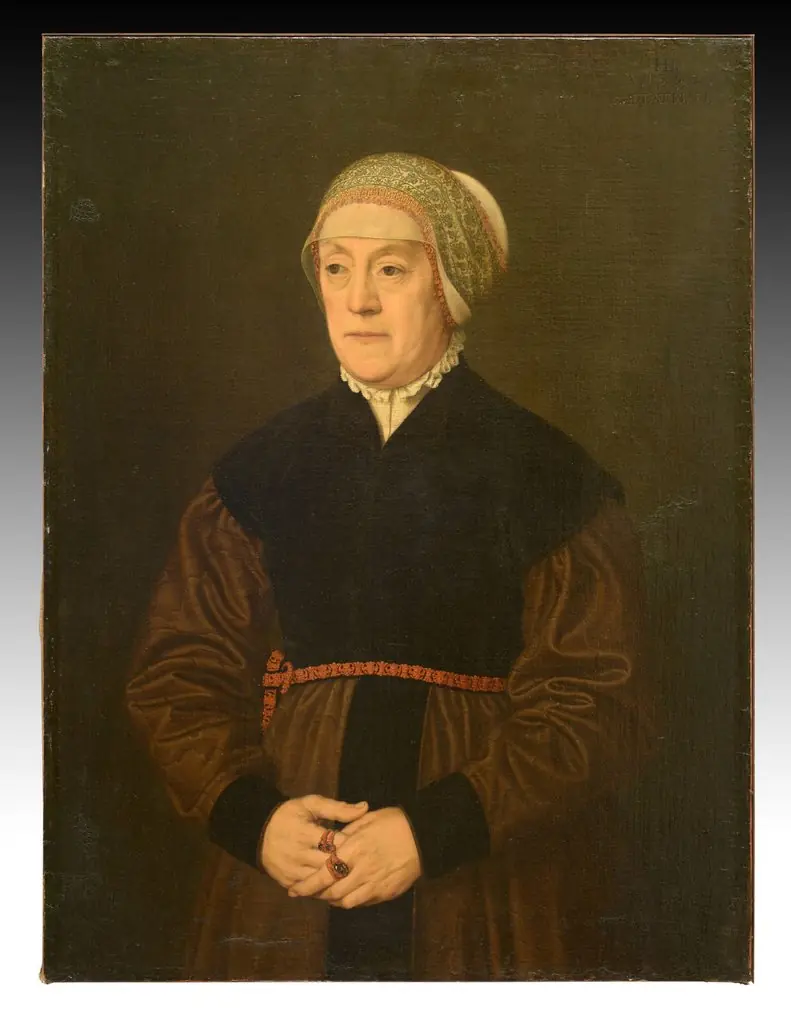 Portrait of an Elderly Woman
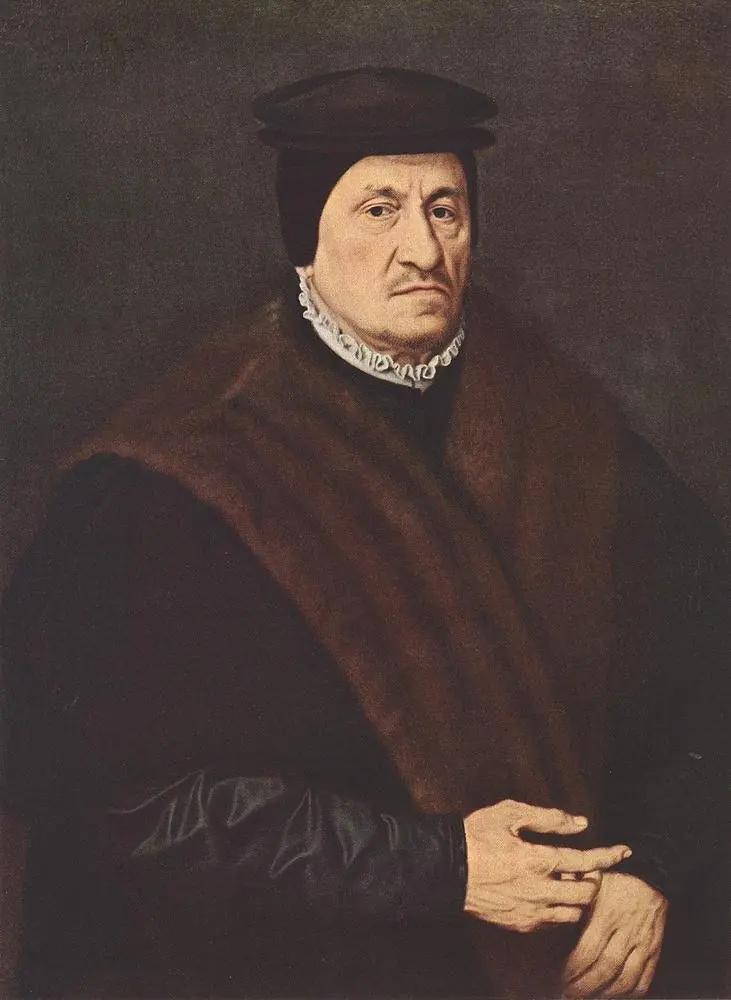 Portrait of an Elderly Man
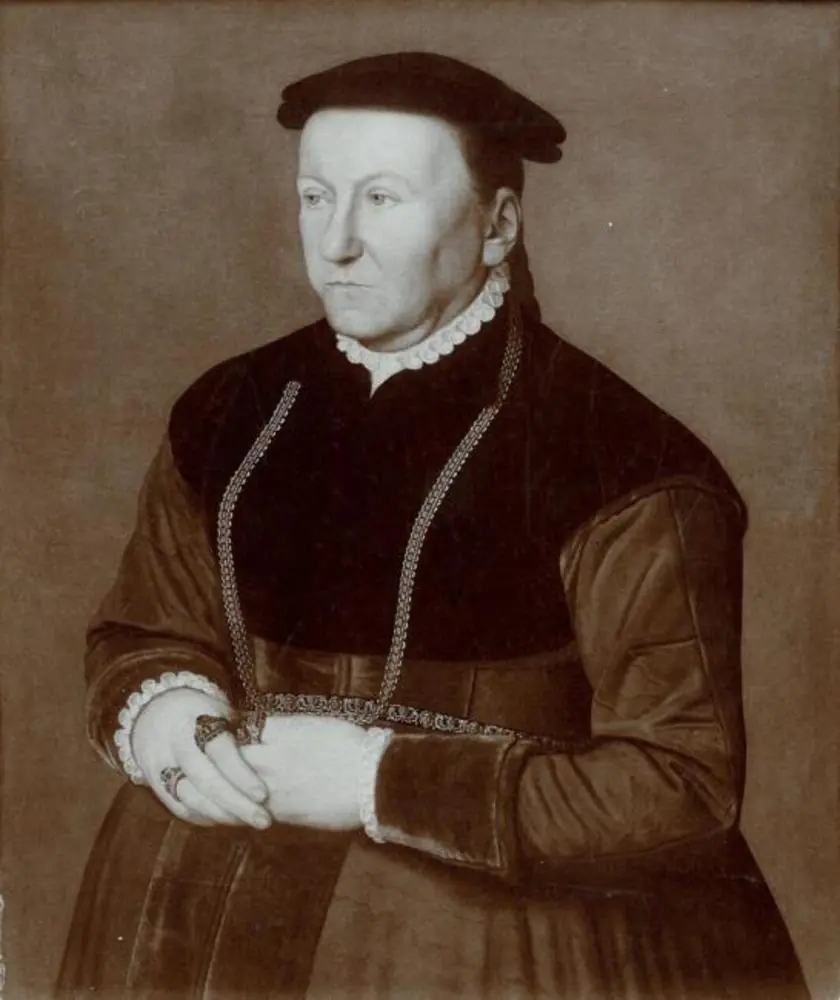 Portrait of an unknown woman
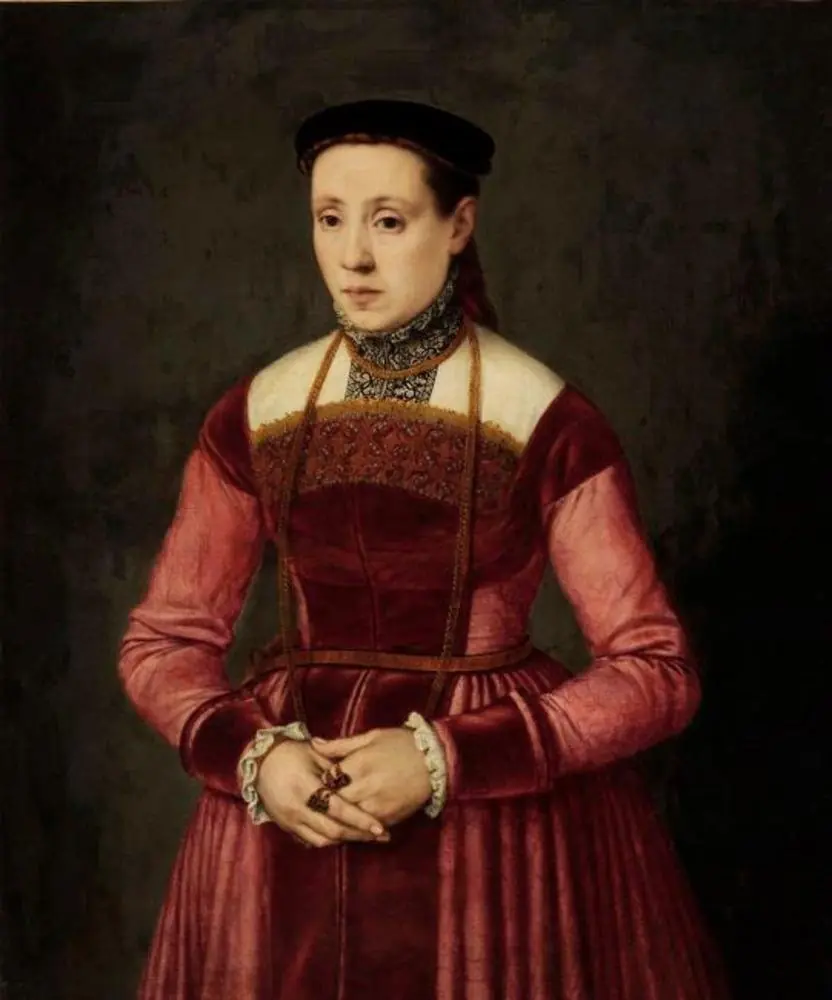 Portrait of a Young Woman
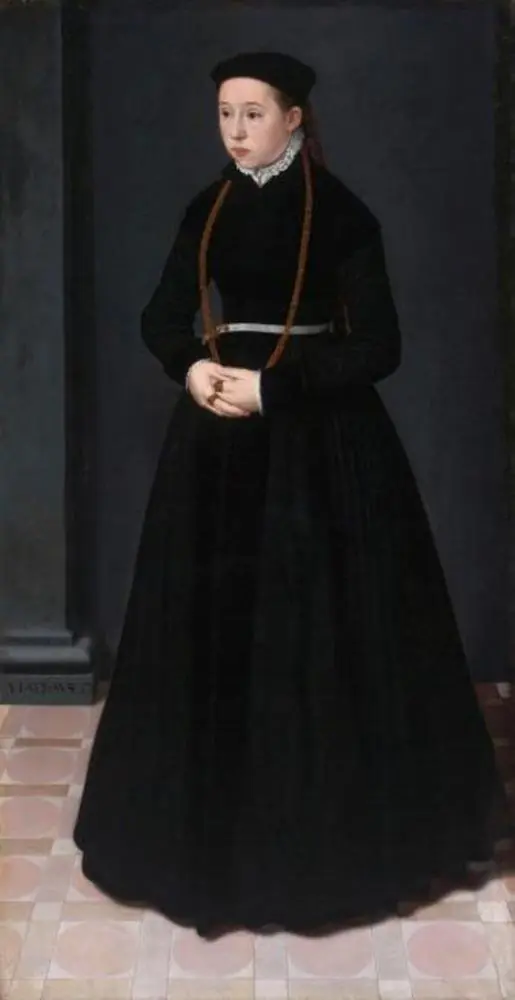 Portrait of Margaretha Mertha (Merthen), the Wife of Heinrich Pilgram
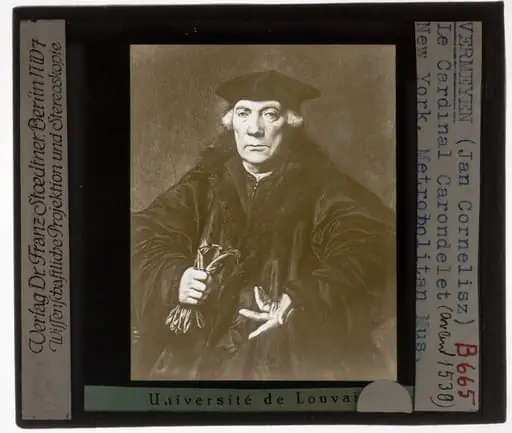 Jan Cornelis Vermeyen. Portret van Jean Carondelet
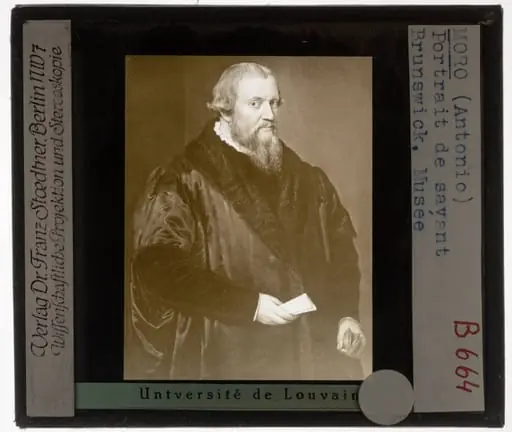 Anthonis Mor van Dashorst. Portret van wetenschapper
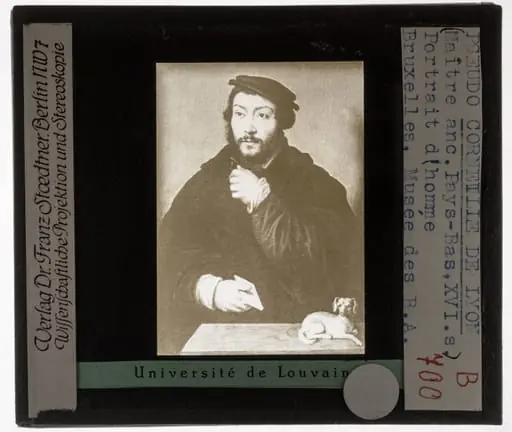 Anonymous. Portrait of a man
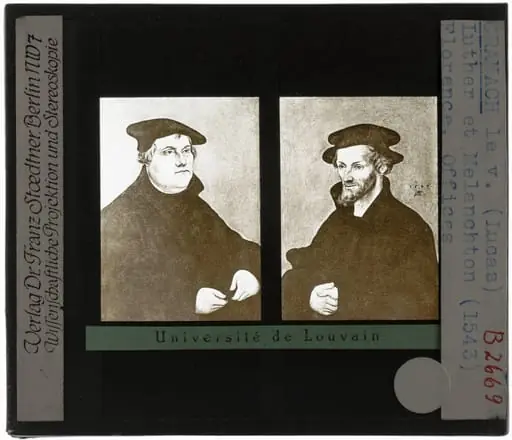 Lucas Cranach der Ältere. Portret van Martin Luther en Philipp Melanchthon
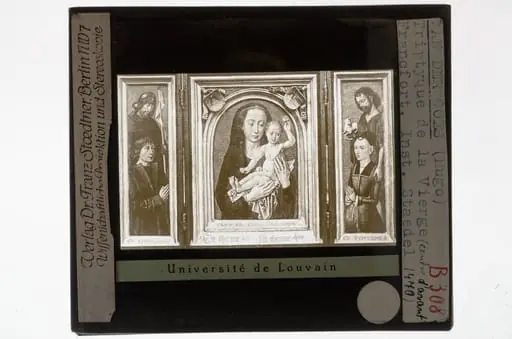 Hugo van der Goes. Triptych
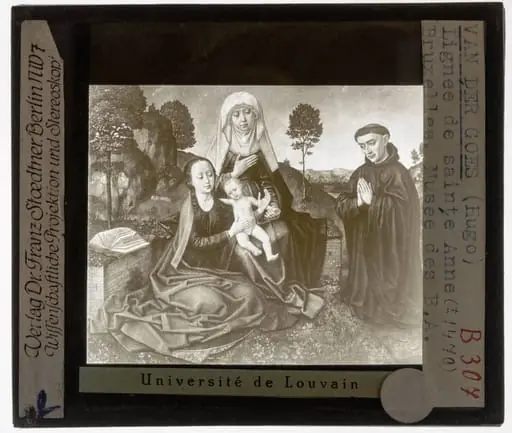 Hugo van der Goes. St Anne's with a Franciscan donor
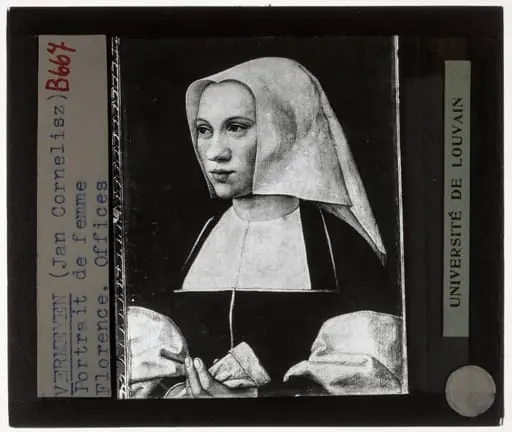 Jan Cornelis Vermeyen. Portrait of a woman
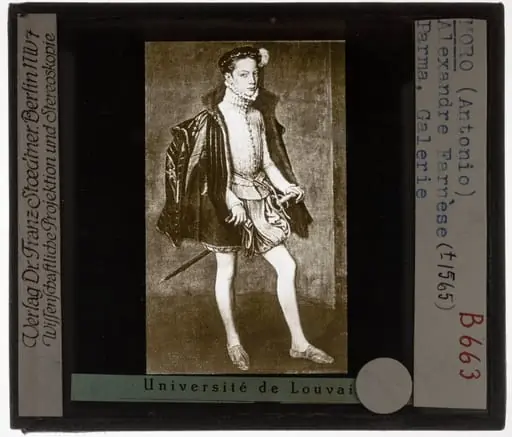 Anthonis Mor van Dashorst. Alessandro Farnese
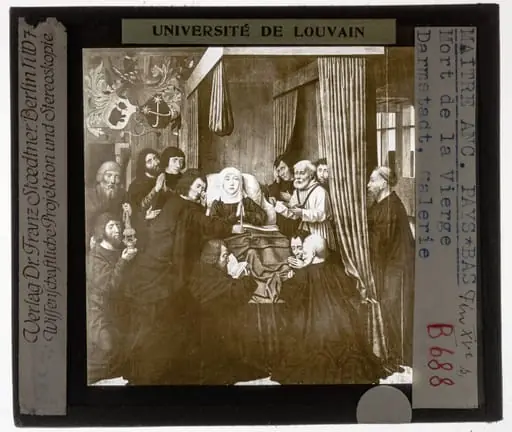 Simon van Haarlem (toegeschreven aan). Dood van Maria
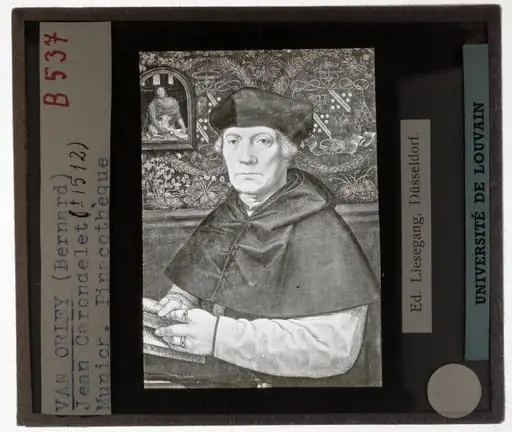 Bernard van Orley. Portret van Jean Carondelet