Artwork
Jan Cornelis Vermeyen. Portret van Jean Carondelet
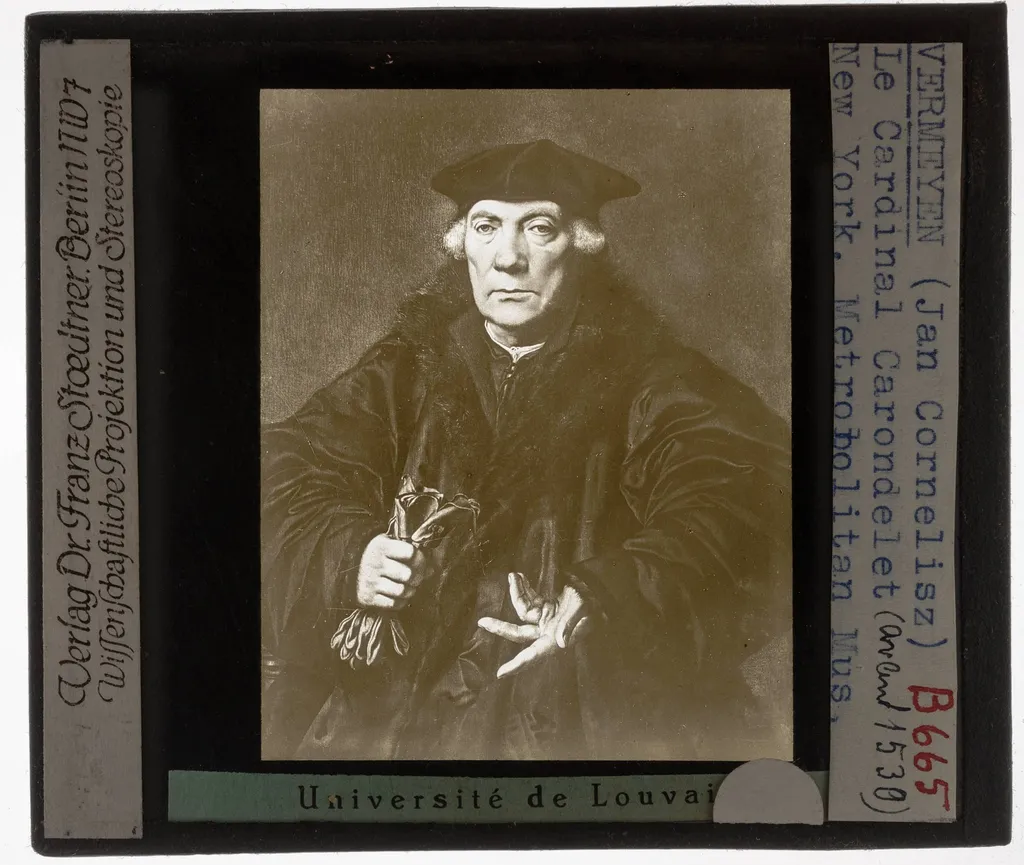
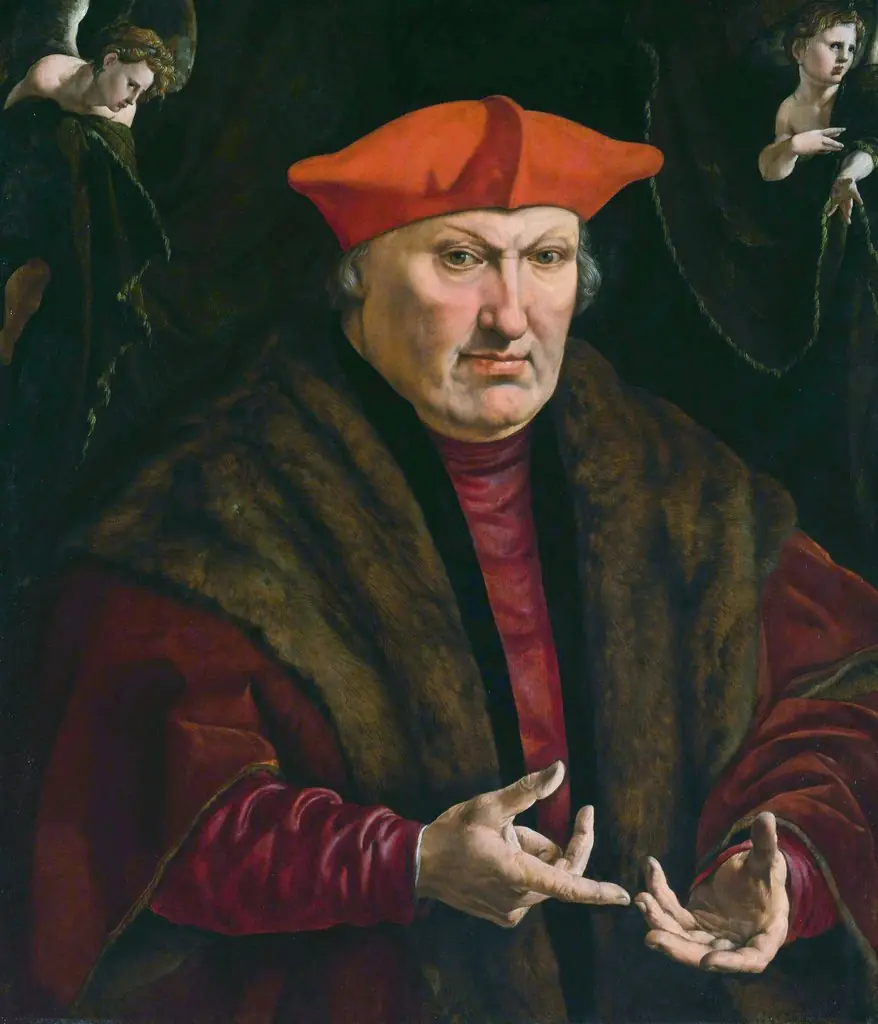
Jan Cornelis Vermeyen. Portret van Jean Carondelet is an unspecified painting by Jan Cornelisz Vermeyen. It is held in the collection of the Catholic University of Leuven. This portrait, painted around 1530, depicts Jean Carondelet, a prominent Burgundian statesman and cleric.
About this work
Overview
This portrait, painted around 1530, depicts Jean Carondelet, a prominent Burgundian statesman and cleric. Executed in oil on panel, it exemplifies the meticulous attention to detail characteristic of Northern Renaissance portraiture. The work is now held by the Brooklyn Museum in New York, having passed through various collections since its creation.
Subject & Meaning
Jean Carondelet, a high-ranking advisor to Emperor Charles V, is portrayed with restrained dignity. His formal attire and the rich interior suggest his status and intellectual authority. The direct gaze and neutral expression convey a sense of composure and gravitas, typical of portraits commissioned to affirm social and political identity rather than personal emotion.
Technique & Style
The painting employs fine brushwork to render textures—fabric, fur, wood, and stone—with precision. Light falls subtly across the face and hands, enhancing volume without dramatic contrast. The background, though sparse, includes architectural elements that frame the figure, reflecting the Northern Renaissance preference for realism over idealization.
History & Provenance
The painting was likely created in the Low Countries during Carondelet’s lifetime. It entered the Brooklyn Museum’s collection through documented acquisitions, though its earlier provenance remains partially obscure. Earlier glass slide reproductions from the University of Louvain indicate its use in academic instruction during the 19th and early 20th centuries.
Context
Carondelet’s image aligns with a broader trend in the Habsburg territories, where portraiture reinforced loyalty to the crown and the Church.
In the early 16th century, portraits of ecclesiastical and imperial officials served as instruments of influence and legacy. Carondelet’s image aligns with a broader trend in the Habsburg territories, where portraiture reinforced loyalty to the crown and the Church. Artists like Vermeyen, trained in the tradition of Jan van Eyck, emphasized material authenticity to convey moral and institutional weight.
Legacy
The portrait remains a representative example of Northern Renaissance secular portraiture, valued for its technical discipline and historical specificity. It contributes to scholarly understanding of how elite identities were visually constructed in the early modern period, particularly in regions under Habsburg rule.
Artist & collection
Artist
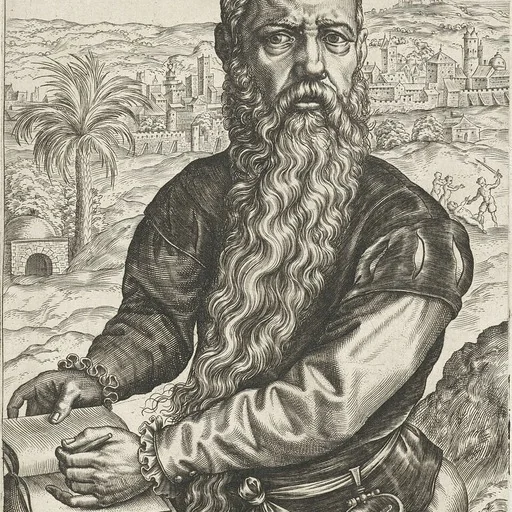
Jan Cornelisz. Vermeyen, also known as Juan del Mayo (c. 1503 – 1559) was a Dutch painter, printmaker and tapestry designer. He is known for his portraits, history scenes and genre subjects. He worked in Mechelen and…
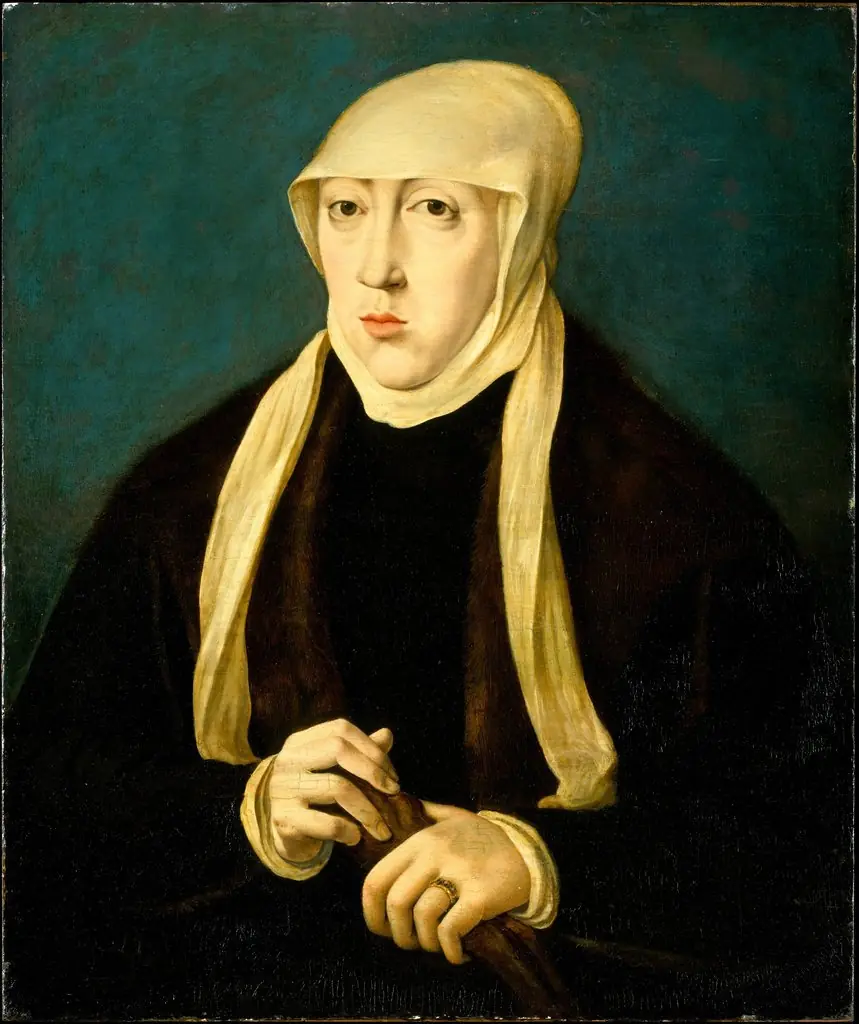
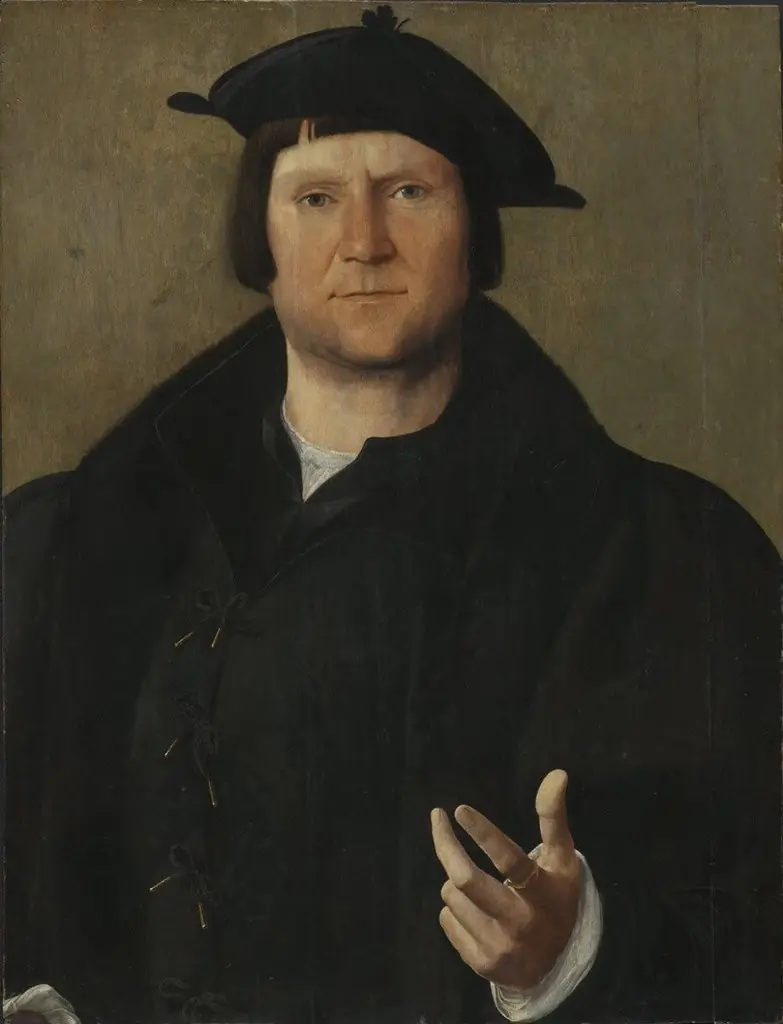
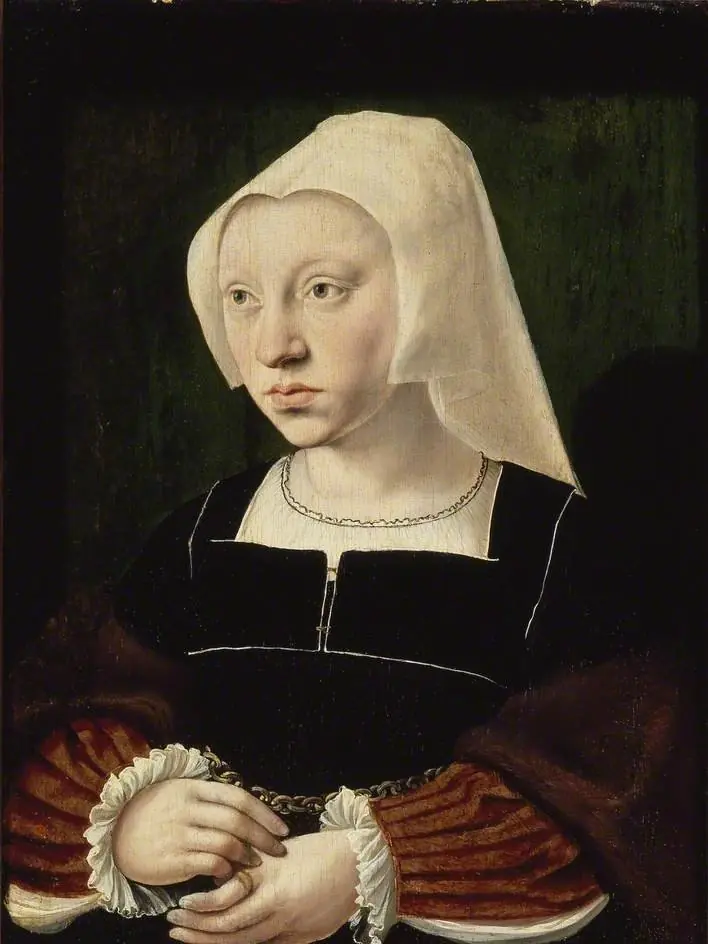
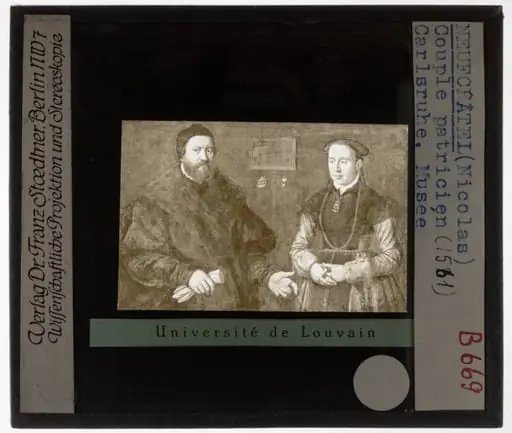 Nicolas Neufchatel. Portret van Balthasar Dörrer en zijn tweede vrouw Magdalena Bayerin
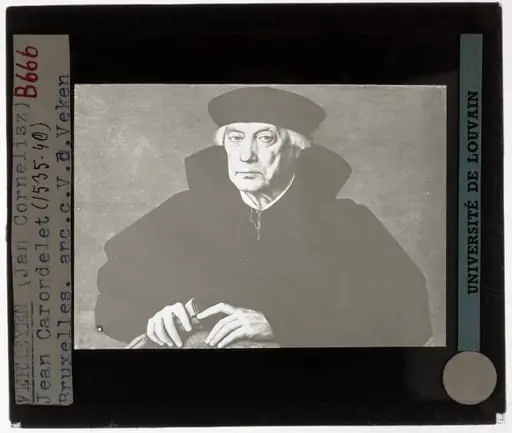 Jan Cornelis Vermeyen. Portrait of Chancellor Jan II Carondelet
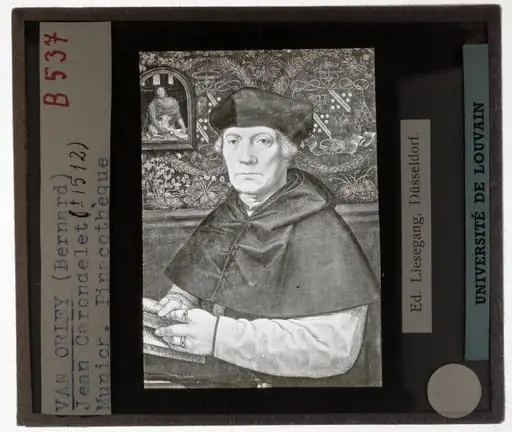 Bernard van Orley. Portret van Jean Carondelet
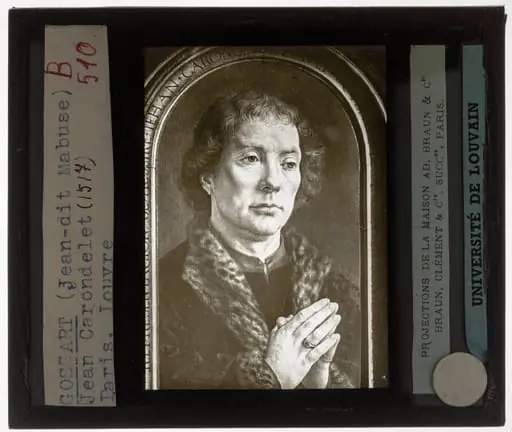 Jan Gossaert. Diptiek van Jean Carondelet Jean Carondelet
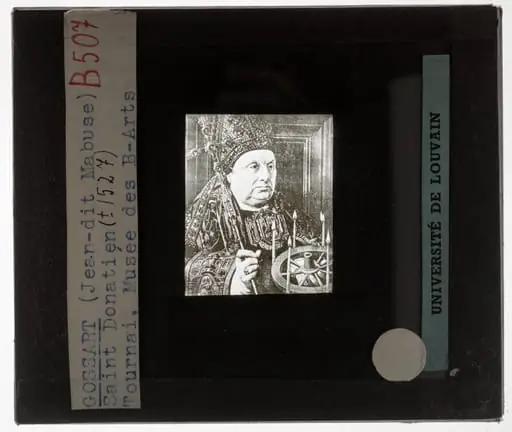 Jan Gossaert. Jan Cornelis Vermeyen. Sint Donatien in de gedaante van Jean Carondelet
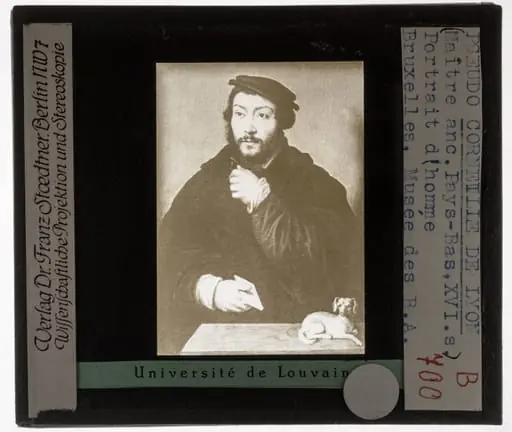 Anonymous. Portrait of a man
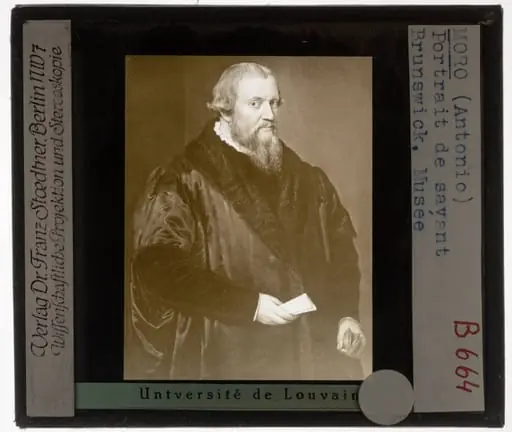 Anthonis Mor van Dashorst. Portret van wetenschapper
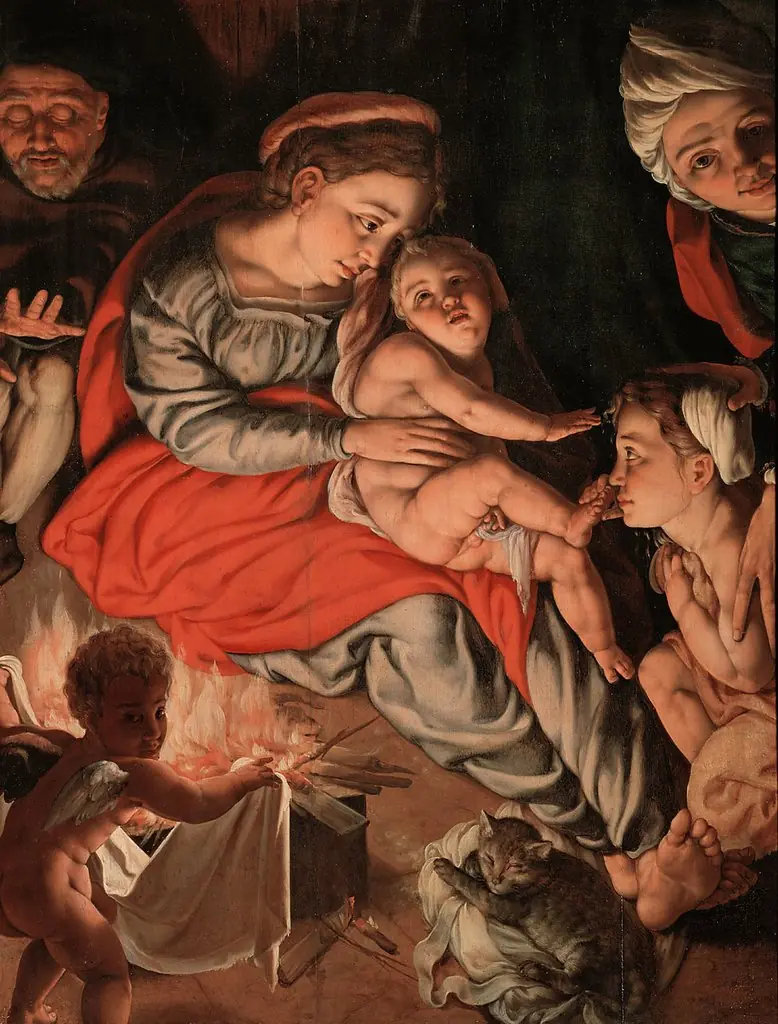
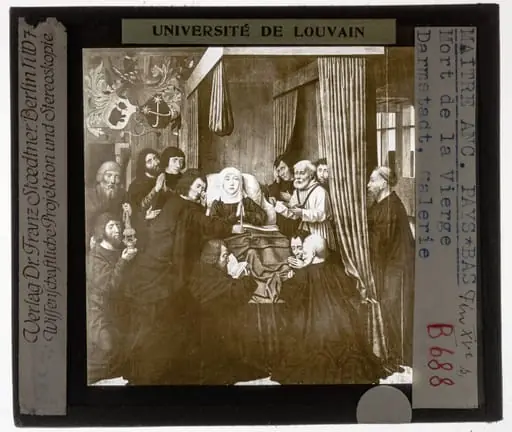 Simon van Haarlem (toegeschreven aan). Dood van Maria
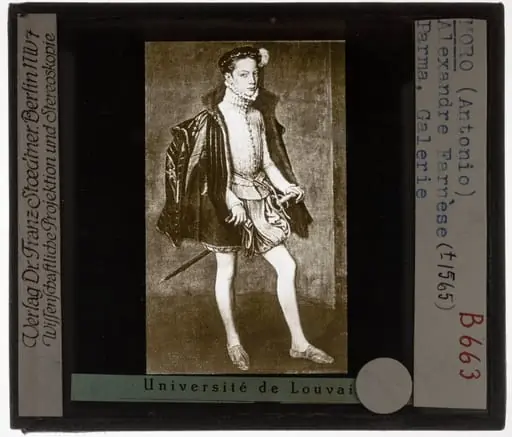 Anthonis Mor van Dashorst. Alessandro Farnese
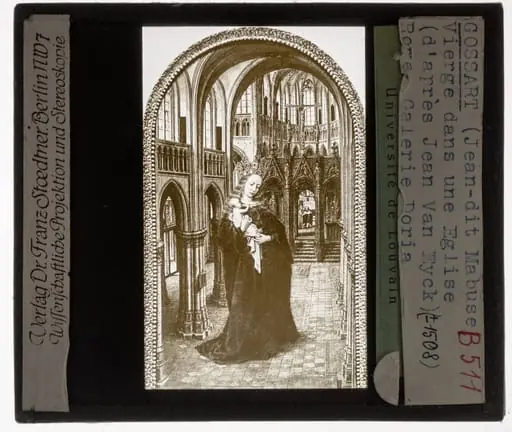 Jan Gossaert (naar Jan van Eyck). De Maagd in de kerk Portret van Antonio Siciliano met zijn patroonheilige