Artwork
Femeie în costum de epocă
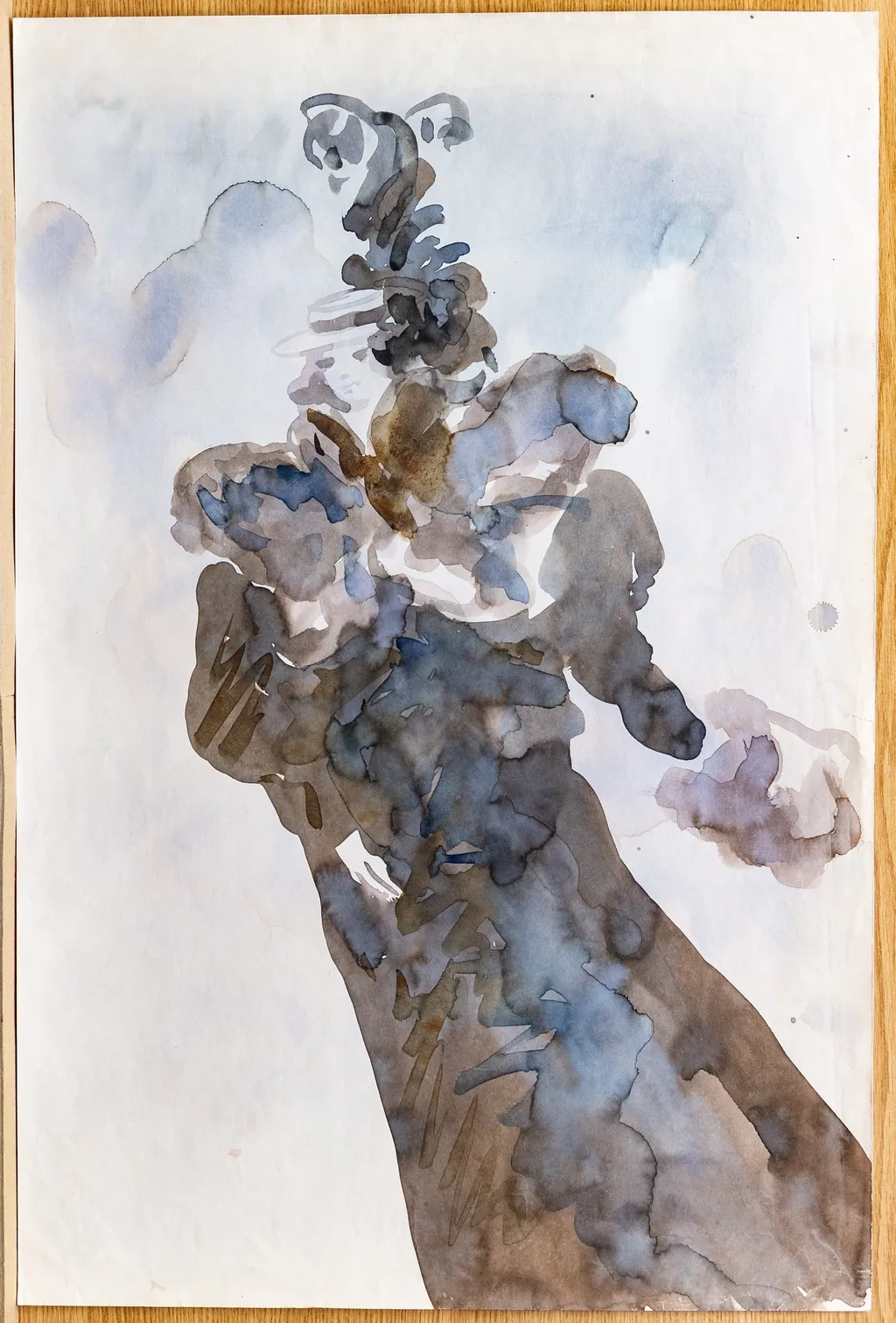
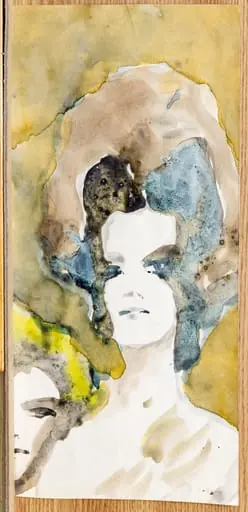
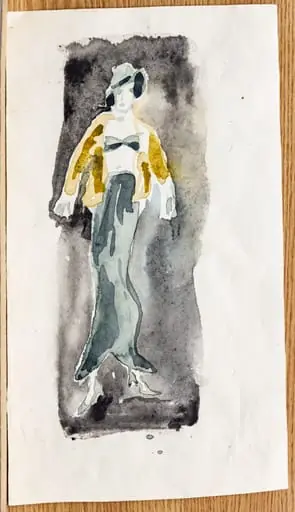
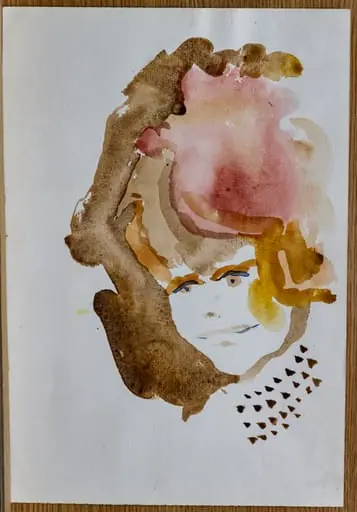
Femeie în costum de epocă is an unspecified painting by Tiberiu Nicorescu. It is held in the collection of the Gavrila Simion Eco-Museum Research Institute Tulcea. This work depicts a solitary female figure dressed in historical attire, rendered with a watercolor sensibility.
About this work
Overview
The palette is subdued, dominated by muted browns and grays, with faint blue undertones in the shadows and a pale, neutral backdrop.
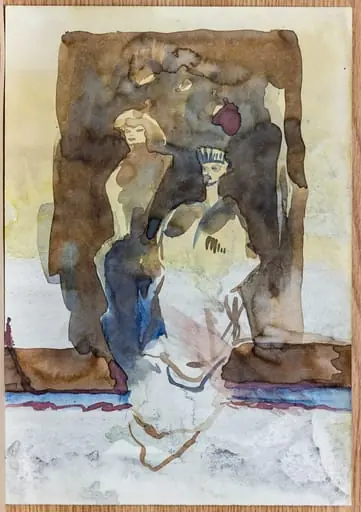
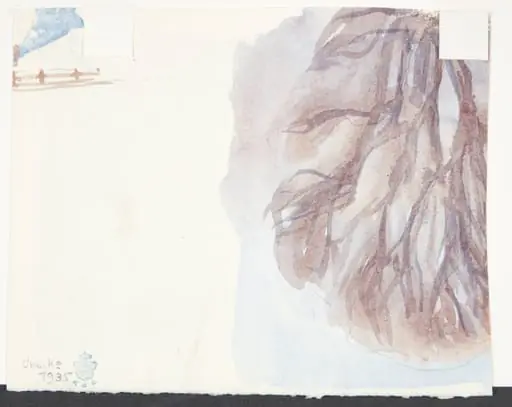
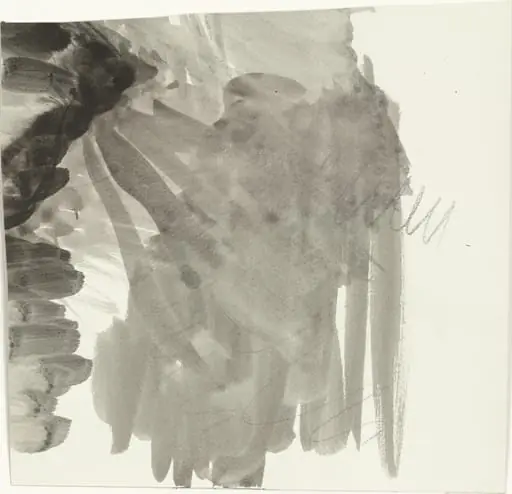
This work depicts a solitary female figure dressed in historical attire, rendered with a watercolor sensibility. The image lacks sharp definition, favoring translucent washes and delicate brushwork that suggest form without completing it. The palette is subdued, dominated by muted browns and grays, with faint blue undertones in the shadows and a pale, neutral backdrop. The overall effect is one of quiet ambiguity, as if the figure emerges from or dissolves into the surface.
Subject & Meaning
The subject is a woman in period clothing, though her identity remains unspecified. Her presence feels introspective and detached, as if caught in a moment of stillness rather than action. The lack of detail and the ethereal rendering invite interpretation beyond literal representation—perhaps evoking memory, absence, or the passage of time. The figure’s anonymity enhances its contemplative tone, resisting narrative closure.
Technique & Style
The artist employed thin, diluted pigments to achieve soft transitions between light and shadow, resembling the sfumato technique. Brushstrokes are loose and fluid, with edges blurred rather than defined, creating a sense of atmospheric diffusion. The surface appears deliberately incomplete, as if the painting were a study or an impression captured in passing. This approach prioritizes mood over precision, emphasizing texture and tone over anatomical clarity.
History & Provenance
The work’s origin and early ownership are undocumented. It appears to be a private study or experimental piece, possibly created during a period when the artist was exploring tonal effects and transient forms. No exhibition history or documented collector lineage is known. Its survival suggests it was retained by the artist or a close associate, valued for its quiet experimentation rather than its finish.
Context
This piece aligns with 19th-century artistic interests in ephemeral effects and informal composition, particularly among painters moving away from academic rigidity. The use of water-based media and unfinished surfaces reflects broader trends in sketch-based practices, where immediacy and emotional resonance outweighed polished finish. It resonates with contemporaneous works that treated the human form as a vessel for atmosphere rather than portraiture.
Legacy
Though not widely exhibited or reproduced, the work contributes to an understudied strand of artistic practice that values suggestion over statement. Its quiet, incomplete aesthetic anticipates later modernist explorations of ambiguity and materiality. It remains a quiet example of how restraint and imperfection can convey presence, influencing later generations who sought to capture fleeting perception rather than fixed identity.
Artist & collection
Artist
Tiberiu Nicorescu made prints and paintings in mid-20th-century Romania. You’ll find his print *Îmbrățișare*—a tender embrace captured in black lines—and the delicate waiting scene in *În așteptare*. His painting…
Museum
Gavrila Simion Eco-Museum Research Institute Tulcea
Continue through works from the same source collection.