Artwork
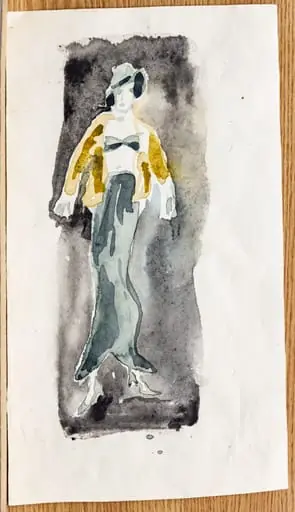
Schiță de portret de fată
Schiță de portret de fată is an unspecified painting by Tiberiu Nicorescu. It is held in the collection of the Gavrila Simion Eco-Museum Research Institute Tulcea.
About this work
Overview
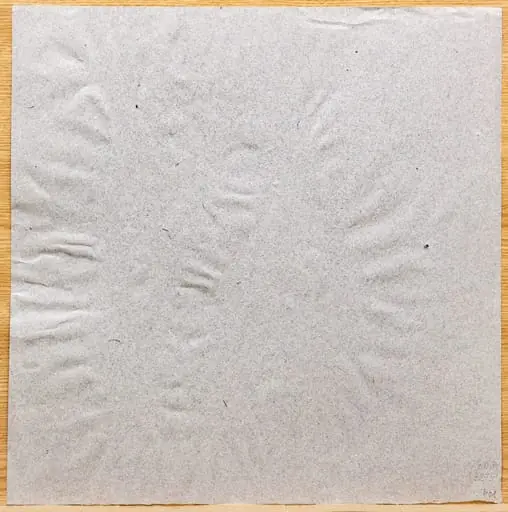
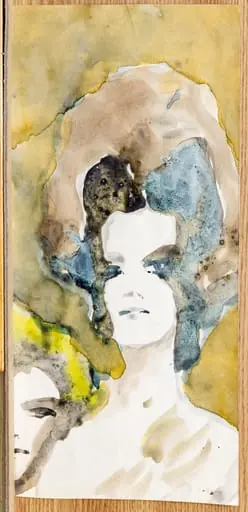
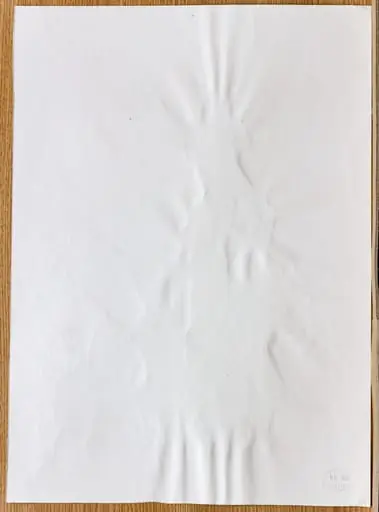
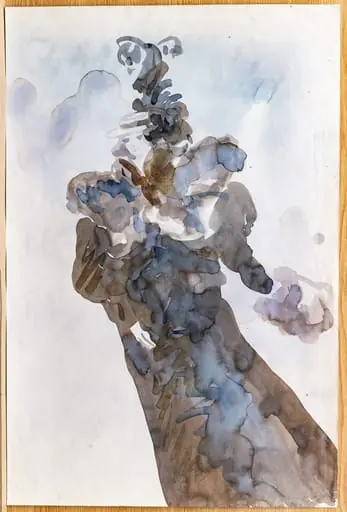
The work titled “Schiță de portret de fată” is an image‑based piece attributed to Romanian artist Tiberiu Nicorescu. It presents a muted, gray‑toned surface where soft, wavy strokes create an almost cloud‑like texture. No distinct figurative elements are discernible; the composition relies on tonal gradations and subtle line work rather than defined outlines.
Subject & Meaning
The title suggests an intention to sketch a female portrait, yet the execution remains highly abstract. The absence of clear facial features invites viewers to contemplate the notion of portraiture itself, perhaps emphasizing mood or atmosphere over literal representation.
Technique & Style
Nicorescu employs a limited palette of light and dark grays, applying thin washes that blend seamlessly. The faint, undulating lines generate a sense of movement within the otherwise still surface. This approach aligns with early 20th‑century explorations of tonal harmony and the reduction of form to its essential visual elements.
History & Provenance
Specific details regarding the creation date, exhibition history, or ownership of the sketch are not documented in available sources. The piece is catalogued under Nicorescu’s oeuvre, indicating it forms part of his broader experimental practice.
Context
During the period when Nicorescu was active, many Romanian artists were engaging with modernist tendencies, experimenting with abstraction and the expressive potential of line and tone. This sketch reflects those currents, positioning itself within a dialogue between traditional portraiture and avant‑garde simplification.
Artist & collection
Artist
Tiberiu Nicorescu made prints and paintings in mid-20th-century Romania. You’ll find his print *Îmbrățișare*—a tender embrace captured in black lines—and the delicate waiting scene in *În așteptare*. His painting…
Museum
Gavrila Simion Eco-Museum Research Institute Tulcea
Continue through works from the same source collection.