Artwork
Anubis Weighing the Heart, Tomb of Nakhtamun
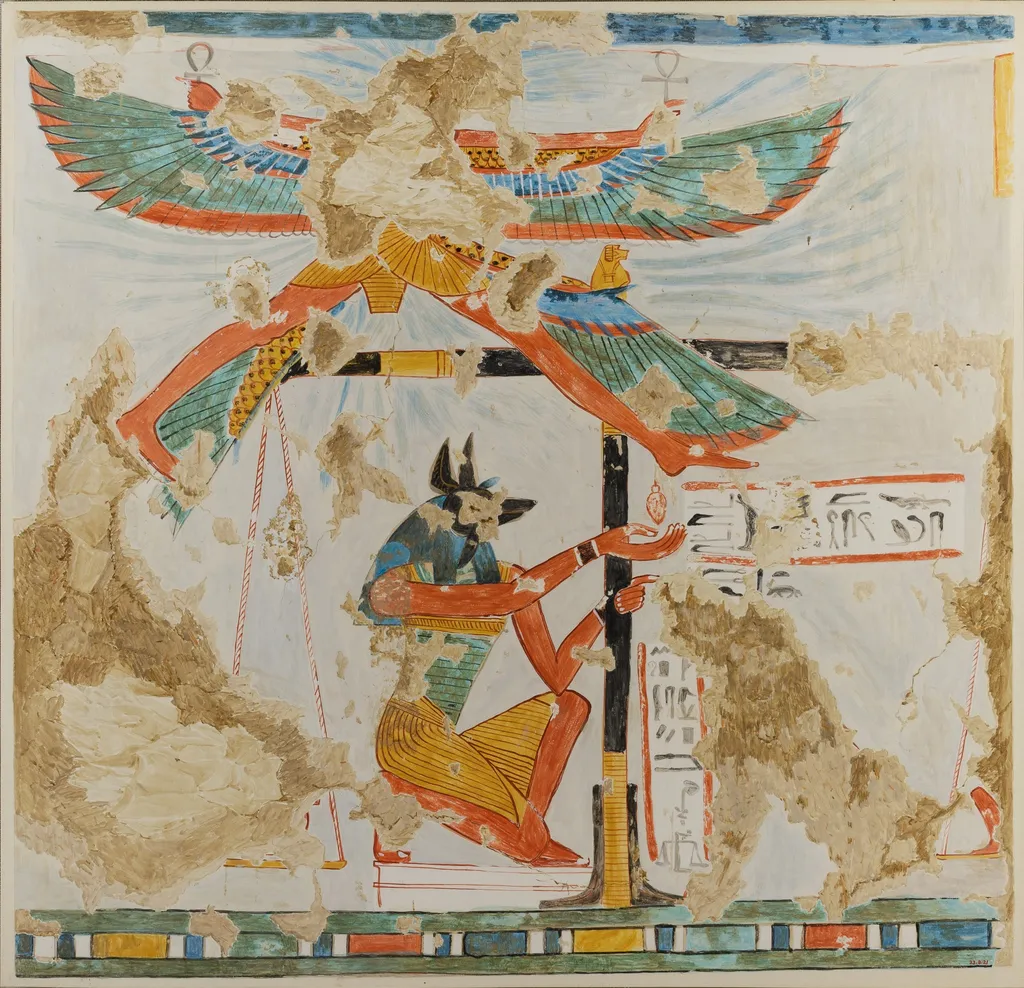
Anubis Weighing the Heart, Tomb of Nakhtamun is an unspecified painting by Nina M. Davies. It dates from 1290 and is held in the collection of the Metropolitan Museum of Art.
About this work
Overview
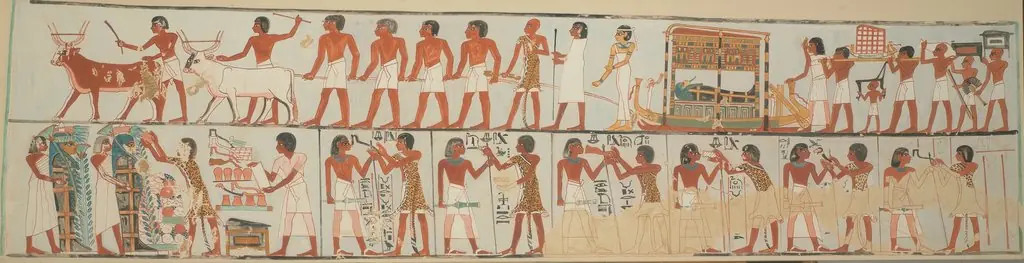
The painted panel from the tomb of Nakhtamun, dating to around 1290 BCE, depicts the Egyptian deity Anubis engaged in the weighing of a heart. The scene forms part of the tomb’s decorative program and is now in the collection of the Metropolitan Museum of Art.
Subject & Meaning
In the composition, Anubis, shown kneeling with a balance, measures a human heart against a feather of Ma’at, the emblem of truth and justice. This ritual represents the ancient Egyptian judgment of the deceased, determining whether the soul may proceed to the afterlife.
Technique & Style
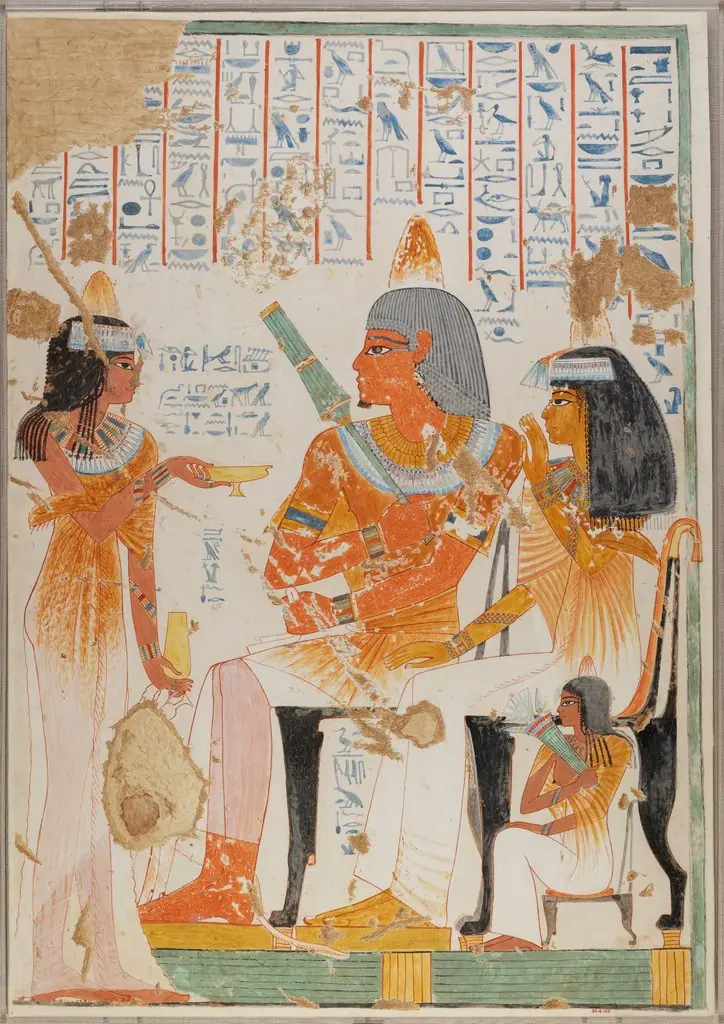
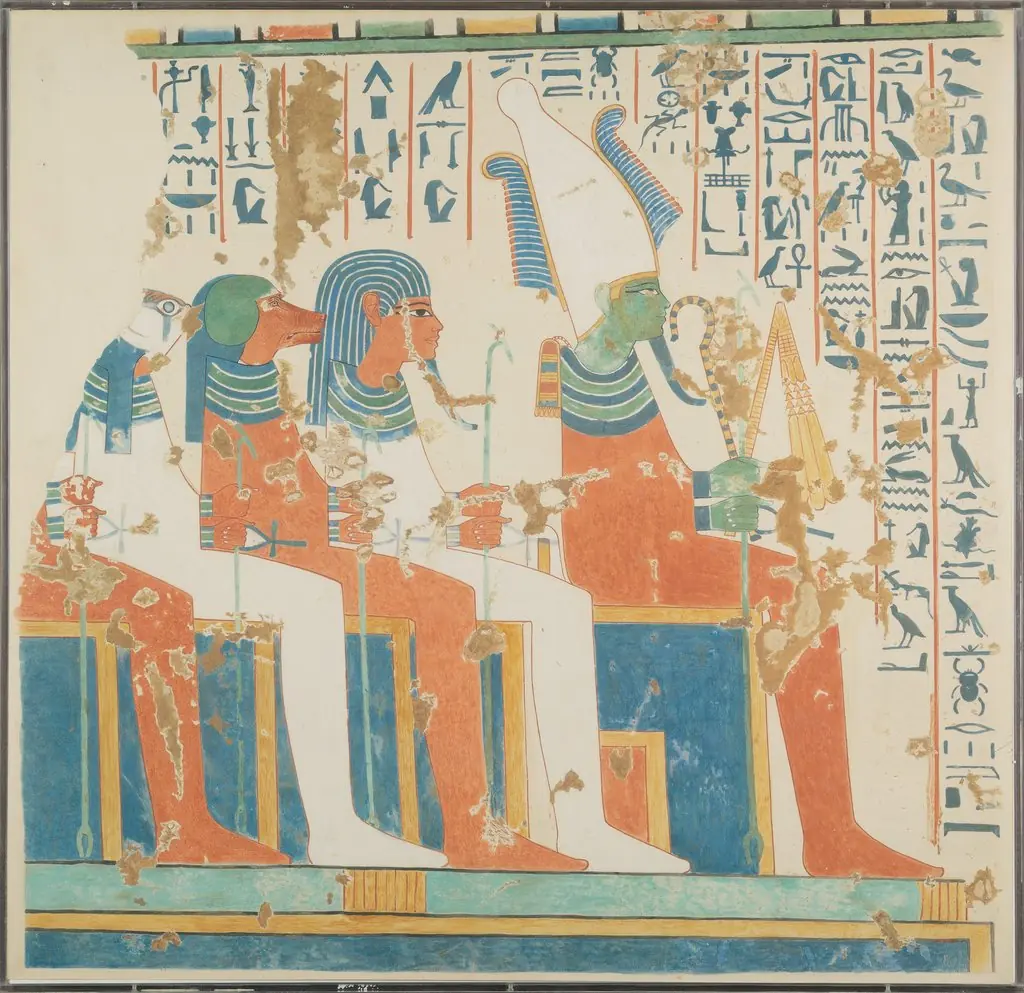
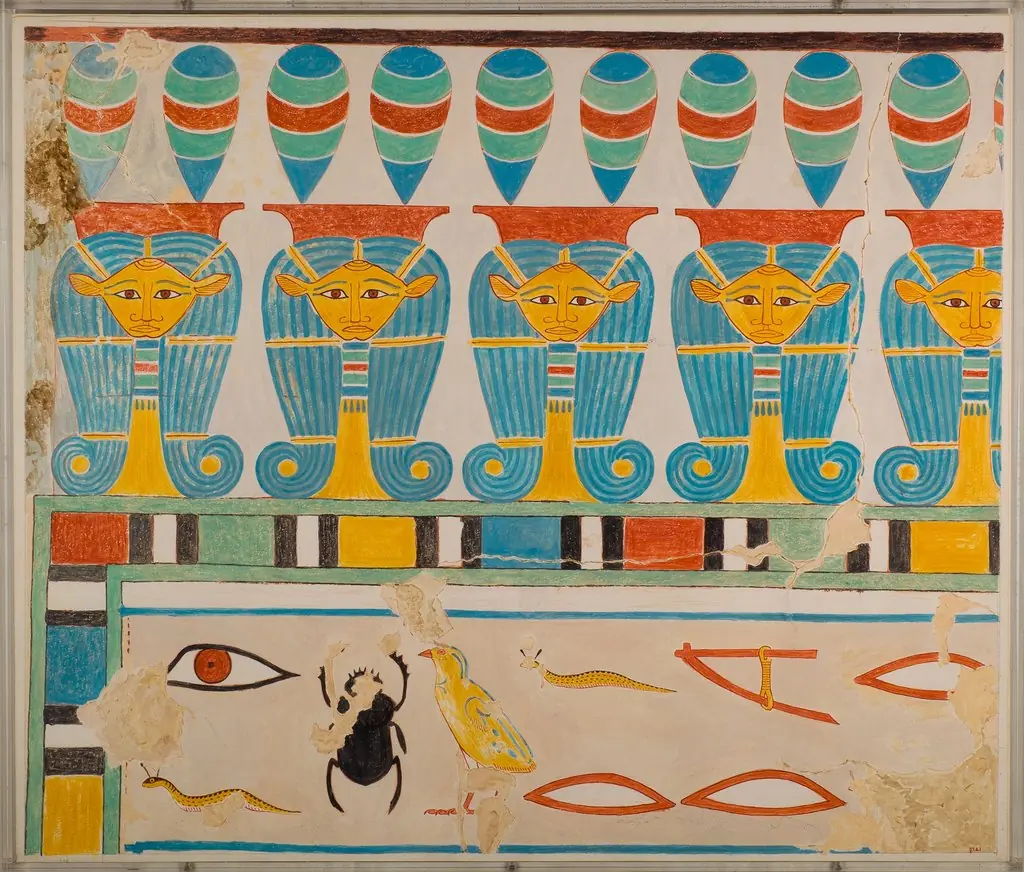
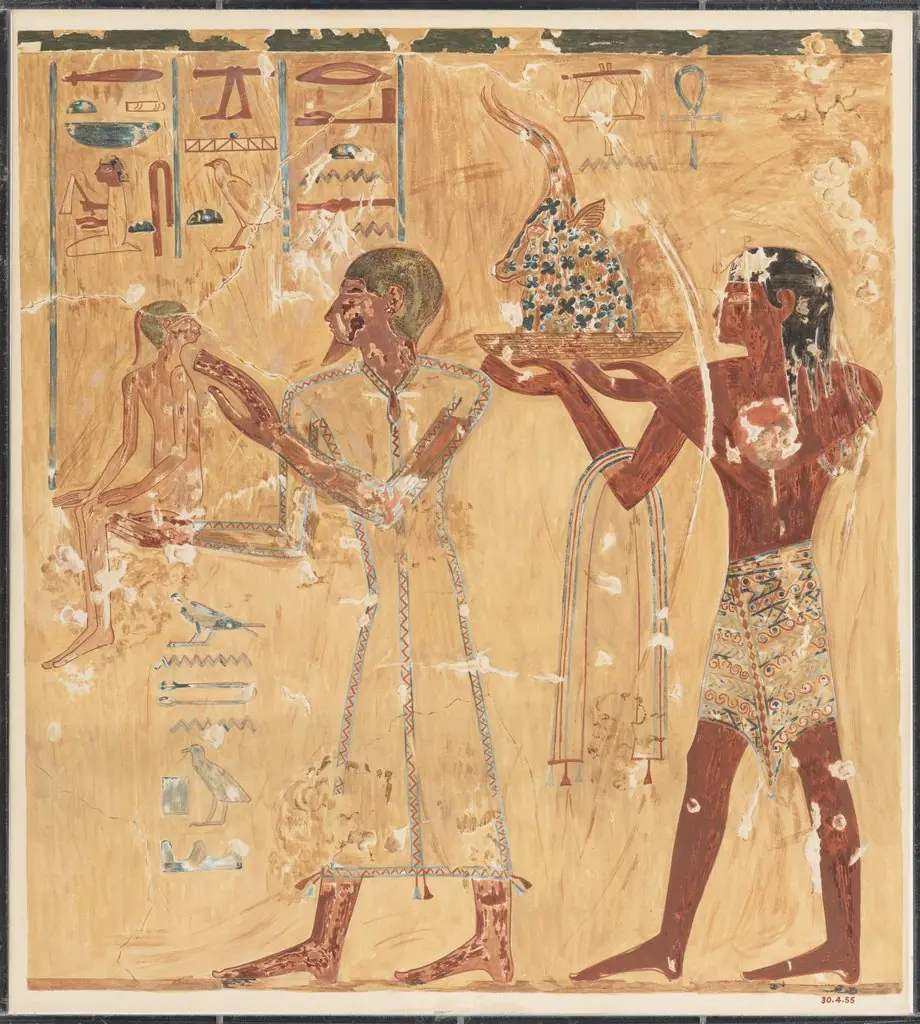
The image is rendered in vivid pigments, with Anubis painted in red and black tones and a headdress of blue and yellow. Hieroglyphic inscriptions frame the scene, and the background is a plain white, though portions of the paint have suffered loss and wear over time.
History & Provenance
The panel was recorded in the early twentieth century by Egyptologist and illustrator Nina M. Davies, who, together with her husband Norman de Garis Davies, produced detailed copies of tomb paintings. Their documentation helped preserve the visual record before further deterioration.
Context
The weighing of the heart is a central motif in Egyptian funerary art, appearing in many tombs to illustrate the moral evaluation that awaited the dead. Its inclusion in Nakhtamun’s tomb underscores the owner’s concern with ethical conduct and the hope for a favorable judgment.
Artist & collection
Artist
The Egyptologists Nina M. Davies (6 January 1881 – 21 April 1965) and Norman de Garis Davies (1865–5 November 1941) were a married couple of illustrators and copyists who worked in the early and mid-twentieth century…

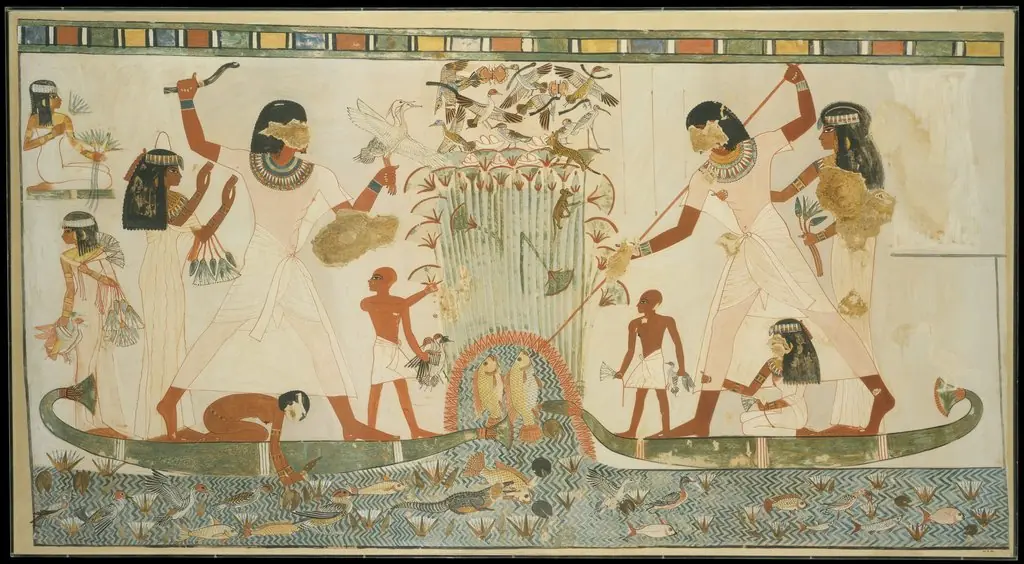 Menna and Family Hunting in the Marshes, Tomb of Menna
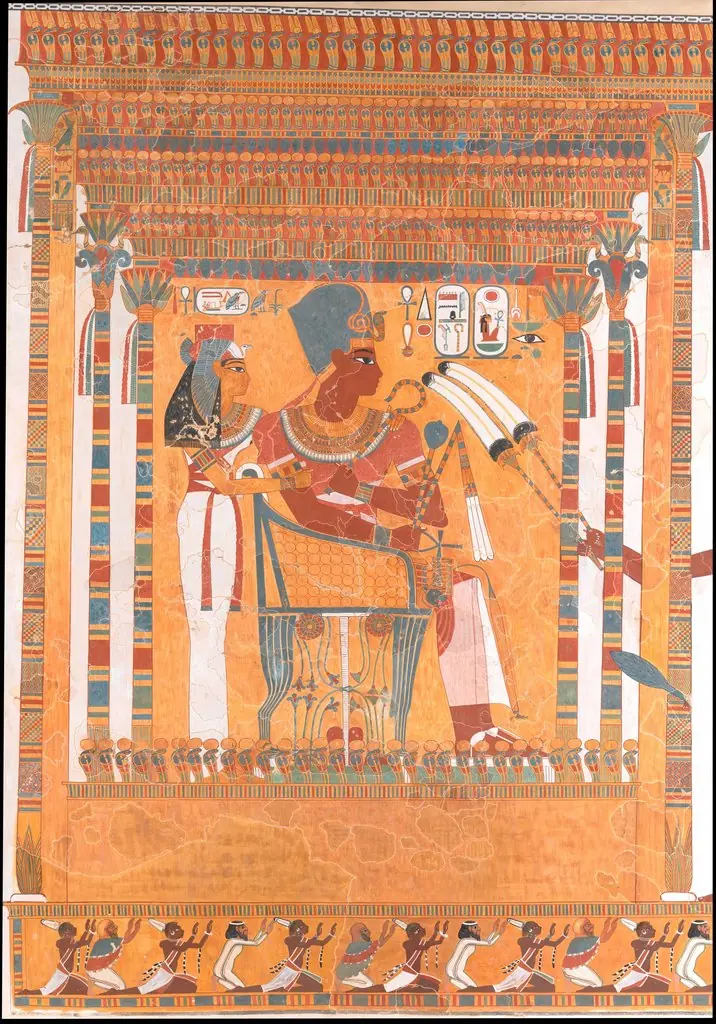 Amenhotep III and his Mother, Mutemwia, in a Kiosk
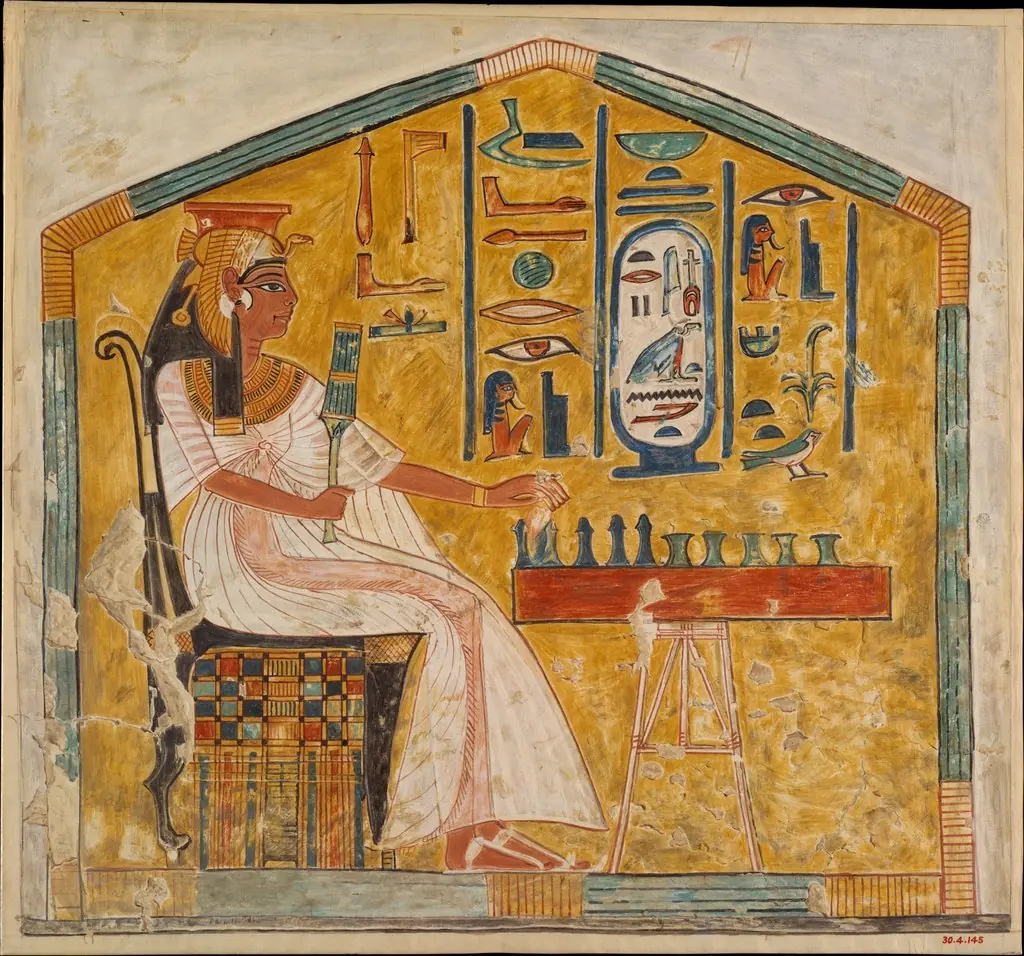 Queen Nefertari Playing Senet
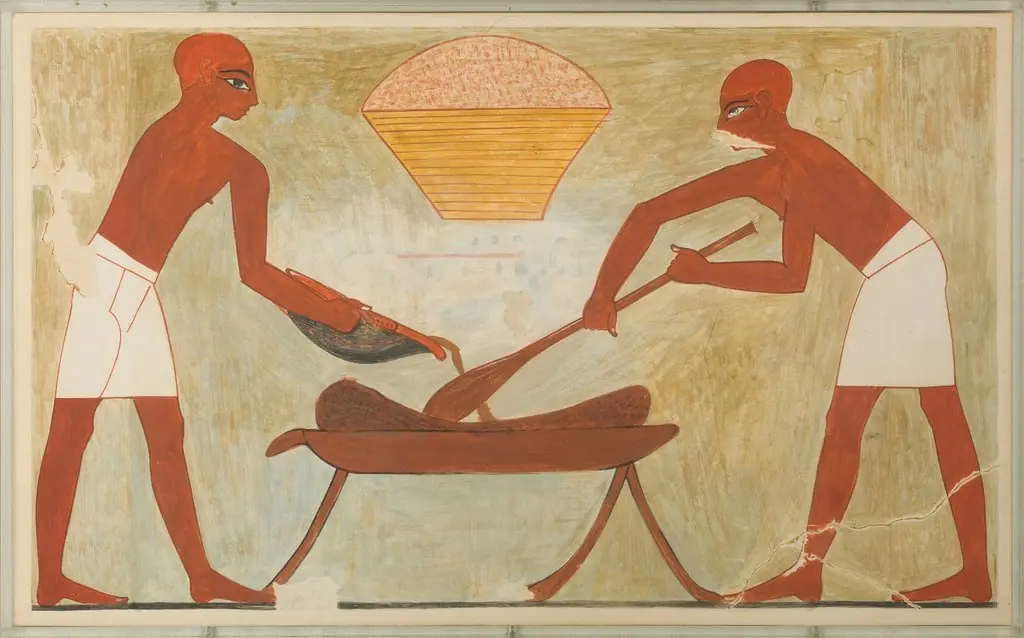 Preparing Dough, Tomb of Rekhmire
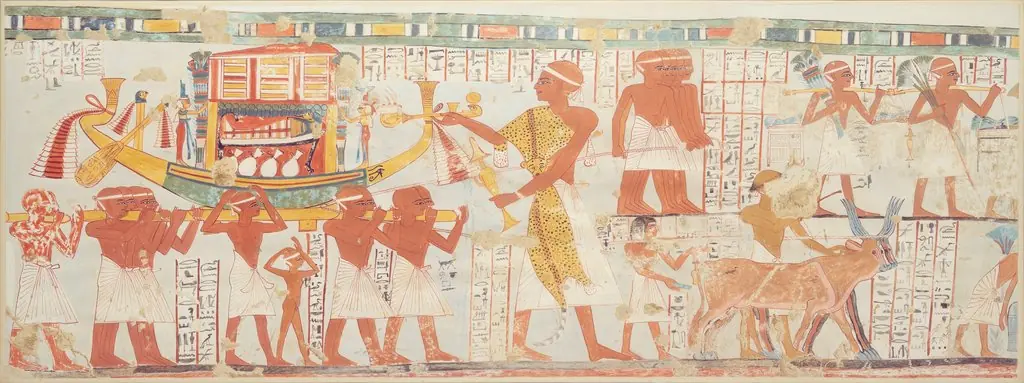 Nakhtamun's Funeral Procession, Tomb of Nakhtamun
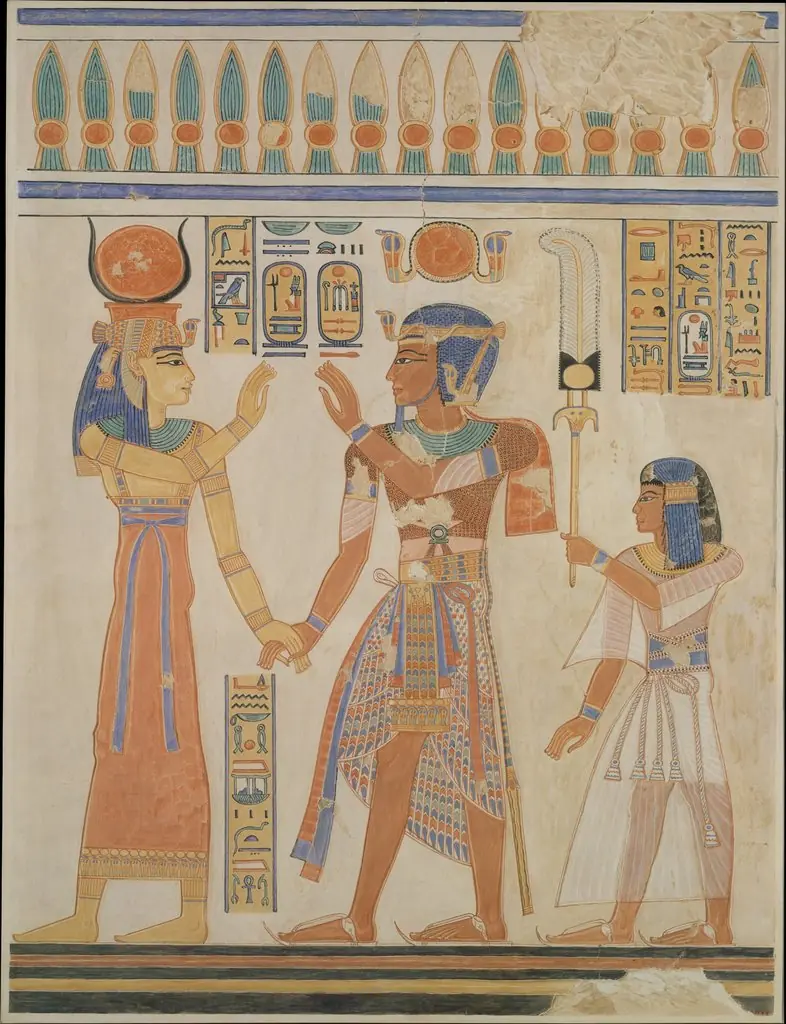 Ramesses III and Prince Amenherkhepeshef before Hathor
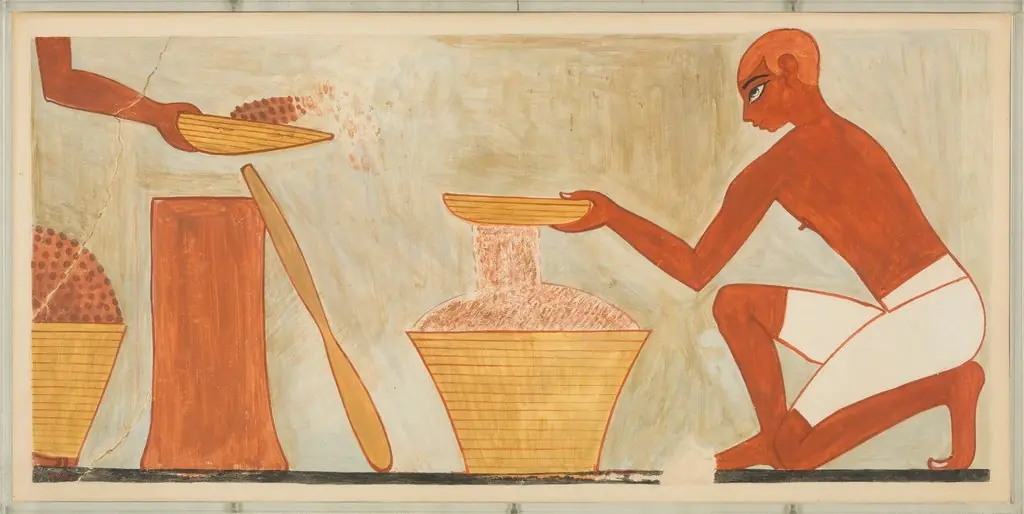 Sifting Meal, Tomb of Rekhmire
 Funeral Procession, Tomb of Pairy