Artwork
Genre Scene
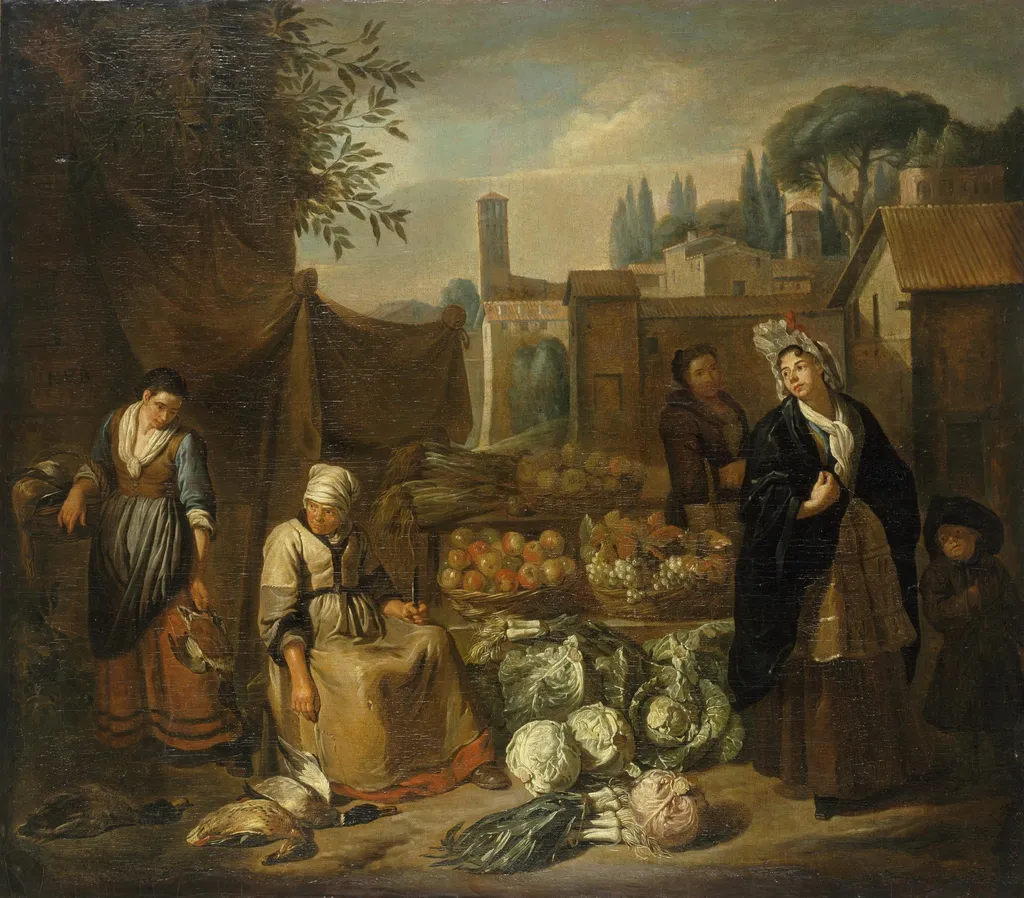
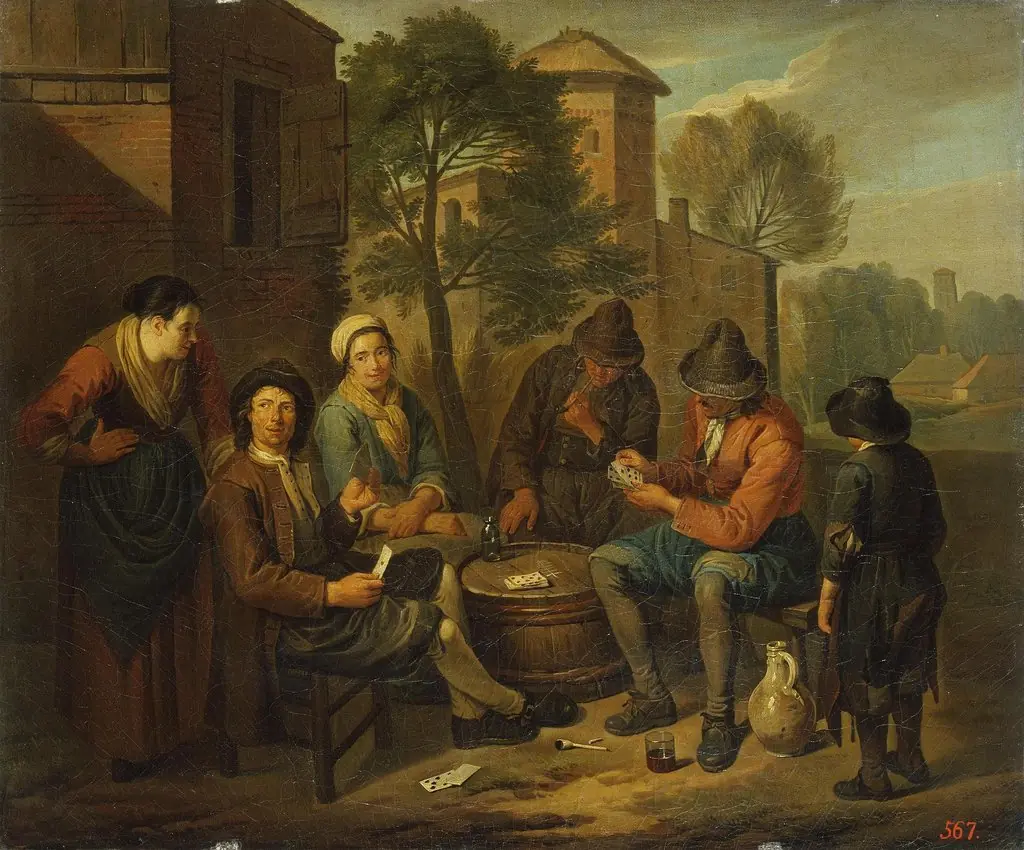
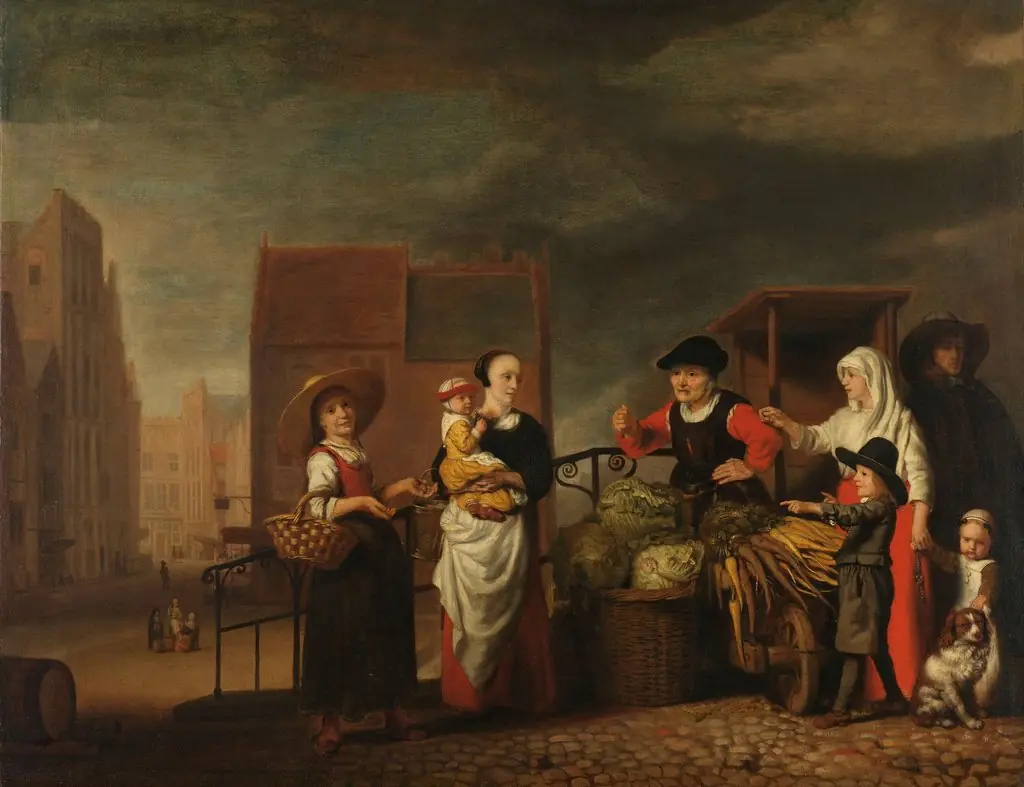
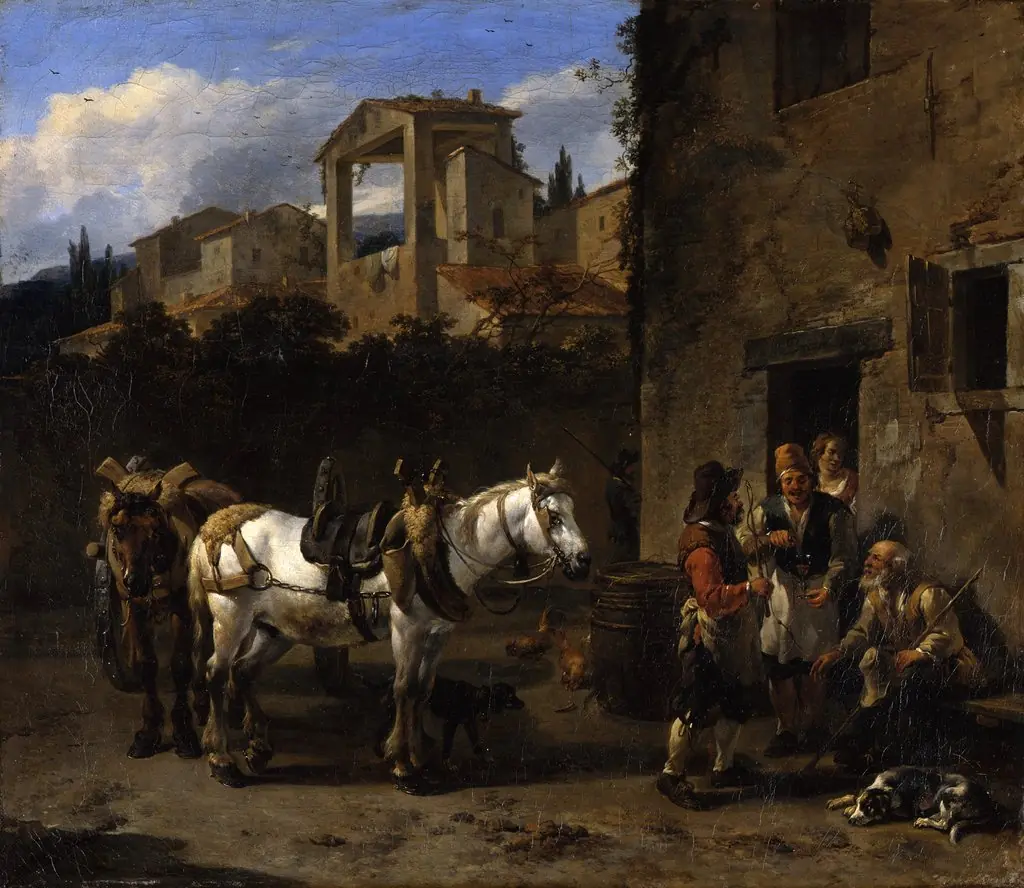
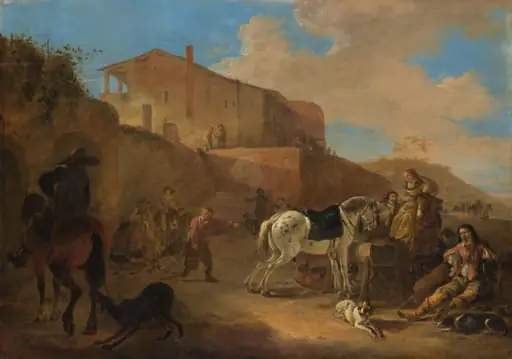
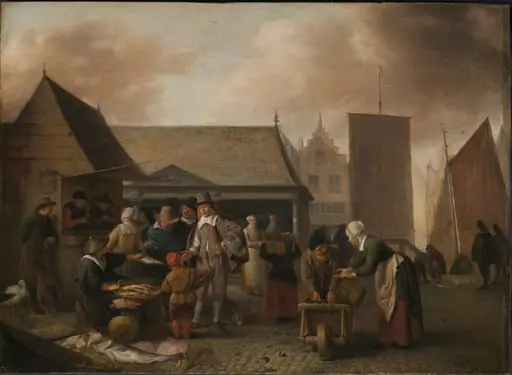
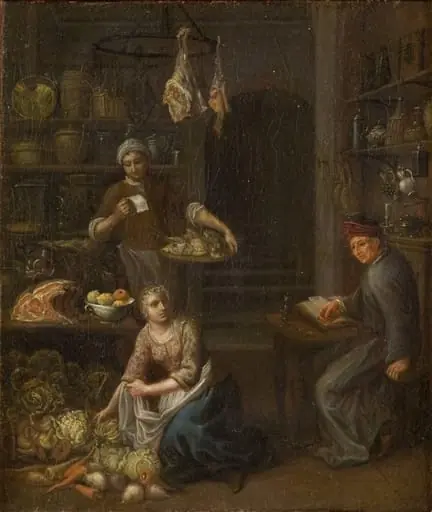
Genre Scene is an oil painting by the Rococo painting artist Norbert van Bloemen. It dates from 1700 and is held in the collection of the Hermitage Museum.
About this work
Overview
Genre Scene is an oil painting completed around 1700 by the Flemish artist Norbert van Bloemen. It depicts a quiet moment of everyday life, characteristic of Northern European genre painting of the period. The work is part of the collection at the State Hermitage Museum in Saint Petersburg, where it has been held since at least the early 19th century.
Subject & Meaning
Rather than dramatizing the scene, van Bloemen captures subtle interactions—gestures, glances, or routines—that suggest quiet narrative without overt symbolism.
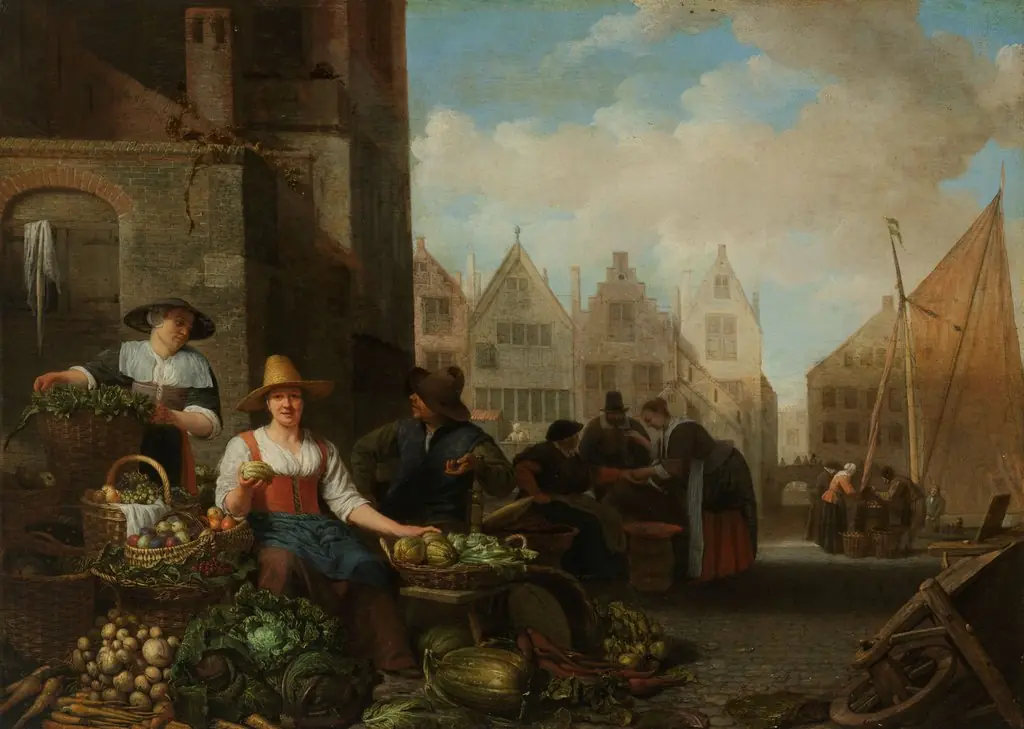
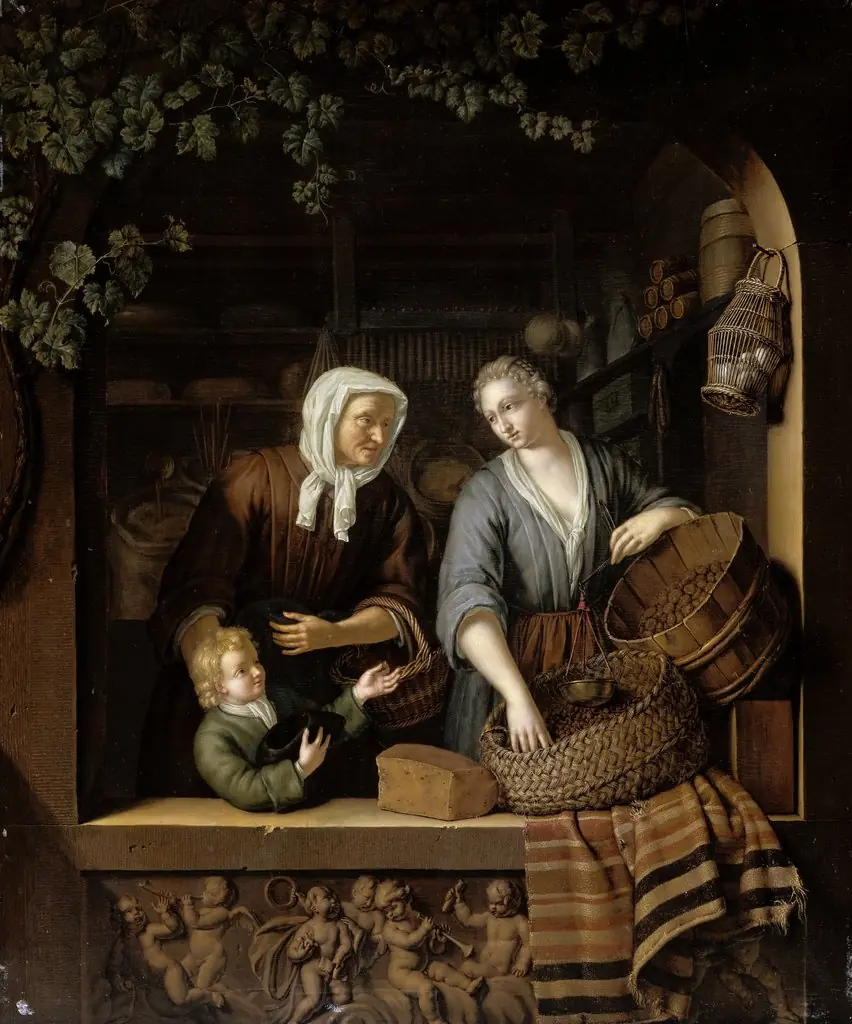
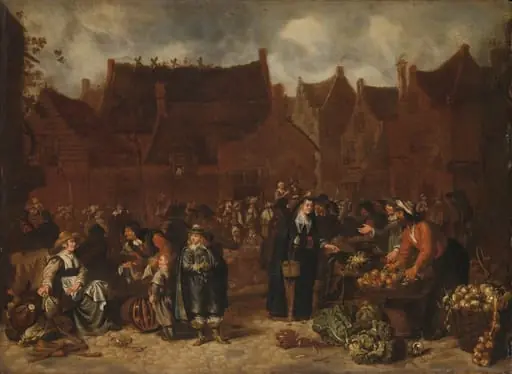
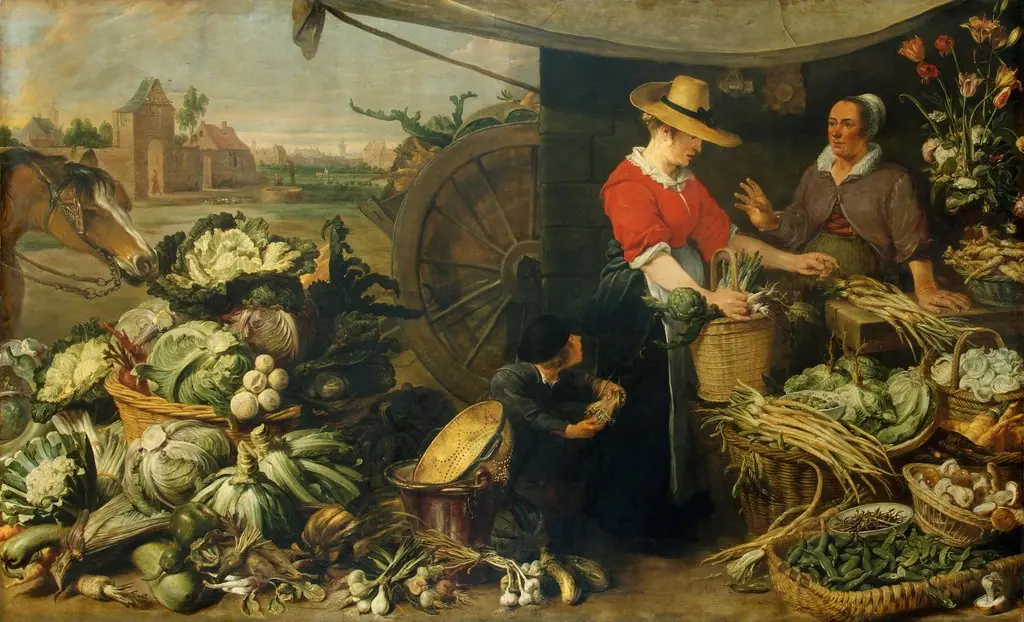
The painting portrays ordinary individuals engaged in domestic or social activities, likely in a rural or modest urban setting. Rather than dramatizing the scene, van Bloemen captures subtle interactions—gestures, glances, or routines—that suggest quiet narrative without overt symbolism. The focus on mundane behavior reflects a broader 17th- to early 18th-century interest in the dignity of daily life.
Technique & Style
Van Bloemen employs a restrained palette and soft modeling to render figures and interiors with quiet realism. Brushwork is precise but unobtrusive, emphasizing texture in clothing and surfaces without theatrical lighting. The composition is balanced and intimate, avoiding grandeur in favor of understated spatial depth and naturalistic detail.
History & Provenance
The painting entered the Hermitage collection during the reign of Catherine the Great, likely acquired through European art dealers active in the late 18th century. Its attribution to van Bloemen has been consistently supported by stylistic analysis and archival records, though its exact provenance prior to Russian acquisition remains undocumented.
Context
Norbert van Bloemen worked within a tradition of Flemish genre painting influenced by artists like Adriaen van Ostade and Jan Steen. His work, though less widely known, aligns with the broader European trend of depicting ordinary life with observational clarity. This painting reflects the continued appeal of such scenes among collectors in Northern Europe and Russia during the early Enlightenment.
Legacy
The painting contributes to the Hermitage’s representation of Northern European genre art from the late Baroque period. While not widely exhibited, it remains a reference point for scholars studying the transmission of Flemish artistic conventions into Russian imperial collections. Its quiet composition offers insight into how everyday life was visually valued beyond religious or mythological themes.
Own this work as a print
Artist & collection