Artwork
Portrait of a man with side-whiskers
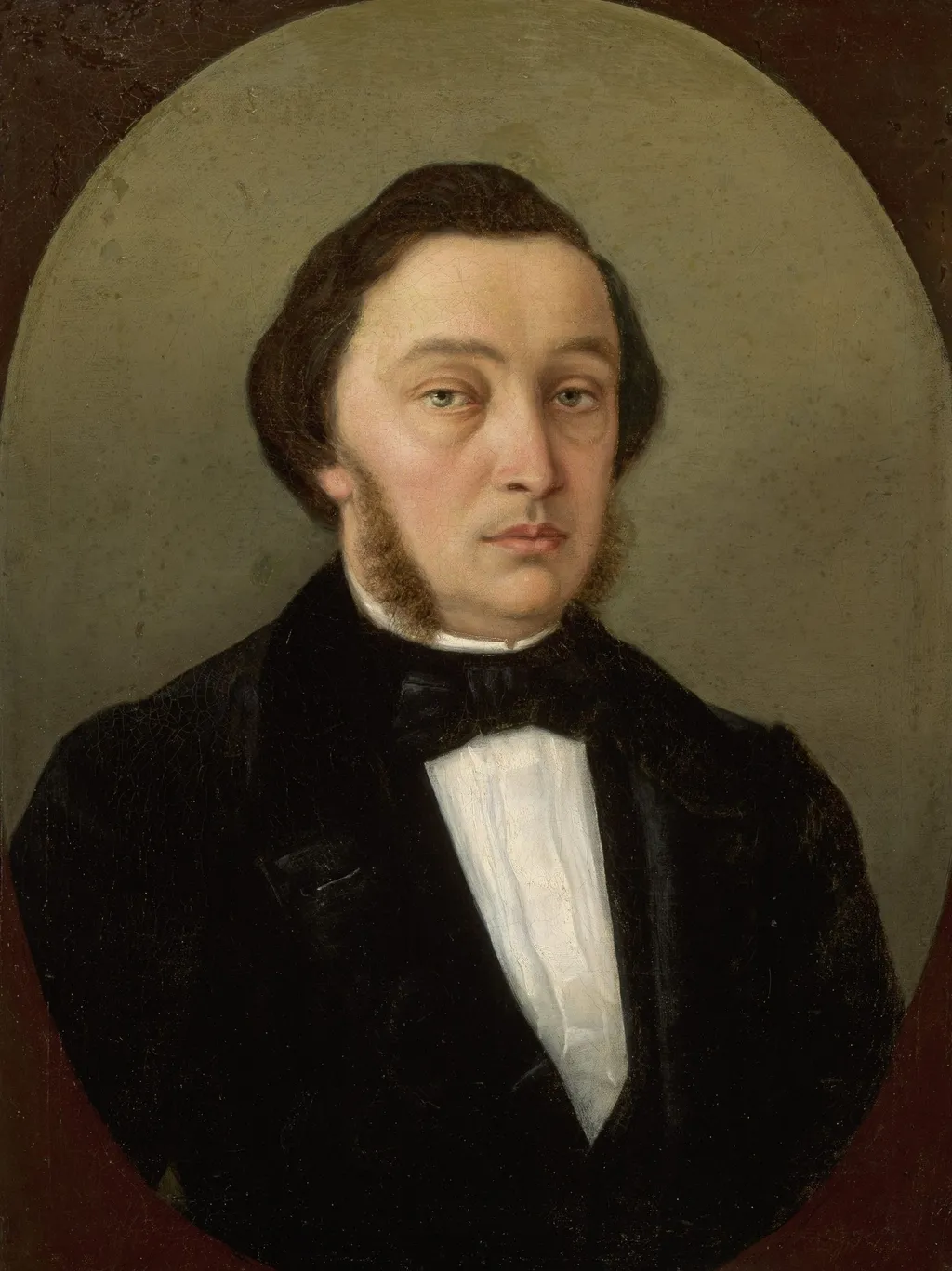
Portrait of a man with side-whiskers is an oil painting by Henryk Siemiradzki. It dates from 1882 and is held in the collection of the National Museum in Warsaw. Created circa 1882, this oil portrait depicts a formally attired gentleman with neatly trimmed side‑whiskers.
About this work
Overview
Created circa 1882, this oil portrait depicts a formally attired gentleman with neatly trimmed side‑whiskers. He faces the viewer directly, his expression composed and neutral, set against a subdued brown backdrop. The work belongs to the portrait genre and is part of the National Museum in Warsaw’s collection.
Subject & Meaning
The sitter is presented in a black jacket over a white high‑collared shirt and a black bow tie, emphasizing a dignified, perhaps professional, bearing. The restrained palette and direct gaze convey a sense of seriousness and social standing, typical of late‑19th‑century portraiture intended to record the individual’s identity and status.
Technique & Style
Executed in oil on canvas, the painting shows a smooth, academic finish characteristic of Henryk Siemiradzki’s training. Fine brushwork renders the textures of fabric and facial hair with clarity, while the muted brown background recedes, allowing the figure’s dark clothing and facial features to dominate the composition.
History & Provenance
Polish artist Henryk Siemiradzki, who spent much of his career in Rome, produced this work during a period when he also accepted private commissions for portraits. After its creation, the painting entered the holdings of the National Museum in Warsaw, where it remains on display as part of the museum’s representation of 19th‑century Polish art.
Artist & collection
Artist
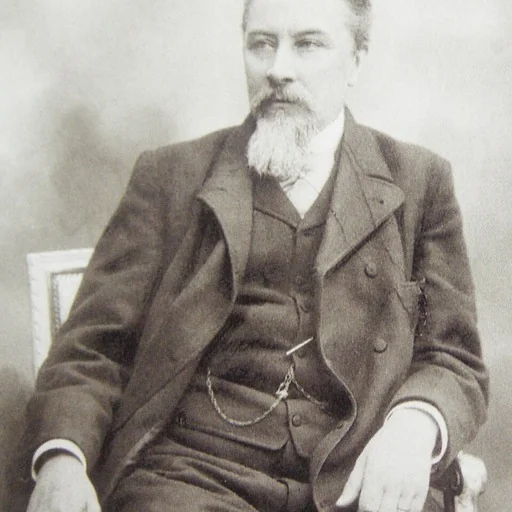
Henryk Hektor Siemiradzki (24 October 1843 – 23 August 1902) was a Polish painter.

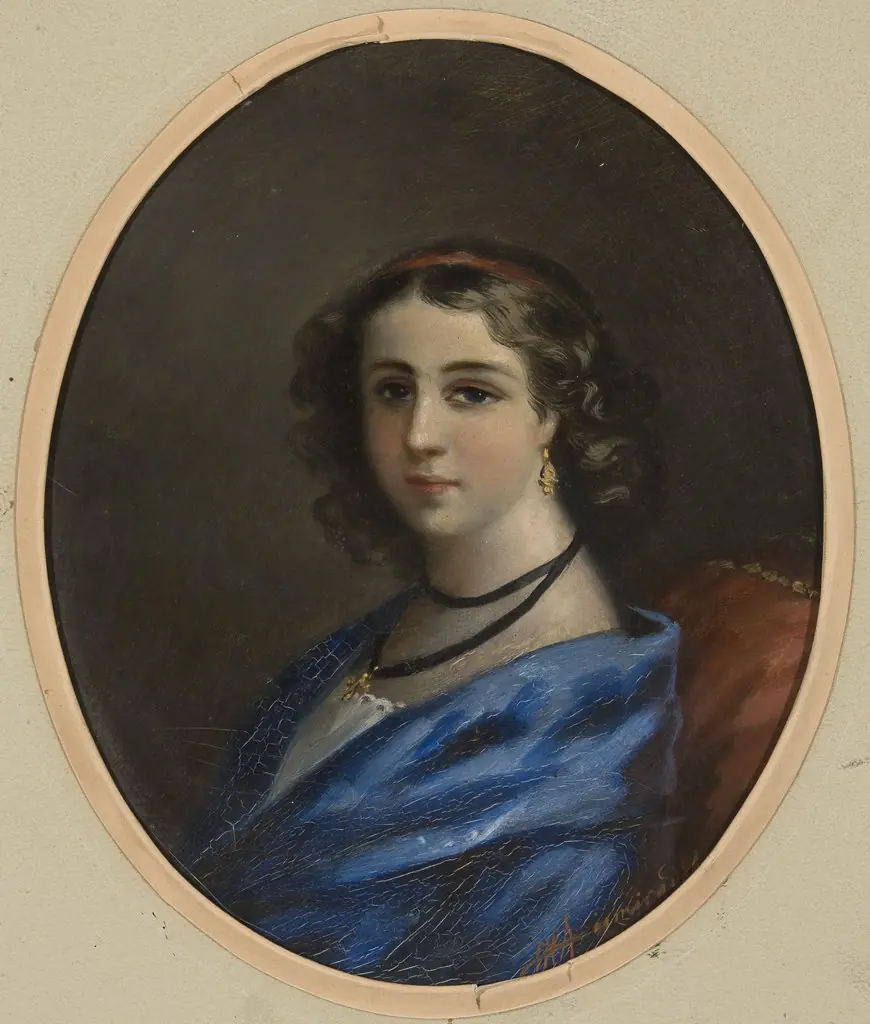 Portrait of a woman
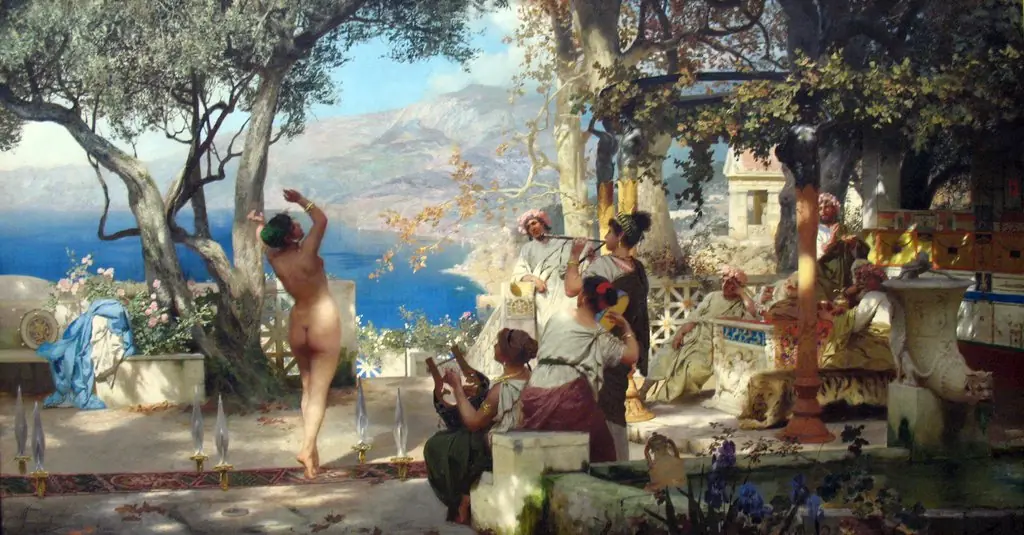 Dance amongst swords
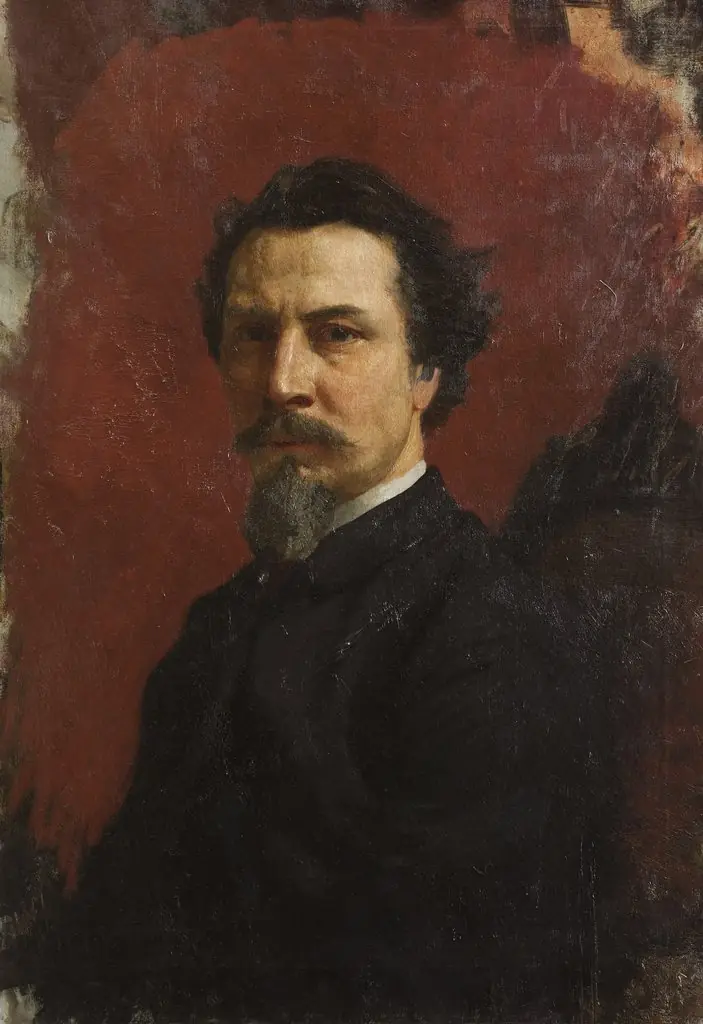 Self-Portrait
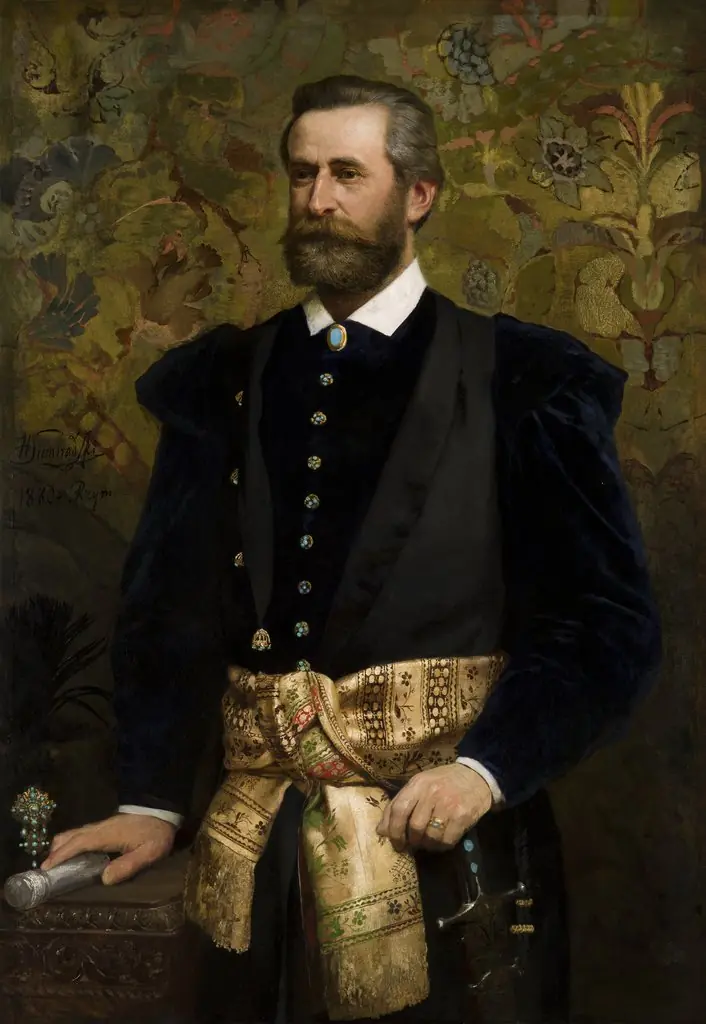 Portrait of Ludwik Wodzicki (1834–1894), Marhal of the Galician Seym
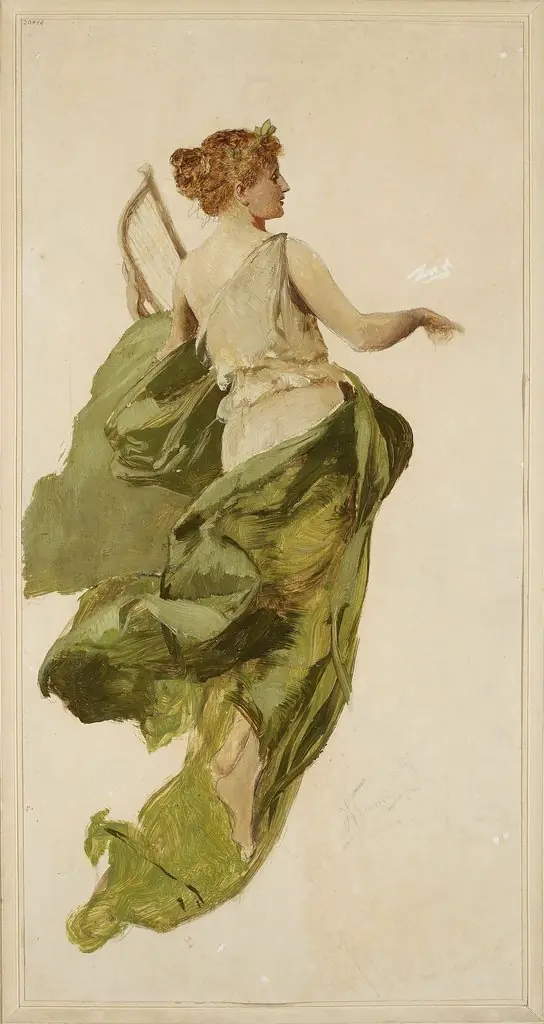 Allegory of Music, sketch for the project of the stage curtain of the Słowacki Theatre in Kraków
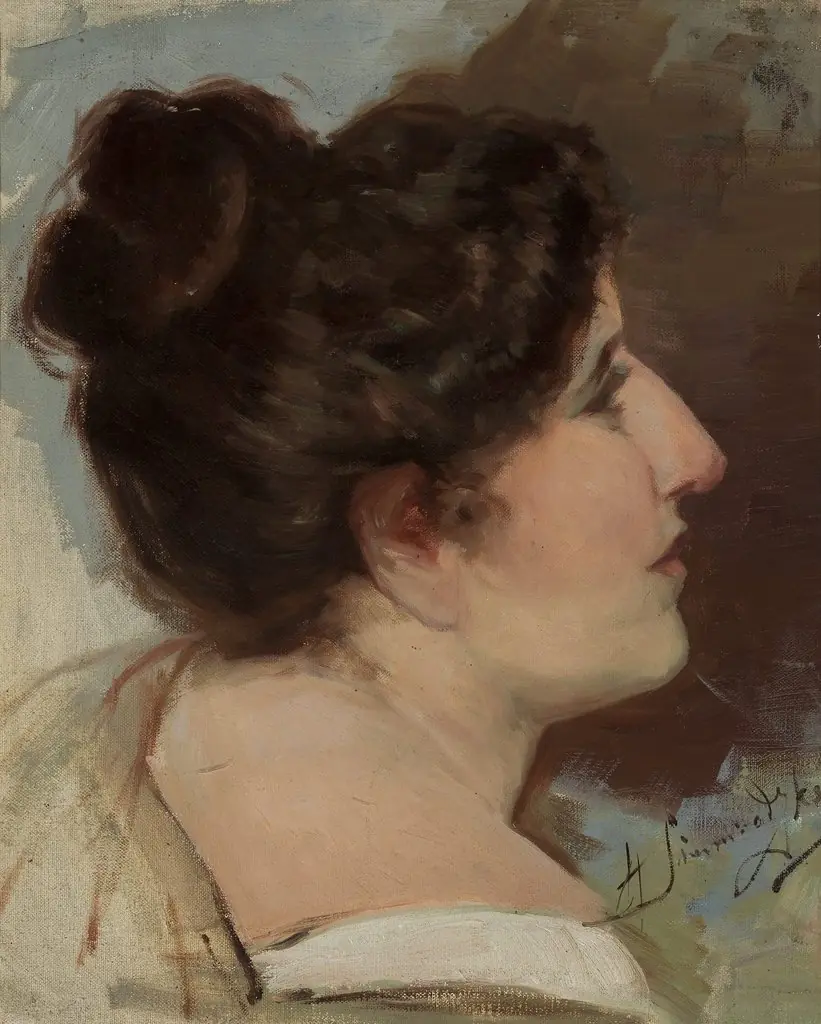 Study of a head
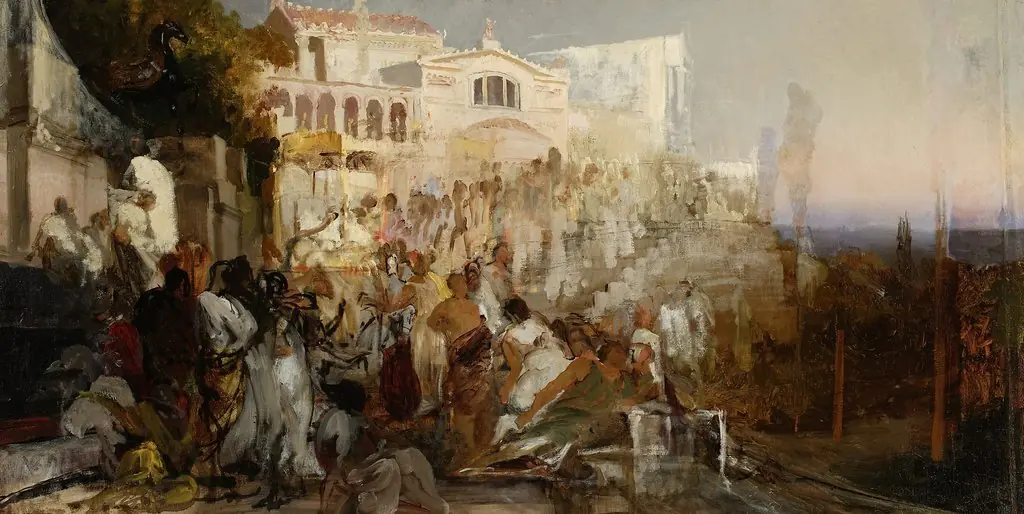 Candlesticks of Christianity, sketch
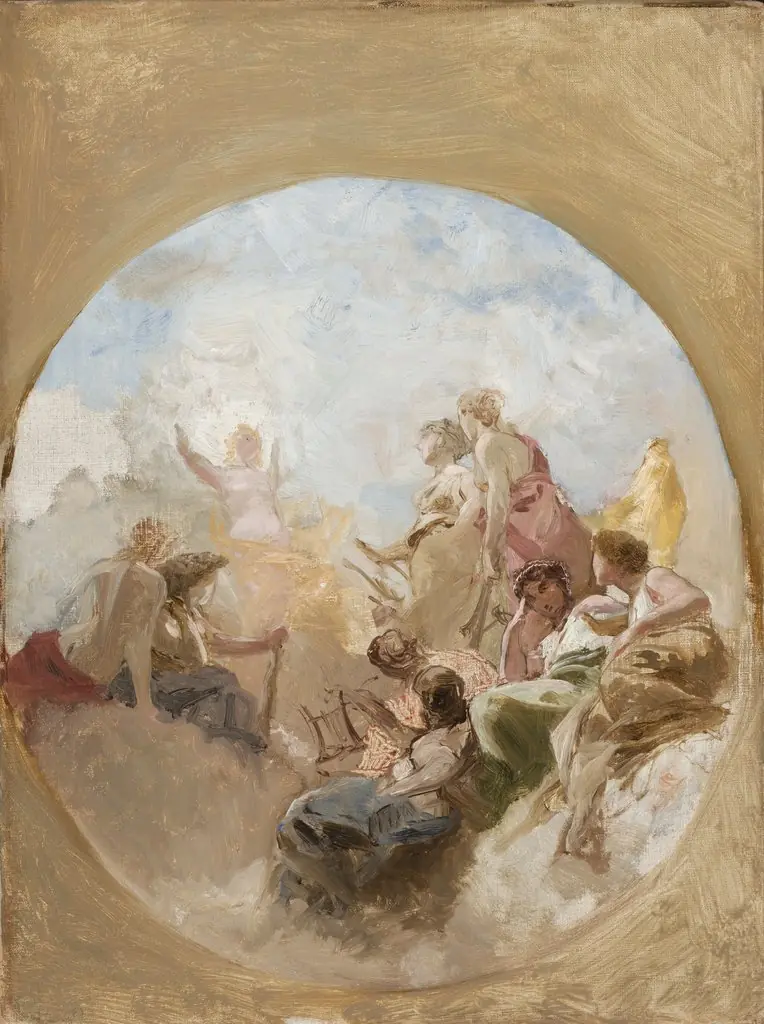 "Aurora" ("Goddess of the Dawn") – Sketch to a Plafon at the House of Jura Nieczajew-Malcew in Sanktt Petersburg
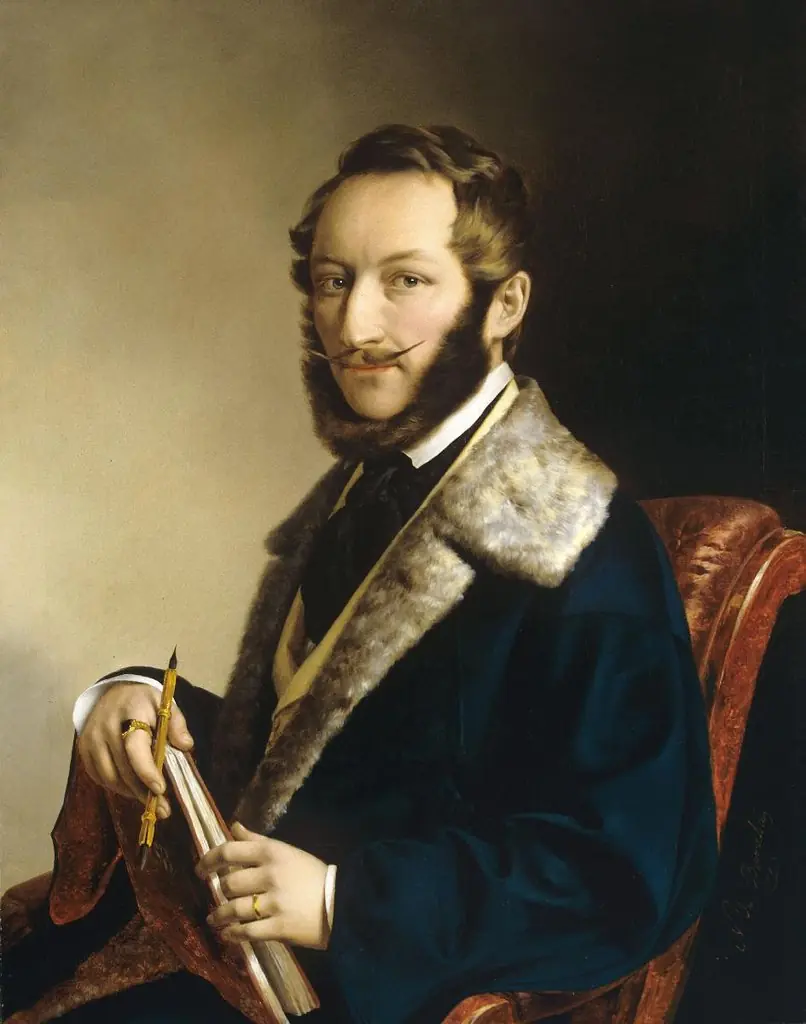 Self-portrait
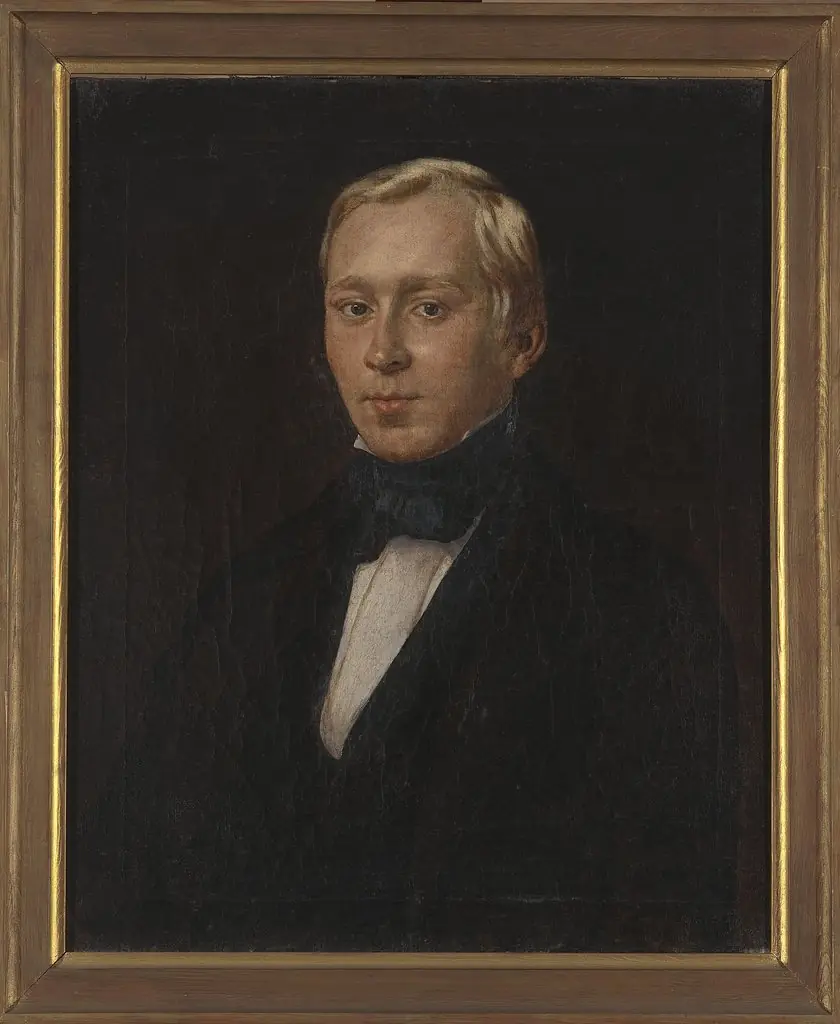 Portrait of Jan Pabudziński
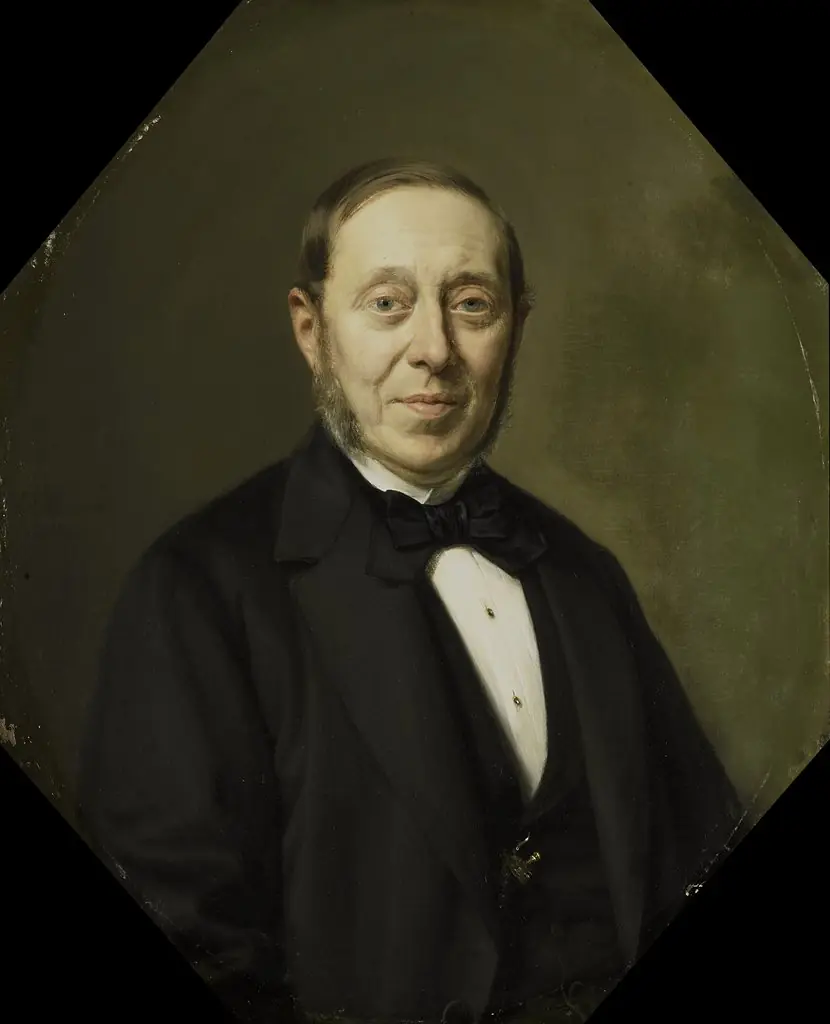 Portrait of Johannes Cornelis van Pappelendam (1810-1884). Artist and Art Dealer. Superintendent of the Van der Hoop Museum
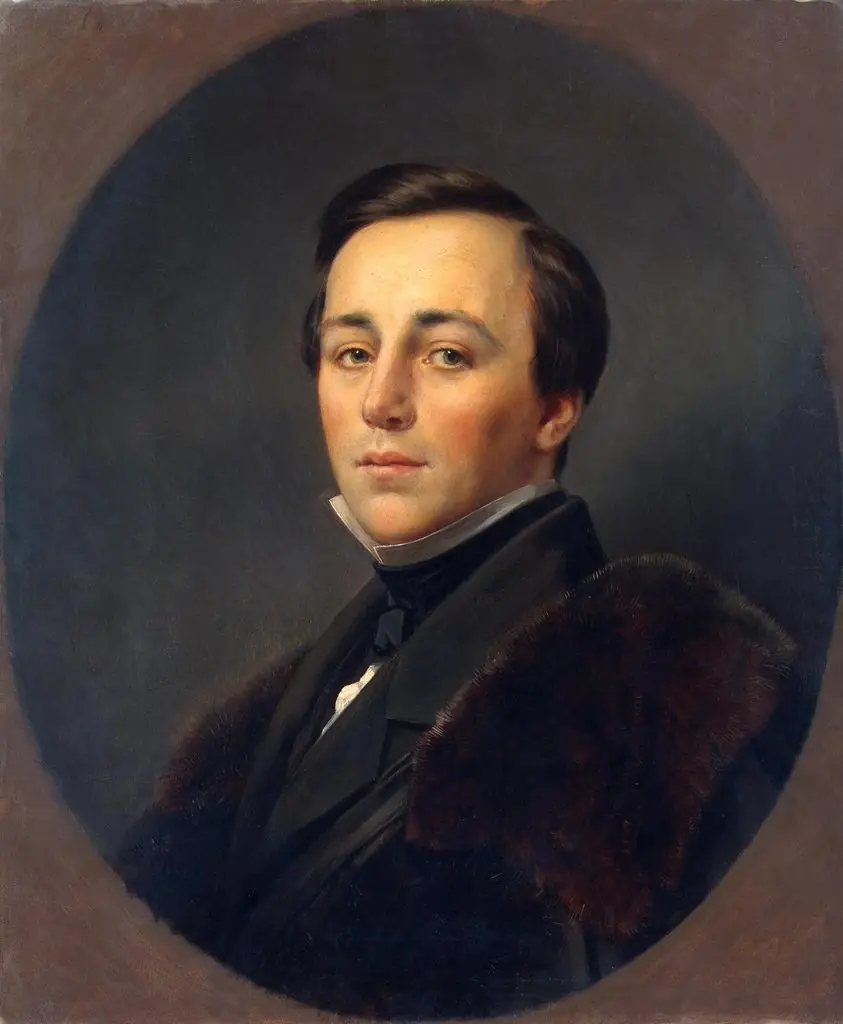 Portrait of Alexei Bobrinsky
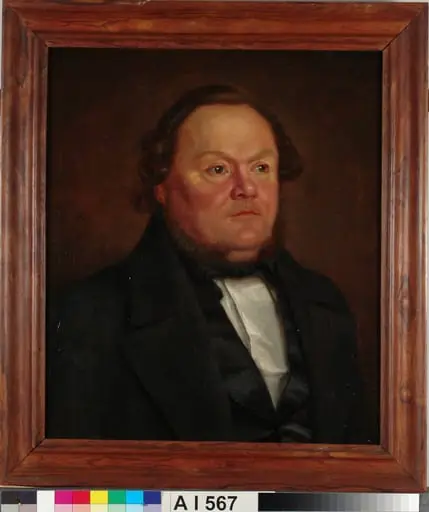 Oulun kaupunginvoudin Jacob Forssin muotokuva
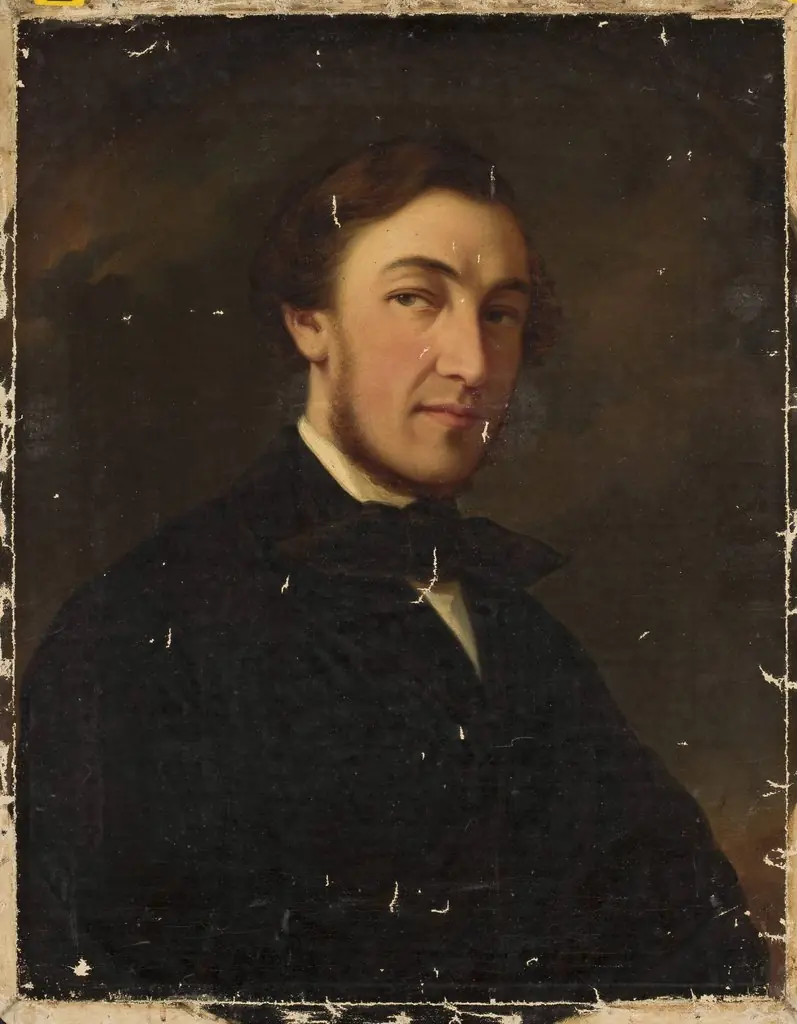 Portrait of a man
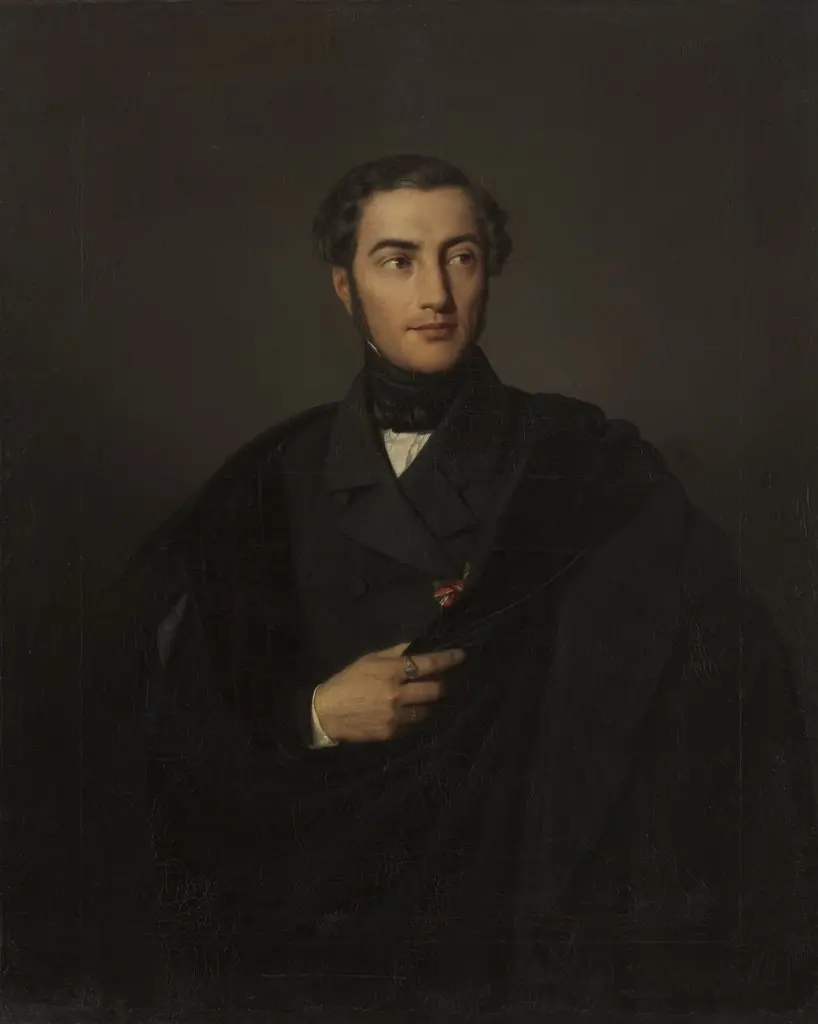 Alberto Cavos
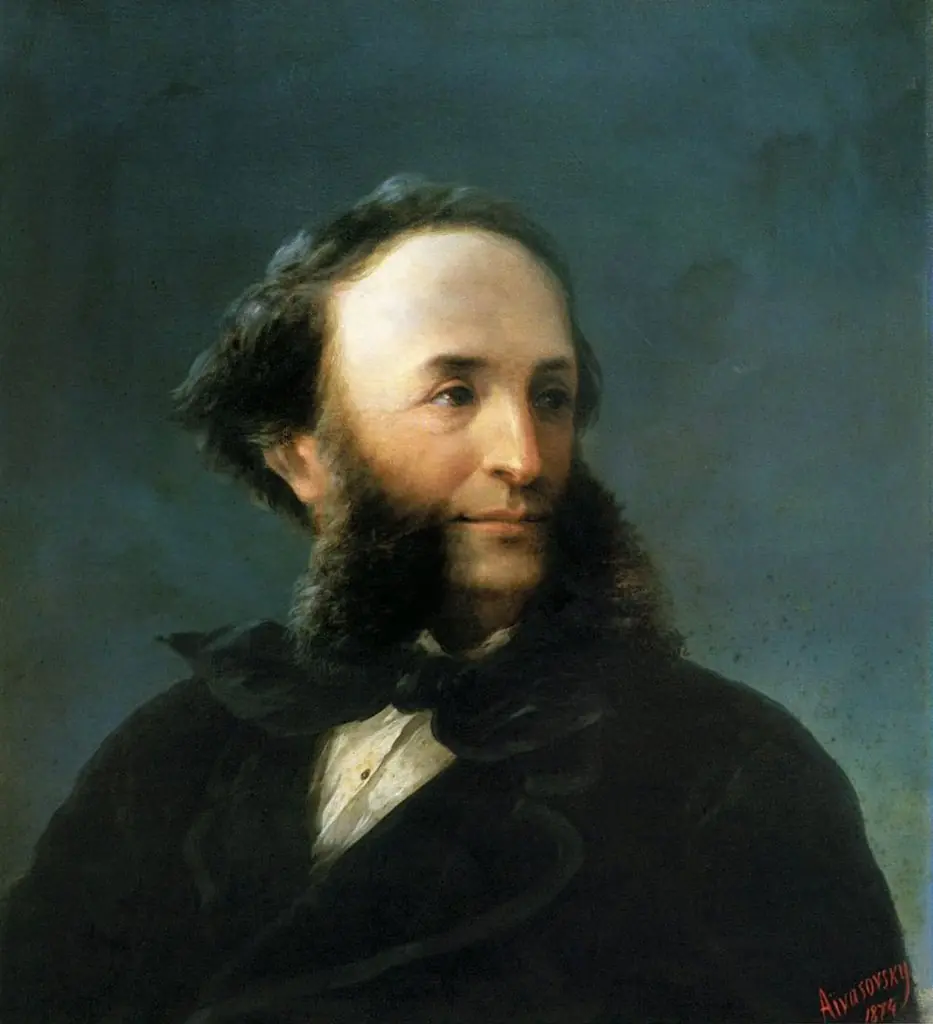 Self-portrait
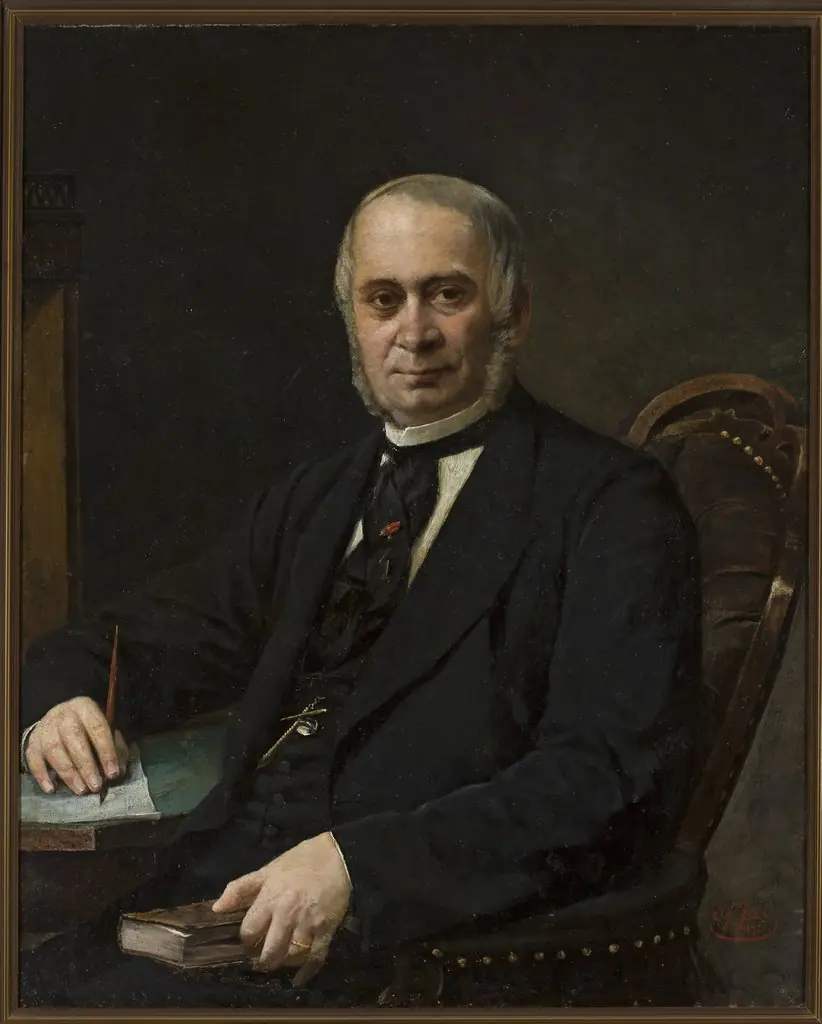 Portrait o f Aleksander Preys
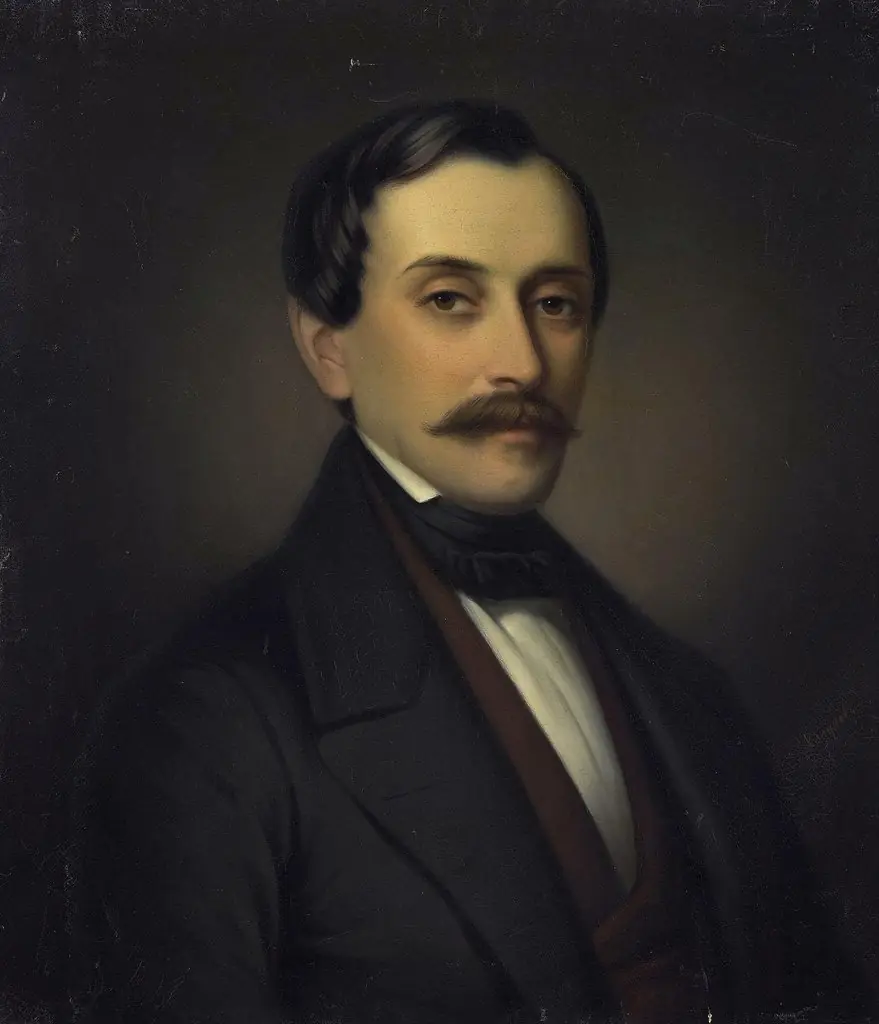 Portrait of Prince Nikolai Yusupov
 Otto Roland Mellin
 Kemény Zsigmond