Artwork
Factory and the Bridge
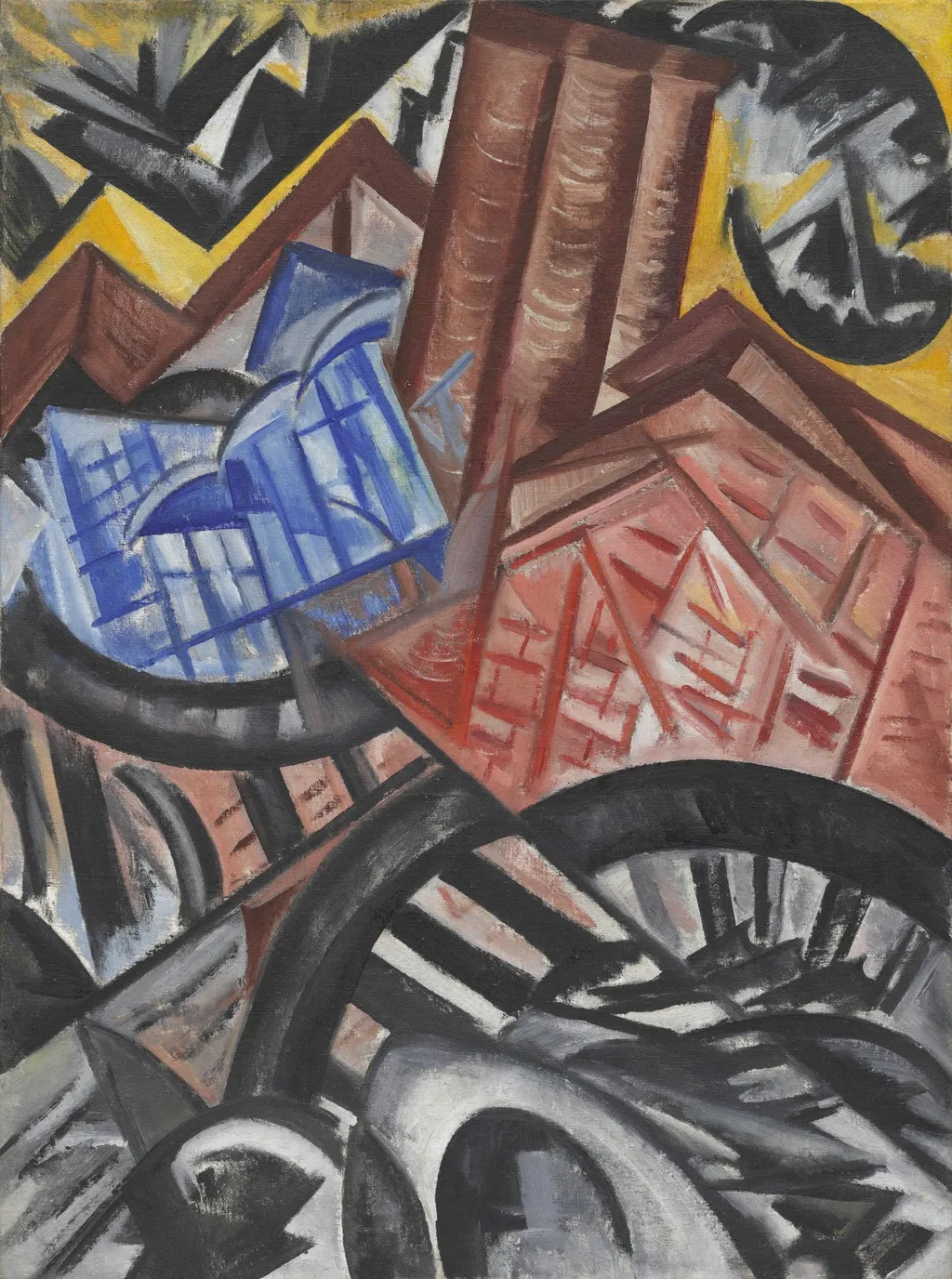
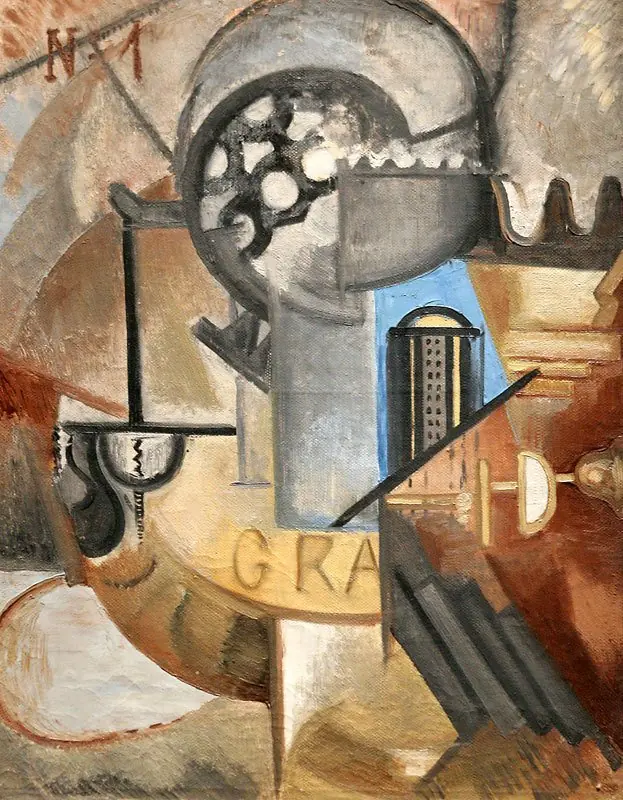
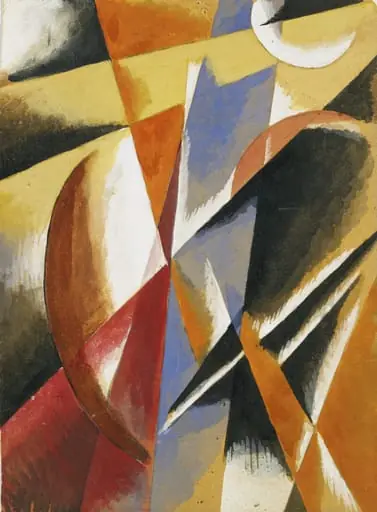
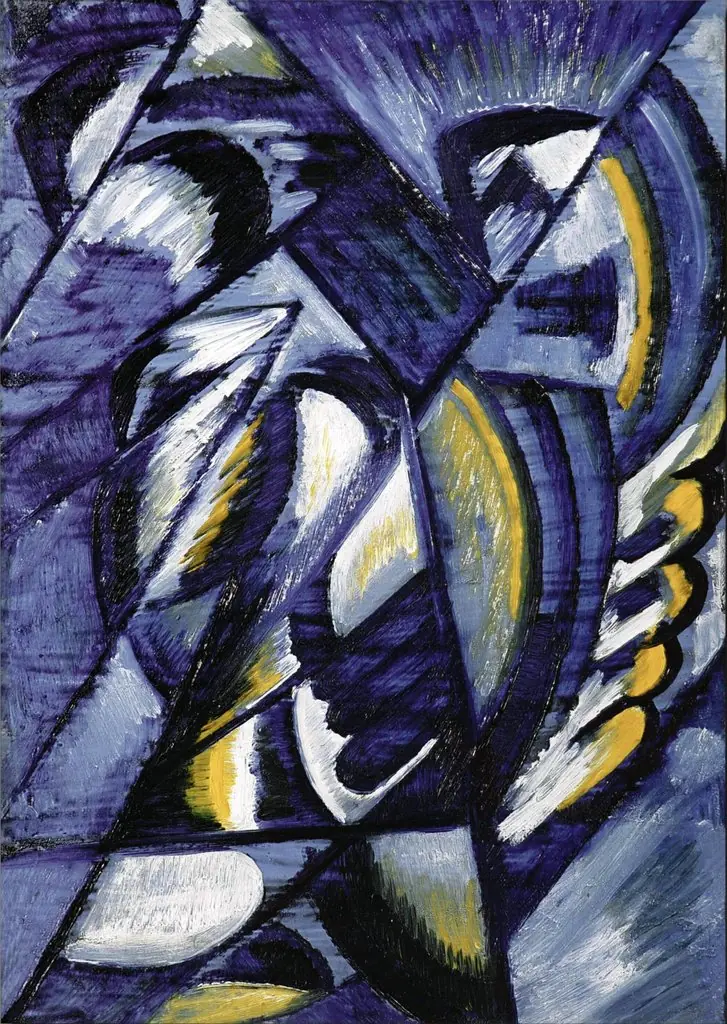
Factory and the Bridge is an oil painting by Olga Rozanova. It dates from 1913 and is held in the collection of the Museum of Modern Art.
About this work
Overview
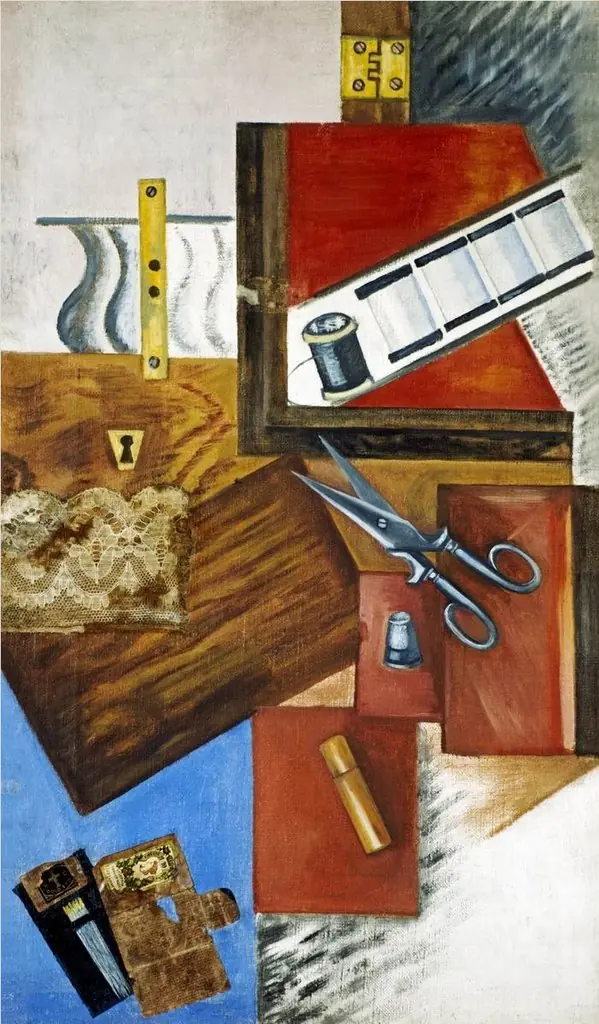
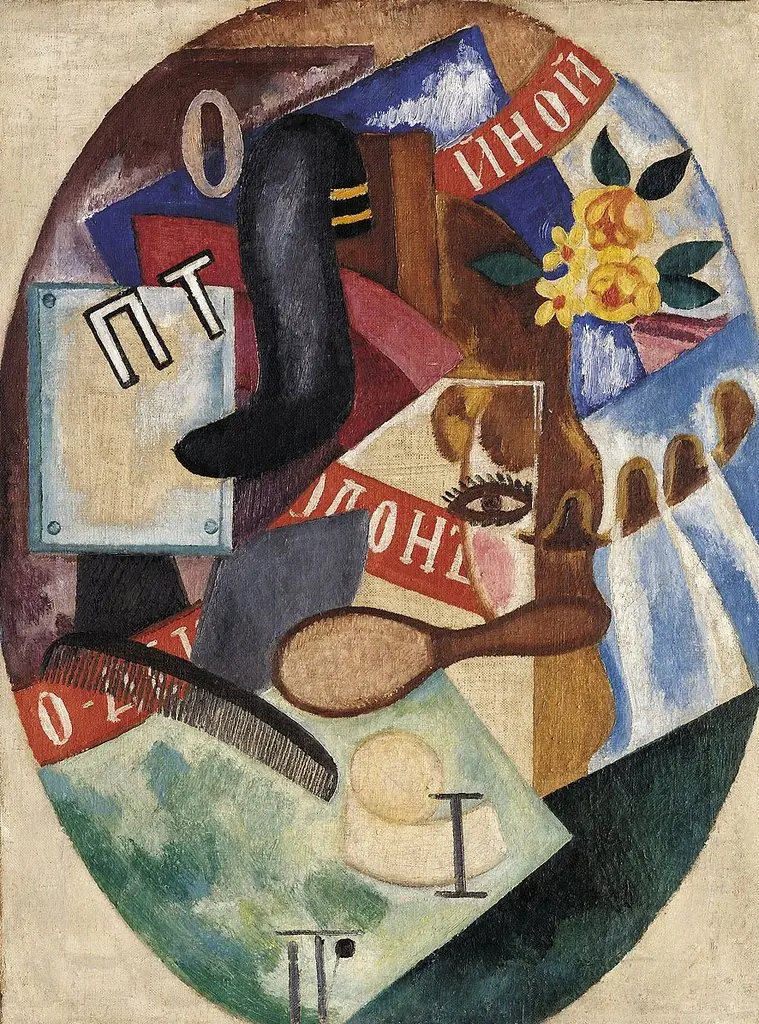
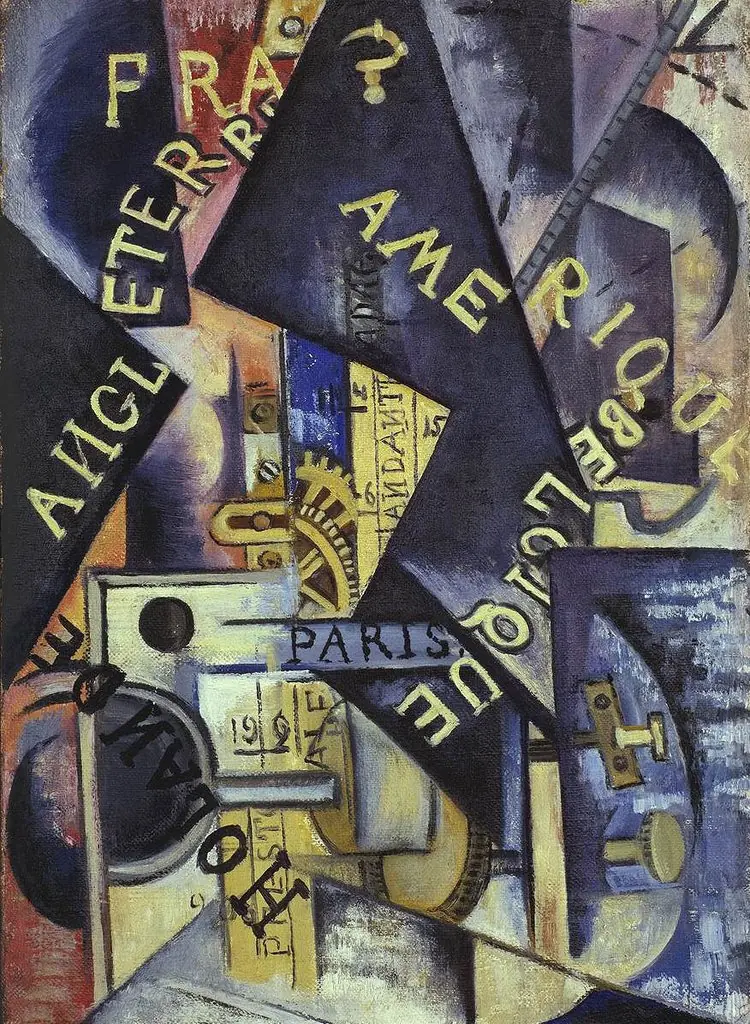
Created in 1913 by Russian avant‑garde painter Olga Rozanova, *Factory and the Bridge* is an oil painting that belongs to the rayonist tendency within early twentieth‑century abstraction. The work is part of the Museum of Modern Art’s collection and presents an industrial landscape rendered through a network of intersecting planes.
Subject & Meaning
The composition isolates a factory and a bridge, reducing them to geometric fragments that suggest the mechanized environment of the period. By abstracting these structures, the painting reflects contemporary fascination with industrial progress and the transformation of space through technology.
Technique & Style
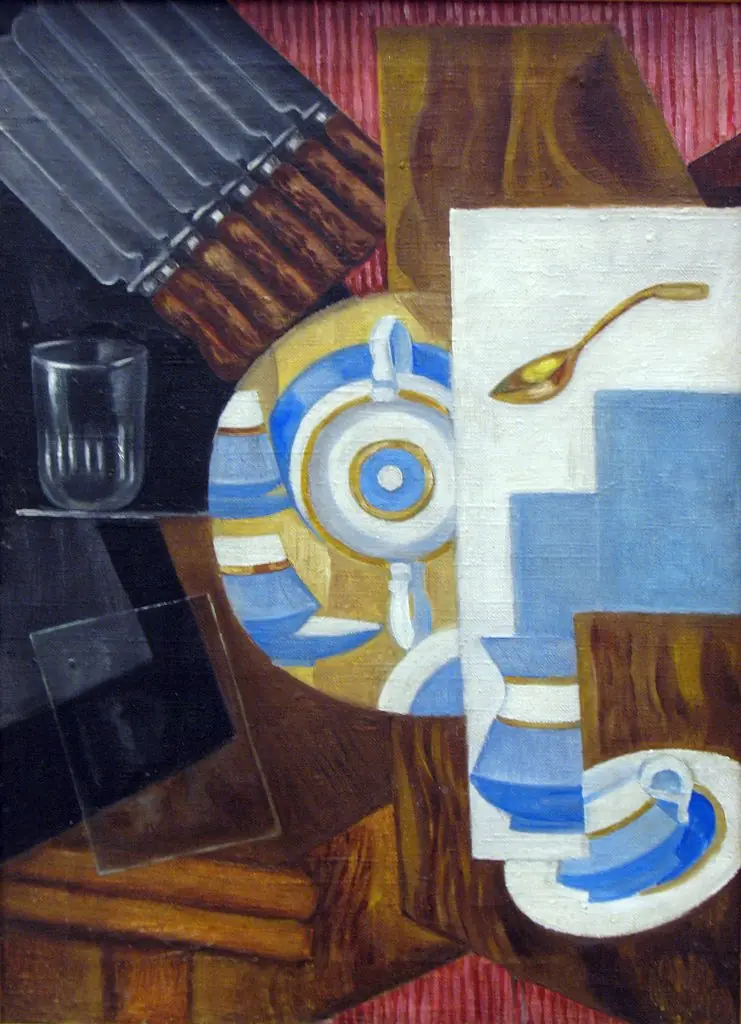
Rozanova employs a Cubist‑inspired vocabulary of overlapping shapes, rendered in muted earth tones and blues. Visible brushwork and occasional impasto give texture to the surface, while the interplay of color and form creates a sense of depth despite the overall flatness of the composition.
History & Provenance
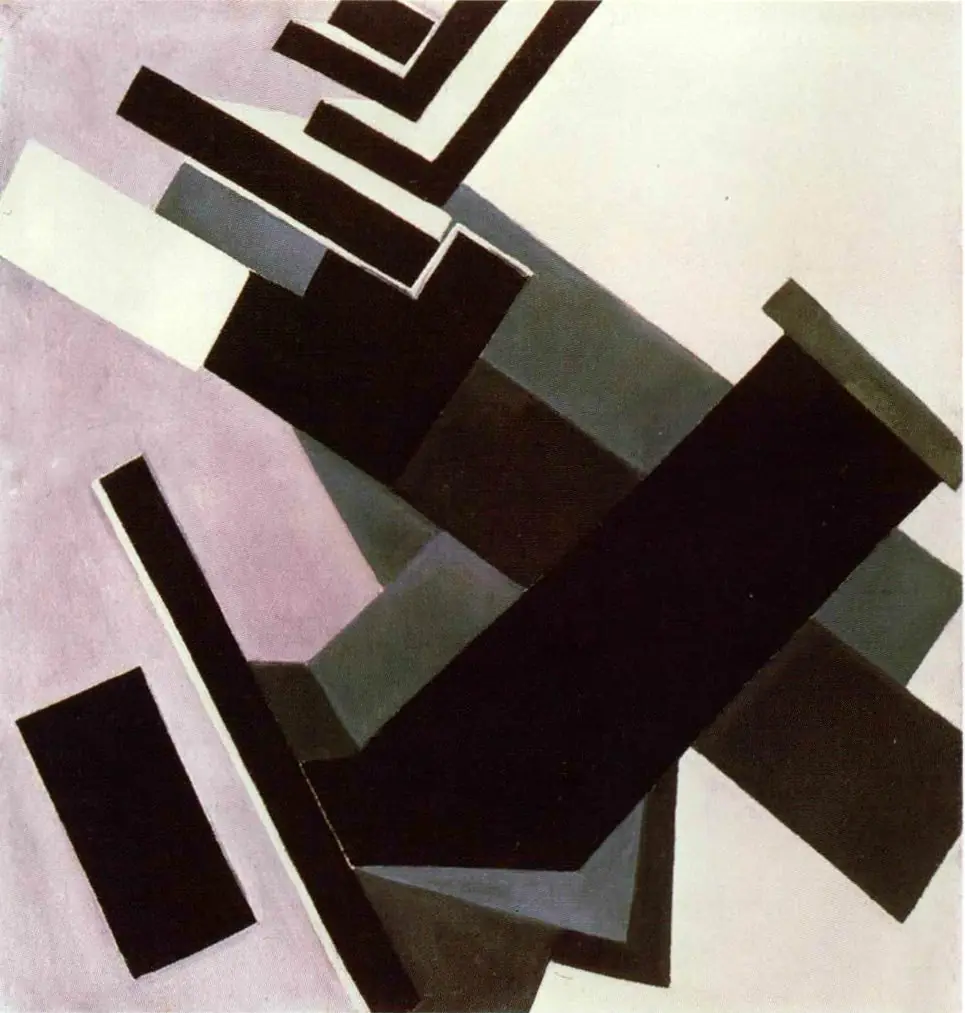
The painting emerged during Rozanova’s involvement with Suprematism, Neo‑Primitivism, and Cubo‑Futurism, movements that explored new visual languages in pre‑revolutionary Russia. After changing hands in private collections, it entered the Museum of Modern Art, where it remains on display as an example of early Russian abstraction.
Own this work as a print
Artist & collection
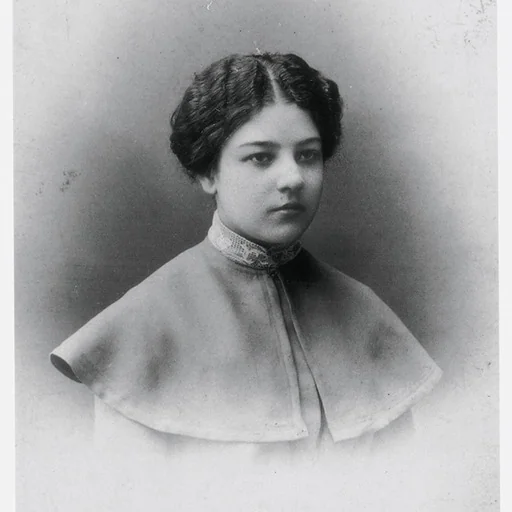
Artist
Olga Vladimirovna Rozanova (also spelled Rosanova, Russian: Ольга Владимировна Розанова) (22 June 1886 – 7 November 1918, Moscow) was a Russian avant-garde artist painting in the styles of Suprematism, Neo-Primitivism, and Cubo-Futurism.