Artwork
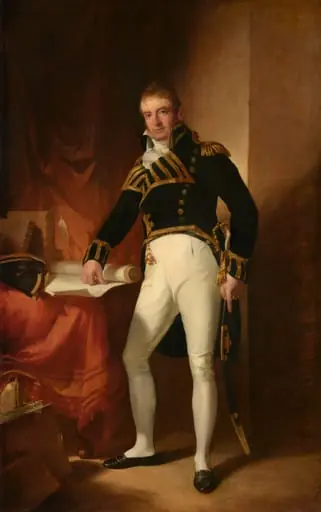
Charles-René Magon, rear admiral
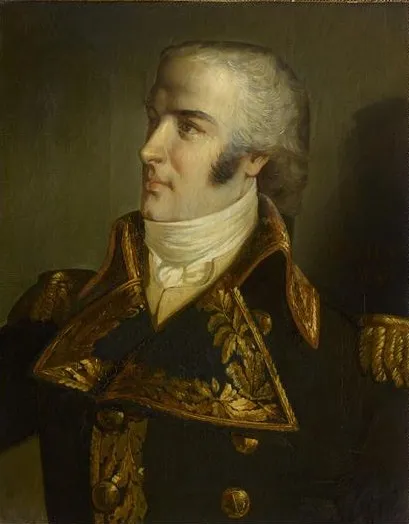
Charles-René Magon, rear admiral is an oil painting by Olivier Pichat. It dates from 1847 and is held in the collection of the Palace of Versailles.
About this work
Overview
The painting is part of the collection at the Palace of Versailles, where it was likely commissioned to honor naval leadership during the Bourbon Restoration.
This 1847 oil portrait by Olivier Pichat portrays Charles-René Magon de Médine, a French rear admiral. The painting is part of the collection at the Palace of Versailles, where it was likely commissioned to honor naval leadership during the Bourbon Restoration. Pichat, known for his formal military portraits, captures Magon in full uniform, emphasizing rank and composure through restrained composition and precise detail.
Subject & Meaning
Charles-René Magon de Médine served in the French Navy during the Napoleonic Wars and was recognized for his command at the Battle of Trafalgar. The portrait presents him not in action, but in quiet contemplation—gazing beyond the frame with a composed, unwavering expression. This demeanor reflects the ideal of naval officerhood: discipline, duty, and stoic leadership, rather than battlefield glory.
Technique & Style
Pichat employs a muted palette dominated by dark blues and blacks, accented with gold embroidery and a crisp white cravat to draw attention to the subject’s face and upper torso. The brushwork is controlled, with soft transitions in skin tones and sharp definition in fabric textures. Lighting is even and frontal, minimizing drama to reinforce the subject’s solemn authority and institutional presence.
History & Provenance
Commissioned in 1847, the portrait was likely intended for display in a state or naval collection. It entered the Palace of Versailles’ holdings as part of a broader effort to document France’s military figures during the July Monarchy. Its preservation there underscores Magon’s continued symbolic value within French naval history, even decades after his death in 1805.
Context
In the mid-19th century, France sought to reconcile its revolutionary and imperial past with monarchical restoration. Portraits like this one served to legitimize state authority by visually anchoring contemporary institutions to earlier naval heroes. Magon, though not a household name, represented the professional officer class whose service bridged the Ancien Régime and Napoleonic eras.
Legacy
The portrait remains a quiet testament to the French Navy’s institutional memory. Unlike grand battle scenes, it conveys leadership through stillness and presence. While Pichat’s name is less known today, his work contributes to a visual archive of mid-19th-century French military identity, preserving the dignity of officers who shaped naval tradition without seeking public acclaim.
Artist & collection
Artist
Olivier Pichat liked painting people in the quiet hours between duties, not the flashy portraits that paid the bills.

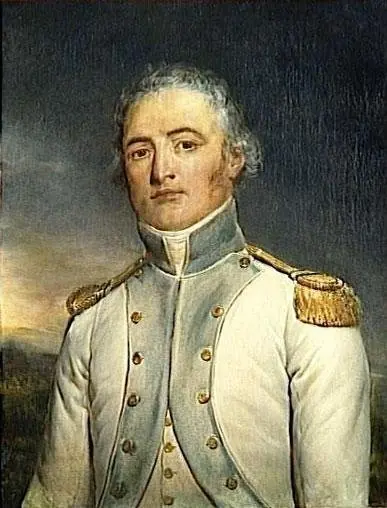 Bertrand Clauzel (1772-1842)
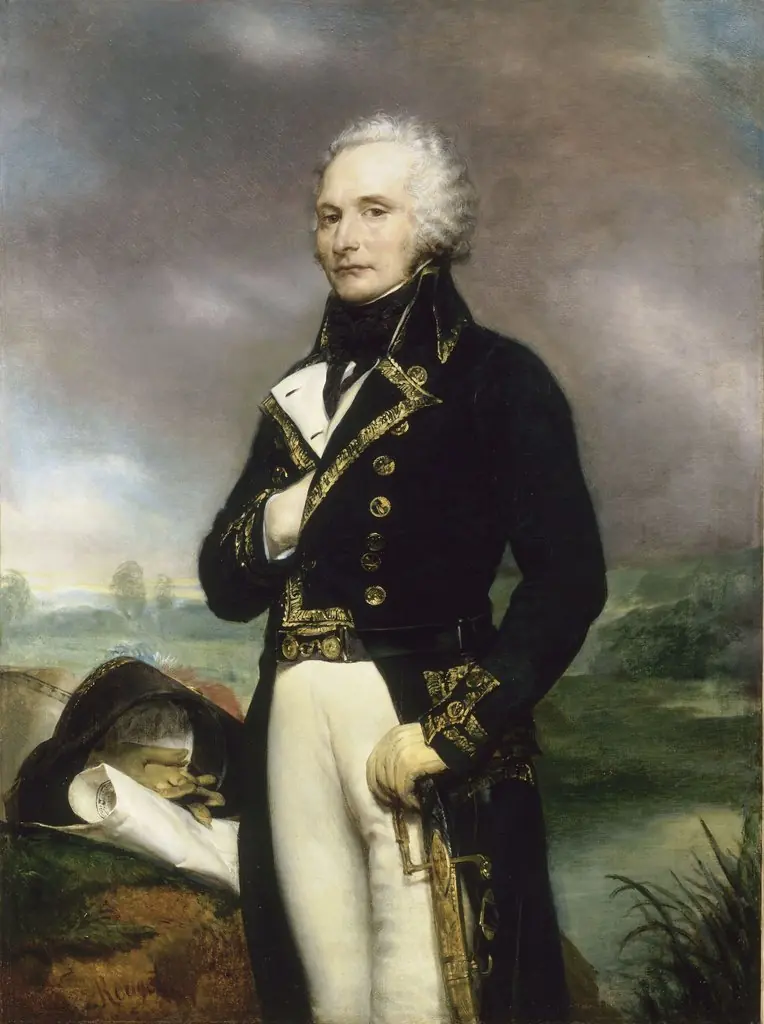 Alexandre-François Marie, viscount of Beauharnais, general-in-chief of the army of the Rhine
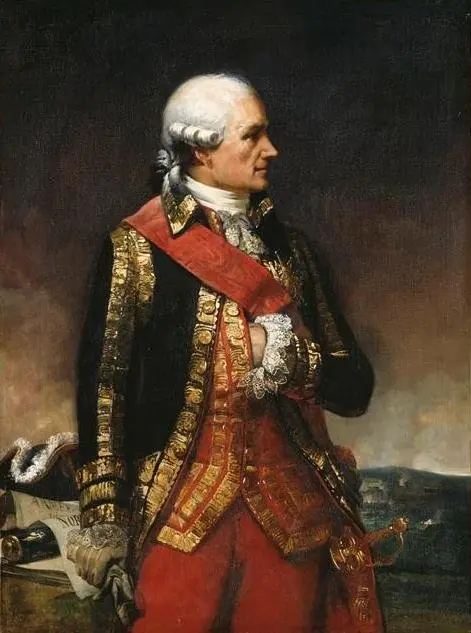 Jean-Baptiste-Donatien de Vimeur, comte de Rochambeau, maréchal de France (1725-1807)
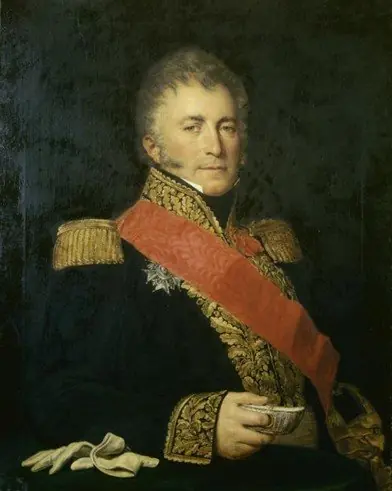 Porträt des Bertrand Pierre Castex (1771-1842)
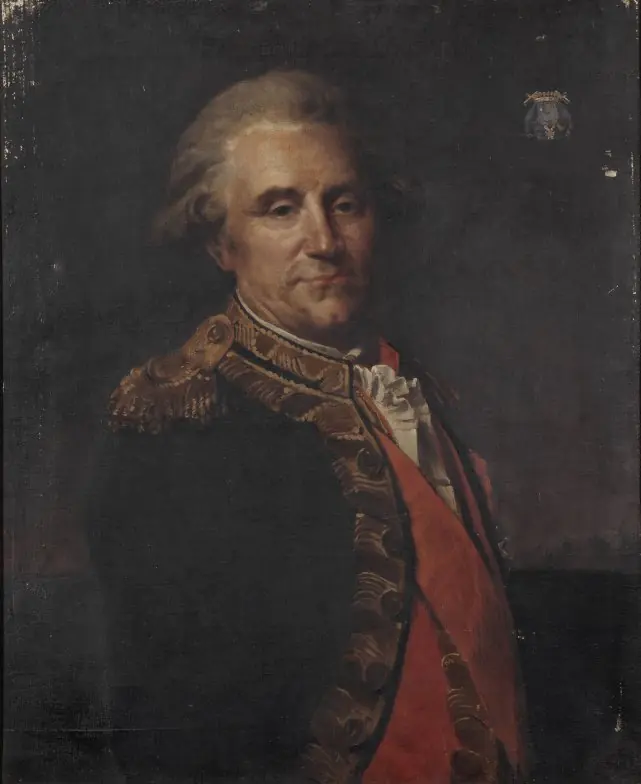 L'amiral Antoine-Jean-Marie Thévenard (1733-1815)
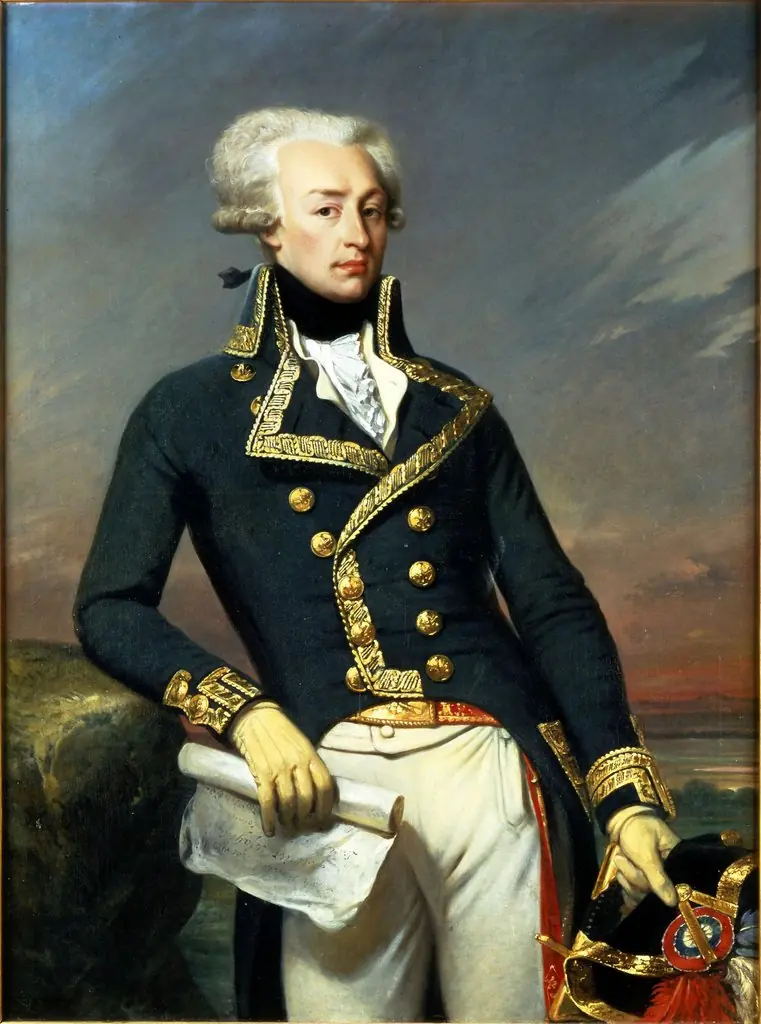 Portrait of Gilbert Motier the Marquis De La Fayette as a Lieutenant General, 1791
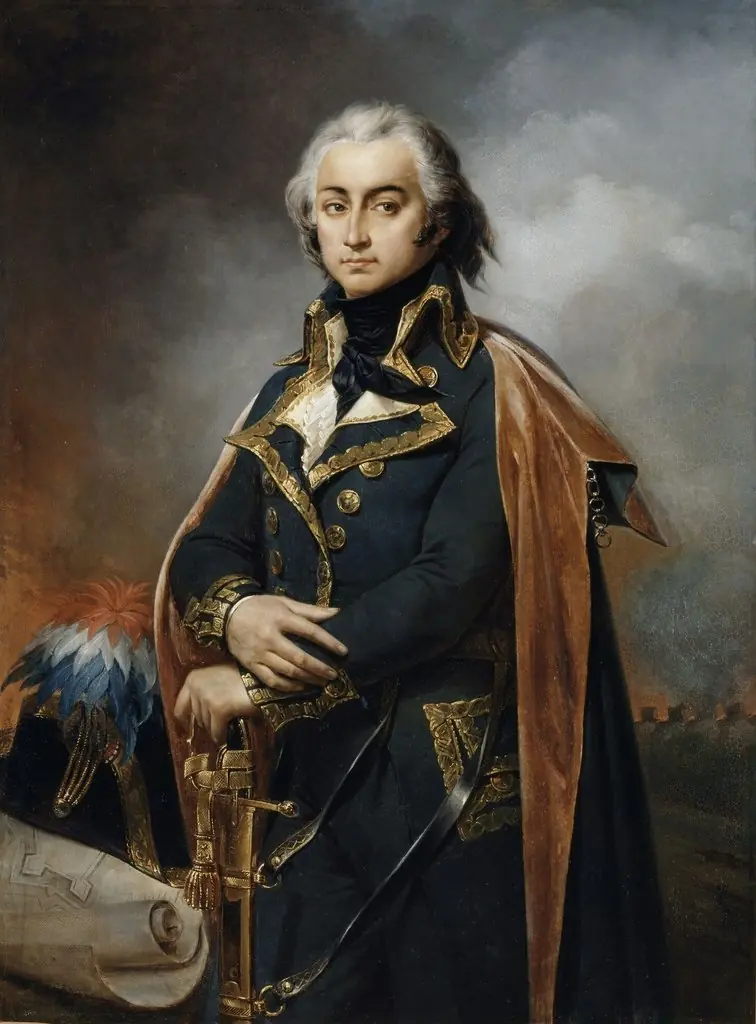 Cyrus-Marie-Adélaïde de Timbrune, Count of Valence, General-in-Chief of the Army of the Ardennes
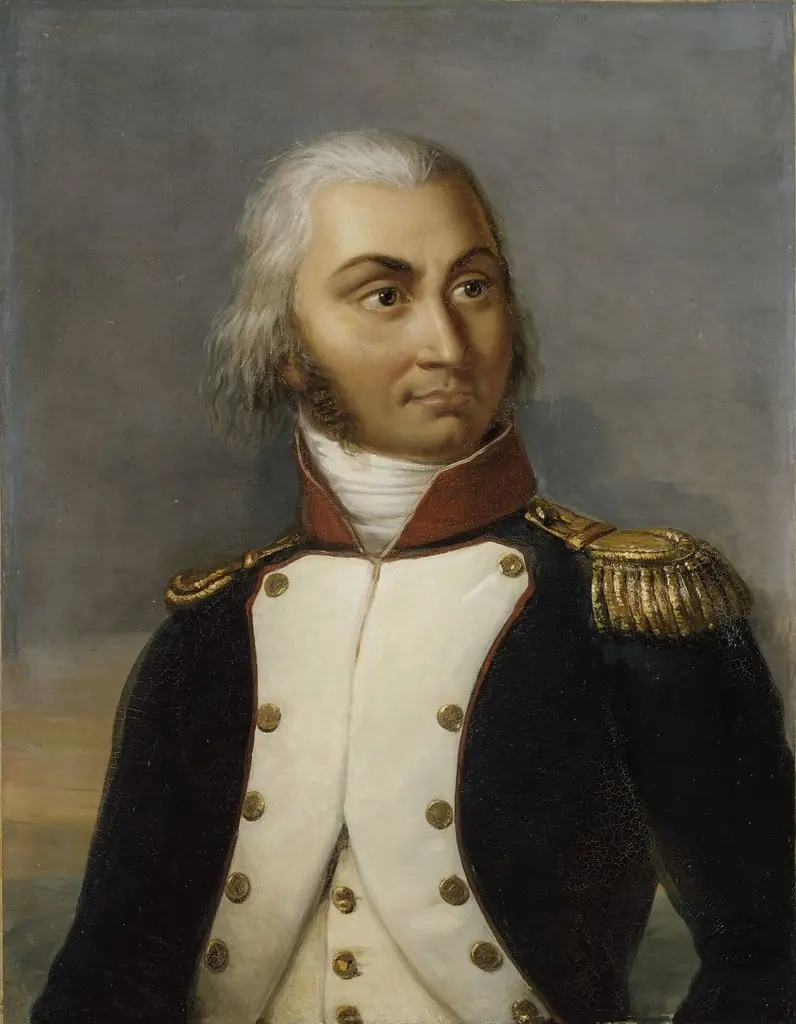 Jean-Baptiste Jourdan
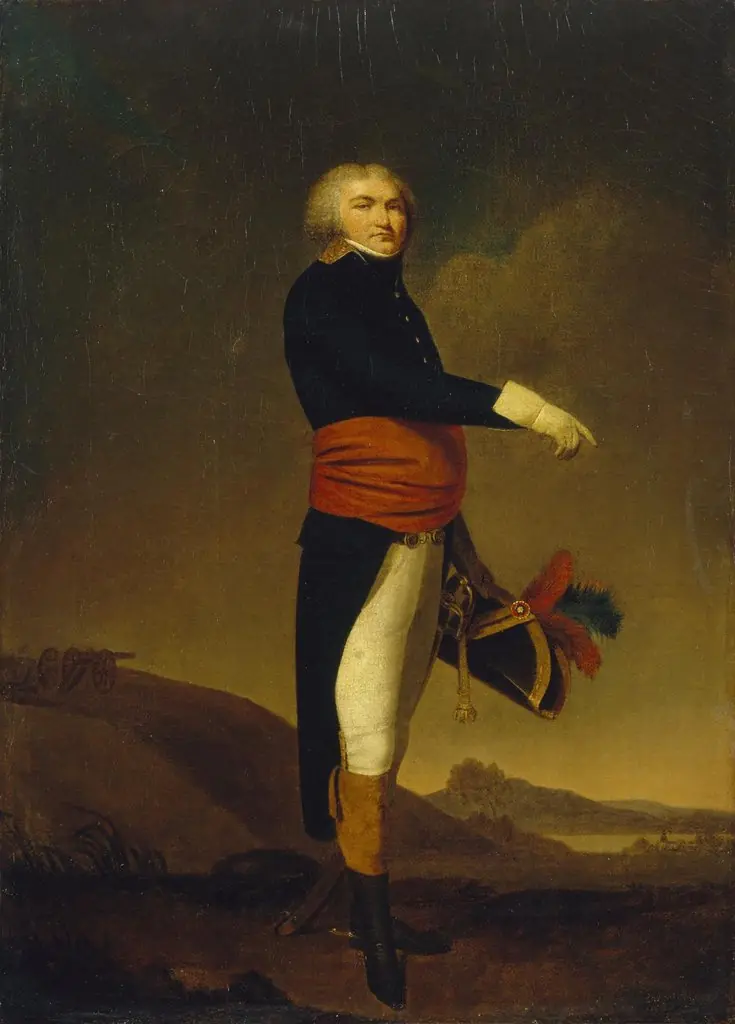 Portrait of General J.-B. Kleber
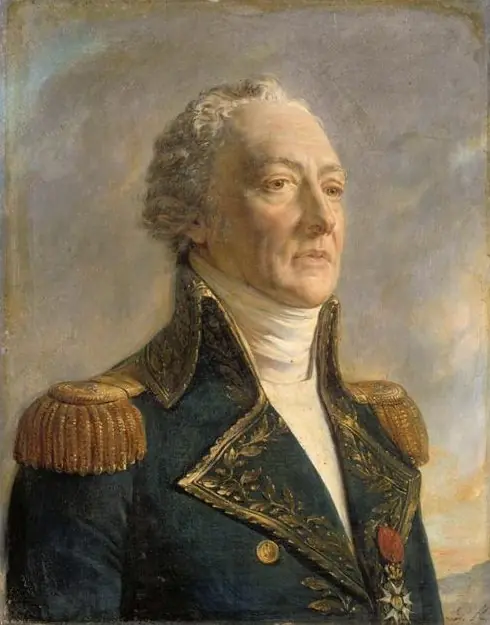 Portrait de Louis-René-Madeleine Le Vassor de La Touche, comte de Tréville (1745-1804)
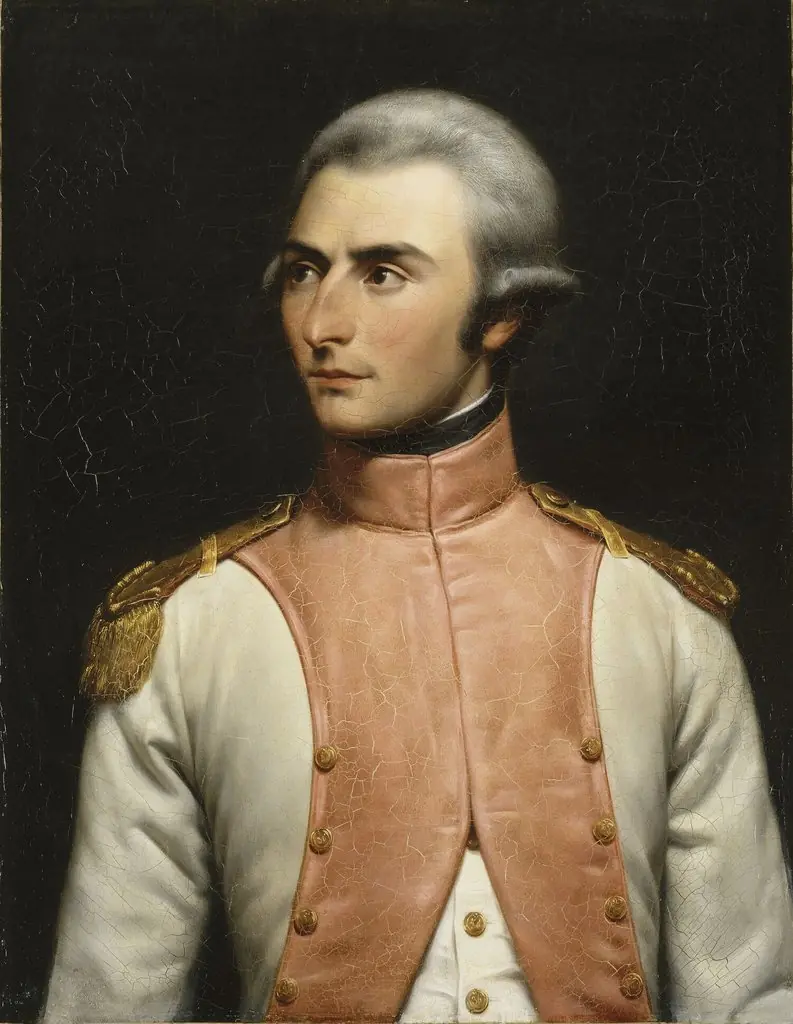 Jean-Baptiste-Jules Bernadotte, lieutenant in the 36th line regiment in 1792
 Captain Charles Stewart