Artwork
Jean-Baptiste-Donatien de Vimeur, comte de Rochambeau, maréchal de France (1725-1807)
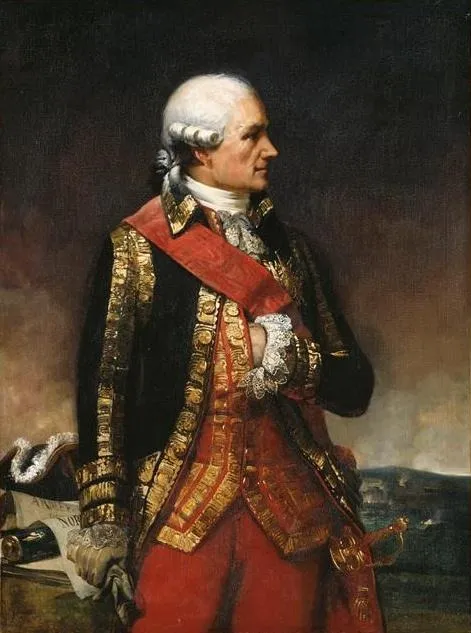
Jean-Baptiste-Donatien de Vimeur, comte de Rochambeau, maréchal de France (1725-1807) is an oil painting by the French Romanticist artist Charles-Philippe Larivière. It dates from 1834 and is held in the collection of the Palace of Versailles.
About this work
Overview
Though painted decades after Rochambeau’s death, the work reflects the academic tradition of honoring military figures through formal portraiture.
This oil portrait, completed in 1834 by Charles-Philippe Larivière, captures Jean-Baptiste-Donatien de Vimeur, comte de Rochambeau, a French marshal who played a key role in the American Revolutionary War. Though painted decades after Rochambeau’s death, the work reflects the academic tradition of honoring military figures through formal portraiture. It resides in the Palace of Versailles, part of France’s institutional effort to preserve the visual legacy of its historical leaders.
Subject & Meaning
Rochambeau is depicted in the full regalia of a French marshal, emphasizing his rank and service. The red sash, gold-trimmed black jacket, and red vest with gold buttons signify his high military status. His composed gaze and dignified posture convey authority and restraint, aligning with the ideals of leadership valued in post-revolutionary France. The portrait does not reference specific events but instead asserts his enduring place in national memory.
Technique & Style
Larivière employed the refined brushwork and controlled lighting typical of French academic painting. The uniform’s textures—silk, wool, and metal—are rendered with precision, while the background remains softly blurred, directing focus to the figure. The palette is muted yet rich, with reds and golds contrasting against darker tones. The style reflects Romanticism’s interest in historical dignity, though it avoids dramatic flair in favor of solemn realism.
History & Provenance
Commissioned after Rochambeau’s death, the portrait was created as part of a broader initiative to document France’s military heritage. Larivière, known for historical and official portraits, was chosen for his technical reliability. The painting entered the Palace of Versailles collection in the 19th century, where it was integrated into the royal residence’s evolving role as a museum of French history and statecraft.
Context
In the 1830s, France was reevaluating its revolutionary and imperial past under the July Monarchy. Portraits of figures like Rochambeau, who had served both the monarchy and the revolutionary cause, were used to bridge political divides. His image, stripped of revolutionary symbolism, became a neutral emblem of national service, suitable for display in a former royal palace now repurposed as a historical archive.
Legacy
The portrait remains a primary visual reference for Rochambeau’s appearance and status. While not widely exhibited outside Versailles, it contributes to scholarly understanding of 19th-century French commemorative practices. Larivière’s work exemplifies how historical figures were visually reconstructed in the absence of photographs, reinforcing institutional narratives through controlled, formal representation.
Artist & collection
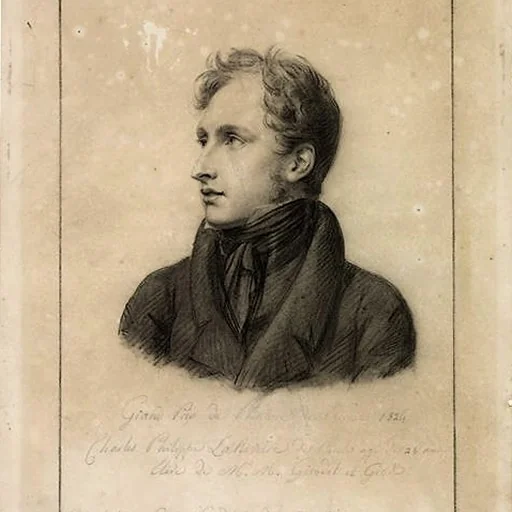
Artist
Charles-Philippe Larivière (28 September 1798 in Paris – 29 February 1876 in Paris) was a French academic painter and lithographer.

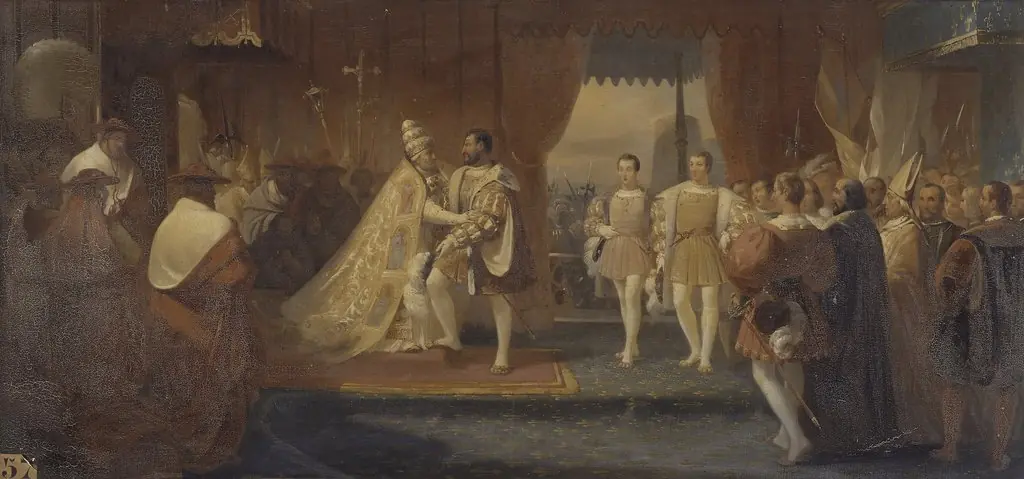 Meeting of Francis I and Pope Clement VII in Marseilles on 13 October 1533
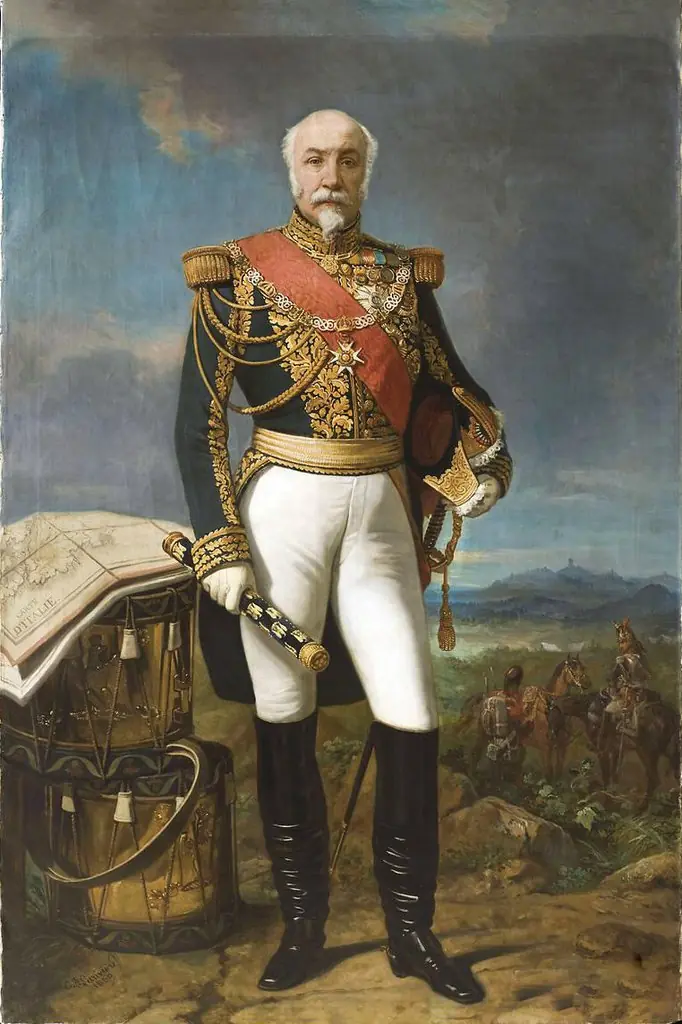 Auguste-Etienne Regnaud de Saint-Jean d'Angély, maréchal de France
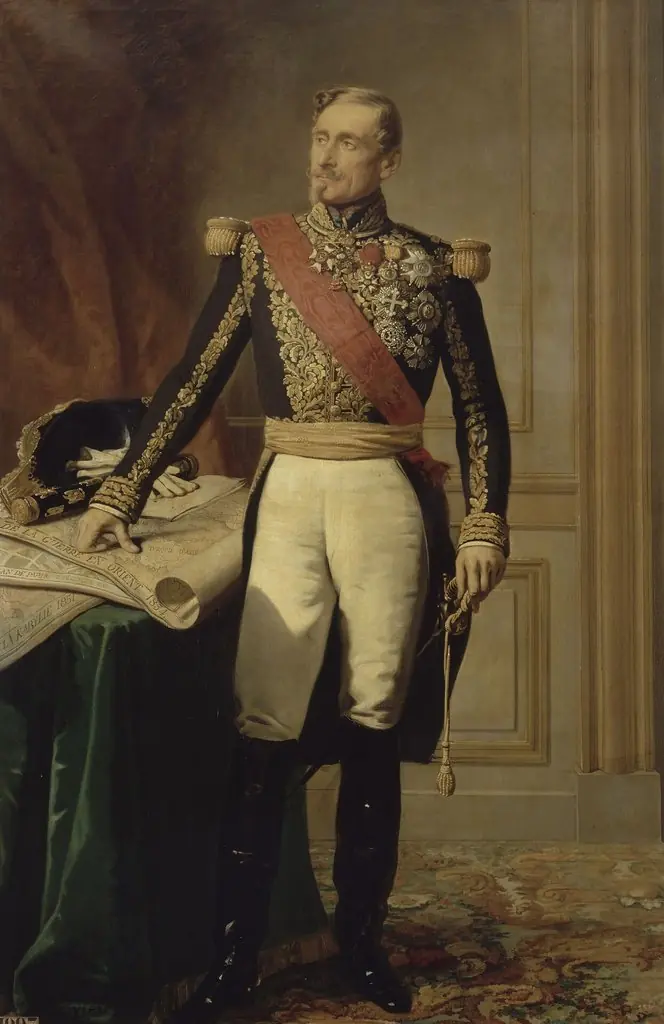 Armand-Jacques Leroy de Saint-Arnaud, Marshal of France
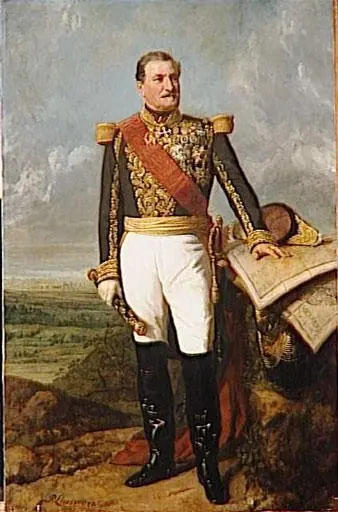 Elie-Frédéric Forey, Marshal
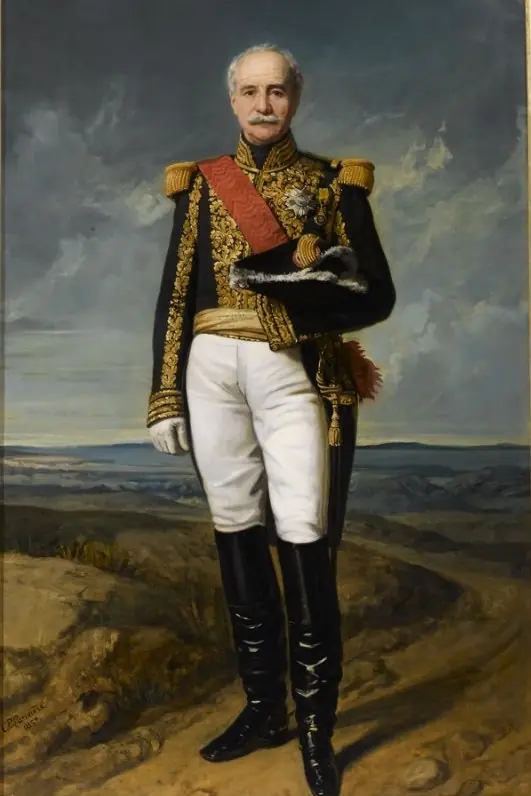 Achille, Marshal-Count Baraguey d'Hilliers
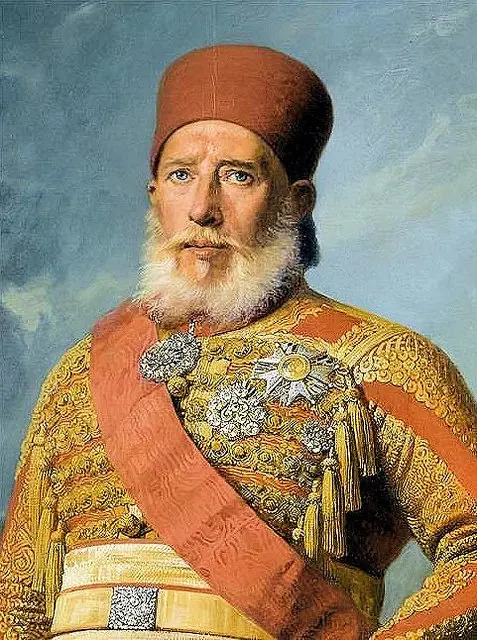 Portrait of Ibrahim Pasha of Egypt (1789–1848)
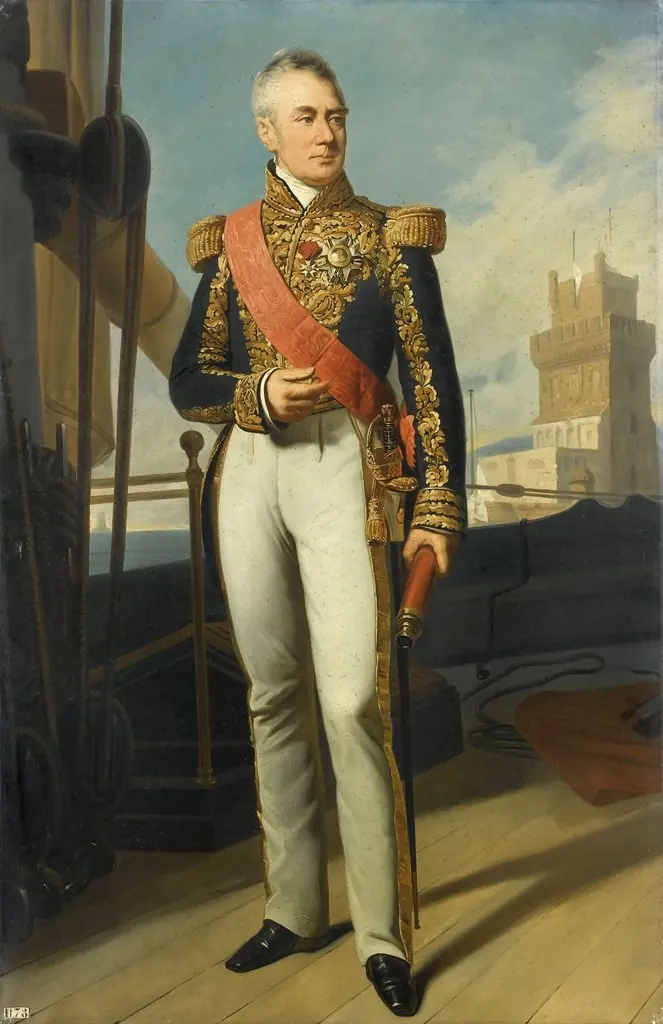 Albin-Reine, baron Roussin, admiral of France
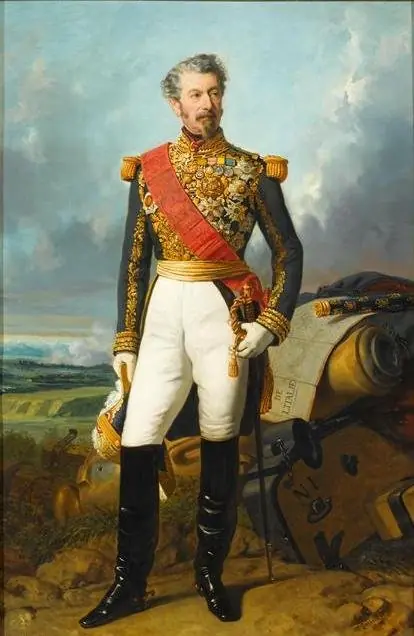 Adolphe Niel, maréchal de France (1802-1869)
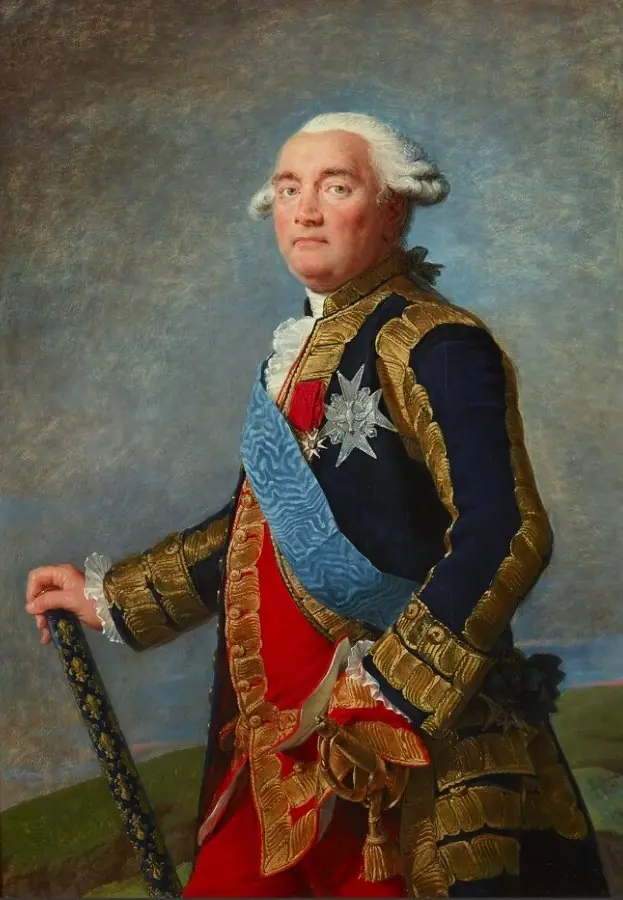 Philippe Henri, marquis de Ségur-Ponchat (1724–1801), französischer Marschall und Kriegsminister
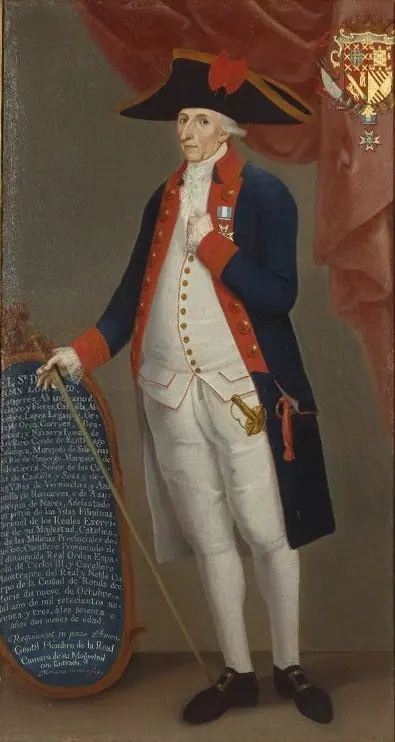 Don Juan Lorenzo Gutiérrez Altamirano de Velasco y Flores
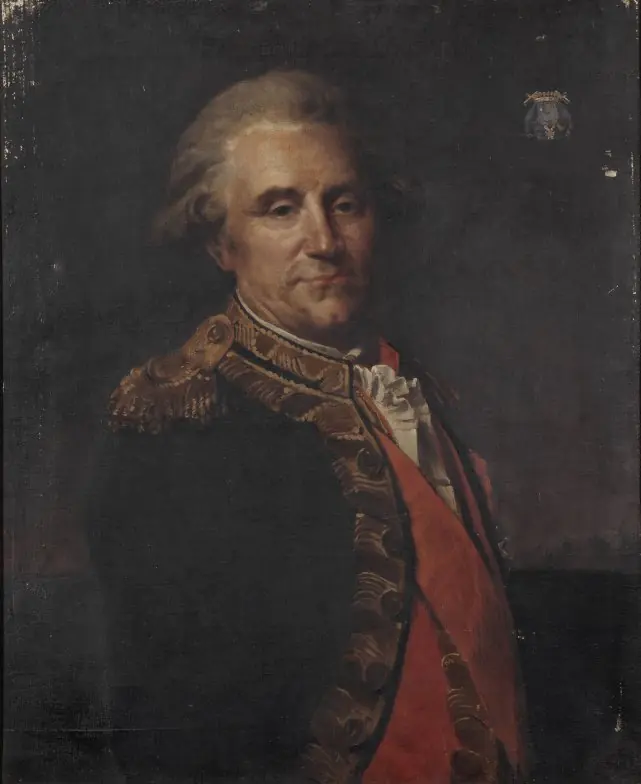 L'amiral Antoine-Jean-Marie Thévenard (1733-1815)
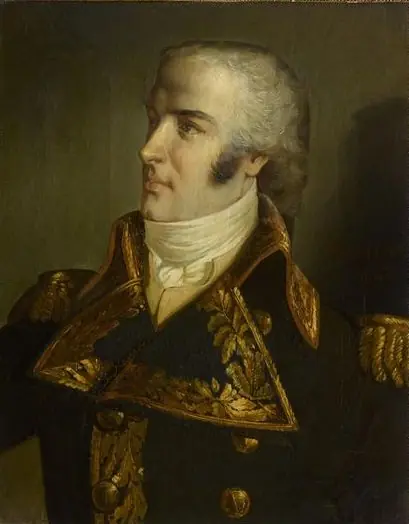 Charles-René Magon, rear admiral
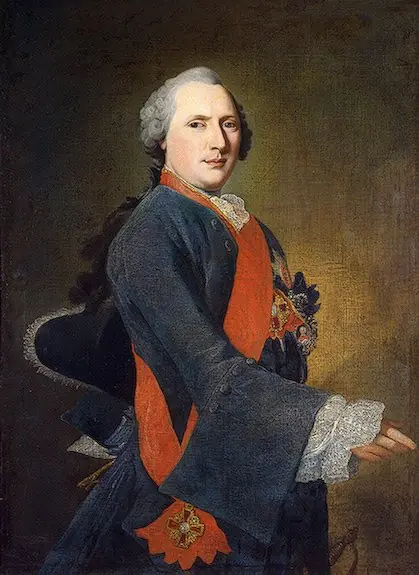 Portrait of Marshal of the Count Karl Sievers
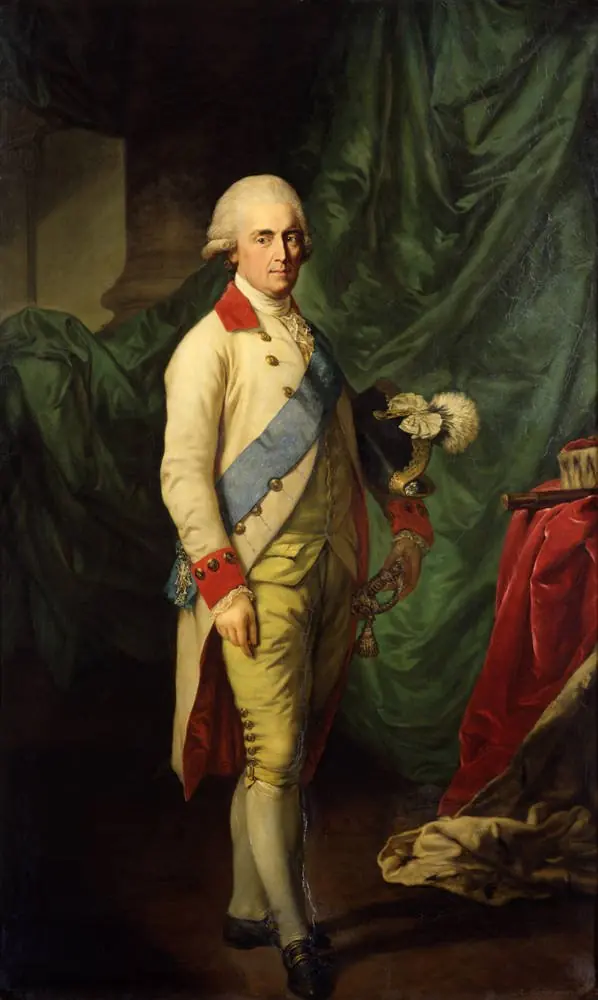 Porträt des Frederick Augustus I of Saxony (1750-1827)
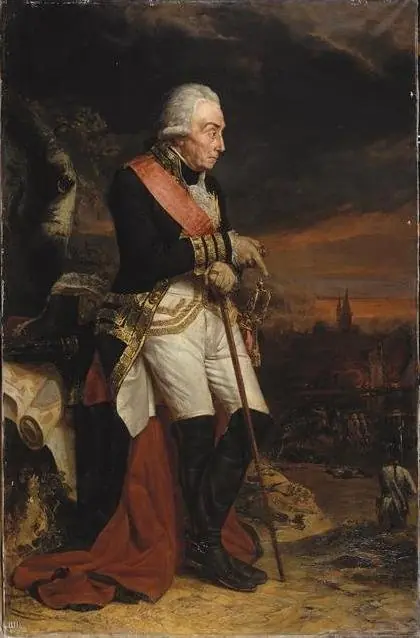 Nicolas, baron de Luckner, maréchal de France (1722-1794)
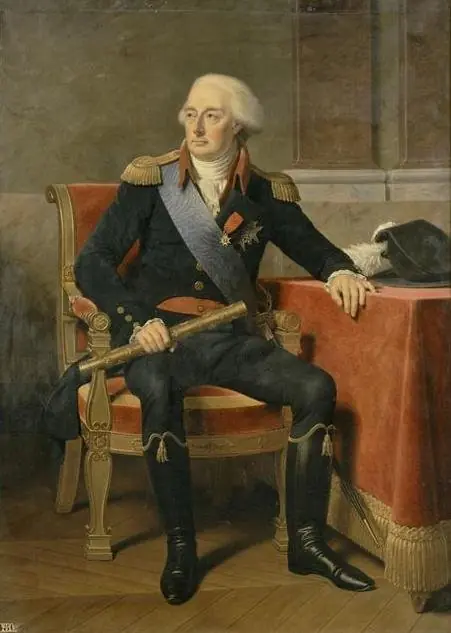 Portrait of Louis Joseph de Bourbon, Prince of Condé (1736-1818)
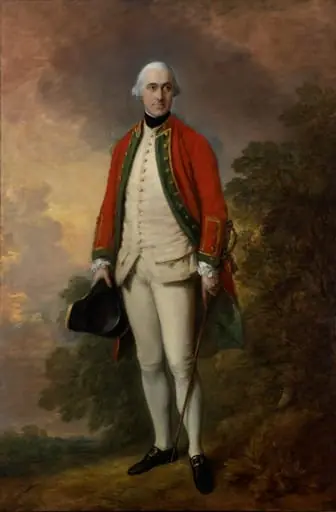 Portrait of George Pitt, First Baron Rivers
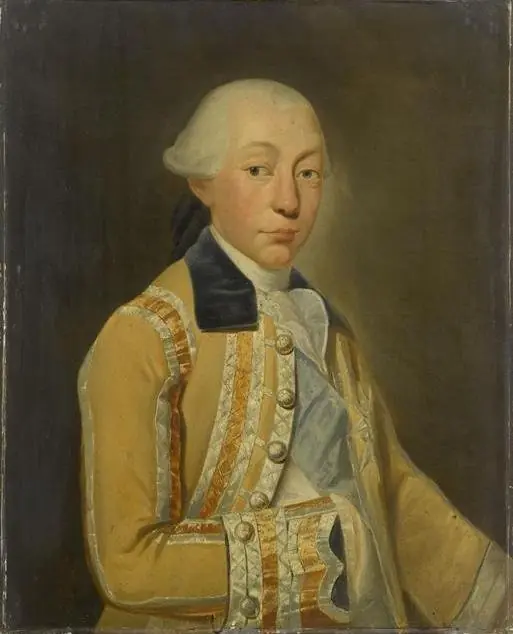 Portrait of Louis François Joseph de Bourbon, Prince of Conti in hunting costume
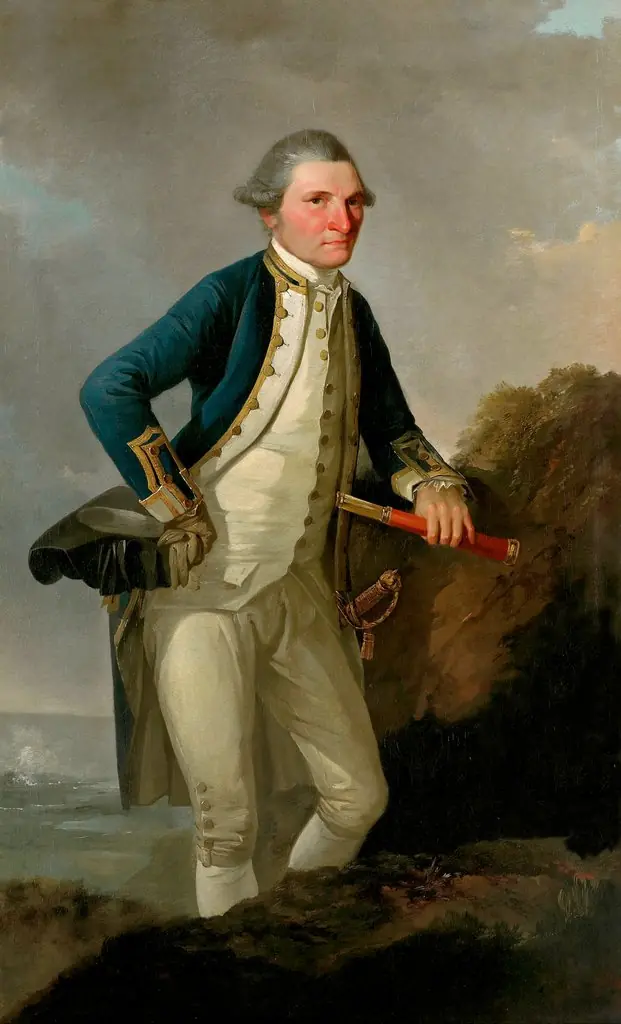 Portrait of Captain James Cook
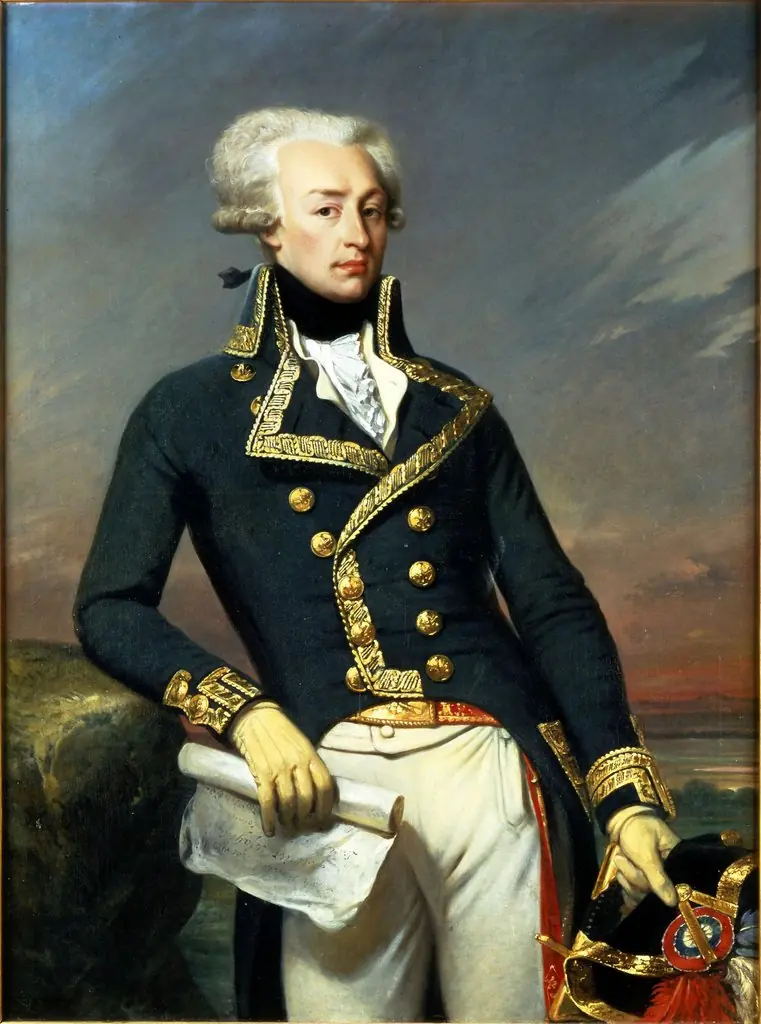 Portrait of Gilbert Motier the Marquis De La Fayette as a Lieutenant General, 1791