Artwork
Saint Christopher
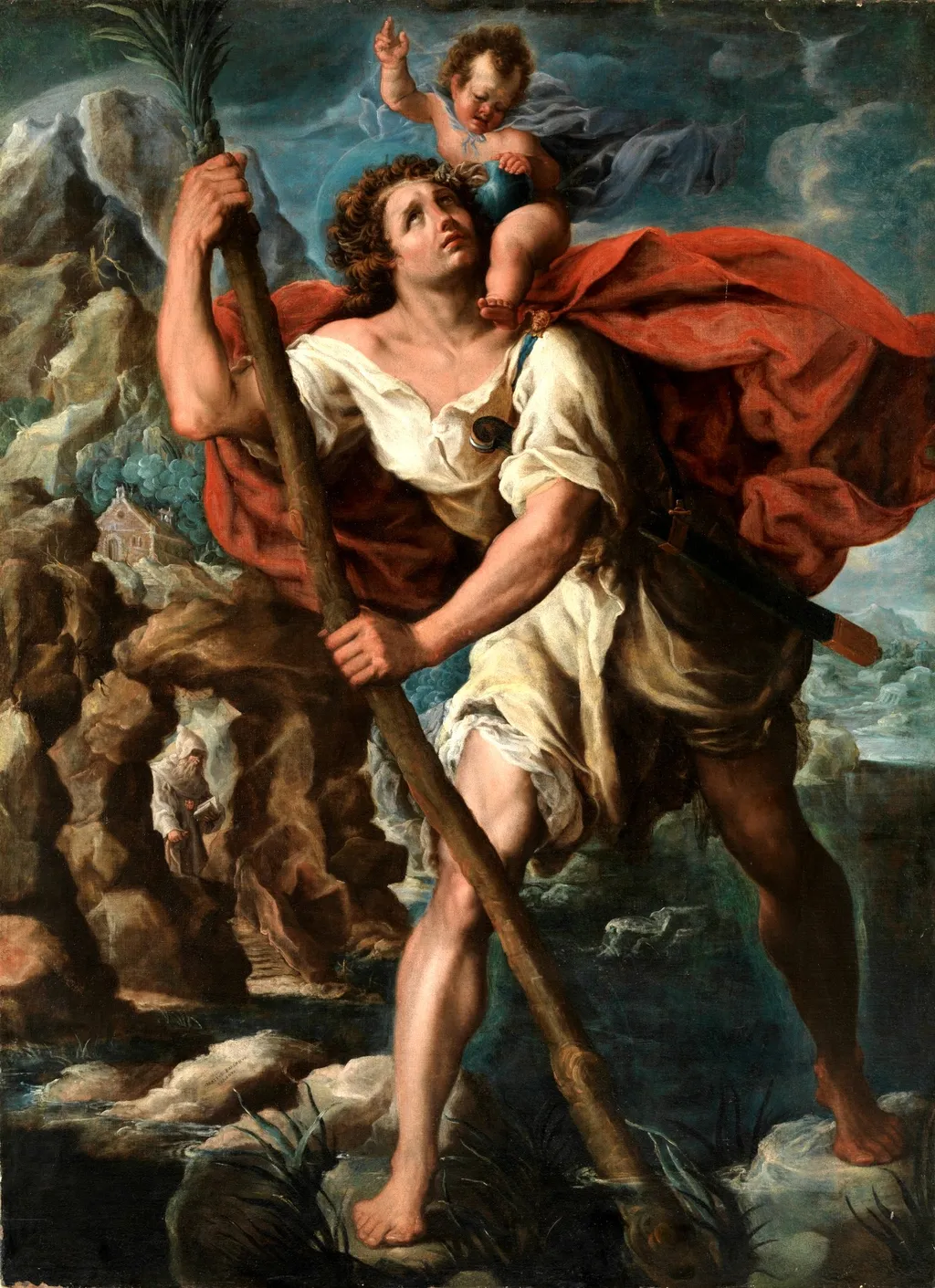
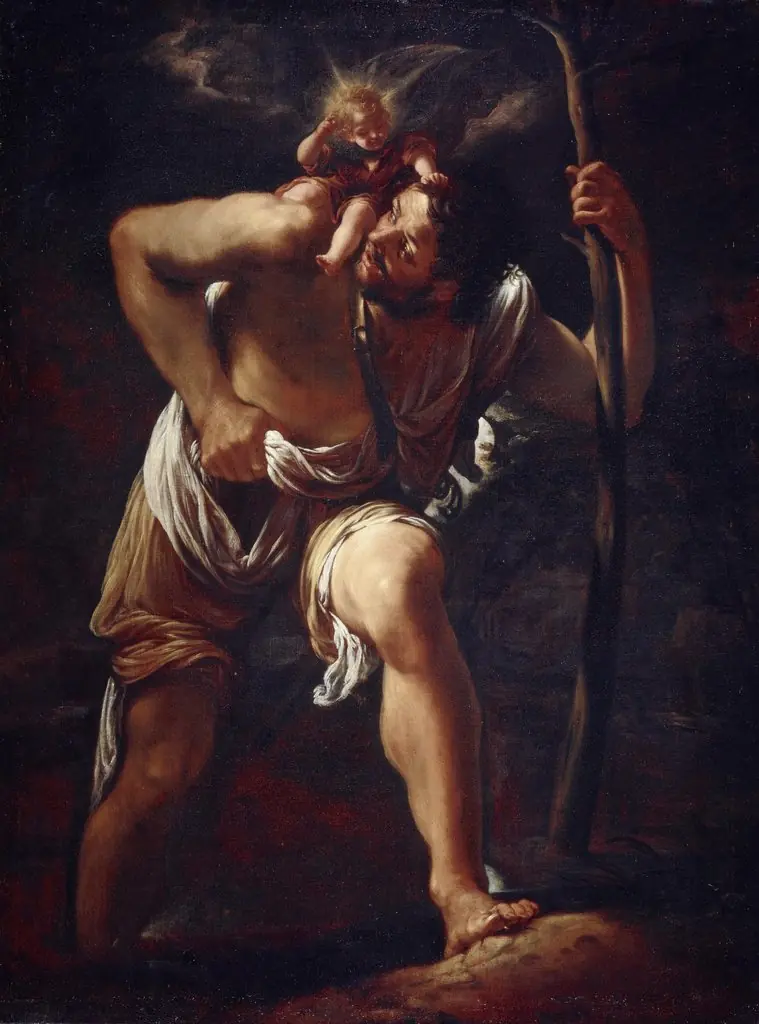
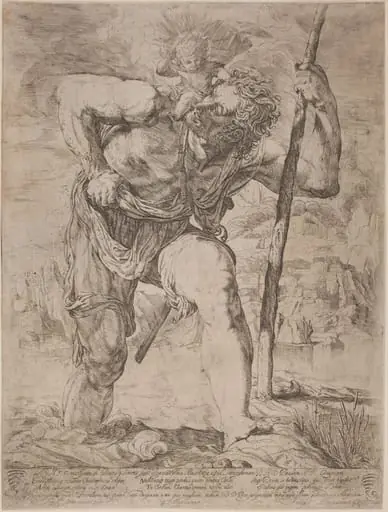
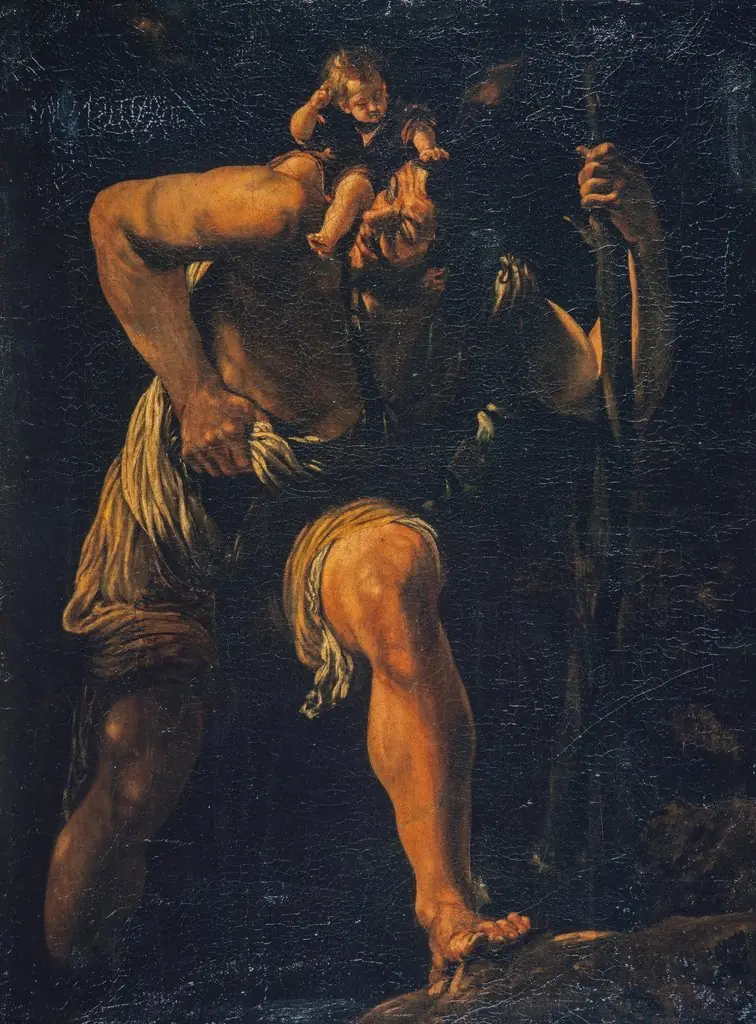
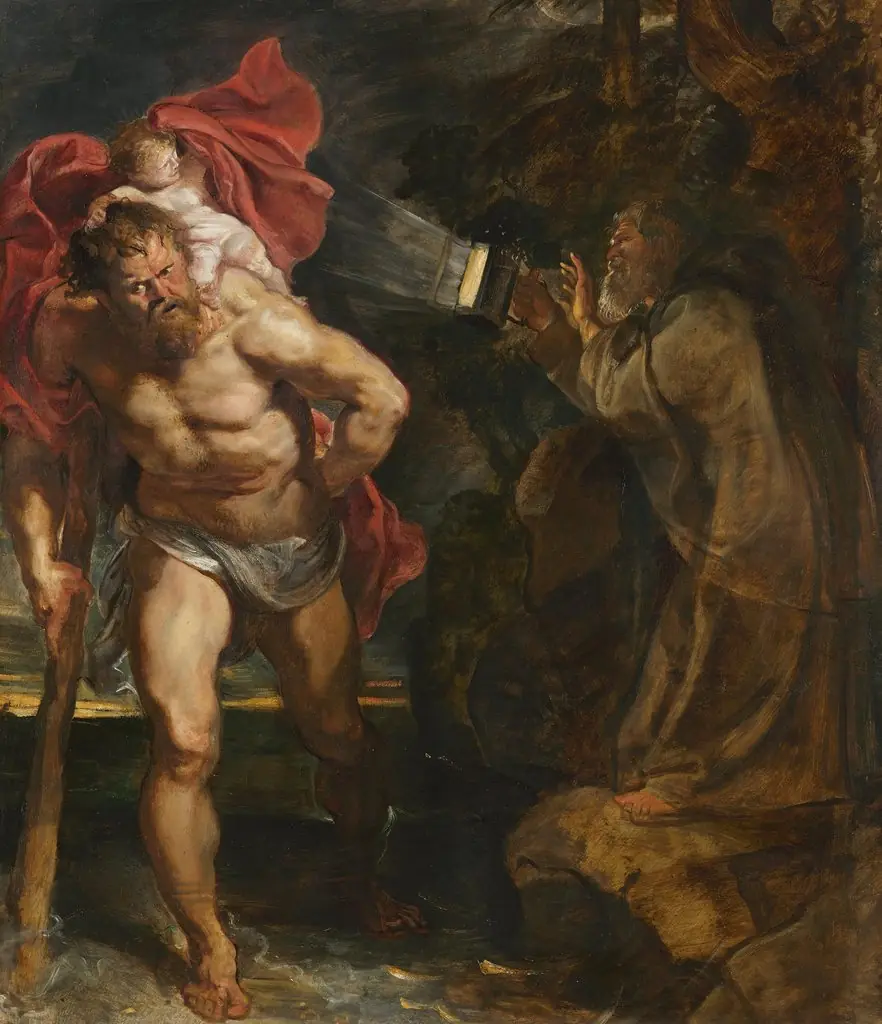
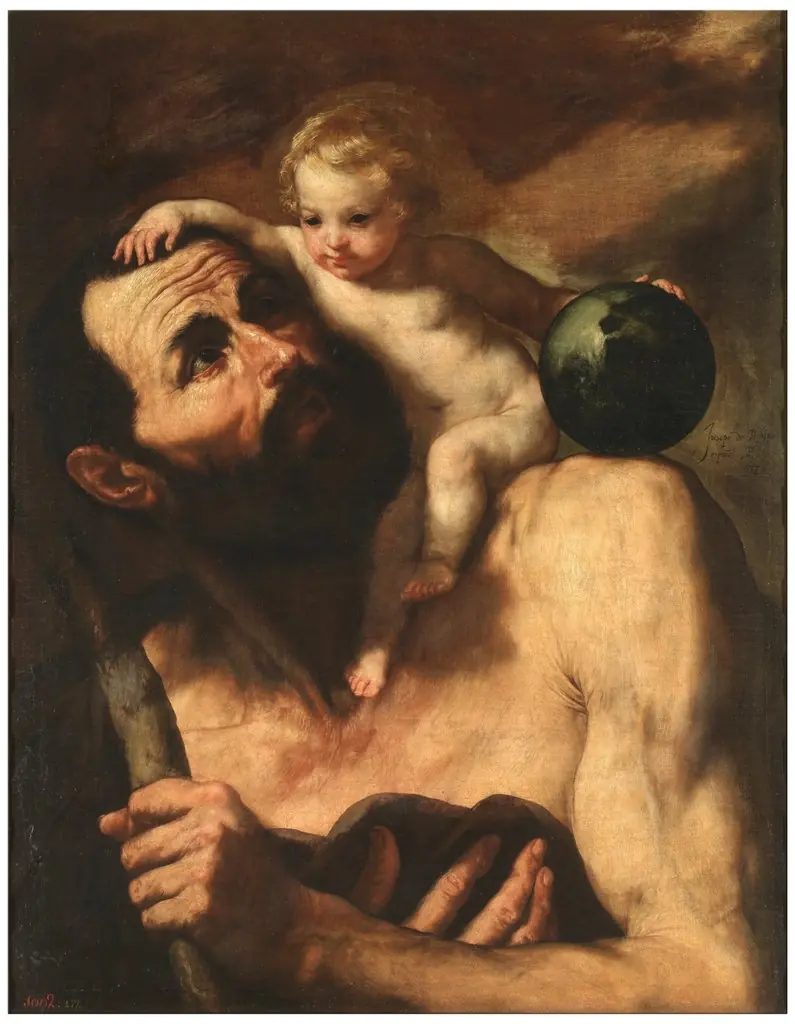
Saint Christopher is an oil painting by the Mannerist artist Orazio Borgianni. It dates from 1593 and is held in the collection of the Museo del Prado.
About this work
Overview
It reflects the transitional artistic climate of late 16th-century Italy, where traditional forms were being reinterpreted with heightened emotional intensity.
Orazio Borgianni painted Saint Christopher in 1593 using oil on panel. The work belongs to the collection of the Museo del Prado in Madrid. Borgianni, trained in Rome and influenced by both Mannerist and emerging Baroque styles, produced this piece during his early career, before his later return to Rome. It reflects the transitional artistic climate of late 16th-century Italy, where traditional forms were being reinterpreted with heightened emotional intensity.
Subject & Meaning
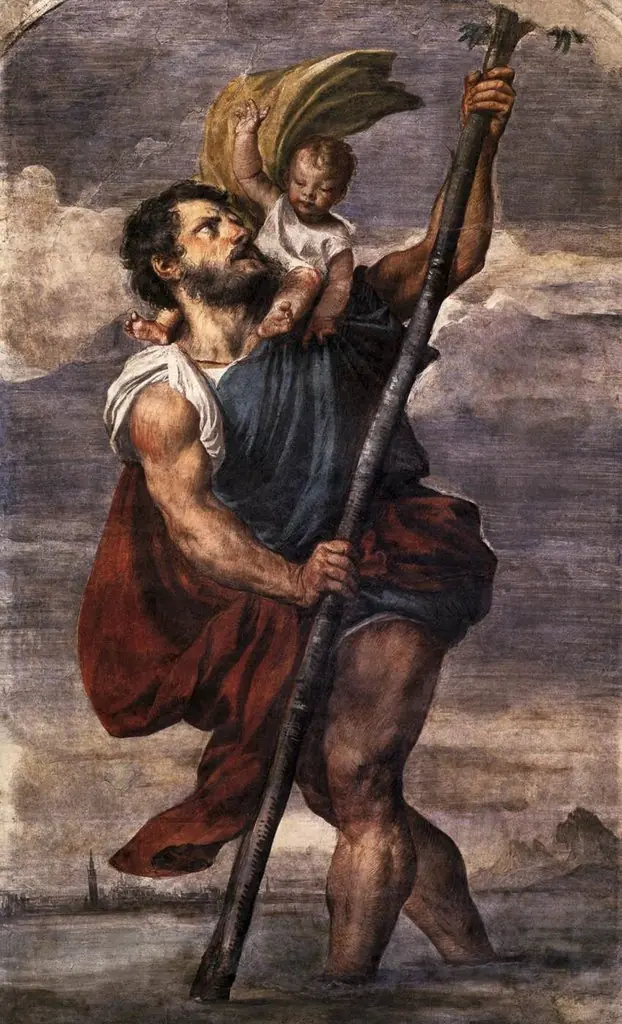
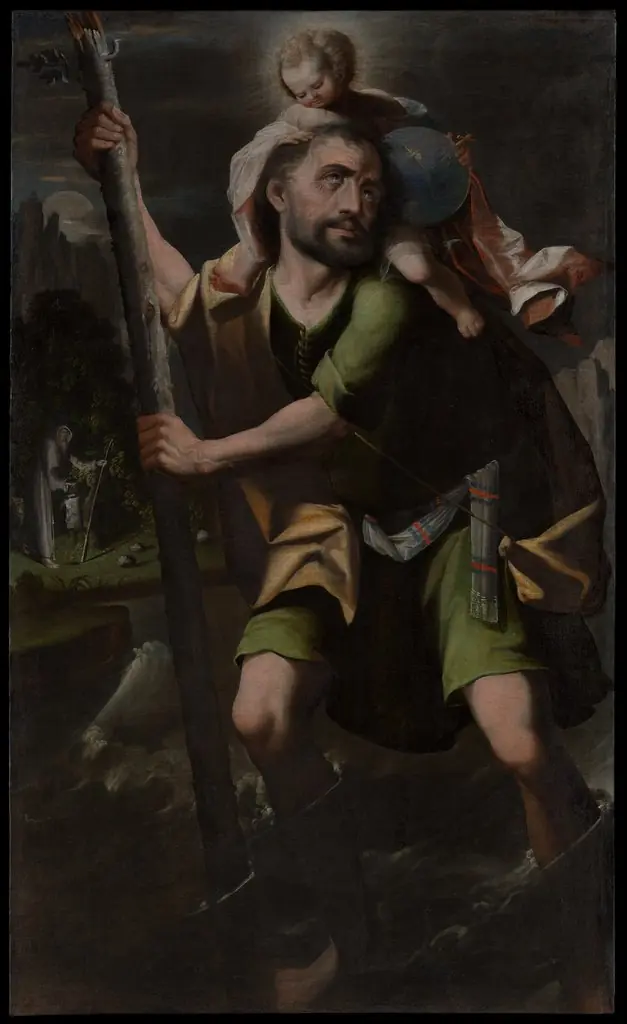
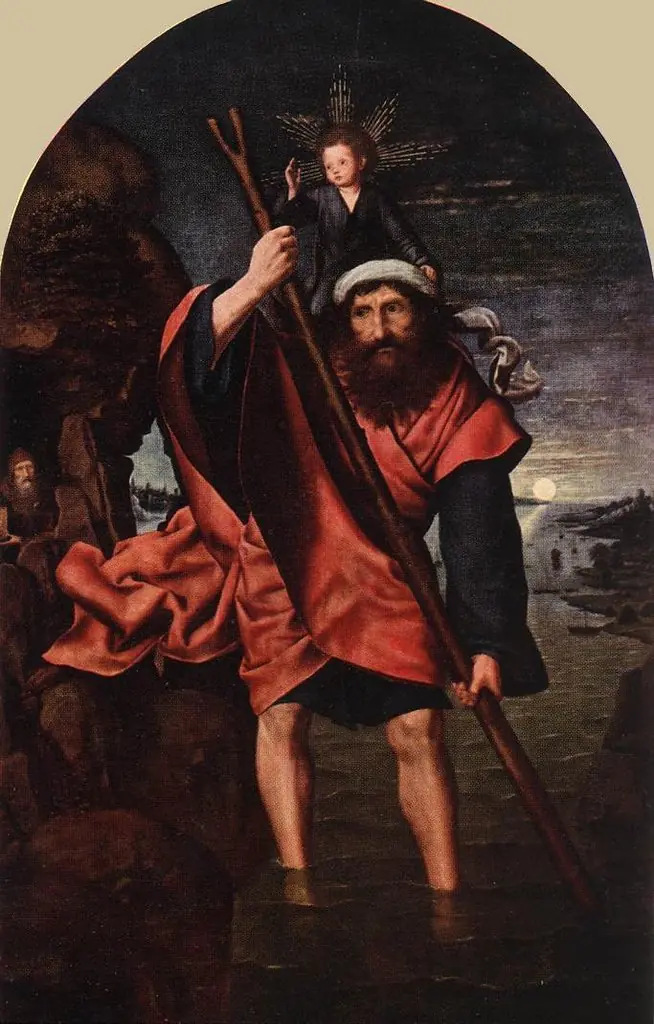
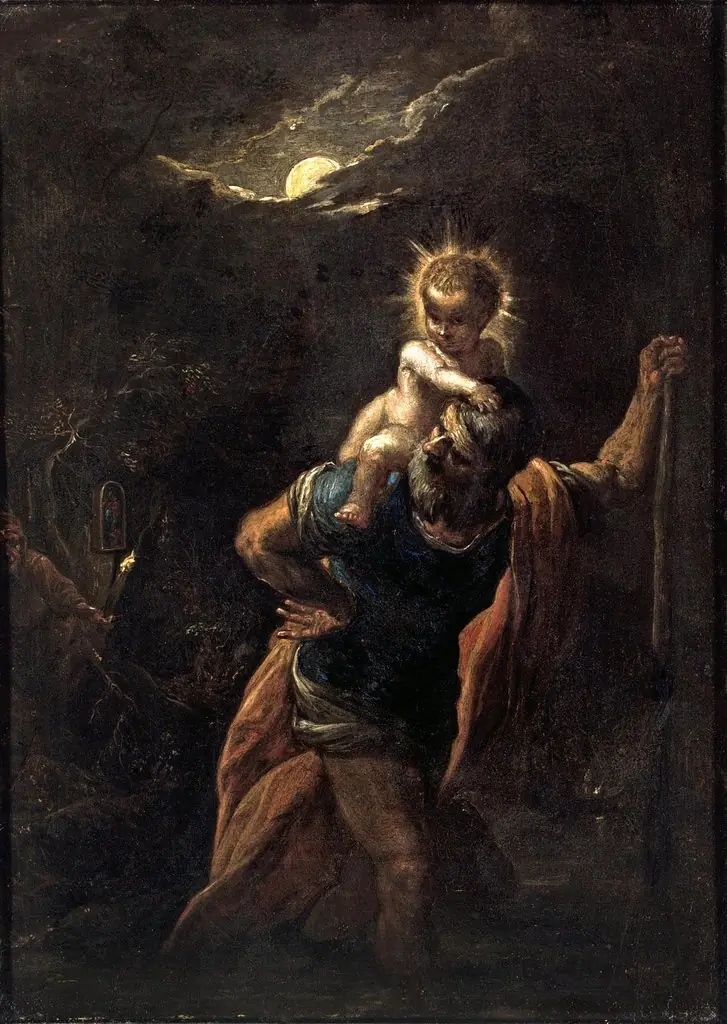
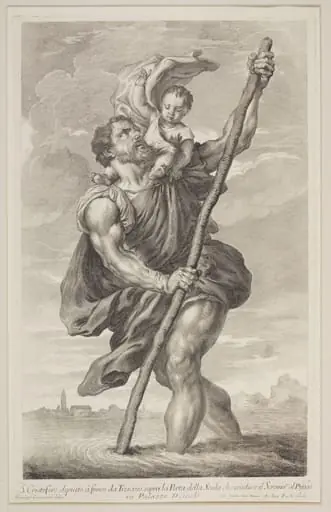
The painting depicts Saint Christopher, the patron saint of travelers, carrying the Christ Child across a turbulent river. The child, small and luminous atop the staff, symbolizes divine burden and faith. Christopher’s upward gaze suggests divine revelation, aligning with hagiographic tradition. The stormy sea and jagged rocks evoke peril, reinforcing the saint’s role as protector in times of danger, a theme resonant with pilgrims and seafarers of the era.
Technique & Style
Borgianni employs chiaroscuro to model the saint’s muscular form, contrasting sharply lit skin and fabric against a dark, atmospheric background. The elongated proportions and exaggerated musculature reflect Mannerist conventions, while the dynamic swirl of the cape and clouds introduce a sense of movement. The lighting is theatrical, drawing focus to the saint’s face and the Christ Child, enhancing spiritual narrative through controlled illumination rather than naturalism.
History & Provenance
Borgianni traveled to Spain under the patronage of Philip II, where he likely encountered Spanish devotional traditions before returning to Rome. The painting’s presence in the Prado suggests it entered the Spanish royal collection during or shortly after his time in Spain. Its survival through centuries reflects its continued value as a devotional object, though its exact early ownership remains undocumented beyond its inclusion in royal inventories.
Context
Created during a period of religious reform and artistic experimentation, the painting responds to Counter-Reformation demands for emotionally engaging sacred imagery. While rooted in Mannerist aesthetics, its dramatic lighting and physical presence anticipate Baroque tendencies. Borgianni’s synthesis of northern European naturalism and Italian compositional rigor reveals the cross-cultural exchanges shaping Italian art at the turn of the 17th century.
Legacy
Though Borgianni is less widely known than his contemporaries, Saint Christopher exemplifies his skill in blending expressive form with spiritual gravity. The painting contributes to understanding how regional styles merged in the late Mannerist period. Its preservation in a major public collection ensures continued study of transitional techniques and devotional iconography in early Baroque Italy.
Own this work as a print
Artist & collection
Artist
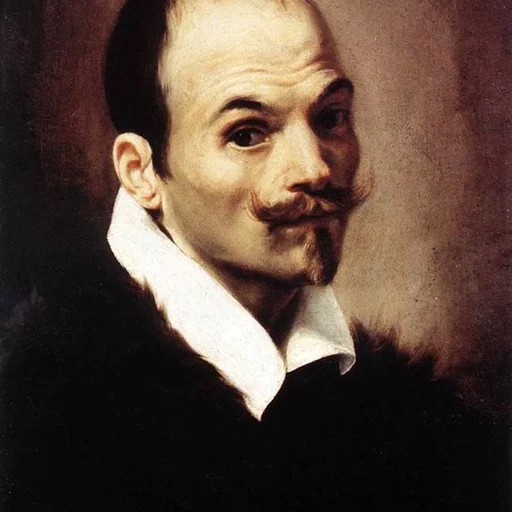
Orazio Borgianni (6 April 1574 – 14 January 1616) was an Italian painter and etcher of the Mannerist and early-Baroque periods.