Artwork
Executioner with the Head of John the Baptist
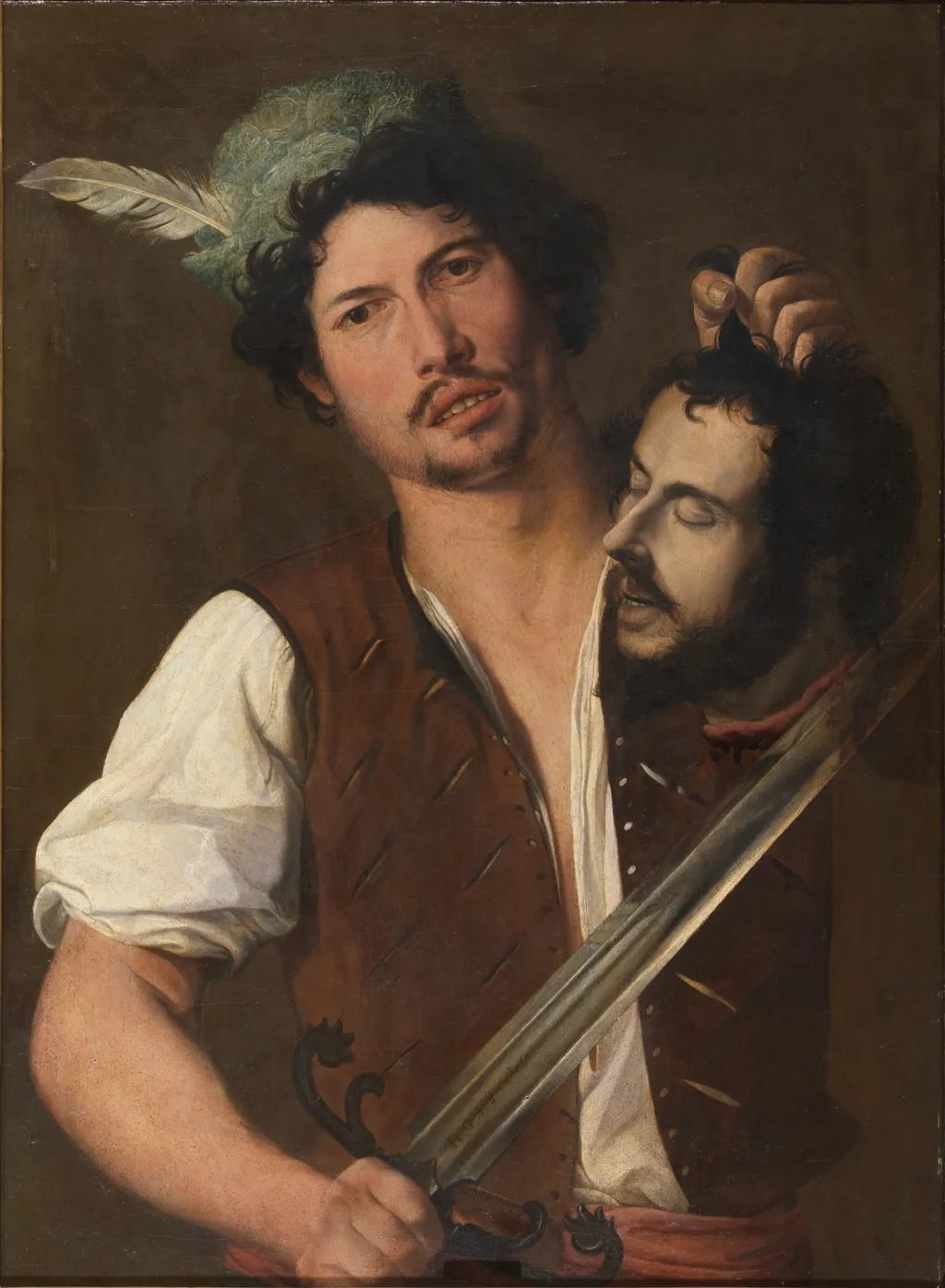
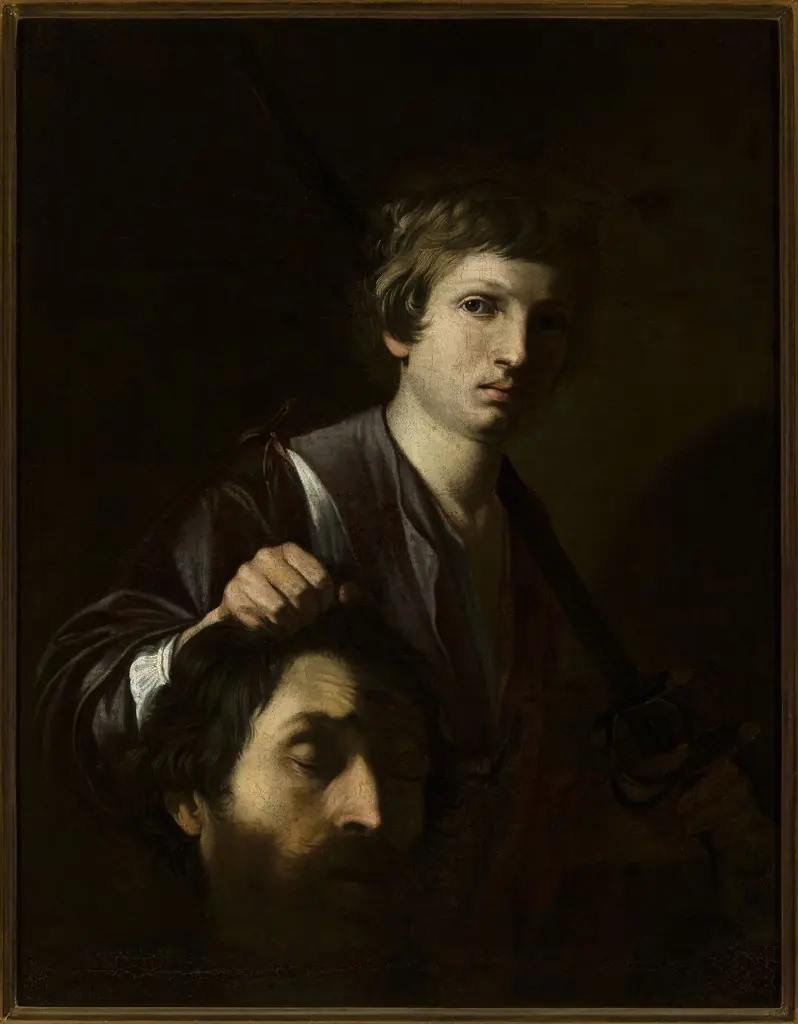
Executioner with the Head of John the Baptist is an oil painting by the Early Baroque Italian artist Orazio Gentileschi. It dates from 1612 and is held in the collection of the Museo del Prado.
About this work
Overview
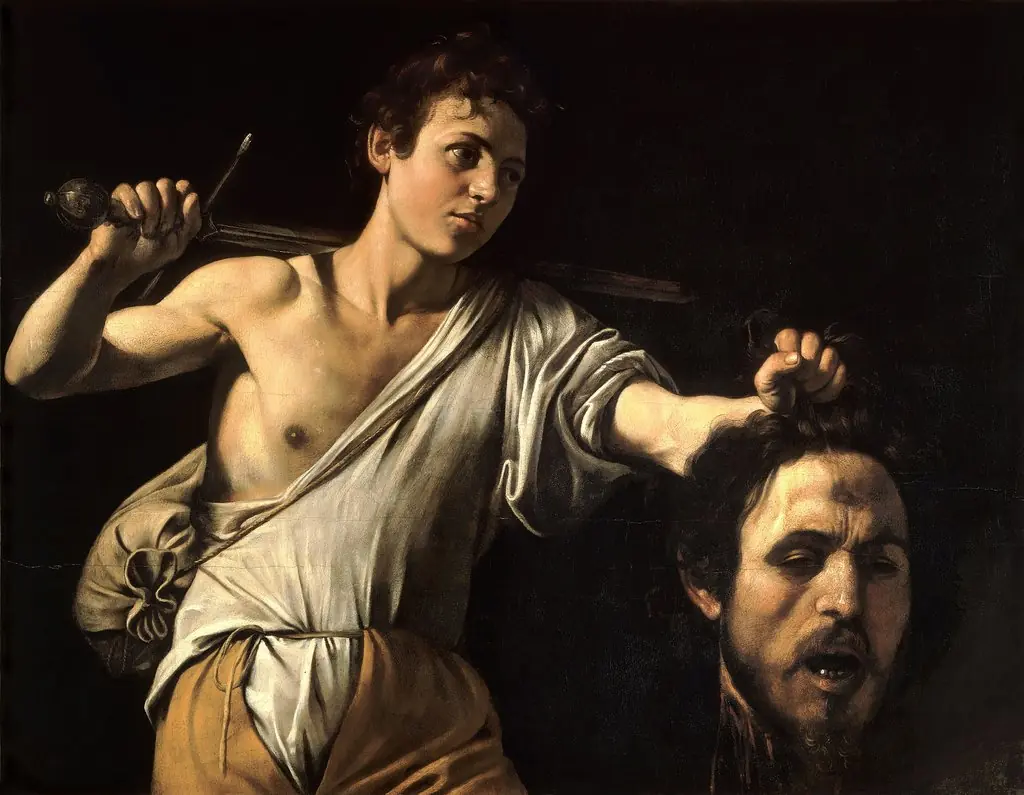
Executed in 1612, this oil painting by Orazio Gentileschi presents a stark scene of an executioner clutching a sword that bears a severed head. The composition isolates the two figures against a deep, shadowed backdrop, emphasizing the physical tension of the moment. The work belongs to the collection of the Museo del Prado in Madrid.
Subject & Meaning
The central figure is an executioner, his hair adorned with a feather, dressed in a brown vest over a white shirt, his expression taut. He supports the beheaded head of John the Baptist, whose closed eyes convey a sense of finality. While the biblical identity is clear, the painting foregrounds the brutal reality of martyrdom rather than devotional sentiment.
Technique & Style
Gentileschi employs a pronounced chiaroscuro, casting the figures in bright illumination while the surrounding space recedes into darkness. This handling of light and shadow reflects the influence of Caravaggio, marking a departure from the artist’s earlier Mannerist tendencies toward a more naturalistic, dramatic visual language characteristic of early Baroque painting.
History & Provenance
Born in Tuscany, Gentileschi transitioned to the Caravaggesque style after 1600, and this work exemplifies that shift. The painting entered the Museo del Prado’s holdings in the 20th century, where it remains on display as part of the museum’s Baroque collection, offering insight into the artist’s evolving approach to religious narrative.
Own this work as a print
Artist & collection
Artist
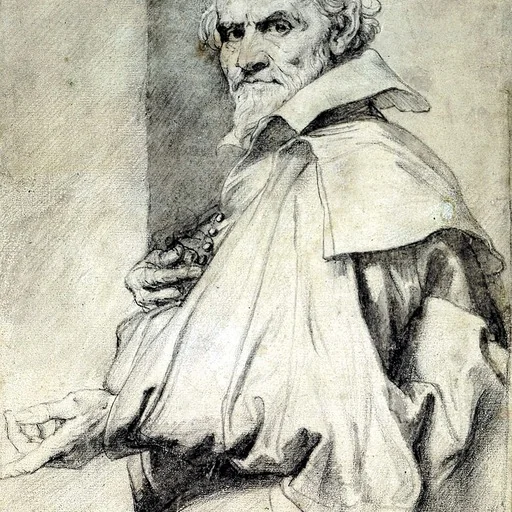
Orazio Lomi Gentileschi (Italian pronunciation: ; 1563 – 7 February 1639) was an Italian painter.