Artwork
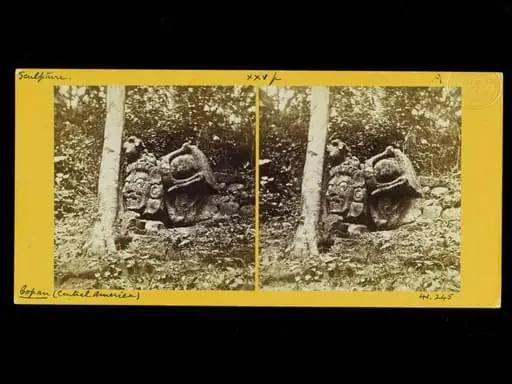
Sculptured stones with faces on one side and hollowed at the top
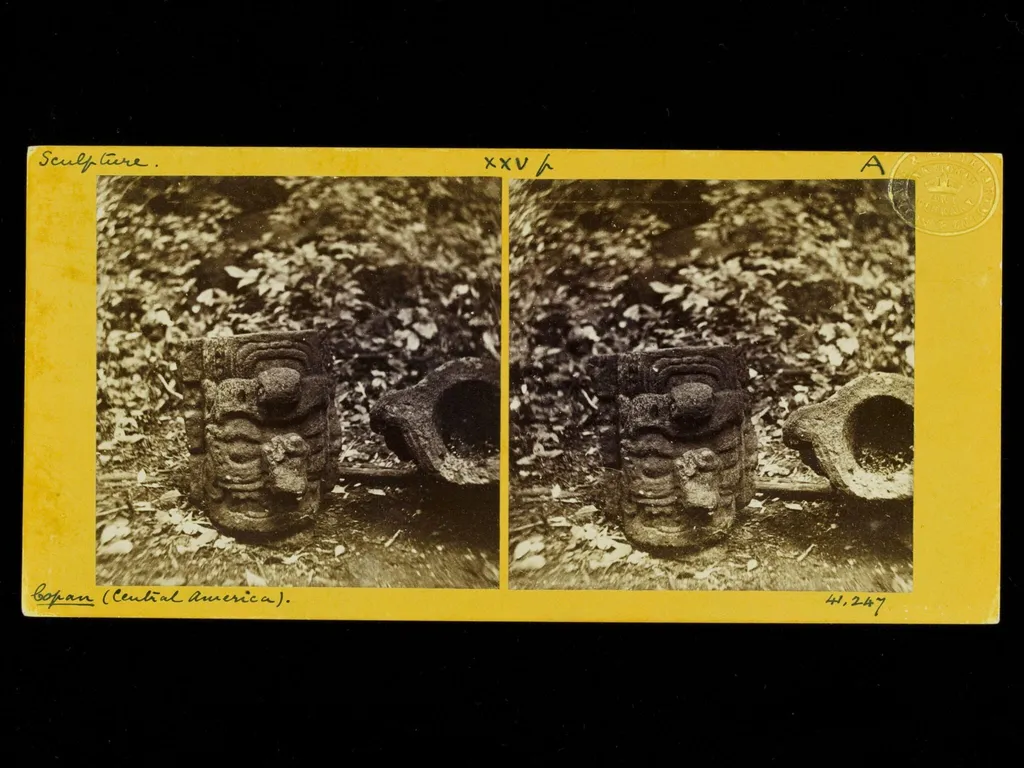
Sculptured stones with faces on one side and hollowed at the top is a photographic photography by the Impressionist artist Osbert Salvin. It dates from 1861 and is held in the collection of the Victoria and Albert Museum.
About this work
Overview
The image is a stereoscopic photograph taken in 1861 by naturalist Osbert Salvin. It records two stone objects discovered near the Maya site of Copán in present‑day Honduras. Each stone bears a single carved face on one side and a hollow cavity at the top, and both are partially buried in the surrounding soil.
Subject & Meaning
The carved faces display simplified, rounded features—a pair of large eyes, a modest nose, and a straight‑lined mouth—suggesting a stylised representation of a human or deity. The hollowed tops may have functioned as receptacles, perhaps for offerings or ritual substances, though their exact purpose remains uncertain.
Technique & Style
The stones are worked from local limestone, with the facial relief executed by shallow carving that leaves the surrounding surface relatively rough. Weathering and growth of moss or lichen on the stone surfaces indicate long exposure to the tropical environment.
History & Provenance
Salvin’s photograph forms part of a numbered series documenting Copán’s archaeological remains, each print mounted on a yellow card that records the stones’ dimensions and a brief title. The original negatives were produced in the mid‑19th century, a period of early scientific exploration in Central America.
Context
These sculptured stones belong to the broader material culture of the Classic Maya period, when portraiture and symbolic objects were integrated into ceremonial architecture and landscape features. Their discovery near Copán aligns with the city’s known emphasis on monumental stone carving.
Legacy
The photograph provides a rare visual record of the stones’ condition in the 1860s, offering scholars a baseline for assessing subsequent weathering and site disturbance. It also illustrates early photographic methods used to document archaeological sites, influencing later museum collections and research.
Artist & collection

Artist
Osbert Salvin was an English naturalist, ornithologist, and herpetologist best known for co-authoring Biologia Centrali-Americana (1879–1915) with Frederick DuCane Godman.

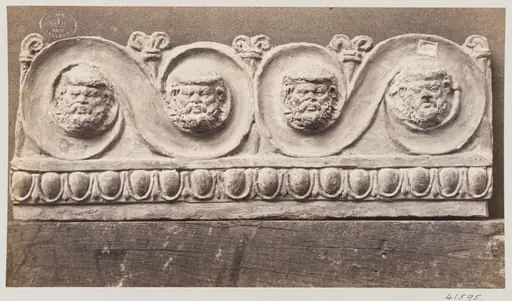 Bas-relief scroll with four masques in terra cotta
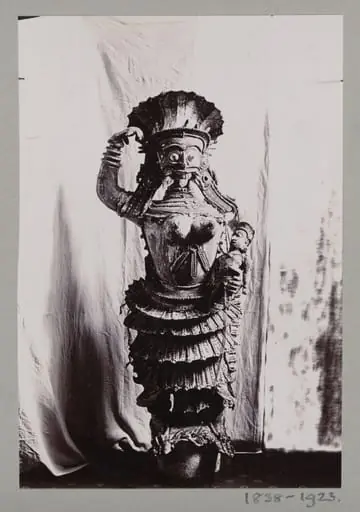 Carved wood sculpture, Goddess, Javanese (?)
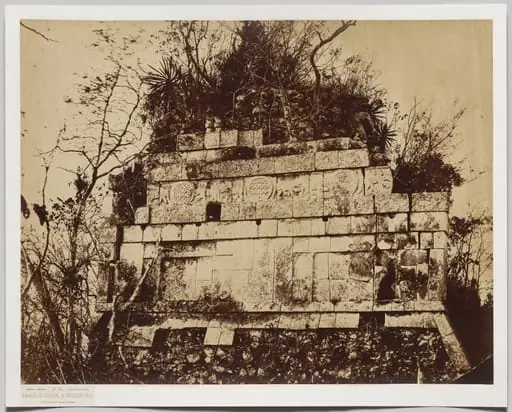 Palace of the Circus at Chicen-Itza (bas relief of tigers)
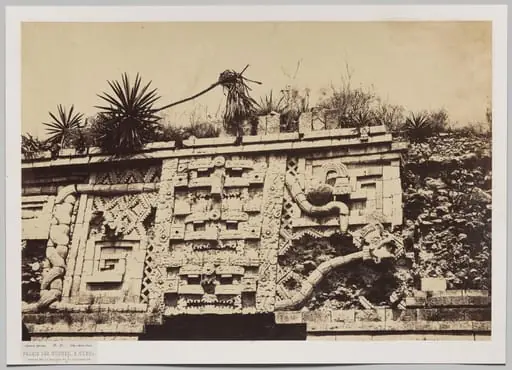 Palace of the Nuns at Uxmal (detail from the façade of the snake)
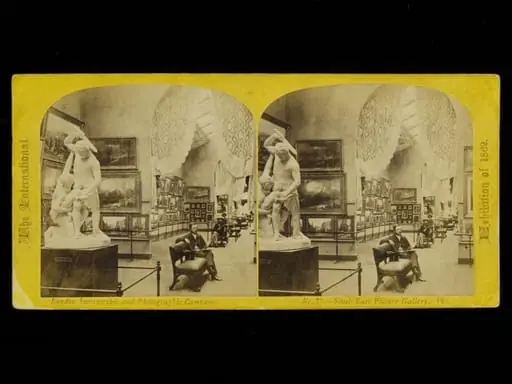 Stereoscopic photograph of the 1862 International Exhibition
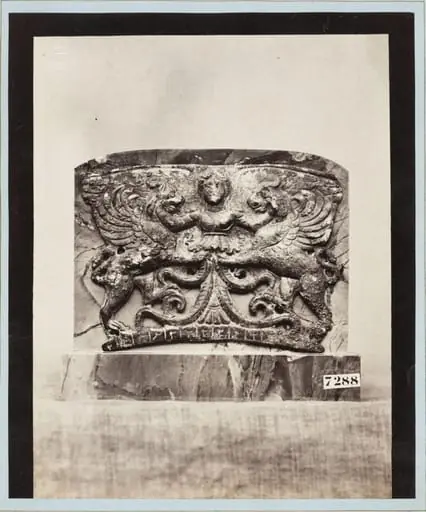 Antique bronze appliqué
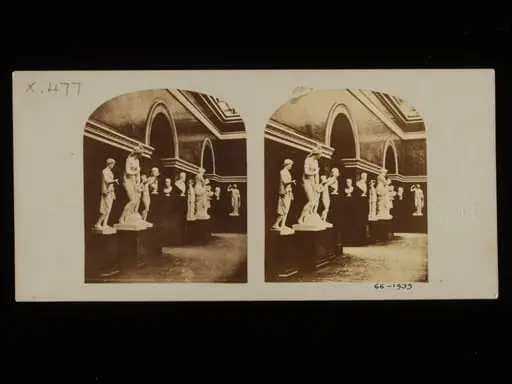 The Gallery of Greek Sculpture at Crystal Palace
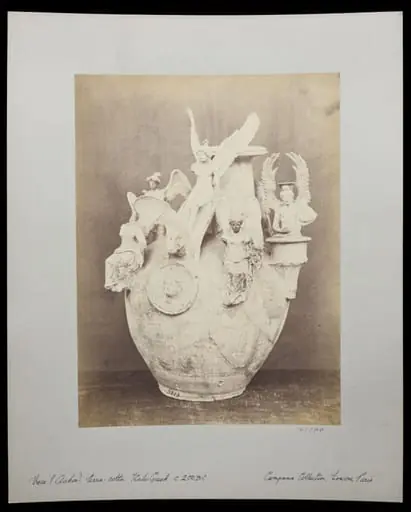 Perfume Burner in terra cotta
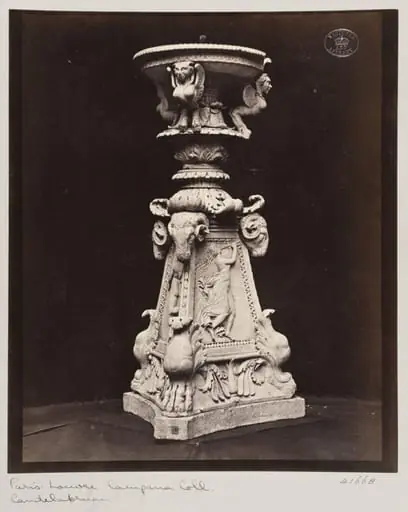 Marble sculptured fountain
 Buttermere, Cumberland : Evening
 Head with other sculptured stones
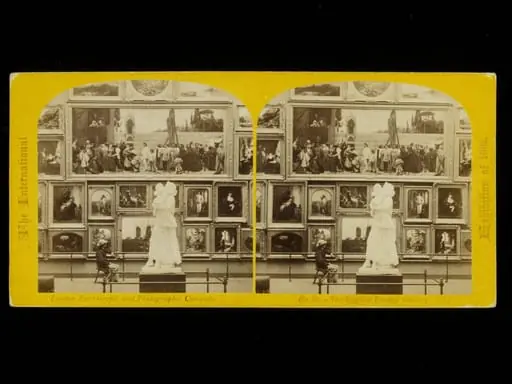 The International Exhibition of 1862: No. 27 - The English Picture Gallery (1)