Artwork
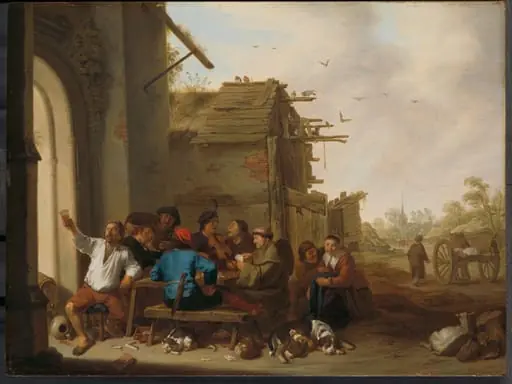
Scene in a tavern
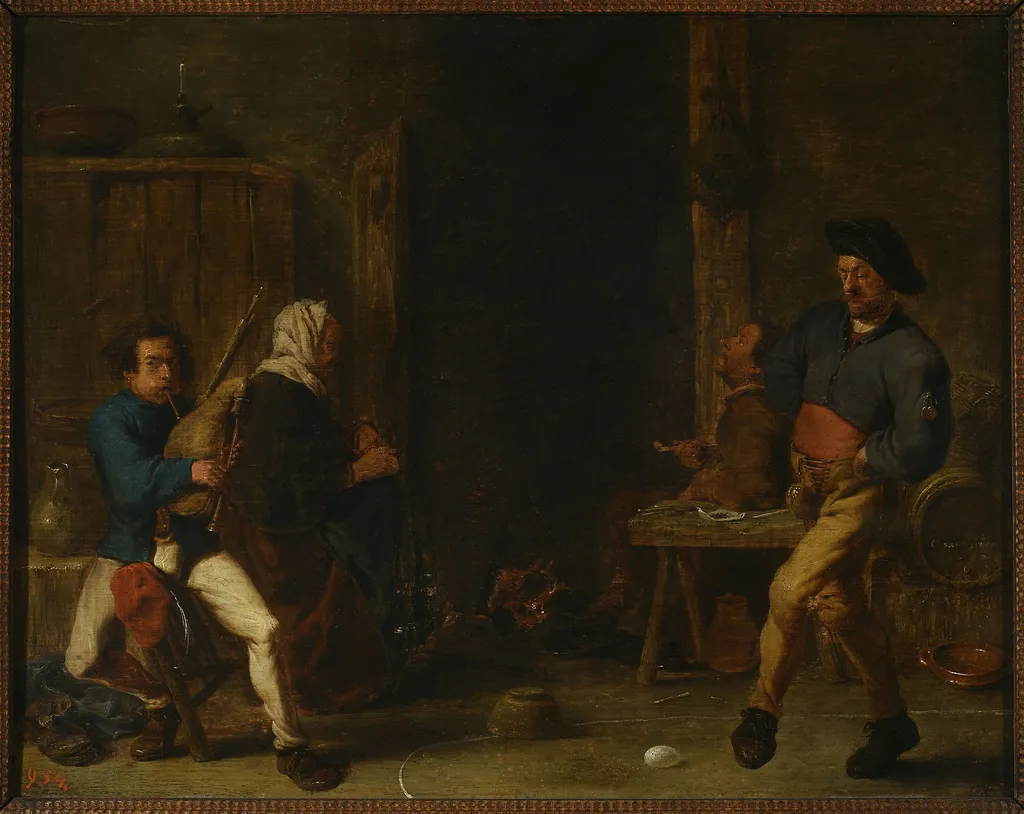
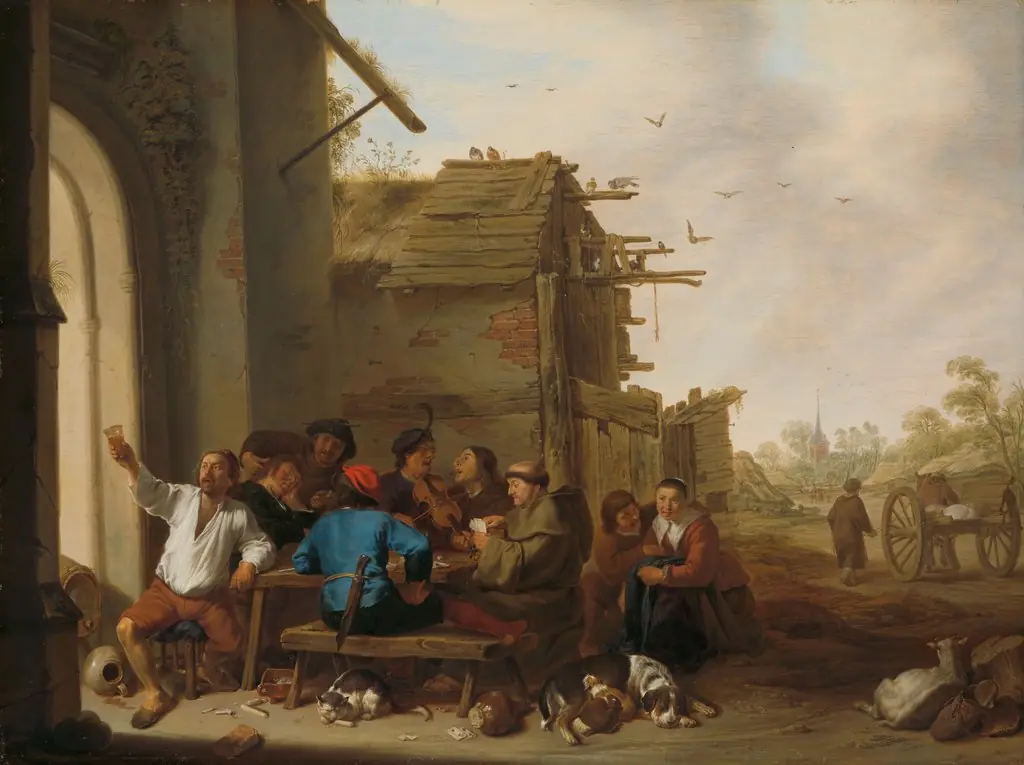
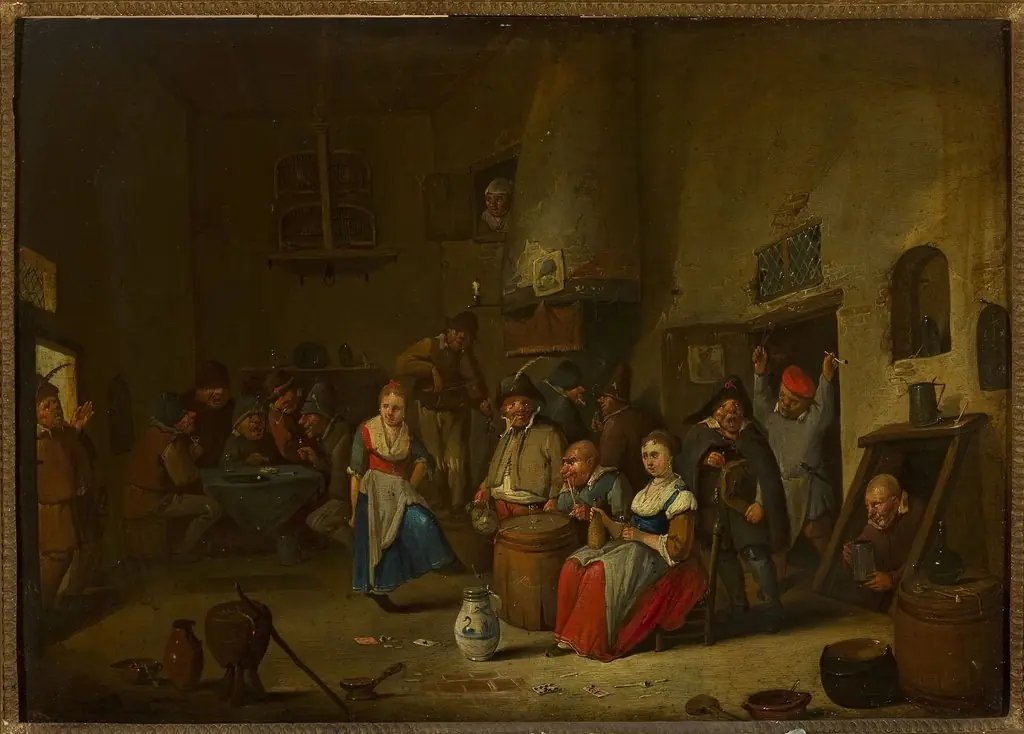
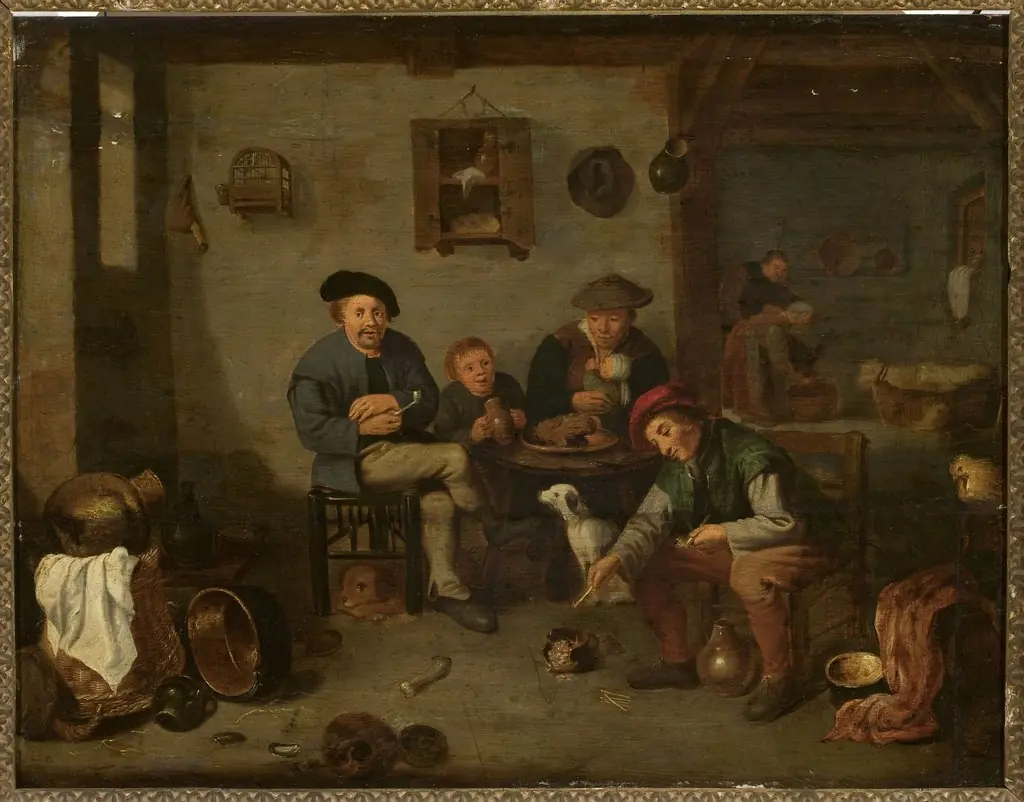
Scene in a tavern is an oil painting by the Dutch Golden Age artist Cornelis Saftleven. It dates from 1637 and is held in the collection of the National Museum in Warsaw.
About this work
Overview
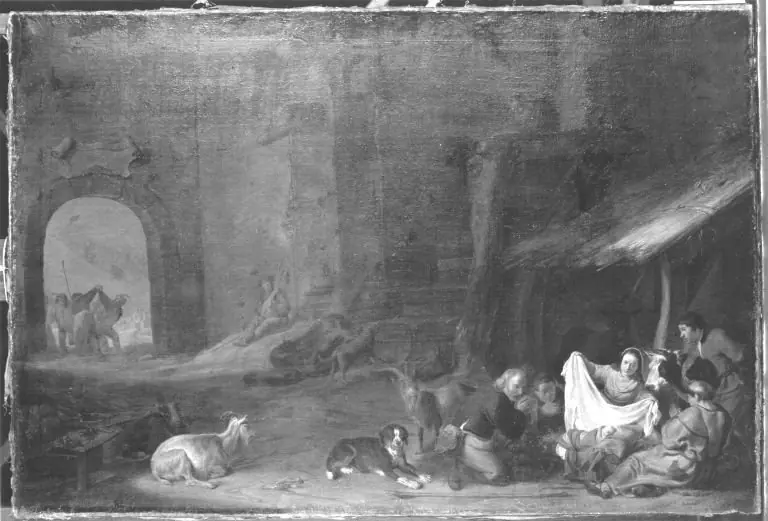
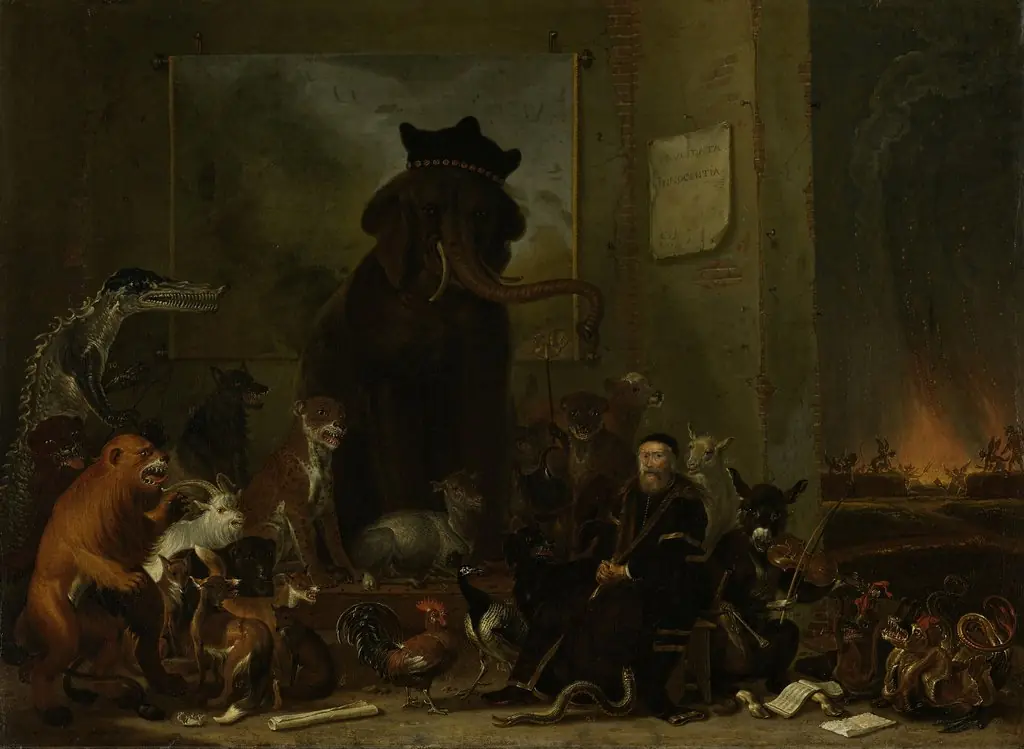
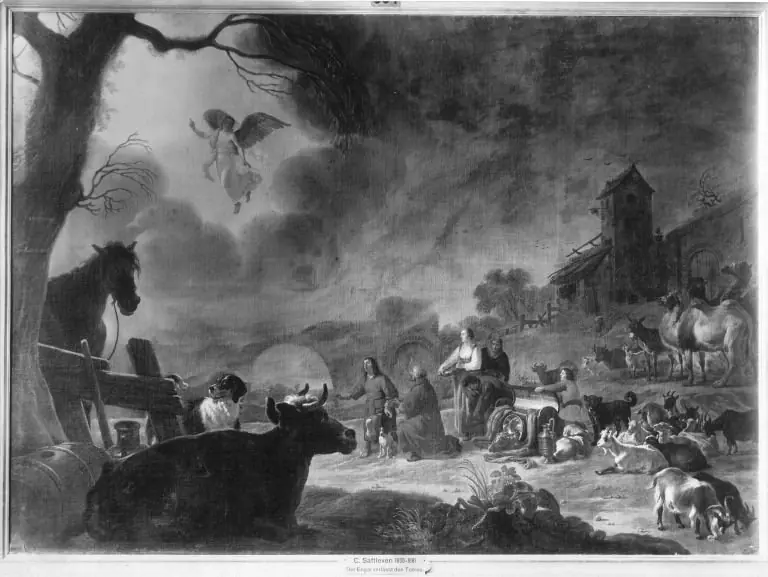
Painted in 1637 by Cornelis Saftleven, this oil-on-canvas work captures a moment of informal social interaction in a Dutch tavern. Saftleven, known for his varied genre scenes, rendered this interior with attention to naturalistic detail and atmospheric lighting. The painting resides today in the National Museum in Warsaw, where it stands as an example of mid-17th-century Dutch domestic imagery.
Subject & Meaning
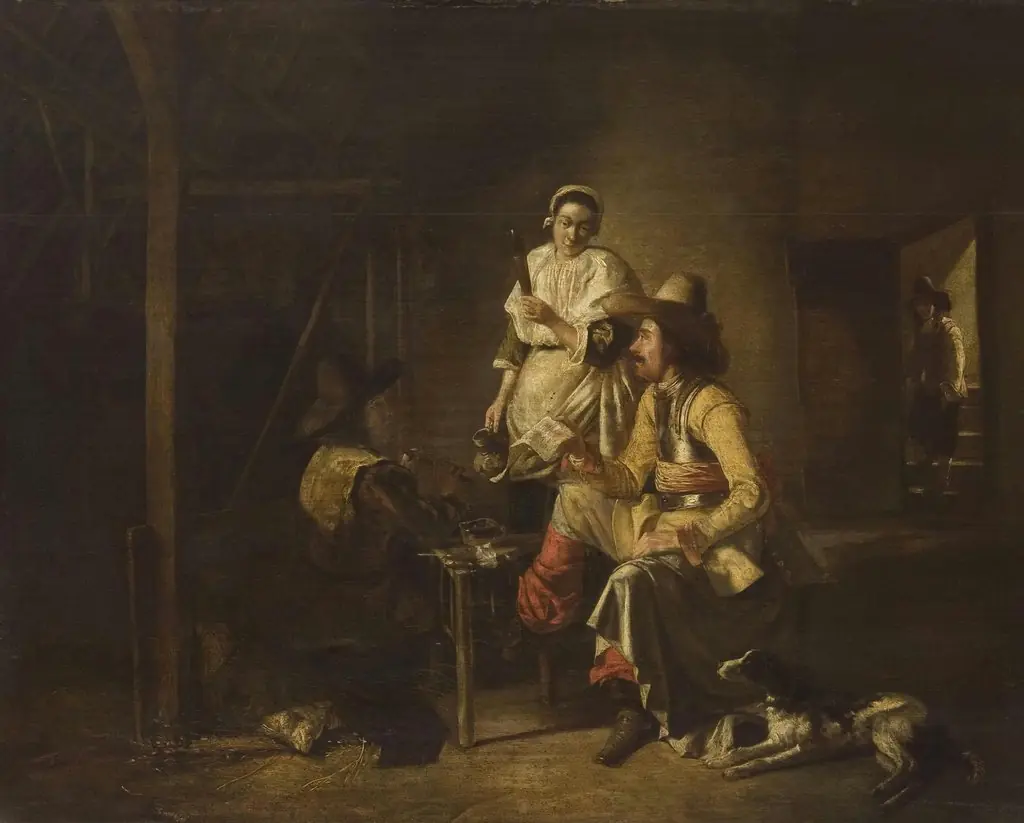
Four figures occupy the scene: a bagpipe player, a seated woman, a standing man observing, and a man at the table with a pipe. Their postures and proximity suggest camaraderie rather than formal ritual. The absence of narrative climax or moralizing tone implies an unembellished portrayal of ordinary leisure, reflecting the Dutch interest in depicting everyday life without idealization.
Technique & Style
Saftleven employs chiaroscuro to model forms against the dim interior, with warmth concentrated near the hearth and fading into shadow elsewhere. Brushwork is loose yet deliberate, particularly in the rendering of fabric and facial expressions. The composition is asymmetrical, guiding the eye diagonally from the musician to the seated figures, reinforcing the spontaneity of the moment.
History & Provenance
The painting has been in the collection of the National Museum in Warsaw since at least the early 20th century. Its journey to Poland remains undocumented, but it likely entered the museum through acquisitions or donations during a period of expanded European art holdings. No significant alterations or restorations are recorded in public archives.
Context
During the Dutch Golden Age, tavern scenes became popular subjects among genre painters, reflecting broader societal interest in middle-class life. Unlike moralizing depictions of drunkenness common elsewhere, Saftleven’s work avoids judgment, instead emphasizing quiet conviviality. This aligns with a regional trend toward observational realism over didactic storytelling.
Legacy
Saftleven’s tavern scenes contributed to the evolution of Dutch genre painting by prioritizing mood over narrative. While less widely known than contemporaries like Rembrandt or de Hooch, his focus on intimate, unadorned moments influenced later artists interested in the quiet rhythms of daily life. This painting remains a quiet testament to the cultural value placed on ordinary social exchange.
Artist & collection
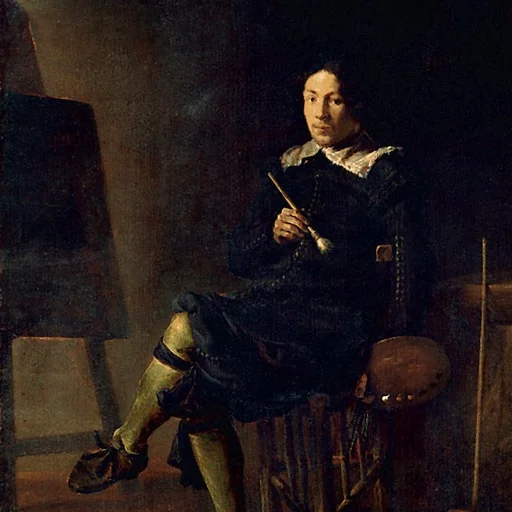
Artist
Cornelis Saftleven (c. 1607 in Gorinchem – 1 June 1681 in Rotterdam) was a Dutch painter who worked in a great variety of genres. Known in particular for his rural genre scenes, his range of subjects was very wide and…