Artwork
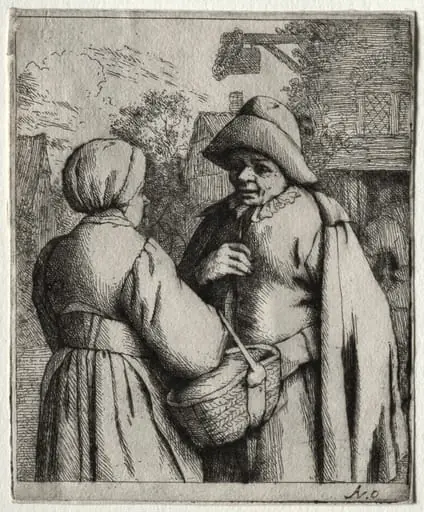
Two Peasant Women Conversing on a Village Street
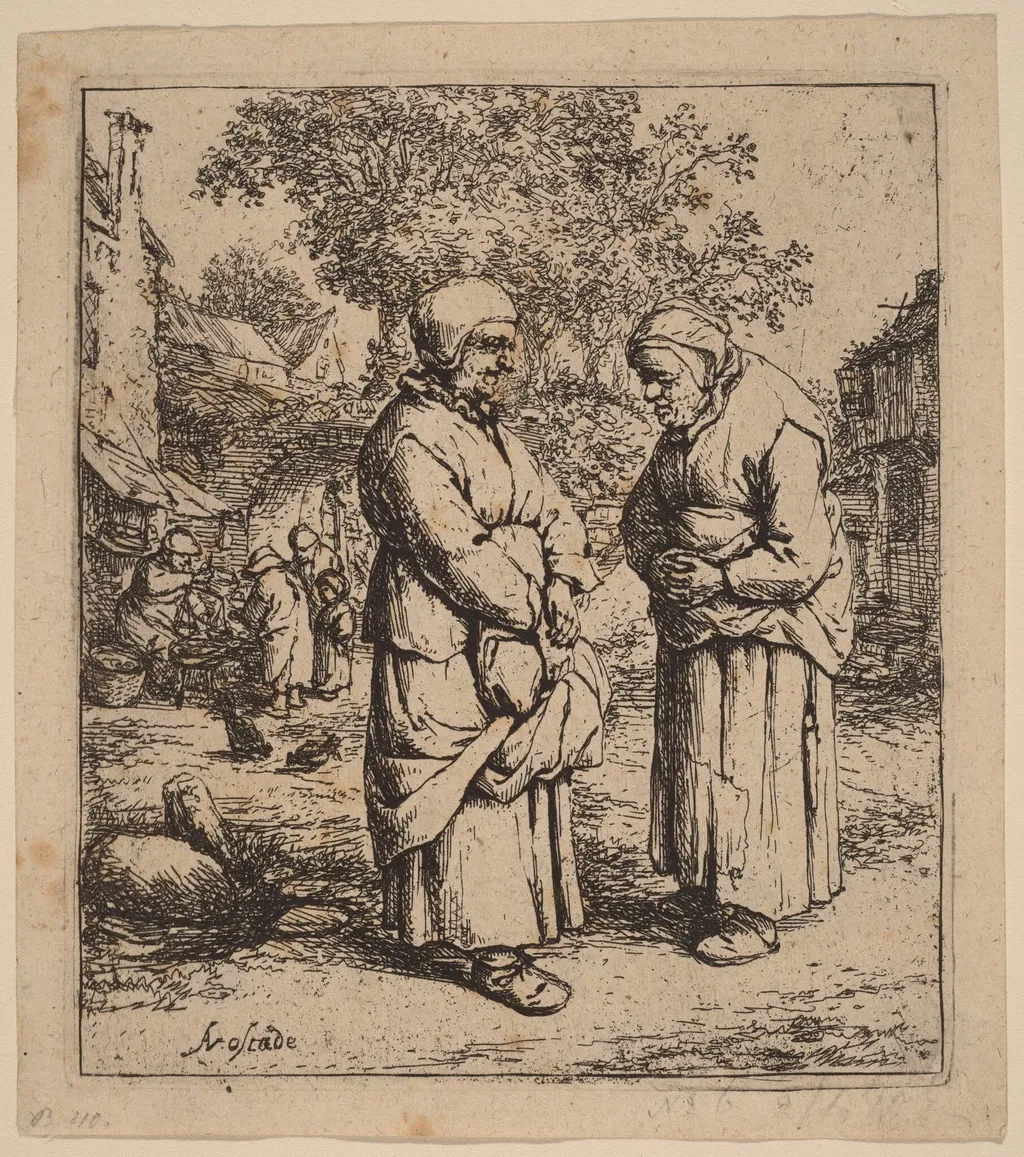
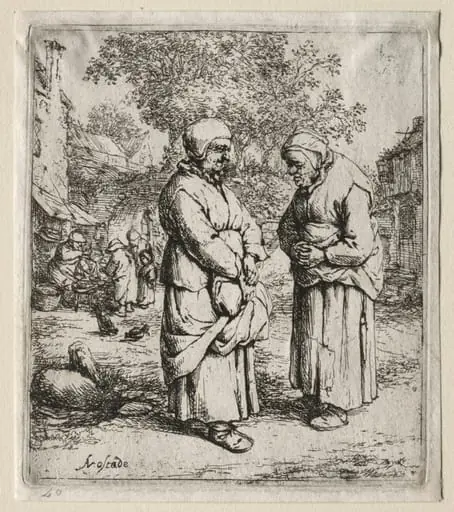
Two Peasant Women Conversing on a Village Street is an ink print by the Baroque artist Adriaen van Ostade. It dates from 1652 and is held in the collection of the National Gallery of Art.
About this work
Overview
Executed in etching with subtle drypoint accents on laid paper, it belongs to a body of work centered on unidealized rural life.
Created around 1652, this print by Adriaen van Ostade captures a quiet exchange between two peasant women on a rural street. Executed in etching with subtle drypoint accents on laid paper, it belongs to a body of work centered on unidealized rural life. Unlike grand historical or religious subjects, van Ostade chose moments of ordinary interaction, elevating the mundane through careful observation and refined technique.
Subject & Meaning
The two women, dressed in modest attire and carrying small baskets, engage in a private conversation, their gestures and postures suggesting familiarity and routine. There is no narrative climax or theatricality; the significance lies in the quiet dignity of their daily existence. Van Ostade presents them not as types but as individuals in a moment of unguarded connection, reflecting a broader interest in the emotional texture of peasant life.
Technique & Style
Van Ostade employed etching to define the figures and architecture, then added drypoint for richer, softer lines in folds of fabric and shadowed areas. The texture of the laid paper enhances the tactile quality of the scene, while the restrained ink tones emphasize atmosphere over detail. His line work is economical yet expressive, capturing movement and mood without embellishment, characteristic of his mature graphic style.
History & Provenance
The print was produced during van Ostade’s most active period in Haarlem, when he regularly created etchings alongside his paintings. While the exact early ownership is undocumented, it entered public collections in the 19th century as interest grew in Dutch genre prints. Its survival in good condition reflects its enduring appeal among collectors of Northern European graphic art.
Context
In mid-17th century Holland, genre scenes flourished as urban audiences sought representations of rural life, often idealized or sentimentalized. Van Ostade stood apart by avoiding caricature; his peasants are neither comic nor noble, but simply present. This print aligns with a broader cultural shift toward valuing everyday experience, supported by a growing market for affordable, intimate artworks.
Legacy
Van Ostade’s etchings, including this one, influenced later artists interested in naturalistic depictions of labor and social interaction. Though less celebrated than his paintings, these prints helped disseminate his vision of rural life across Europe. They remain important for their unembellished portrayal of ordinary people, offering a quiet counterpoint to the grander narratives of his time.
Artist & collection
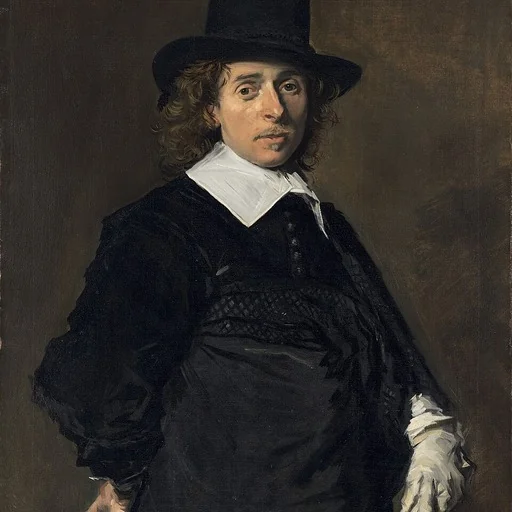
Artist
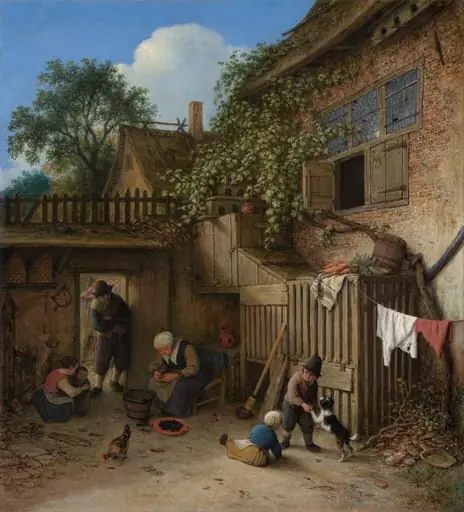
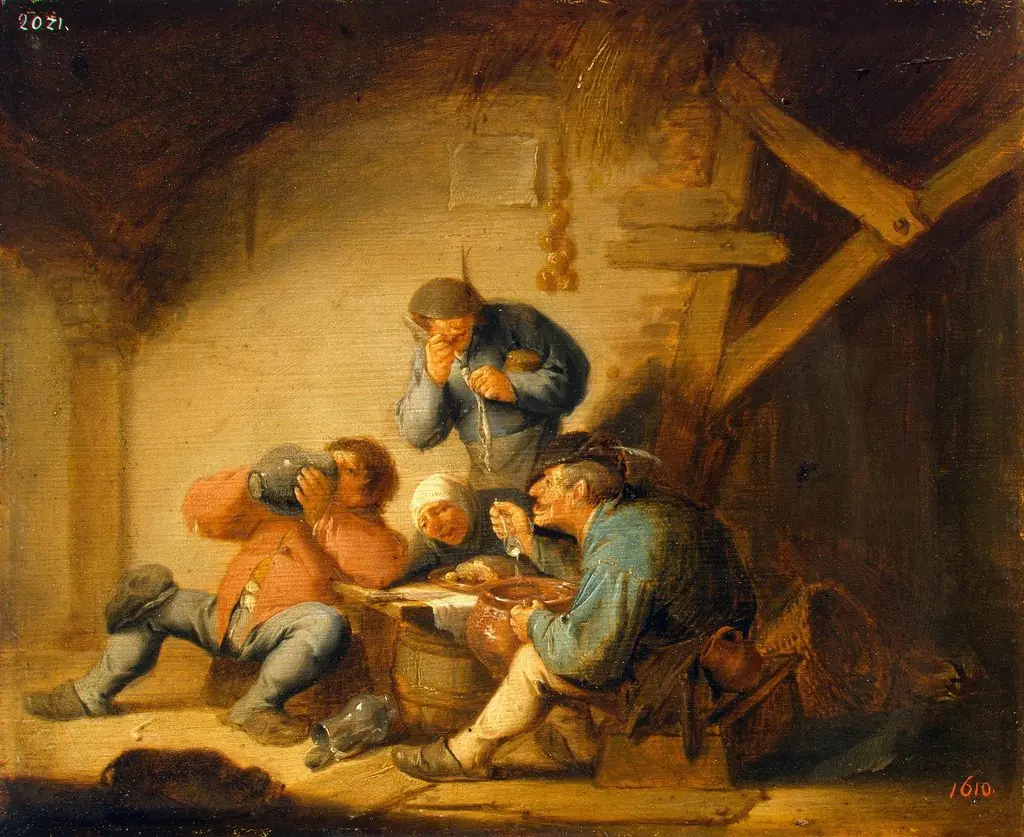
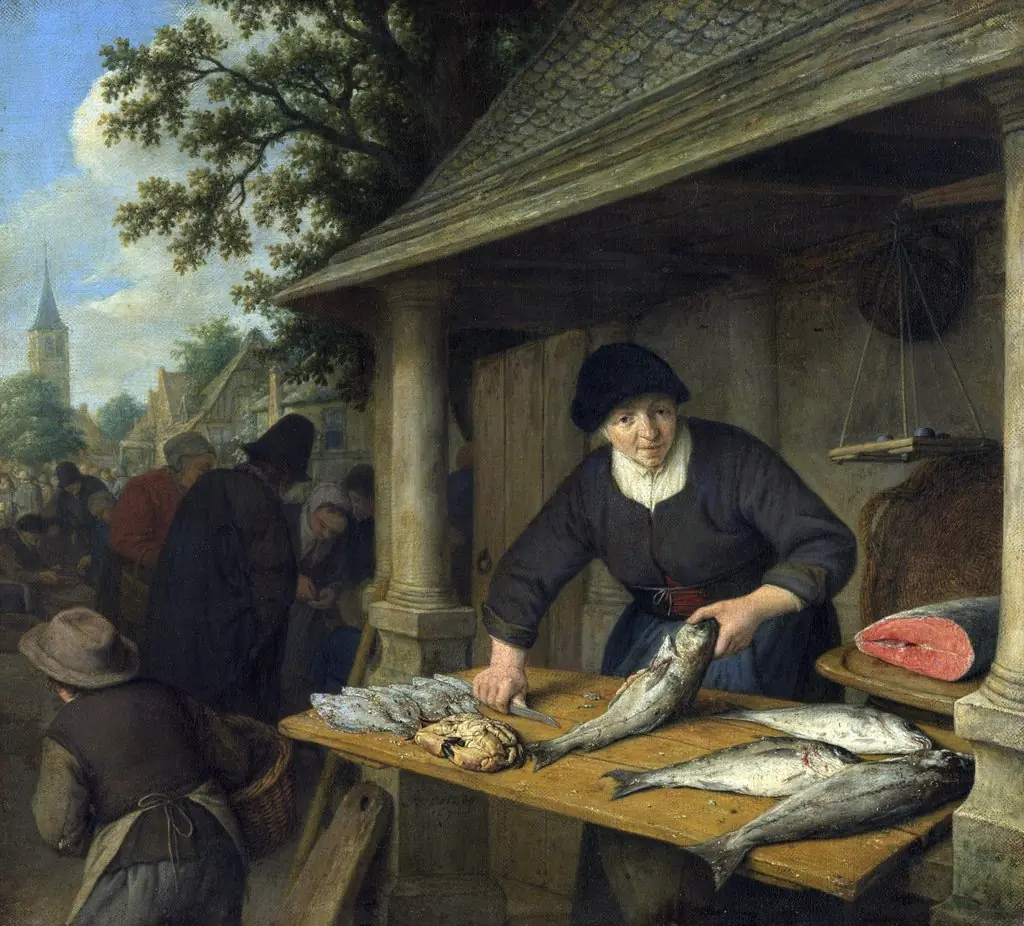
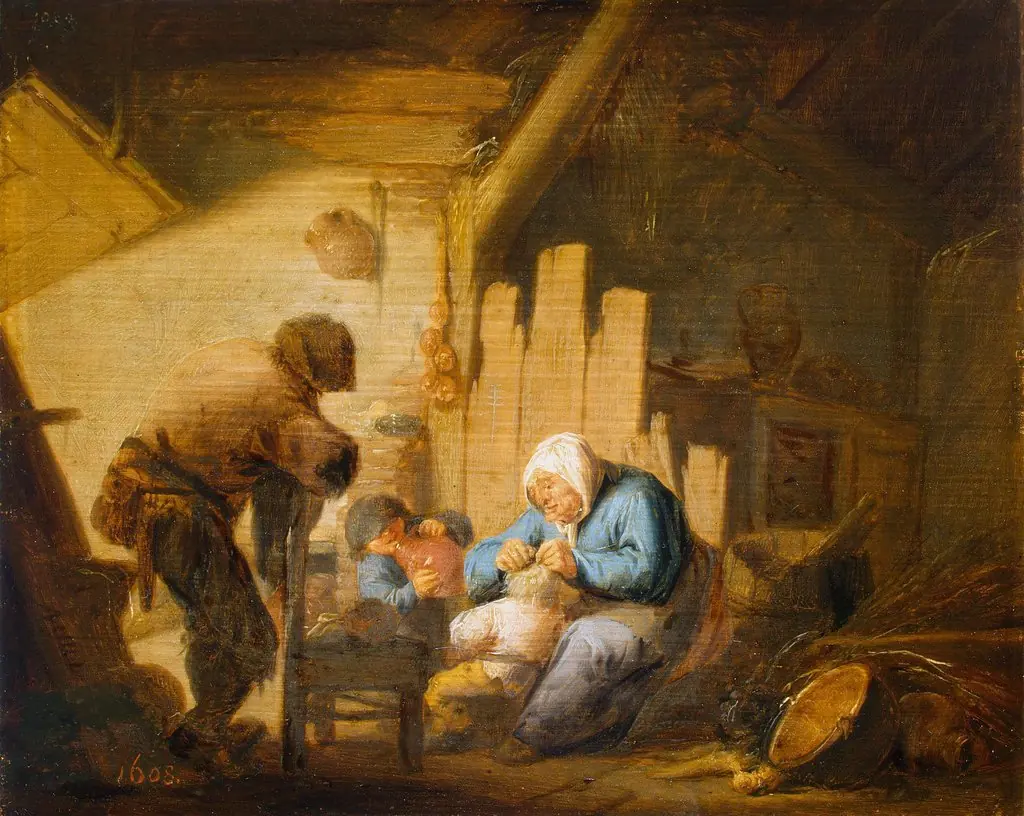
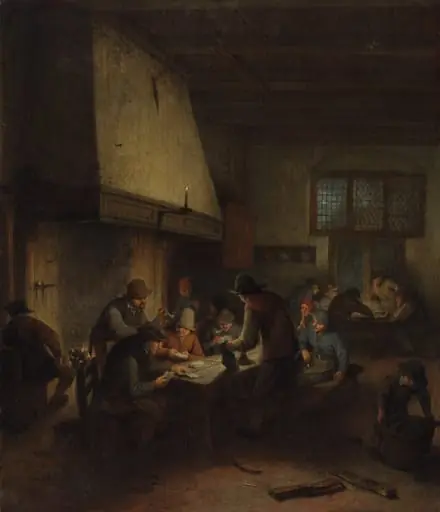
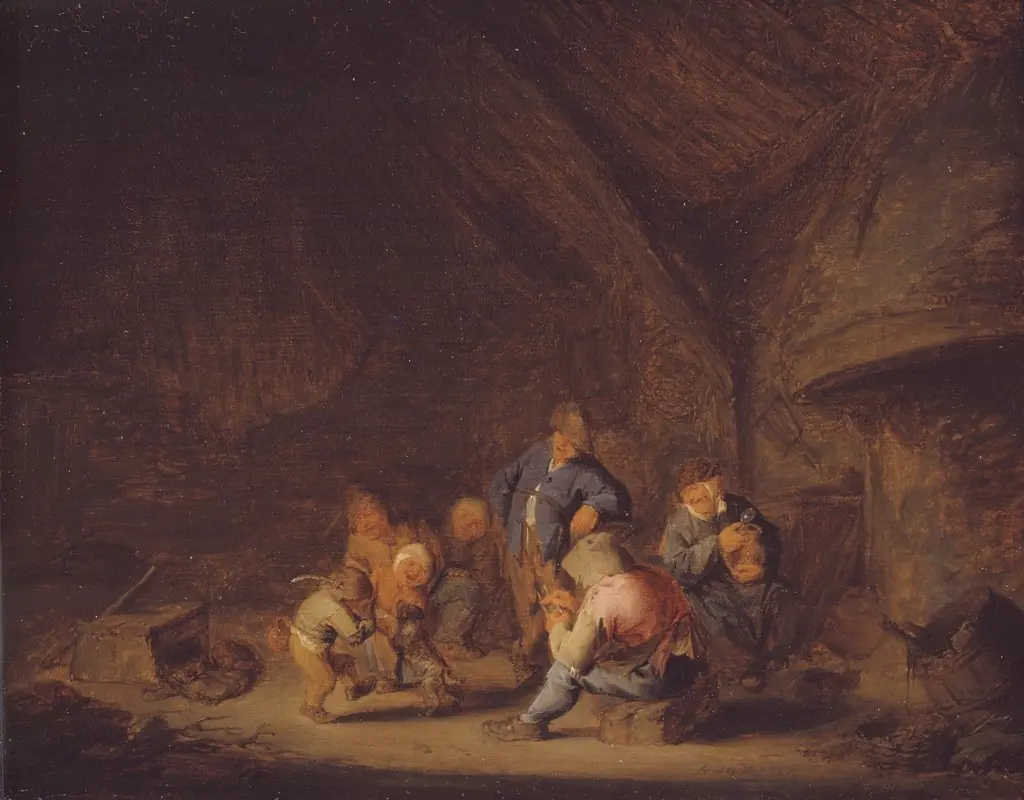
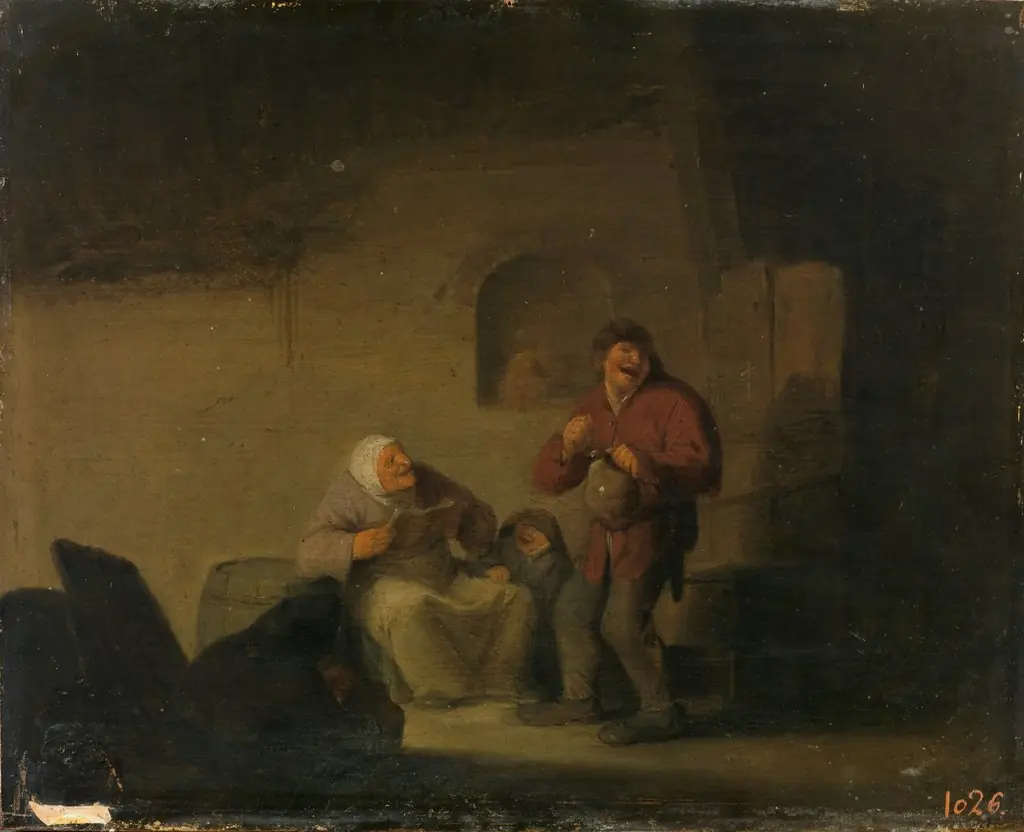
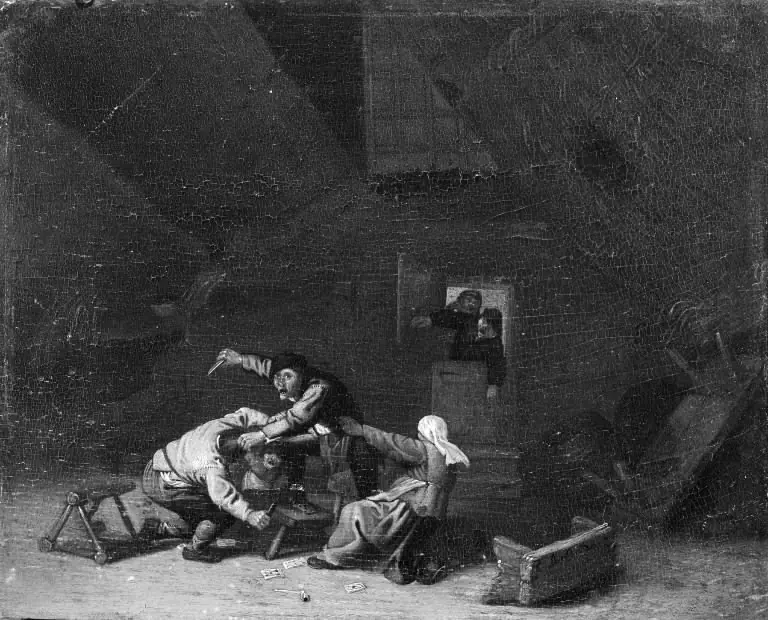
Adriaen van Ostade (baptized as Adriaen Jansz Hendricx 10 December 1610 – buried 2 May 1685) was a Dutch Golden Age painter of genre works, showing the everyday life of ordinary men and women.