Artwork
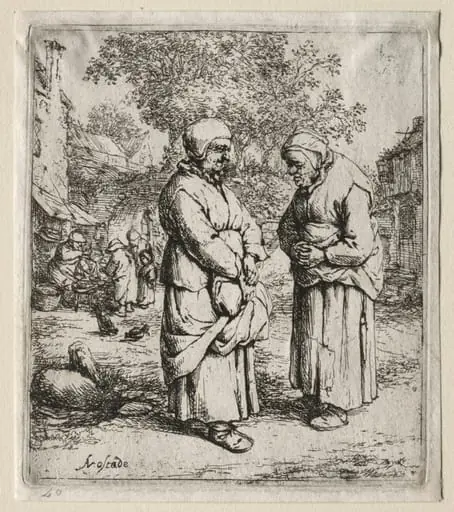
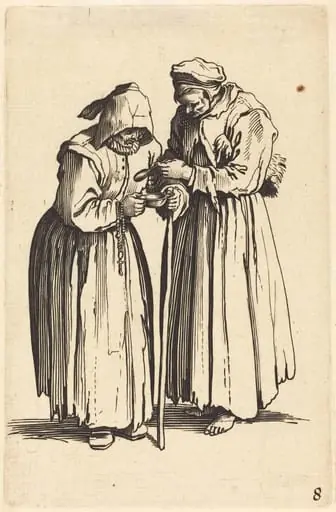
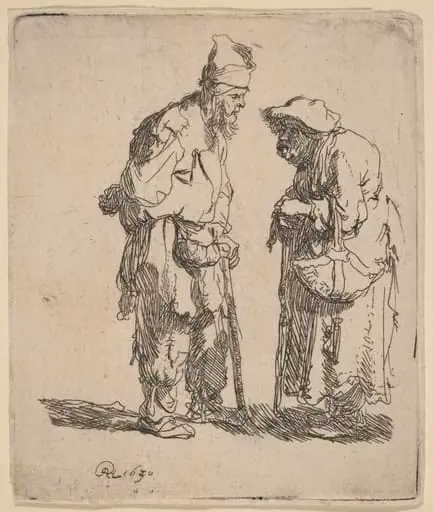
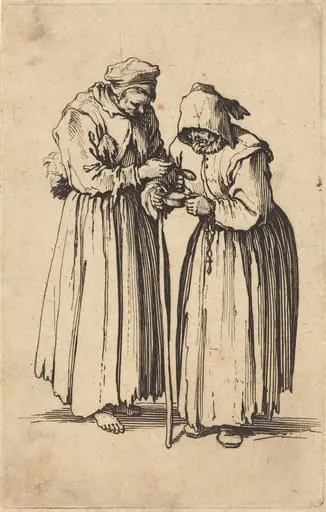
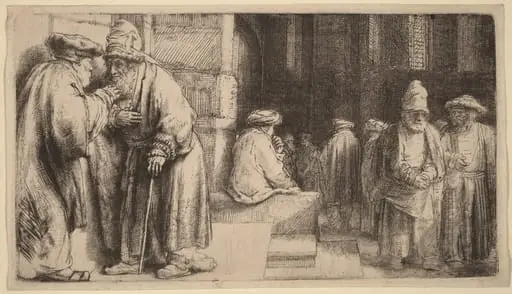
Two Peasant Women Conversing on a Village Street
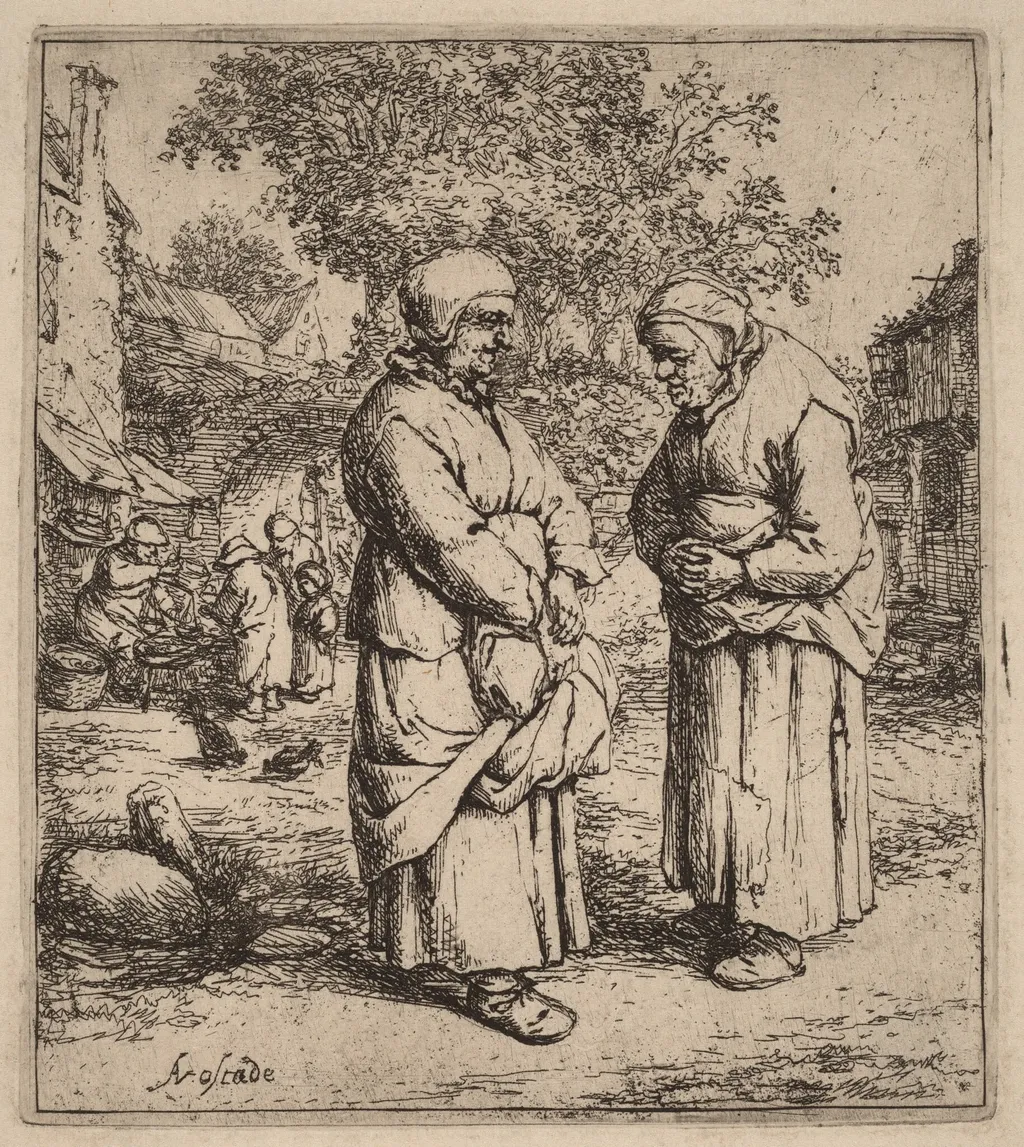
Two Peasant Women Conversing on a Village Street is an ink print by the Baroque artist Adriaen van Ostade. It dates from 1652 and is held in the collection of the National Gallery of Art.
About this work
Overview
Created around 1652, this etching by Adriaen van Ostade captures a quiet moment between two peasant women on a village street.
Created around 1652, this etching by Adriaen van Ostade captures a quiet moment between two peasant women on a village street. Executed in etching with subtle drypoint accents on laid paper, the work exemplifies the artist’s dedication to portraying rural life with restraint and attention to ordinary detail. The composition avoids theatricality, focusing instead on the quiet rhythm of daily interaction.
Subject & Meaning
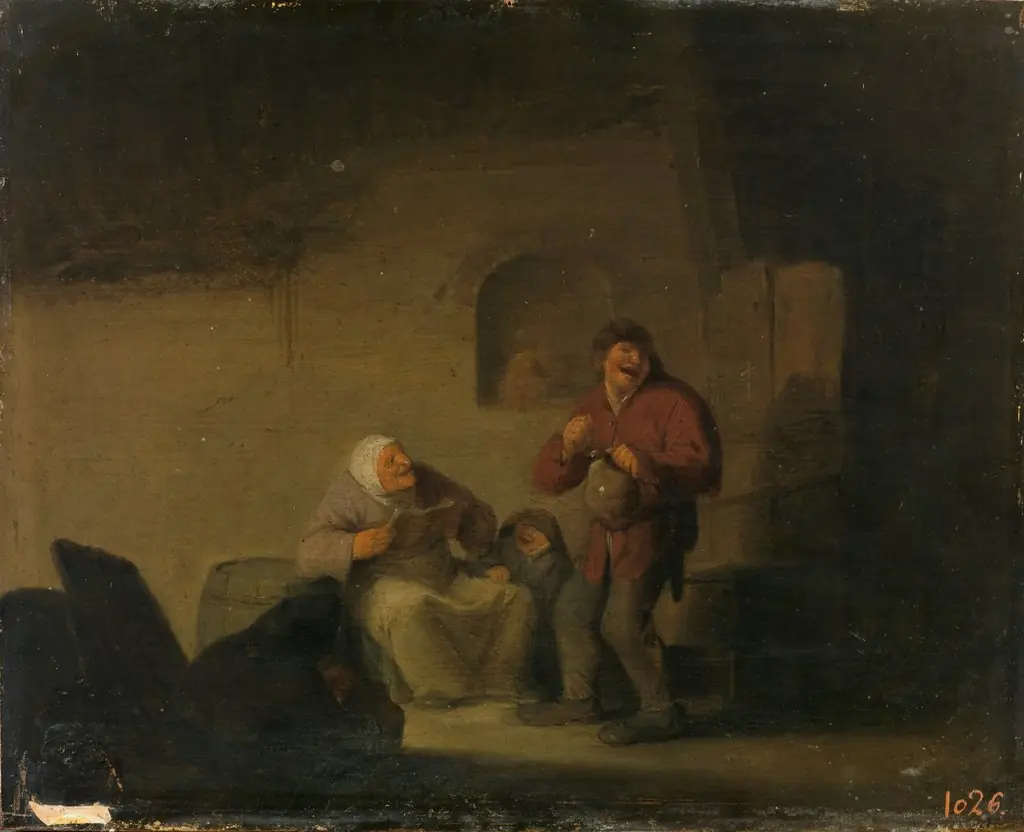
The two women, dressed in modest, unadorned garments, stand near a simple stone structure, engaged in an unremarkable exchange. Their posture and proximity suggest familiarity—neighbors or kin sharing a moment between chores. The scene holds no narrative climax; its significance lies in its unembellished depiction of female labor and social bonds in 17th-century Dutch countryside communities.
Technique & Style
Van Ostade employed etching to define the figures and architecture, using fine lines to suggest texture in fabric and stone. Drypoint was added sparingly to deepen shadows and enhance the tactile quality of the women’s clothing and the rough ground. The inked lines are deliberate but unpolished, echoing the unrefined setting and reinforcing the authenticity of the moment depicted.
History & Provenance
The print emerged during the height of van Ostade’s career, when his genre scenes gained popularity among Dutch collectors. While its early ownership is undocumented, it entered institutional collections in the 19th or early 20th century, likely through European print dealers. Its survival in good condition reflects its modest status as a working print, not a luxury object.
Context
In mid-17th-century Holland, genre scenes like this one responded to a growing urban middle class’s interest in images of rural life. Van Ostade’s prints, more accessible than paintings, circulated widely. This work aligns with broader cultural trends that valued the dignity of everyday labor, even as it avoided idealization or moralizing.
Legacy
Though less celebrated than his paintings, van Ostade’s etchings influenced later artists interested in naturalistic portrayals of common people. This print, among hundreds he produced, helped establish etching as a legitimate medium for genre subjects. Its enduring presence in museum collections underscores its role in documenting the visual culture of Dutch rural society.
Artist & collection
Artist
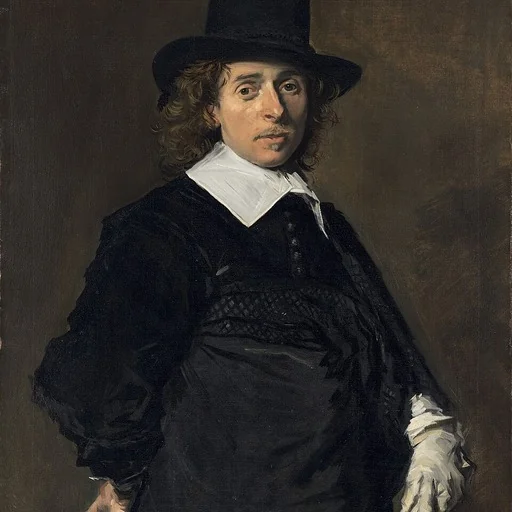
Adriaen van Ostade (baptized as Adriaen Jansz Hendricx 10 December 1610 – buried 2 May 1685) was a Dutch Golden Age painter of genre works, showing the everyday life of ordinary men and women.