Artwork
Rebekka und Elieser am Brunnen
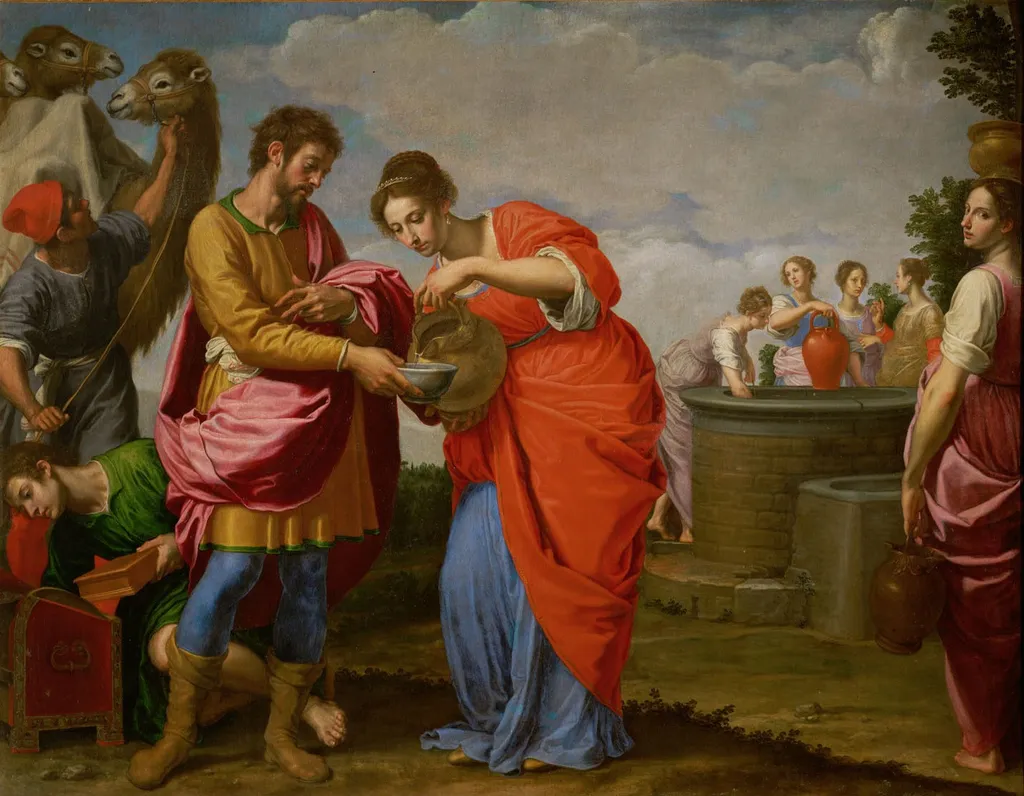
Rebekka und Elieser am Brunnen is an unspecified painting by the Early Baroque Italian artist Ottavio Vannini. It dates from 1626 and is held in the collection of the Kunsthistorisches Museum.
About this work
Overview
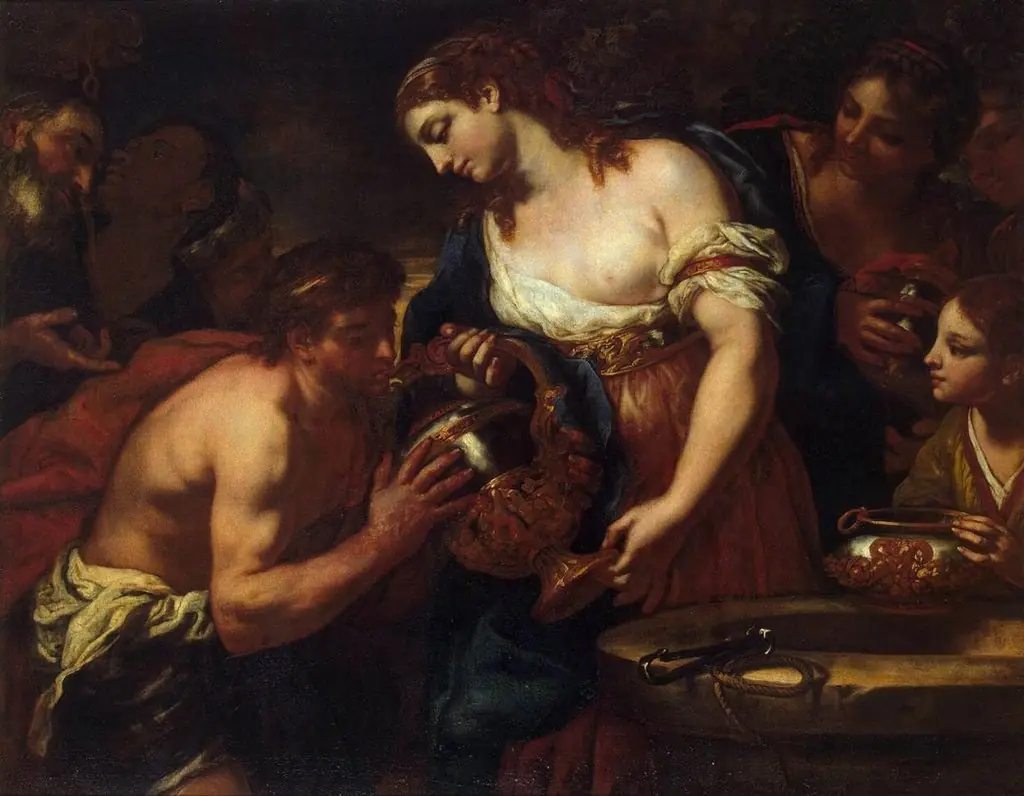
The composition centers on a moment of encounter between Rebekah and Eliezer, rendered with attention to gesture and spatial depth.
Painted in 1626 by Ottavio Vannini, this work depicts a biblical scene from the Book of Genesis. It is part of the collection at the Kunsthistorisches Museum in Vienna. The composition centers on a moment of encounter between Rebekah and Eliezer, rendered with attention to gesture and spatial depth. The figures are set against a dark, atmospheric backdrop that heightens the luminosity of their garments and faces.
Subject & Meaning
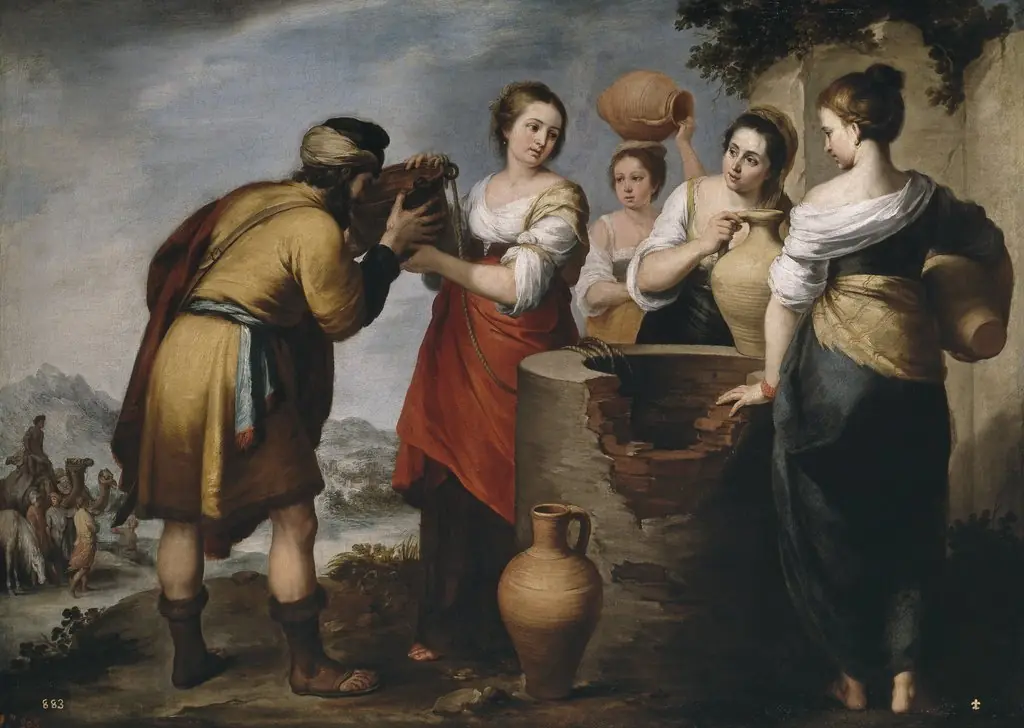
The scene illustrates Rebekah’s act of kindness when she offers water to Eliezer, Abraham’s servant, at a well. This moment signifies divine guidance in selecting Isaac’s bride. The inclusion of camels and other figures around the fountain reinforces the narrative’s setting in a desert oasis. The interaction between the two central figures conveys humility and hospitality, key virtues in the biblical account.
Technique & Style
Vannini employs chiaroscuro to model the figures with strong contrasts between light and shadow, giving them a sculptural presence. The richly colored robes—Rebekah’s red and blue, Eliezer’s gold and pink—stand out against the muted background. Brushwork is refined yet fluid, emphasizing fabric movement and the soft glow of daylight. The sky, rendered with delicate cloud forms, adds a sense of quiet serenity to the scene.
History & Provenance
The painting was completed in 1626 and entered the Habsburg collection before being transferred to the Kunsthistorisches Museum. Its presence in Vienna suggests it was acquired during a period of active patronage of Italian Baroque art. No significant alterations or reworkings are documented, and it has remained in the museum’s care since the 19th century.
Context
Vannini worked in Florence and Rome during the early Baroque era, influenced by Caravaggio’s dramatic lighting and naturalism. This painting reflects the Counter-Reformation emphasis on emotionally resonant biblical narratives. The composition aligns with contemporary trends favoring clarity, moral clarity, and vivid storytelling in religious art, tailored for private devotion and elite collections.
Legacy
Though not widely reproduced, the painting exemplifies the quiet intensity of early 17th-century Italian religious painting outside the major centers of Rome. It preserves Vannini’s skill in balancing narrative detail with atmospheric harmony. Its continued display in Vienna underscores its role as a representative work of a lesser-known but technically accomplished painter of the period.
Artist & collection

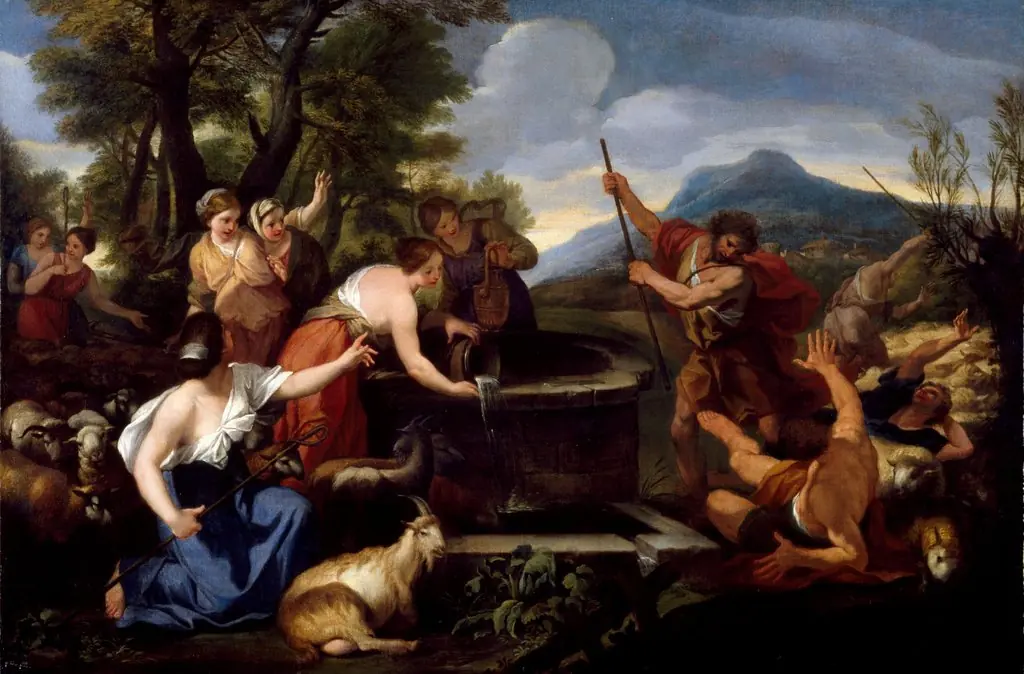 Moses and the Daughters of Jethro
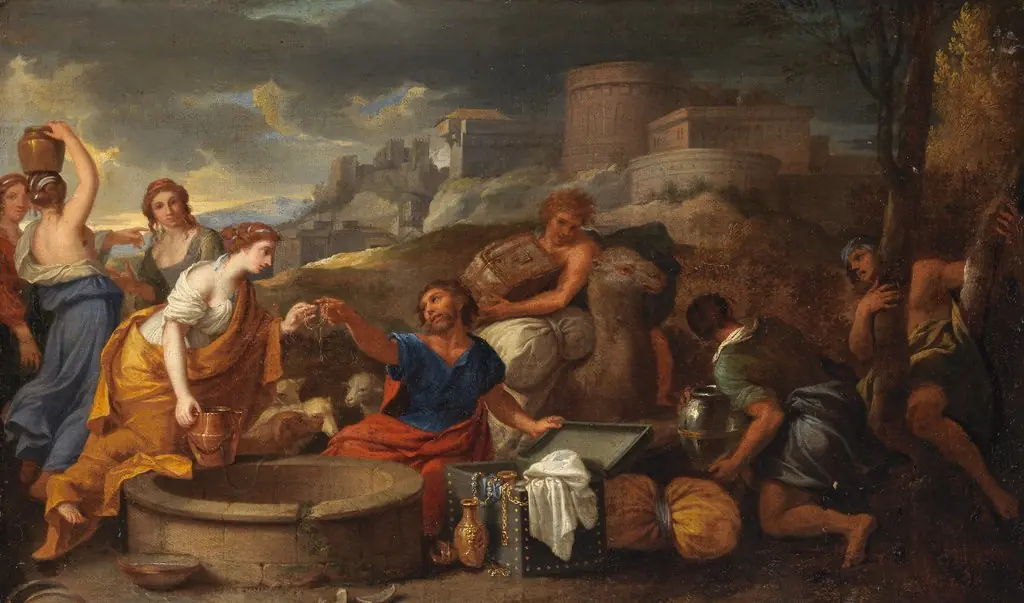 Rebecca at the Well
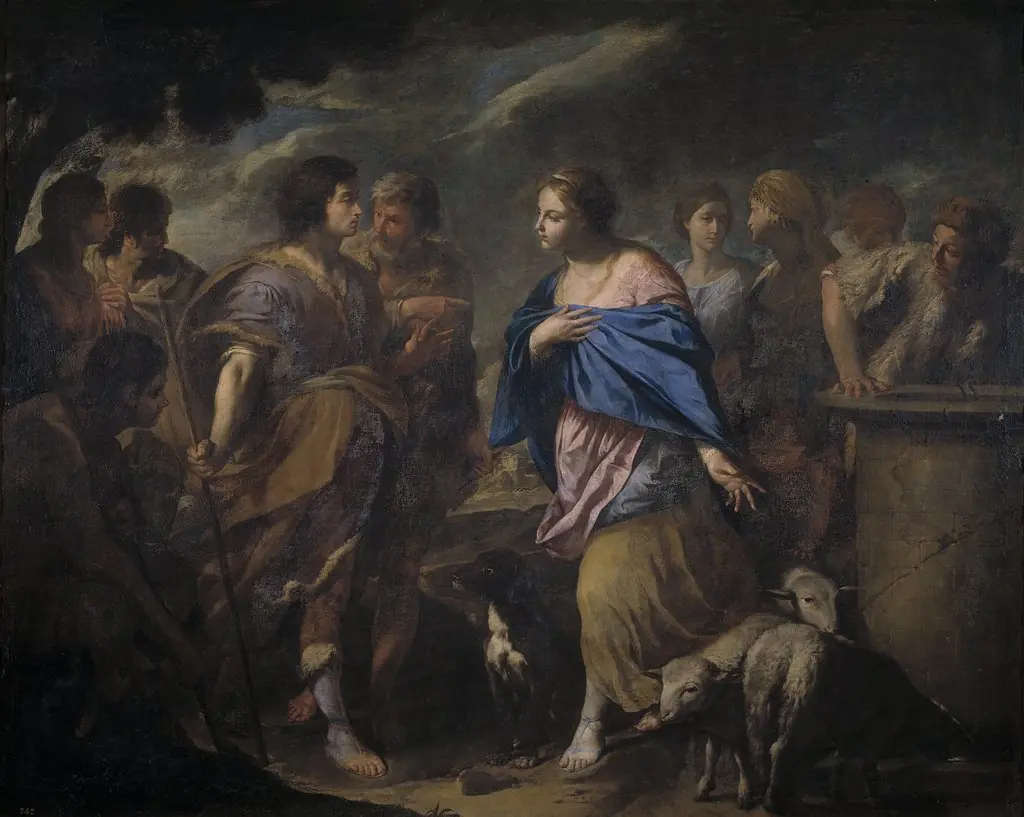 Meeting of Isaac and Rebeca
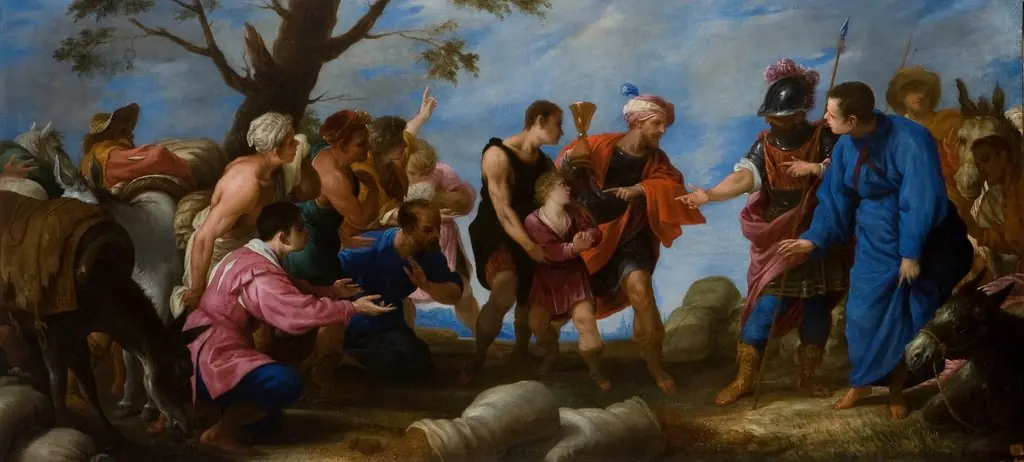 La copa en el saco de Benjamín
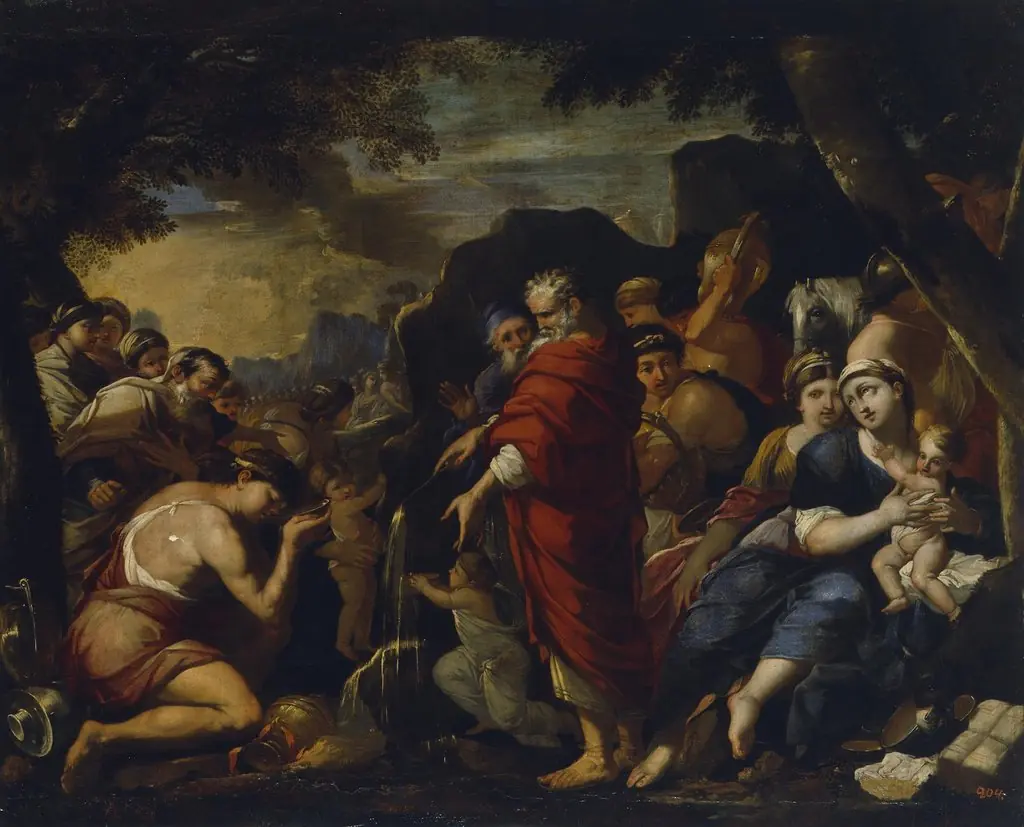 Moses Striking the Rock
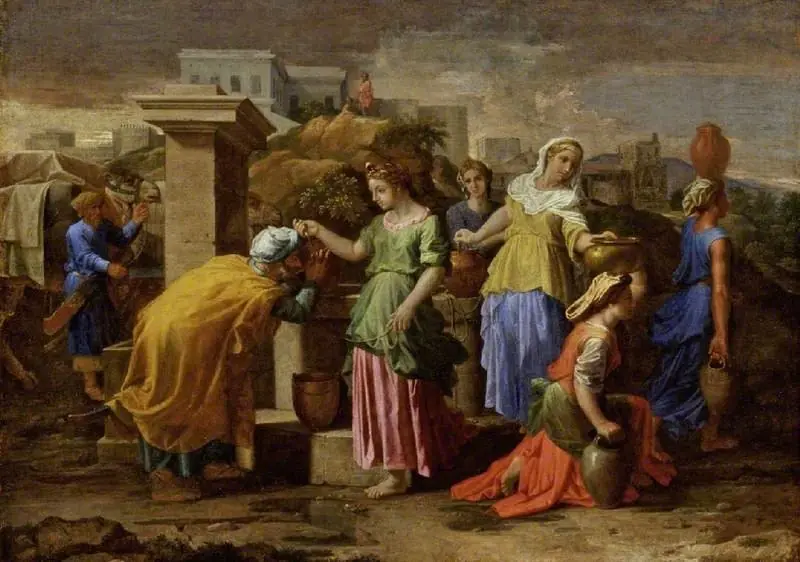 Eliezer and Rebecca
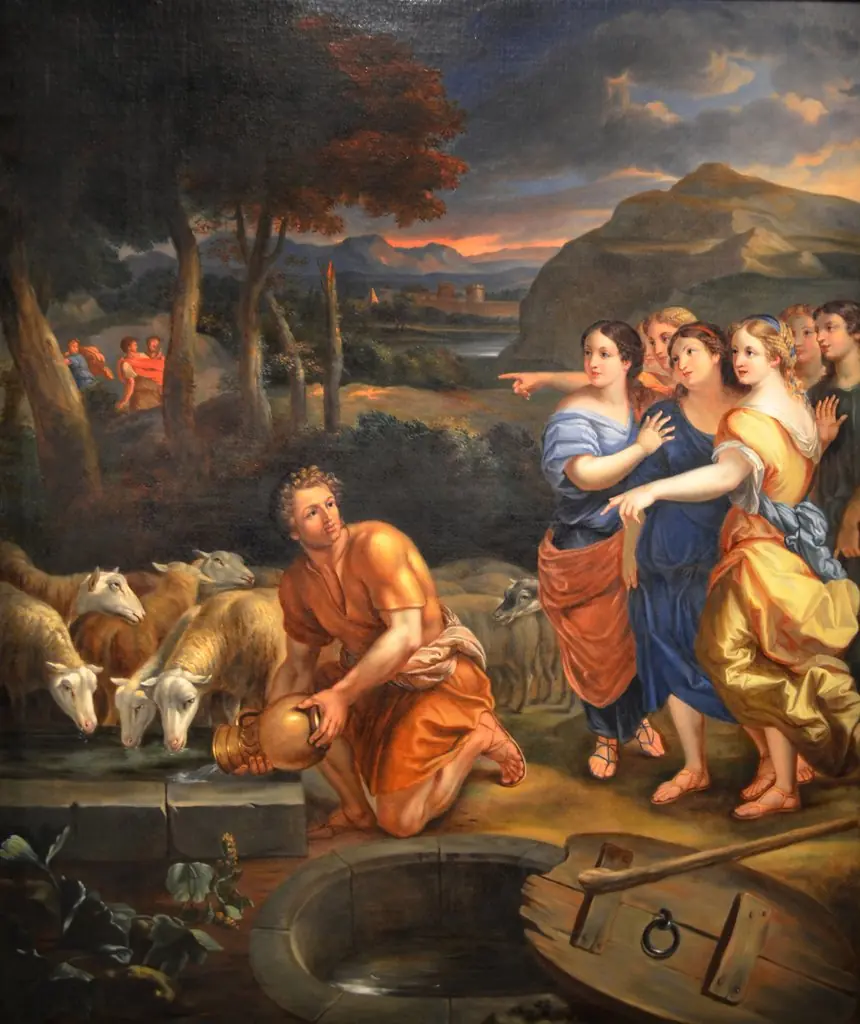 Moses and the Daughters of Jethro
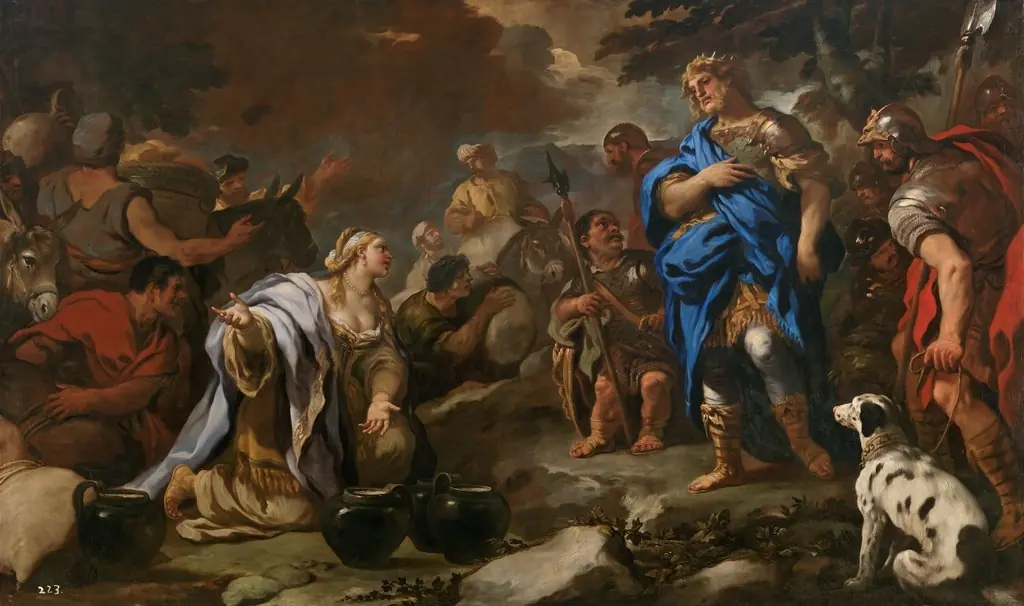 La prudente Abigail
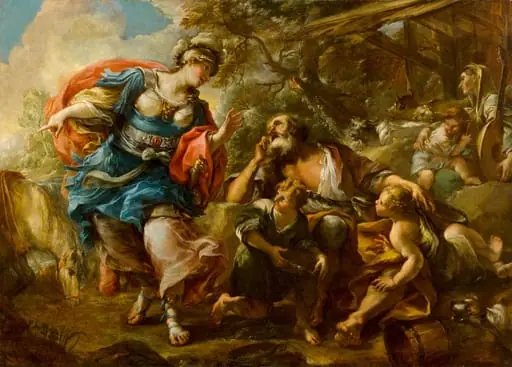 Erminia ja paimenet
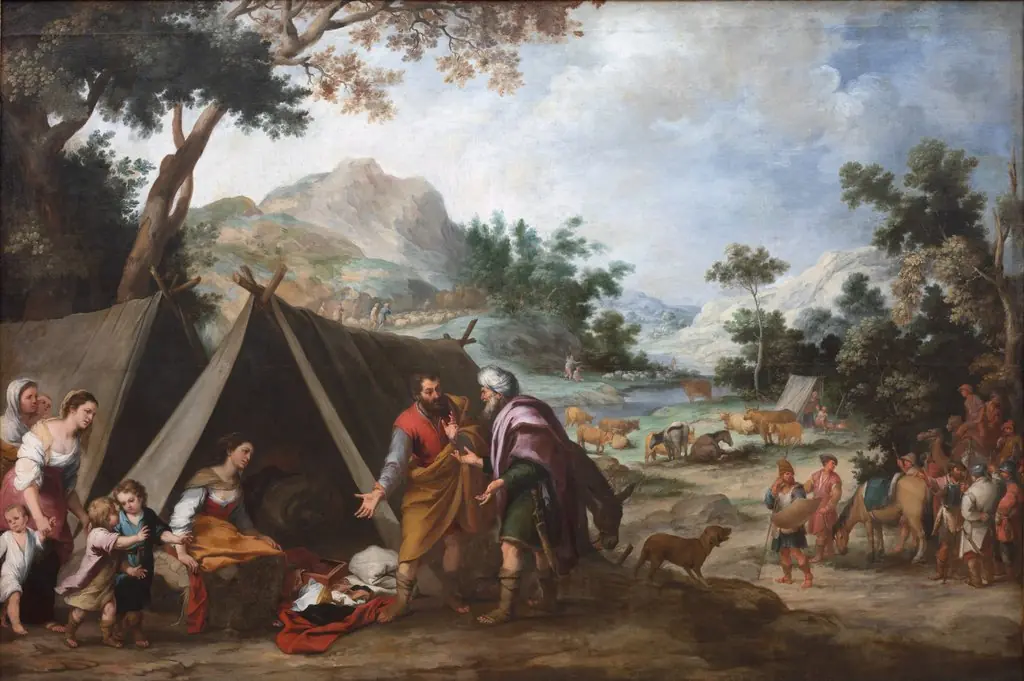 Laban Searching for his Stolen Household Gods
 Eleazar and Rebekah at the Well
 Rebecca and Eliezer