Artwork
To vaskekoner
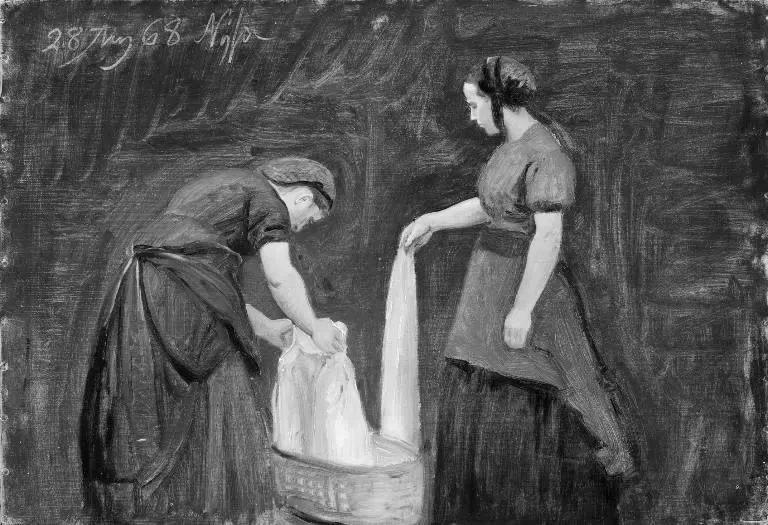
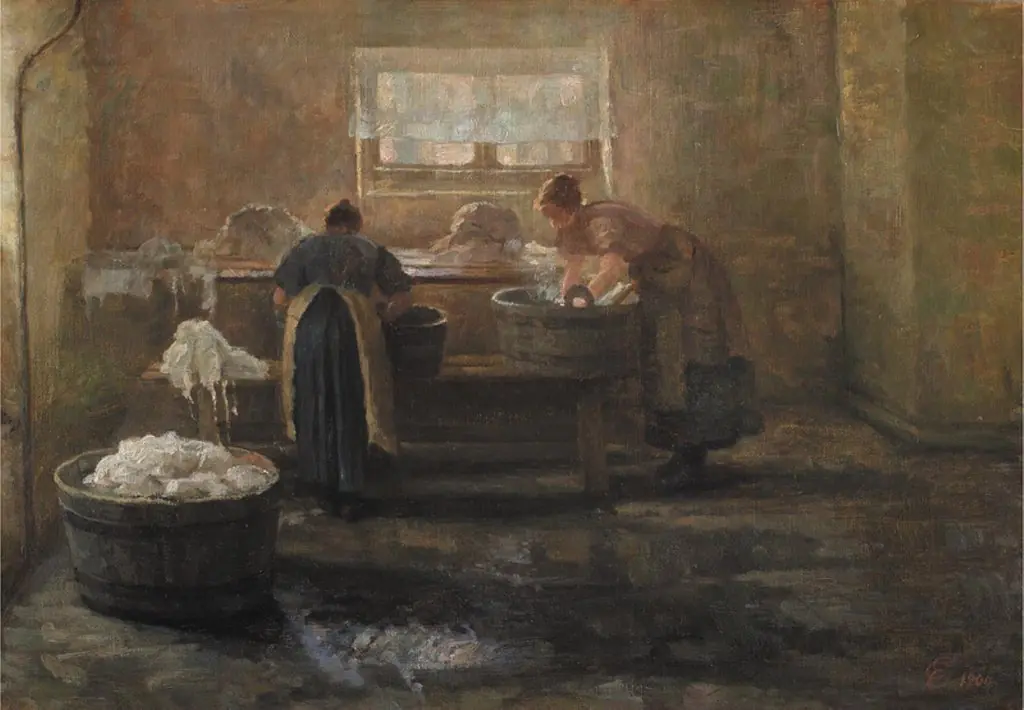
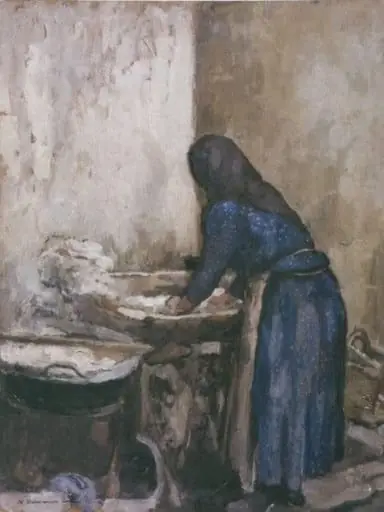
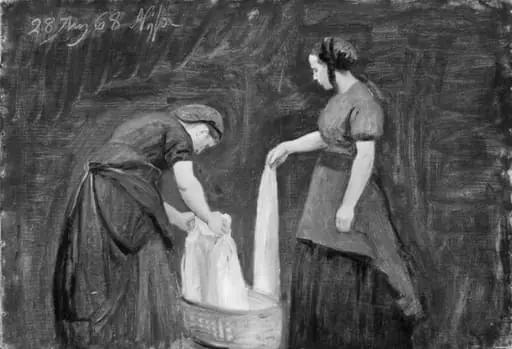
To vaskekoner is an oil painting by the Realist artist P. C. Skovgaard. It dates from 1868 and is held in the collection of the Statens Museum for Kunst. Painted in 1868 by P.
About this work
Overview
This piece exemplifies his commitment to portraying the Danish countryside with sincerity and attention to atmospheric detail.
Painted in 1868 by P. C. Skovgaard, *To vaskekoner* is an oil-on-canvas work that captures a quiet moment of domestic labor in rural Denmark. As a central figure in the Danish Golden Age, Skovgaard focused on the natural environment and everyday life, avoiding idealization in favor of observed reality. This piece exemplifies his commitment to portraying the Danish countryside with sincerity and attention to atmospheric detail.
Subject & Meaning
The painting depicts two women engaged in the chore of laundry, positioned beside a large wooden basket. One leans forward, immersed in the task; the other stands upright, observing. Their postures suggest collaboration and rhythm in labor. The absence of narrative drama or symbolic flourish emphasizes the dignity of routine work, reflecting a broader 19th-century interest in the quiet resilience of ordinary lives.
Technique & Style
Skovgaard employs a restrained palette and subtle chiaroscuro to model form and depth. The figures emerge from a dim, textured background, their dark clothing and head coverings blending with the shadows of the landscape. Brushwork is deliberate but unobtrusive, prioritizing tonal harmony over detail. The composition directs attention to the women’s gestures, reinforcing the painting’s intimate, contemplative tone.
History & Provenance
Created during the height of Skovgaard’s career, the painting entered the collection of Statens Museum for Kunst in Copenhagen, where it remains today. It was produced at a time when Danish artists increasingly turned to native subjects, moving away from foreign or historical themes. Its preservation in a national institution underscores its recognition as a representative work of the period’s realist ethos.
Context
In mid-19th-century Denmark, a cultural movement emerged that valued the authenticity of rural life and national identity. Skovgaard’s landscapes and genre scenes aligned with this trend, offering viewers a sense of continuity with the land and its people. *To vaskekoner* fits within this framework, presenting labor not as spectacle but as an embedded, unremarkable part of the natural world.
Legacy
Though not widely exhibited outside Denmark, the painting contributes to the understanding of how Danish Realism treated domestic labor with quiet reverence. It stands as a quiet counterpoint to more dramatic genre scenes of the era, influencing later artists who sought to portray everyday existence without sentimentality or embellishment.
Artist & collection
Artist
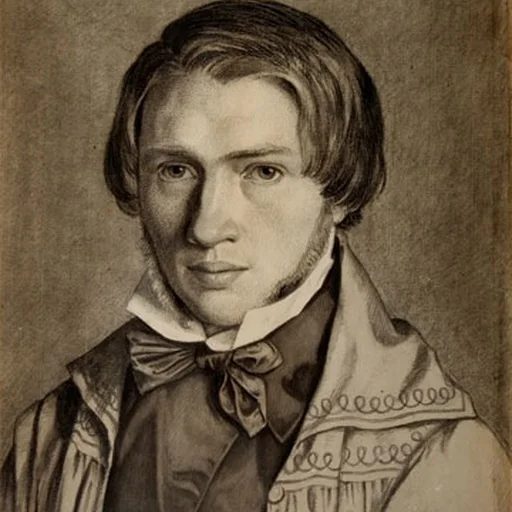
Peter Christian Thamsen Skovgaard (4 April 1817 – 13 April 1875), known as P. C. Skovgaard, was a Danish national romantic landscape painter. He is considered one of the leading landscape painters of the 19th century…

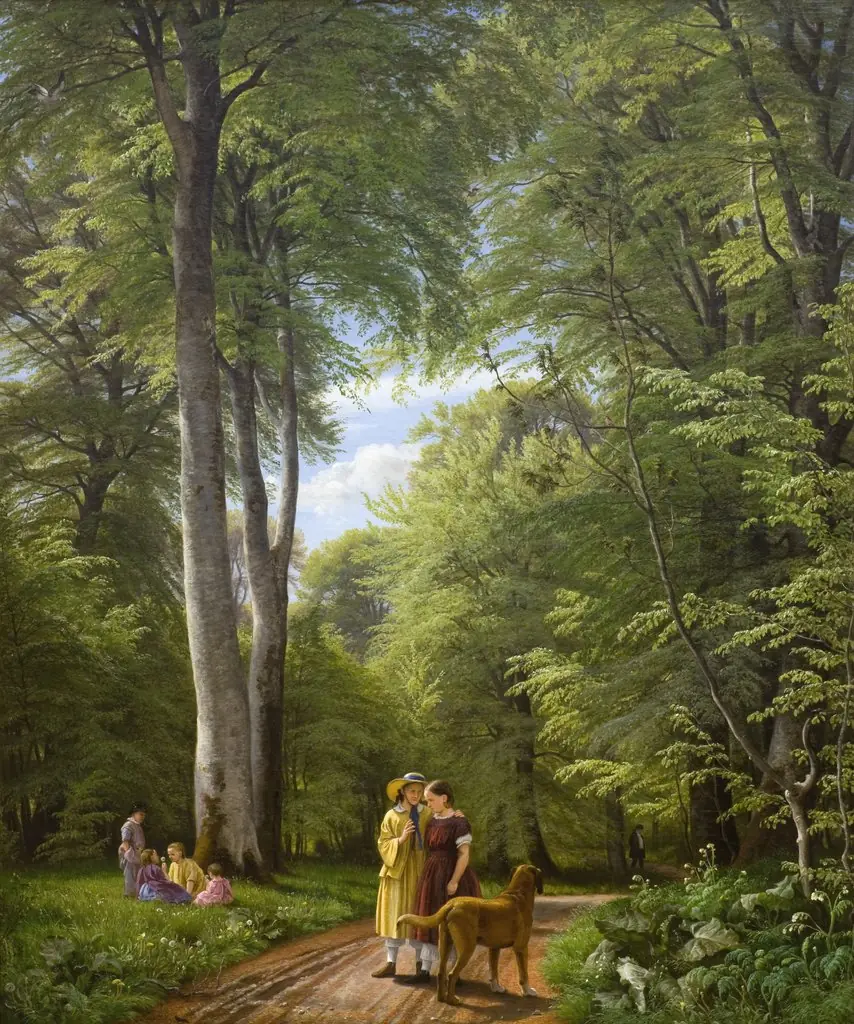 A Beech Wood in May near Iselingen Manor, Zealand
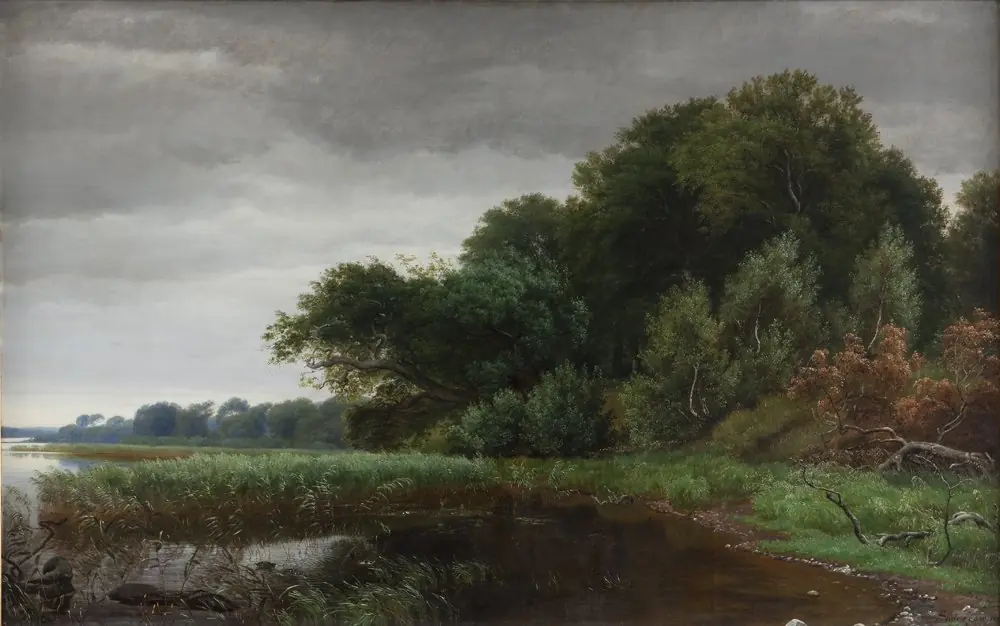 Clearing weather after a rain shower at Gurre Lake
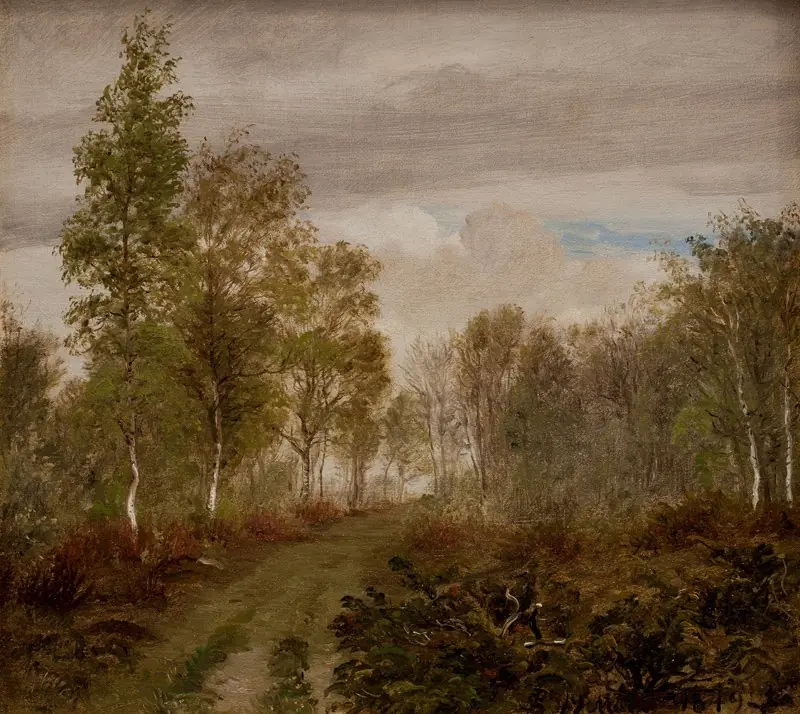 Birketræer på Læsø efter regn
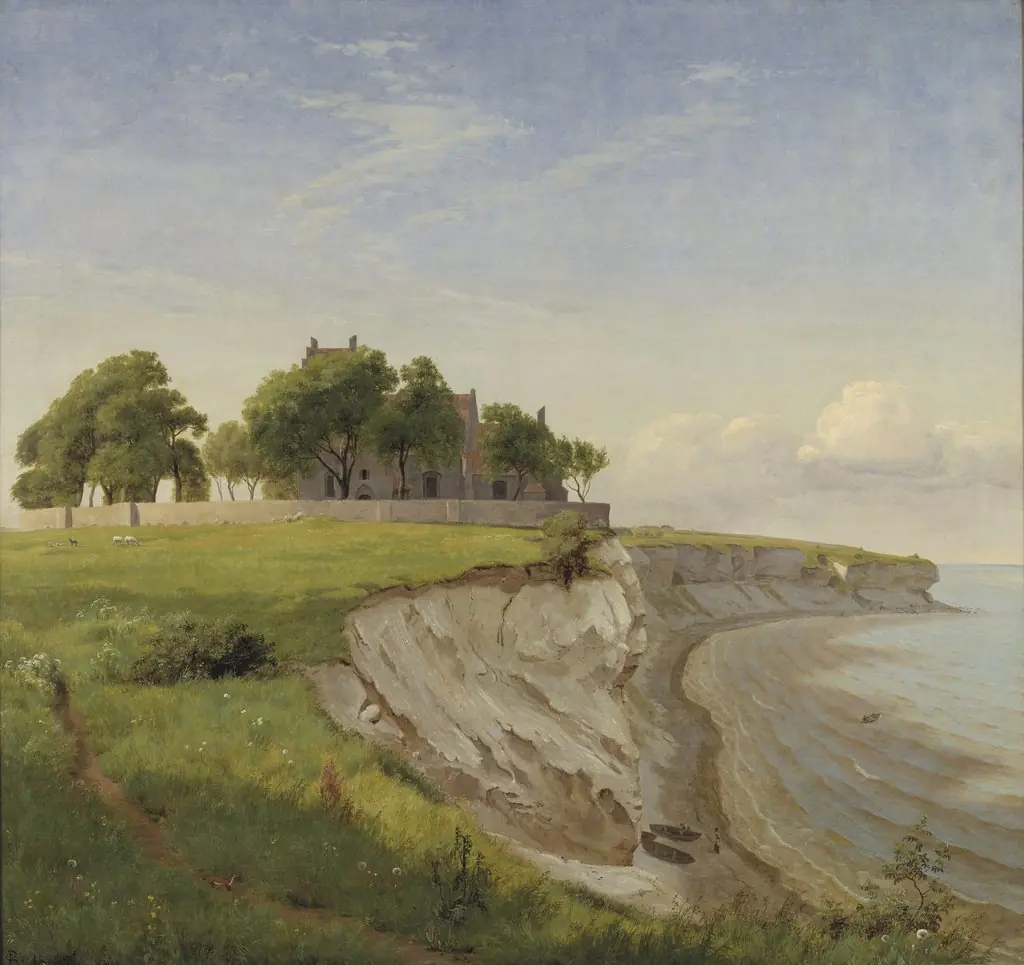 Højerup Church on the Cliffs of Stevns, Zealand
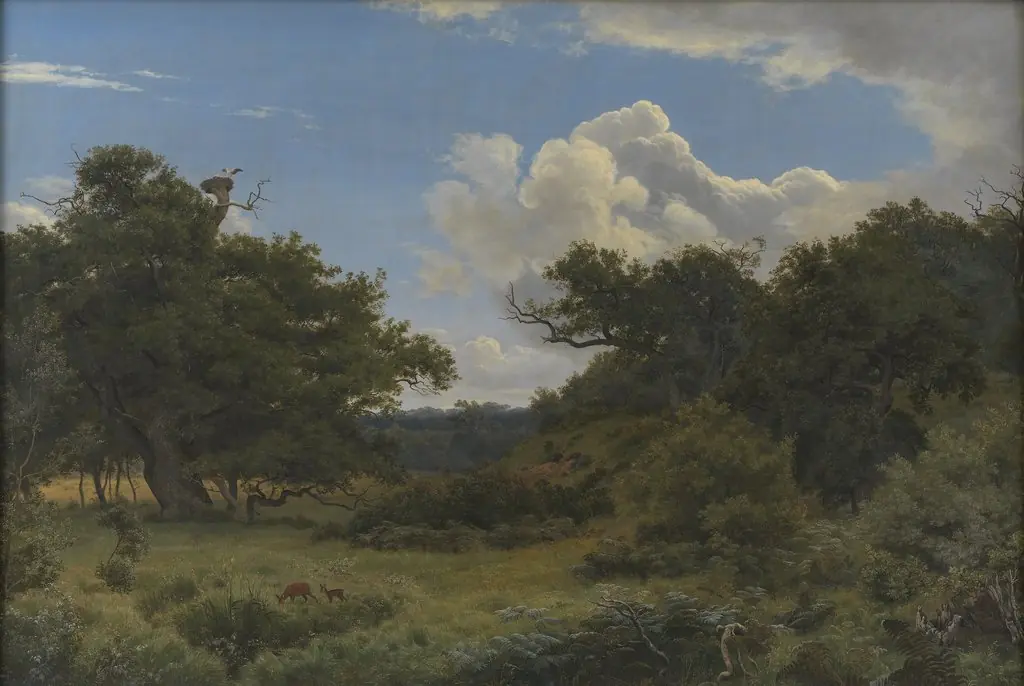 Oak Trees in Nordskoven near Jægerspris, Zealand
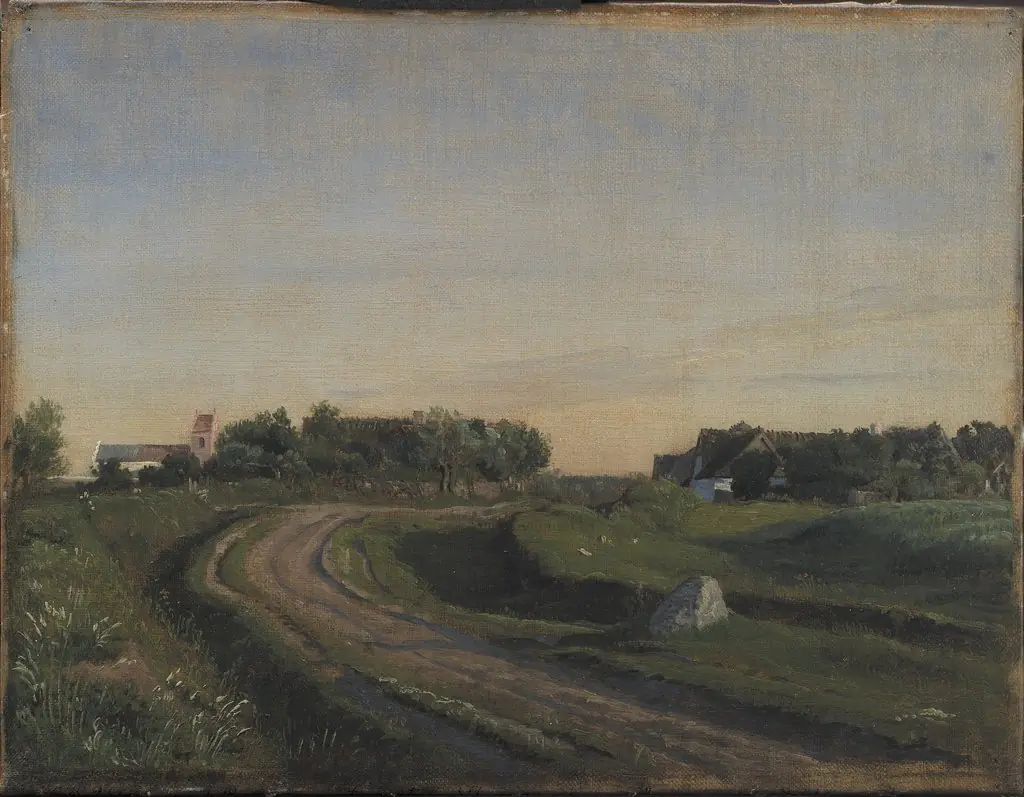 Vejby with the Church seen from the North. Evening Light. Zealand
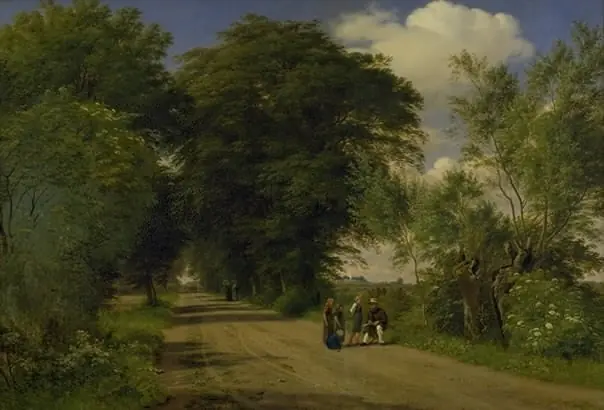 A Country Road near Vognserup Manor, Zealand. The Painter J.Th. Lundbye Sketching by the Roadside
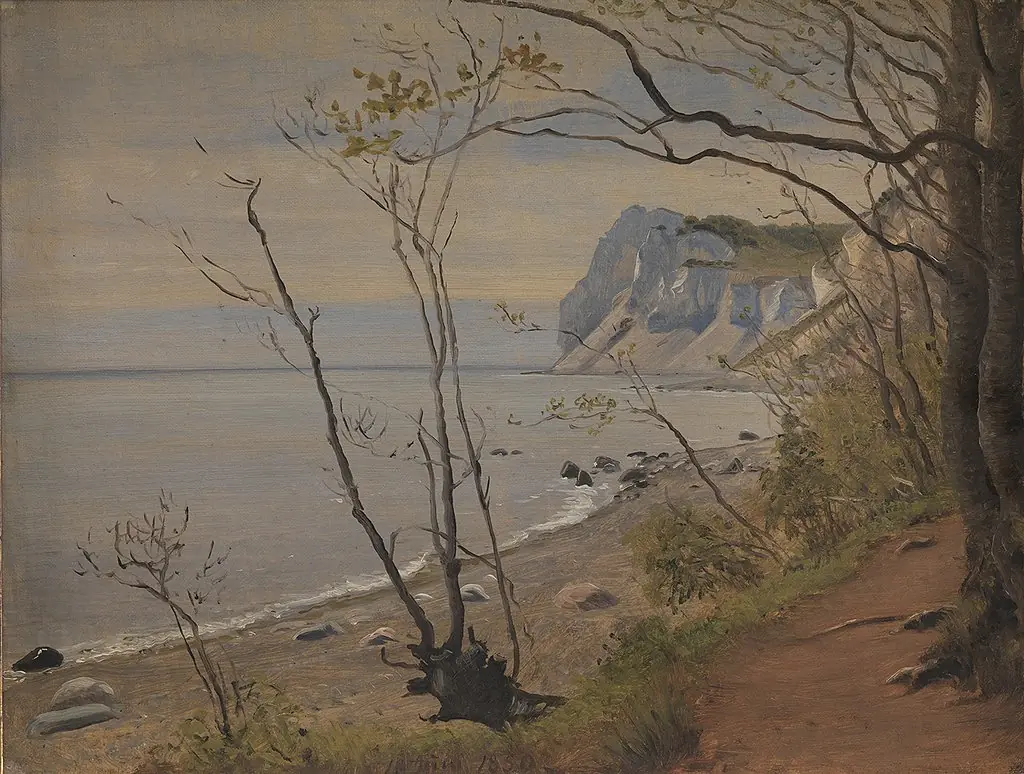 The Cliffs of the Island of Møn