Artwork
Untitled
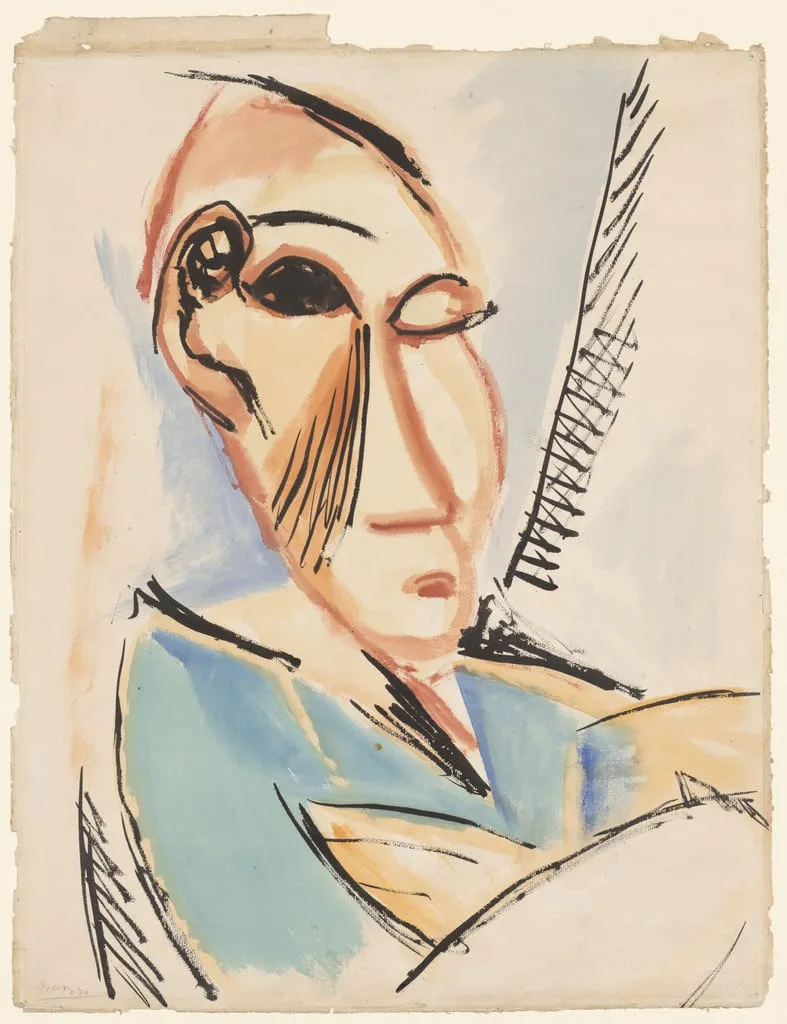
Untitled is a watercolor drawing by Pablo Picasso. It dates from 1907 and is held in the collection of the Museum of Modern Art.
About this work
Overview
Created in 1907, this gouache and watercolor drawing by Pablo Picasso is a compact yet significant work from a pivotal year in modern art.
Created in 1907, this gouache and watercolor drawing by Pablo Picasso is a compact yet significant work from a pivotal year in modern art. Executed on paper, it reflects the artist’s experimentation beyond oil painting, engaging with fluid media to explore form and expression. At the time, Picasso was based in Paris and deeply immersed in the early stages of Cubist inquiry, though this piece remains more figurative than his later fractured compositions.
Subject & Meaning
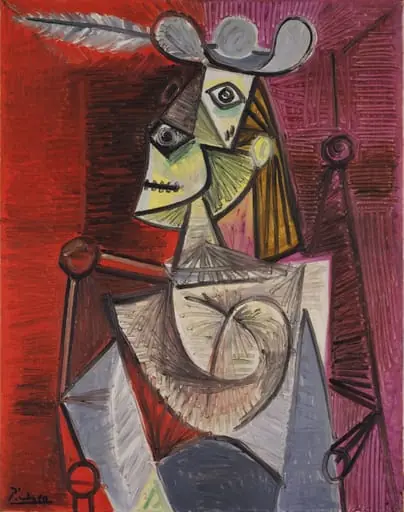
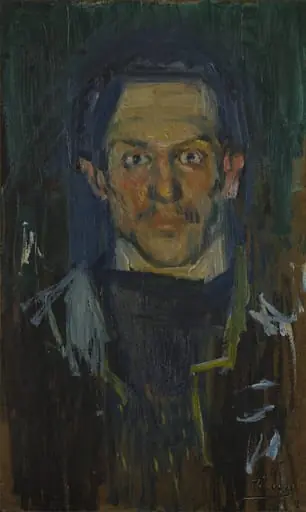
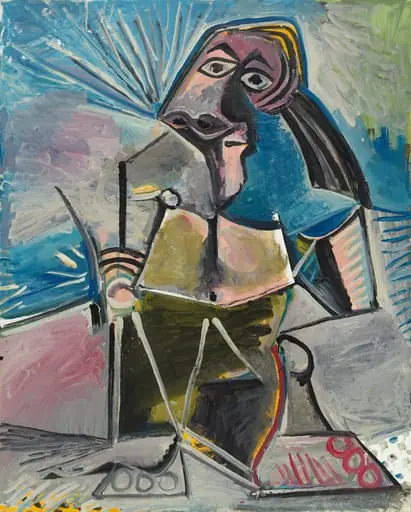
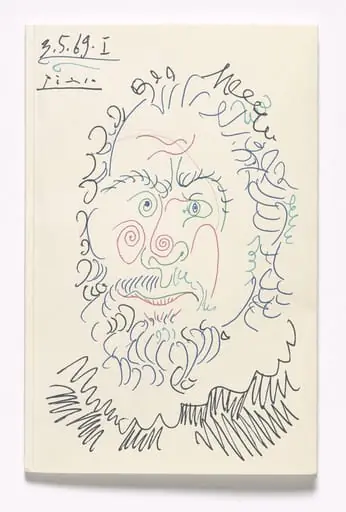
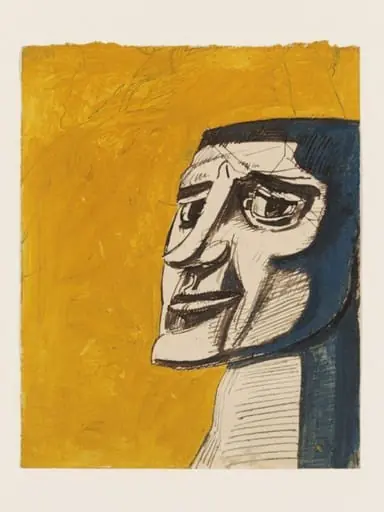
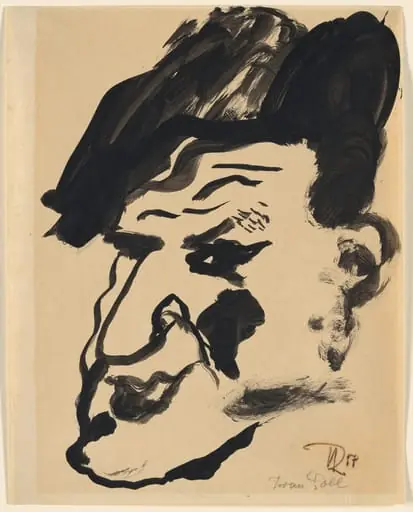
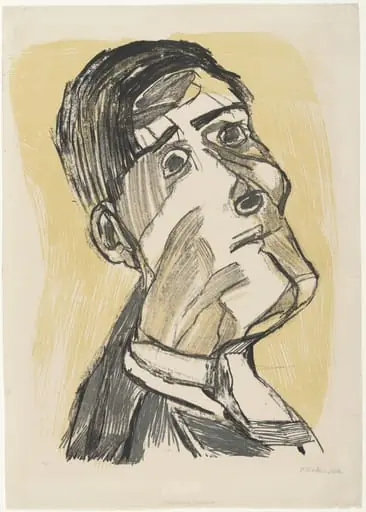
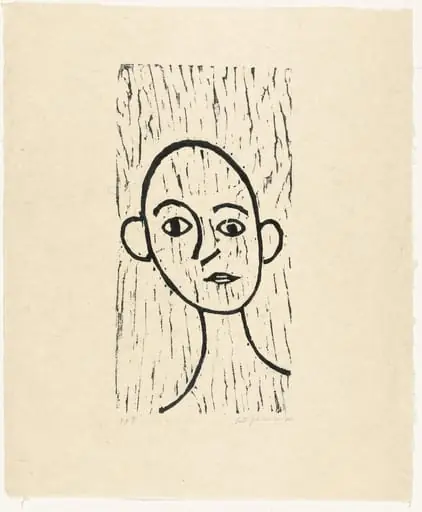
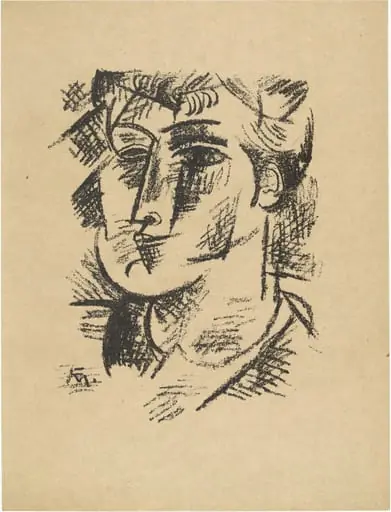
The drawing presents a simplified portrait, focusing on a single face tilted to the right. Key features—the eye and ear—are emphasized with strong contours, while the rest of the face is reduced to essential shapes. The subject’s expression is quiet, almost meditative, with no overt narrative or symbolism. The work prioritizes formal presence over storytelling, suggesting an interest in the essence of human visage rather than individual identity.
Technique & Style
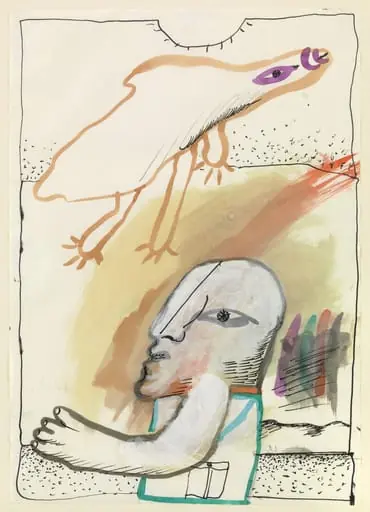
Picasso employed gouache and watercolor to achieve a range of opacity and translucency, layering thin washes to suggest subtle shifts in tone. Bold, clean lines define the facial structure, contrasting with the softer, muted background of beige, blue, and orange. The technique avoids modeling or shading, instead relying on flat planes and minimal detail to convey volume. This restrained approach anticipates the geometric simplifications central to Cubism.
History & Provenance
The work entered the collection of The Museum of Modern Art in New York, where it remains today. While its early ownership history is not fully documented, its inclusion in MoMA’s holdings underscores its recognition as a representative example of Picasso’s early 20th-century drawings. It was likely acquired during the museum’s formative years, when its curators actively sought works that defined emerging modernist trends.
Context
In 1907, Picasso was transitioning from his Blue and Rose periods toward the radical rethinking of form that would culminate in 'Les Demoiselles d'Avignon.' This drawing reflects that shift: though not fully Cubist, it abandons naturalistic detail in favor of structural clarity. It aligns with contemporaneous explorations by artists like Braque and Matisse, who were also redefining representation through simplified forms and flattened space.
Legacy
This small work exemplifies how Picasso used modest materials to advance major artistic ideas. Its economy of line and color influenced later generations of modernists who valued abstraction and reduction. Though less known than his large-scale paintings, such drawings reveal the quiet, iterative process behind his revolutionary contributions to 20th-century visual language.
Artist & collection
Artist
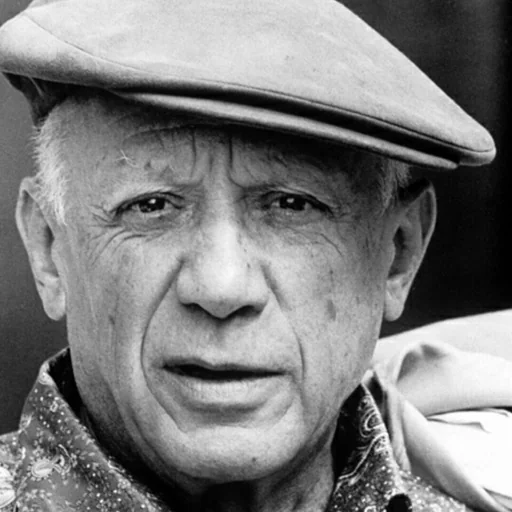
Pablo Ruiz Picasso (25 October 1881 – 8 April 1973) was a Spanish painter and sculptor who spent most of his adult life in France.